
Checklist · Home & moving
Buying a Gas Cylinder and Cooker in Kigali: First-Time Checklist
First time buying a gas cylinder and cooker in Kigali? See what to buy together: cylinder, regulator, hose, cookware and safety items.
Updated November 16, 2026 · By Isokko
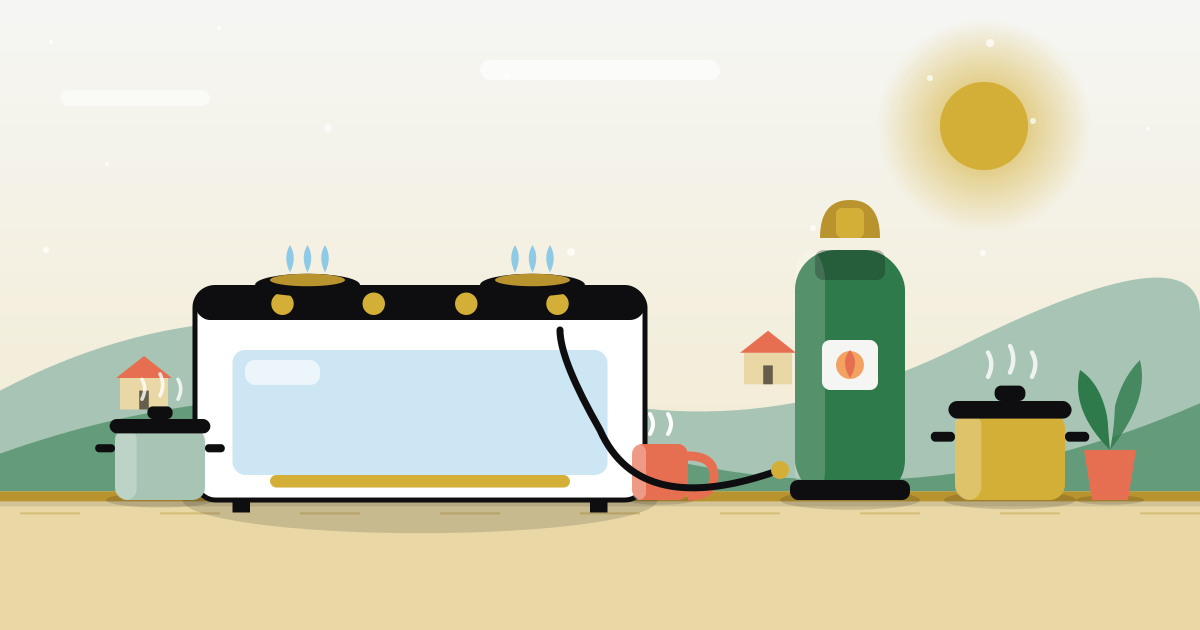
Cooking with gas is quick, clean and easy to control, but the first purchase has more parts than most people expect. A gas cooker alone does not cook anything. You also need a filled cylinder, a regulator that fits it, a safe connection between the two, and pots that suit a gas flame.
This checklist walks you through all of it in the order you will need it. For each item you will see why it matters, how to use it, and whether it is a must or just nice to have. The safety items are not optional extras, so they are marked as musts.
If you rent, check with your landlord about where a cylinder may be kept and whether the kitchen is ventilated enough. If anything about your set up feels uncertain, ask the seller or a technician to connect it for you the first time.
Who it's for
Anyone in Kigali who is switching from charcoal or an electric plate to cooking with gas
Time needed
Allow one day to buy and one evening to connect and test everything
When to shop
Buy the cylinder, regulator and cooker together so you can test the full set the same day
On the list
28 items, 13 must haves
0 of 28 ready
The cylinder
Gas is sold by the weight of the cylinder. Pick the size that matches how many people you cook for and how often.
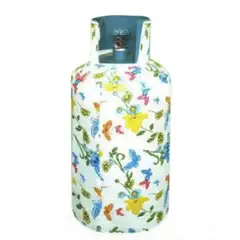
Gas cylinder
1 Must haveWithout a filled cylinder the cooker is useless. Cylinders come in different weights, and a small one suits one or two people while a larger one suits a family that cooks daily.
How to use it: Ask what size is on offer and whether it comes filled. Check that the valve and body look clean and undamaged before you accept it.
Cylinder dust cover
1Nice to haveRed dust gets into everything in Kigali, and a cover keeps the valve area and the body cleaner. It also makes the cylinder look tidy in the kitchen.
How to use it: Wipe the cylinder before you put the cover on. Never wrap the cover over the valve while you are cooking, and never let it trap heat from the cooker.
Spare cylinder or planned refill day
1Nice to haveRunning out of gas halfway through cooking for guests is a common first-timer problem. A spare, or a note of the refill contact, saves the evening.
How to use it: Write down your refill contact and the date you started the cylinder. Refill when it feels light, not when it is empty.
Regulator and connection
This is the part that joins the cylinder to the cooker. Getting it right is the most important safety step.
Gas regulator
1 Must haveThe regulator lowers the pressure from the cylinder to a level the cooker can use safely. A cooker should never be connected straight to the cylinder valve.
How to use it: Buy one that fits your cylinder valve and ask the seller to show you how it clicks on. Turn the cylinder valve slowly and open it only a little at first.
 CR - 168B COSCO Gas RegulatorRWF12,500
 CR-168B Costco gas RegulatorRWF10,000
Gas hose with clips
1 Must haveThe hose carries gas from the regulator to the cooker. A cracked or loose hose is a leading cause of leaks, so use a proper gas hose, not any pipe that fits.
How to use it: Buy a hose long enough to reach without stretching or touching hot parts. Fit a clip at each end and check the hose for cracks every month.
Spare regulator washer or seal
1Nice to haveThe rubber seal in the regulator wears out over time. A spare means you can fix a weak seal quickly instead of cooking on a leaking connection.
How to use it: Keep the spare in a kitchen drawer. When you refill, look at the seal and replace it if it is cracked, flat or hard.
Dish soap for leak testing
1 Must haveSoapy water is the simple way to find a leak. Bubbles at a joint mean gas is escaping.
How to use it: Mix a little soap in water, brush it on the joints and watch for bubbles. Never use a flame to look for a leak.
Sponge or brush for the soap test
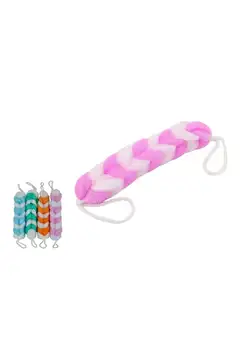
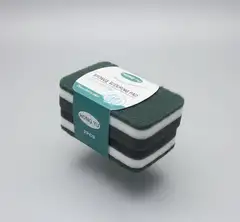
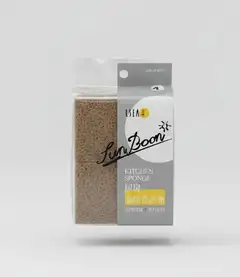
1Nice to haveYou need something to apply the soapy water around the regulator and hose joints.
How to use it: Use a small sponge or old brush kept only for this job. Dab the soapy water on each joint after every cylinder change.

The cooker
Choose a cooker that fits your kitchen space and the way you cook.
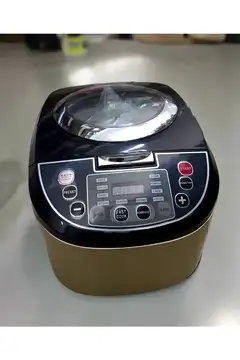
Gas cooker
1 Must haveThe cooker is the main purchase. Think about how many burners you need, how much counter space you have and whether you want an oven.
How to use it: Place it on a flat, firm surface away from curtains and wall shelves. Keep the cylinder beside it, not under it or behind it.
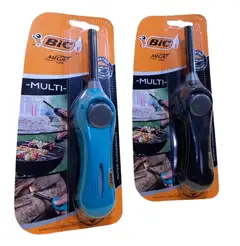
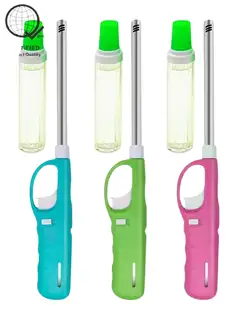
Gas lighter
1 Must haveMany cookers need a flame to light the burner. A long gas lighter keeps your hand away from the flame and lasts much longer than matches.
How to use it: Turn the knob, then click the lighter near the burner. If the burner does not light in a few seconds, turn the knob off and wait before you try again.
Matches
1Nice to haveMatches are a good backup when a lighter runs out or fails.
How to use it: Keep them in a dry box away from the cooker. Put the lit match to the burner before you turn the gas on fully.
 Wax MatchesRWF1,000
 Straw beach hat & tote bagRWF34,500
Cable for gas cooker
1Nice to haveSome cookers have an electric ignition or a light that needs a power cable. A short, proper cable avoids stretching extension leads across the kitchen.
How to use it: Keep it away from the flame and any wet area. Check that the plug and wire are not hot after cooking.
 Cable for Gas Cooker 1MRWF2,500
 Cable for gas cooker 1MRWF1,500

Pots and tools that suit gas
A gas flame heats the sides of a pot too, so flat, sturdy cookware makes cooking easier and saves gas.
Cooking pot
1 Must haveA pot with a flat base sits steadily on the burner and heats evenly. This is what you will use for beans, rice, matoke and stews.
How to use it: Choose a pot that is not wider than the cooker's pan supports. Use a lid so food cooks faster and you use less gas.
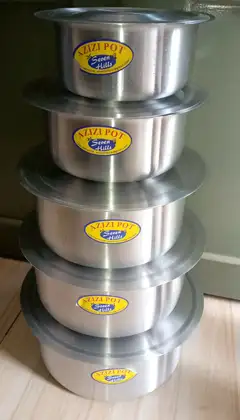 Aluminum Cooking Pot 1pcRWF15,000
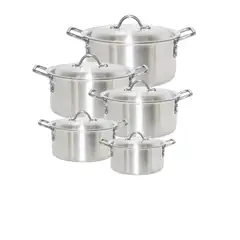 Cooking Pot set/5pcsRWF55,000
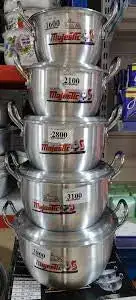 Majestic Cookware Pot Set 5pcsRWF55,000
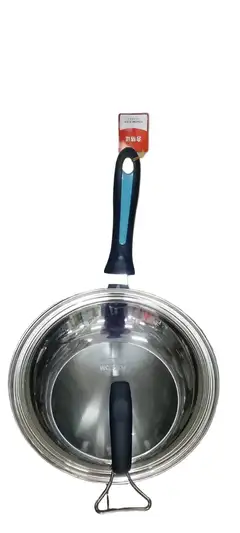
Saucepan
1 Must haveA smaller saucepan is perfect for tea water, milk, porridge and sauces, and uses less gas than a big pot.
How to use it: Match the pan size to the burner so the flame does not lick up the sides. Turn the flame down once the pan is hot.
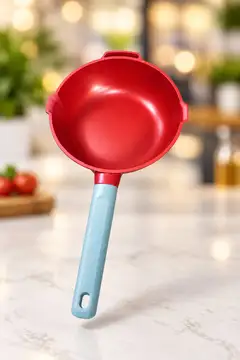 Red Non-Stick SaucepanRWF15,000
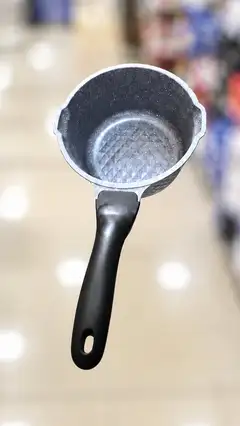 Granite Milk Pan / SaucepanRWF12,000
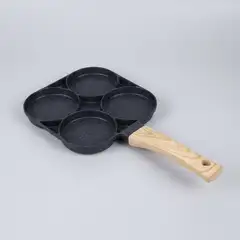
Frying pan
1 Must haveFor eggs, chapati, fish and vegetables you need a good pan that heats quickly on gas.
How to use it: Heat the pan before adding oil. Keep non-stick pans away from metal tools so the coating lasts.
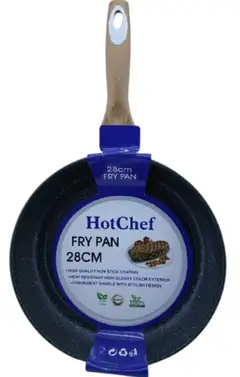 HotChef 26cm Fry PanRWF25,000
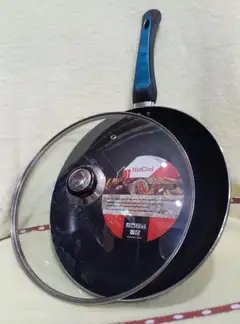 Hot chef PANRWF20,000
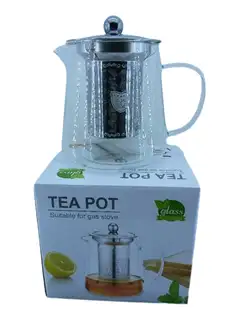
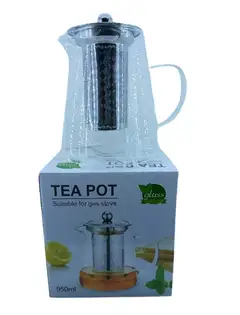
Glass or flame-safe teapot
1Nice to haveA teapot made for gas lets you brew tea straight on the flame.
How to use it: Check that it says it is suitable for a gas stove. Keep the flame under the base and never heat it empty.
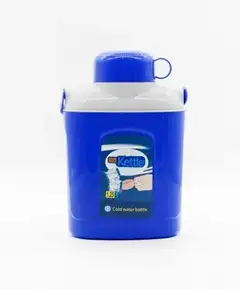
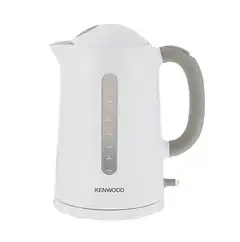
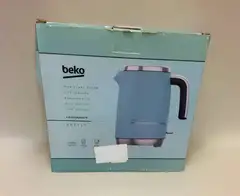
Kettle
1Nice to haveIf you boil a lot of water for tea, a kettle saves time. Choose one that suits your cooker or your plug.
How to use it: Fill to the mark and do not overfill. Descale when you see white buildup inside.
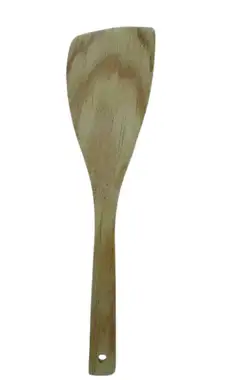
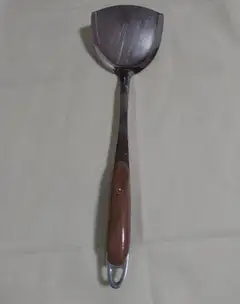
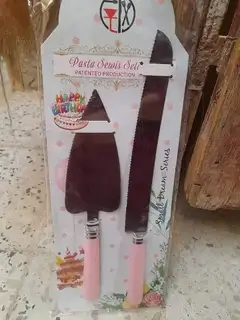
Spatula
1 Must haveYou need a spatula or turner for frying and stirring that does not scratch pans or melt in heat.
How to use it: Wooden or heat-safe tools are best. Hang or store them close to the cooker but not directly over the flame.
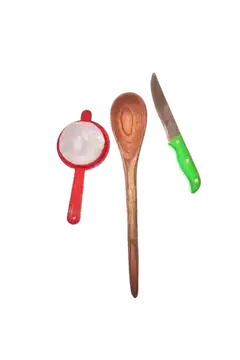
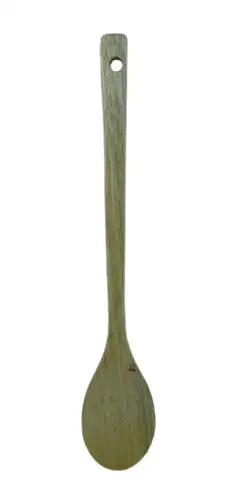
Serving spoon or ladle
1Nice to haveA long spoon keeps your hand away from steam and flame when you serve soup or stew.
How to use it: Choose one with a long handle. Rest it on a plate, not on the hot cooker top.
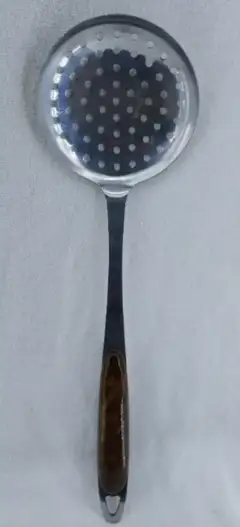 Wok bekner spoonRWF3,500


Safety and emergencies
Gas is safe when you follow simple rules. These items help you act fast if something goes wrong.
Torch
1 Must haveIf the power goes out while you change a cylinder in the evening, you need light that does not come from a flame.
How to use it: Keep the torch in the same place every time. Never use a candle or lighter to look for a leak.
 LED Rechargeable Power Torch 1WRWF5,000
 LED Rechargeable Power Torch 1WRWF7,500
 LED Rechargeable Power Torch 1WRWF10,000
Fire extinguisher or fire safety spray
1Nice to haveHaving a way to react quickly to a small fire gives you time to get everyone out.
How to use it: Check what is available and ask the seller how it works before you need it. Keep it near the kitchen door, not next to the cooker.
 RAID IT Multi Purpose Spray 500MLRWF10,000
First aid kit
1Nice to haveMinor burns and cuts are the most common kitchen injuries for new gas users.
How to use it: Keep it stocked and visible. For a serious burn, get medical help right away.
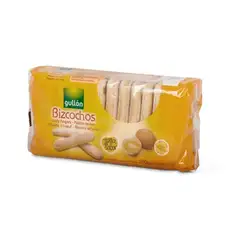 Gullon Pastries BiscuitRWF4,250
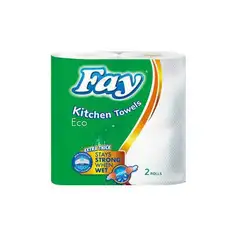
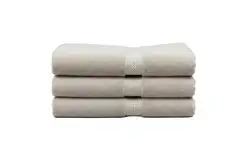
Hand towel
2Nice to haveA clean cloth near the cooker keeps you from grabbing hot handles with wet or bare hands.
How to use it: Keep it away from the flame. Wash it often.
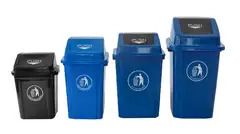
Waste bin
1Nice to haveCooking creates scraps and packaging. A bin with a lid keeps the kitchen clean and away from insects.
How to use it: Place it away from the cooker and empty it daily.
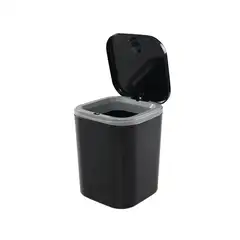 Trash Can Waste Bin 30LRWF55,000
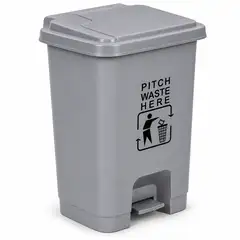 Trash can waste bin 30LRWF55,000

Kitchen basics to buy at the same time
You will want a few extras so the cooker becomes a working kitchen from day one.
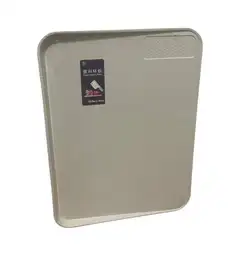
Chopping board
1 Must haveProtects your counter and makes preparing vegetables safer.
How to use it: Keep one side for raw meat and one for vegetables, and wash it well after use.
 Plastic Chopping BoardRWF13,800
Kitchen knife
1 Must haveA sharp, comfortable knife makes cooking faster and safer than a dull one.
How to use it: Cut on the board and store the knife where children cannot reach it.
Dish rack
1Nice to haveLets plates and pots drain and dry, so your kitchen stays tidy and free of pests.
How to use it: Place it near the sink on a tray or cloth so water does not run on the counter.
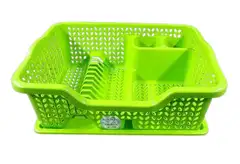 Kenstar elegant Kitchen Dish RackRWF20,700
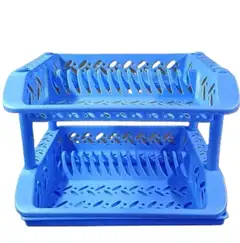 2in1 Kitchen Dish RackRWF15,000
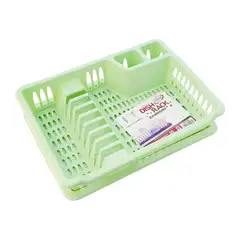 Housewares Series Kitchen Dish RackRWF11,500
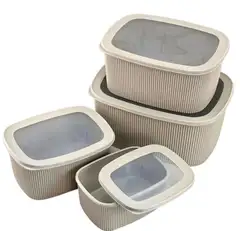
Storage boxes
3Nice to haveKeep rice, beans and flour dry and sealed, away from ants and moisture, especially in the rainy seasons.
How to use it: Label each box and keep them off the floor.
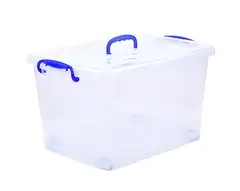 Storage Box 16LRWF23,000
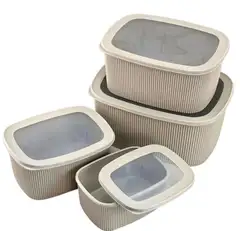 Kitchen storage boxes 4pcsRWF28,800


Step by step
- 1
Before you buy
Measure the space for the cooker and decide where the cylinder will stand. Ask your landlord if there are any rules about cylinders.
- 2
On purchase day
Buy the cylinder, regulator, hose and clips together. Ask the seller to connect them in front of you and to show you the valve.
- 3
Test for leaks
Apply soapy water to each joint and open the valve slowly. If bubbles appear, close the valve, open a window and fix the joint before cooking.
- 4
First meal
Light the burner, cook something simple like tea or rice, and keep the kitchen ventilated.
- 5
Every month
Check the hose for cracks, clean the burners and look at the regulator seal.
Tips that help
- Always keep the cylinder upright and outside the direct reach of the flame.
- Turn off the cylinder valve at night and whenever you leave the house.
- Keep the kitchen ventilated by opening a window or door while you cook.
- Use pot lids and keep flames small to make your gas last longer.
- Clean burners often so the flame stays blue and even.
- If you smell gas, do not switch lights on or off or use a flame. Open windows, close the valve and get fresh air.
- Ask your landlord where a cylinder may be stored, especially in apartments.
Mistakes to avoid
- Connecting the cooker straight to the cylinder without a regulator.
- Using an old, cracked or loose hose.
- Checking for leaks with a flame instead of soapy water.
- Keeping the cylinder under the cooker or in a closed cupboard.
- Leaving the cylinder valve open overnight.
- Using pots much bigger than the burner, which wastes gas and heats the knobs.
Questions people ask
What size gas cylinder should I buy in Kigali?+
It depends on how many people you cook for and how often. A smaller cylinder suits one or two people, and a larger one suits a family that cooks every day. Ask the seller what sizes they have in stock.
Do I really need a regulator?+
Yes. The regulator controls the gas pressure going to your cooker. Never connect a cooker directly to the cylinder valve.
How do I check for a gas leak?+
Brush soapy water on the joints and open the valve slowly. Bubbles show a leak. Never use a flame to test.
Where should I keep the cylinder?+
Keep it upright in a ventilated spot beside the cooker, away from direct heat. Check with your landlord for any house rules.
Can I use any pot on a gas cooker?+
Most flat-bottomed pots work. Pots that fit the burner size save gas, and lids help food cook faster.
What should I do if I smell gas?+
Close the cylinder valve, open windows and doors, and avoid switches and flames. Get fresh air and ask a technician to check the connection.
With the cylinder, regulator, hose, cooker and a few good pots, your first gas kitchen is ready to cook safely. Browse the list on Isokko and have everything delivered together.
Shop this list
Get everything delivered in Kigali
Order from local stores on Isokko and pay with MoMo, card or cash. Same-day delivery.