
Checklist · Holidays & seasons
Christmas at Home in Kigali: The Complete Checklist
A complete Christmas at home checklist for Kigali: the feast, baking, drinks, table, lights, gifts and backups for rain and power cuts, all in one list.
Updated November 16, 2026 · By Isokko
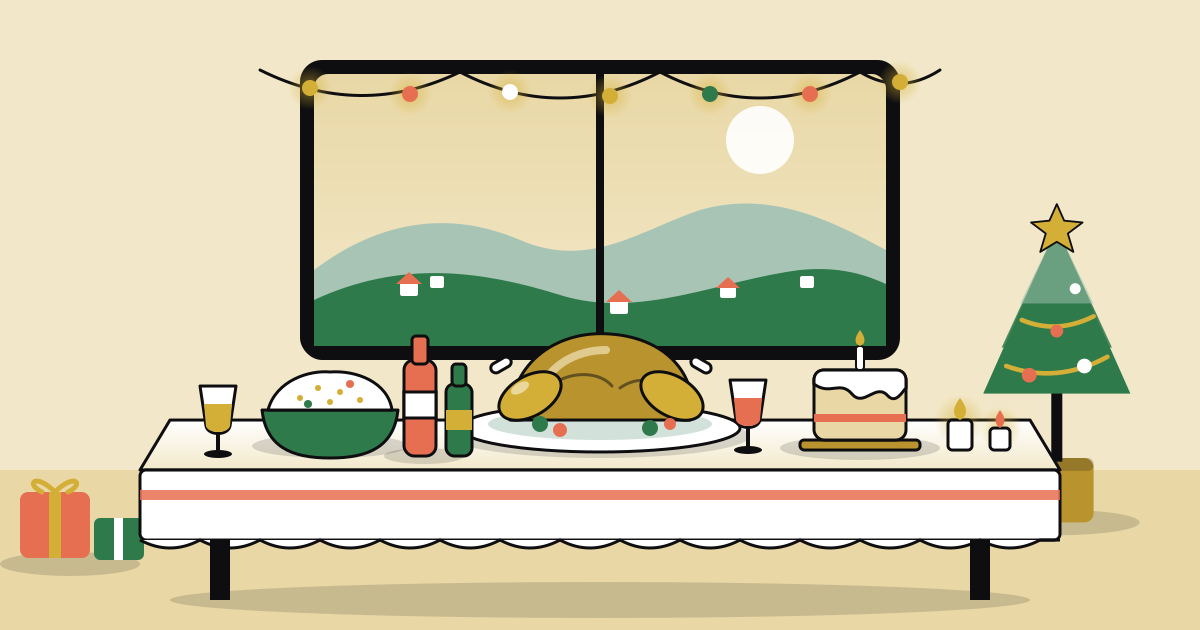
Christmas in Kigali is about a full table and a full house. Relatives come in from upcountry, friends drop by after church, and someone always brings one more guest. That is the joy of it, and it is also why the shopping list gets long fast.
This checklist keeps it calm. It covers the feast, the baking, the drinks, the table, the lights and the small gifts, plus the boring backups that save the day when the rain comes down or the power goes off in the middle of cooking.
December also falls in the short rainy season and shops get busy in the last week, so the trick is simple: buy what keeps early, and leave only the fresh things for the final days.
Who it's for
Anyone hosting family or friends for Christmas at home in Kigali, from a small apartment lunch to a full compound gathering
Time needed
Plan two weeks ahead, cook over Christmas Eve and Christmas morning
When to shop
Dry goods and drinks early in December, meat and fresh produce two or three days before
On the list
38 items, 25 must haves
0 of 38 ready
The main feast
Pick one or two centerpieces and build around them. A good Christmas table in Kigali usually has a roast or stewed meat, a rice dish, potatoes and plenty of vegetables.
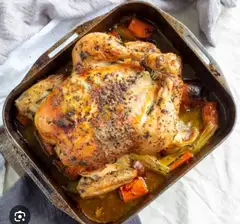
Whole chicken
2 to 3 Must haveA roast or grilled chicken is the easiest centerpiece to cook for a crowd and almost everyone eats it.
How to use it: Plan about one chicken for every four or five adults. Marinate it the night before in garlic, ginger, lemon and salt so the flavor goes deep.
Goat meat
2 to 4 kg Must haveGoat brochettes or a slow goat stew make it feel like a real celebration, and the meat holds up well when guests arrive late.
How to use it: Cut into cubes, marinate, and thread onto skewers for the grill, or stew it slowly with onions and tomatoes the day before. Stews taste better on day two.
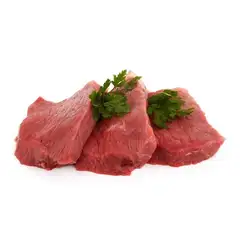
Beef for stew or roast
2 kgNice to haveBeef gives you a second main for guests who do not eat goat, and a stew stretches easily if more people come.
How to use it: Ask for stewing beef for a sauce, or fillet if you want a quick pan roast. Keep it in the fridge and cook within two days.


Basmati rice
5 kg Must havePilau or plain rice is the base that feeds everyone, including the guests who arrive after the meat is gone.
How to use it: One 5 kg bag covers a big gathering with leftovers. Rinse well and cook pilau in batches so the bottom does not burn.
Pilau masala
1 to 2 packets Must haveA good pilau spice mix turns plain rice into the dish people remember.
How to use it: Fry the masala with onions and garlic in oil before adding the rice and stock. Taste and add salt at the end.
Irish potatoes
5 to 10 kg Must haveFried, roasted or in a salad, potatoes are the side dish kids and grownups both reach for.
How to use it: Buy two or three days ahead and store in a dry, dark basket, not in plastic. Peel and keep in water if you prep early.
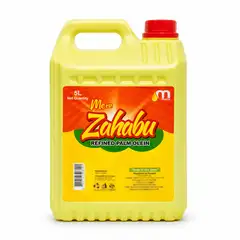
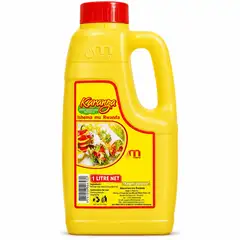
Cooking oil
3 to 5 litres Must haveHoliday cooking burns through oil, from frying potatoes to sambusa to pilau.
How to use it: Get a 3 to 5 litre bottle so you are not sending someone out on Christmas Eve. Strain and reuse frying oil only once or twice.














Vegetables and flavor
Fresh produce goes on the list last. Buy it two or three days before so it is still crisp on the day.
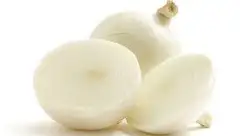
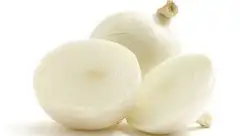
Onions
3 to 5 kg Must haveNearly every dish on the table starts with onions, so this is the item that runs out first.
How to use it: Buy more than you think, red for salads and kachumbari, white for cooking. Keep them dry and spread out.
Tomatoes
3 kg plus paste Must haveYou need them for stews, sauces and a fresh salad that cuts through rich meat.
How to use it: Get firm ones for salad and riper ones for sauce. Tomato paste is a handy backup for deep color.
 Everyday Tomatoes Ketchup 1kgRWF10,400
 TomatoesRWF2,000
Garlic and ginger
Several bulbs and a good piece of ginger Must haveThey are the backbone of every marinade, from the chicken to the goat brochettes.
How to use it: Blend a big batch with a little oil on Christmas Eve and keep it in a jar in the fridge for the whole weekend.
Carrots and green beans
2 kg of each Must haveBright vegetables make the plate look festive and balance all the meat and rice.
How to use it: Steam or stir-fry with a little butter and salt just before serving so they stay green and crunchy.
 Carrots 1kgRWF2,500
Bell peppers and coriander
1 kg peppers, 2 bunchesNice to haveColorful peppers and fresh dhania lift salads, rice and brochettes with almost no effort.
How to use it: Slice peppers onto skewers between the meat. Chop coriander at the last minute and scatter over rice and stews.









Christmas baking and sweets
A homemade cake is a Kigali Christmas tradition in many families. Buy the dry ingredients early, they keep for weeks.
Cake flour
2 kg Must haveCake flour gives a lighter, softer crumb than regular flour for the Christmas cake.
How to use it: Sift it with the baking powder before mixing. A 2 kg pack makes two or three good cakes.


Baking powder
1 small tin Must haveWithout it the cake comes out flat and heavy, and you cannot fix that after baking.
How to use it: Check the date and measure carefully. Old baking powder is the most common reason holiday cakes fail.
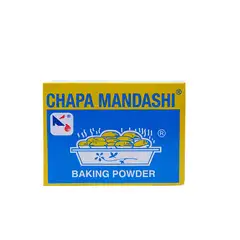 Chapa mandashi baking powderRWF1,000
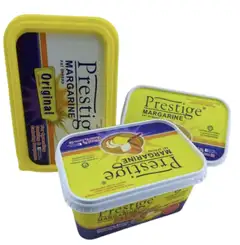
Margarine or butter
500 g to 1 kg Must haveFat gives the cake its richness and keeps it moist for a few days.
How to use it: Leave it out of the fridge for an hour so it creams easily with the sugar.
Eggs
1 to 2 trays Must haveYou need eggs for the cake, for breakfast on Christmas morning and for any visitors who stay over.
How to use it: A full tray goes fast over the holiday. Keep them cool and use the older ones for baking.
Sugar and icing sugar
2 kg sugar, 500 g icing sugar Must haveRegular sugar goes into the cake and tea, and icing sugar turns a plain cake into a Christmas one.
How to use it: Mix icing sugar with a few drops of water or milk and drizzle it over the cooled cake. Add vanilla for a better smell.
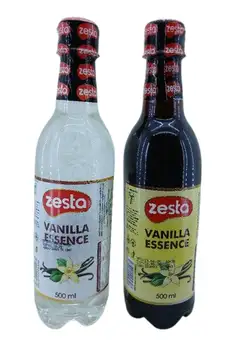
Vanilla essence and cocoa powder
1 bottle, 1 tinNice to haveA little vanilla makes cakes and biscuits smell like the holidays, and cocoa gives you a chocolate option for the kids.
How to use it: Use one teaspoon of vanilla per cake. Swap a few spoons of flour for cocoa to make a chocolate layer.
 Clovers Vanilla Essence 500mlRWF4,600
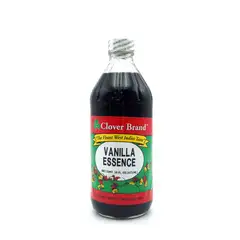 Clovers Vanilla EssenceRWF2,900








Drinks for everyone
Plan drinks by people, not by bottles. Count kids, adults who do not drink alcohol, and those who do.
Sodas
1 bottle per 2 or 3 guests Must haveFanta and Coke are the default for kids and for many adults at a Kigali gathering.
How to use it: Big 1.5 litre bottles are better value than small ones for a table. Chill them the night before.
 Fanta Citron Soft Drink 1.5LRWF3,000
 Fanta orange flavored drink 1.5LRWF3,000
 FANTA Citron 1.5LRWF3,000
Passion juice
4 to 6 litres Must haveLocal passion juice is a favorite and gives non-drinkers something special, not just water.
How to use it: Serve cold, or mix half juice and half sparkling water for a lighter punch.
Drinking water
2 to 4 bottles of 5 litres Must haveCooking and serving for a crowd uses more water than you expect, and you do not want to depend on the tap that day.
How to use it: Keep one or two 5 litre bottles in the kitchen for cooking and a few small bottles for guests.
 Nil mineral water 5LRWF4,500
 Inyange Mineral water 500mlRWF1,000
Wine
2 to 4 bottlesNice to haveA bottle of red or a sparkling wine makes the Christmas toast feel like an occasion.
How to use it: Sweet reds are popular with many guests in Kigali. Keep sparkling wine in the fridge and open it only for the toast.
 Gatao Red Wine 250mlRWF5,500
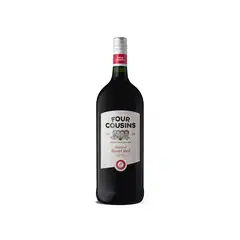 FOUR COUSINS Natural Sweet Red WINERWF31,000
 BASSO RED WINE VINEGAR 1LRWF8,500
Tea leaves
500 g Must haveChristmas morning, and the slow afternoon after lunch, need a pot of good Rwandan tea.
How to use it: Boil with milk and a little ginger for the classic cup. Keep a flask ready for late visitors.







The table and serving
You do not need a new dinner set. You need enough plates, glasses and serving dishes for the busiest hour.
Table cloth
1 to 2Nice to haveA fresh cloth instantly makes an everyday table look festive and protects it from spills.
How to use it: Pick one that can go straight into the wash. Red, white or gold works well for Christmas.
 Table cloth 140*220RWF28,000
 Table cloth 140*220RWF27,500
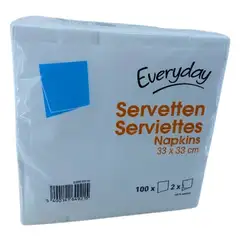
Serviettes
2 to 3 packs Must haveBrochettes, chicken and cake are messy, and guests always need more napkins than you put out.
How to use it: Put a stack on every table and another in the kitchen. Fold a few nicely for the main table.
 Boni Selection Serviettes 50pcsRWF9,500
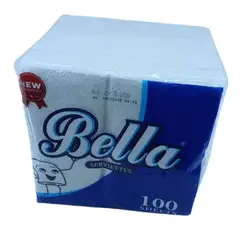 Bella White 100 ServiettesRWF1,800
Extra plates
As many as guests Must haveMost homes run out of plates when relatives arrive in waves through the afternoon.
How to use it: Borrow from neighbors, or buy a few melamine plates that survive kids. Paper plates are fine for the outdoor crowd.
 LL Dinner Plate 10412RWF9,450
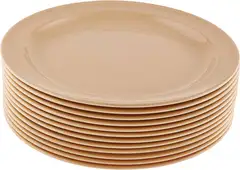 Melamine Dinner Plate 5192-10RWF12,750
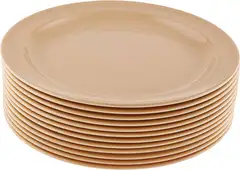 Melamine Dinner Plate 5202-10RWF16,150
Cups and glasses
2 per guest Must haveDrinks get set down and forgotten, so people take a new cup each time.
How to use it: Use real glasses for the main table and sturdy plastic cups for kids and the compound.
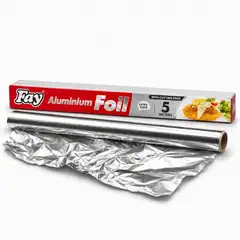
Aluminum foil
1 roll Must haveFoil keeps food warm while you wait for everyone to arrive, and wraps leftovers for guests to take home.
How to use it: Cover dishes as soon as they come off the fire. Line the roasting tray to make washing up easier.
 Velvex Aluminium Foil 90MRWF3,000
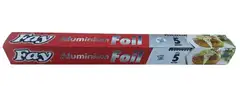 Fay Aluminium Foil 45*5 MetersRWF3,500
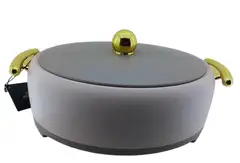
Food containers
4 to 6Nice to haveIn Kigali it is good manners to send relatives home with food, and leftovers keep better in sealed boxes.
How to use it: Stack a few reusable containers by the door so packing leftovers is quick at the end of the day.






Lights, decor and small gifts
A few lights and a small gift for each child go further than a big shopping trip.
Decorative lights
1 to 3 setsNice to haveWarm lights on a plant, a window or a doorway make the house feel like Christmas the moment guests walk in.
How to use it: Choose rechargeable or battery LED lights so the house still glows during a power cut. Keep them away from curtains.
 LED Light Multi FunctionRWF6,000
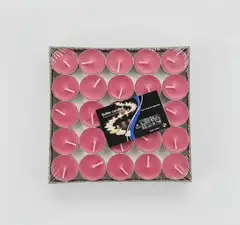
Candles
1 packNice to haveTealights on the table look beautiful and double as backup light if the power goes off at dinner.
How to use it: Put them in glass jars or small cups, never straight on the cloth, and blow them out before bed.


Gift bags
1 per giftNice to haveGift bags are faster than wrapping and you can reuse them next year.
How to use it: Buy a mix of sizes. Write names on a small tag so the kids get the right gift.
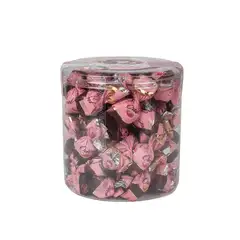
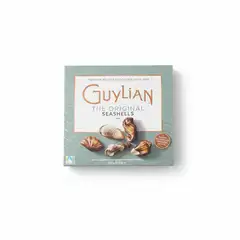
Sweets and chocolates
2 to 3 packsNice to haveA small bag of sweets is the easiest gift for children who visit, and a bowl on the table keeps little hands busy while lunch cooks.
How to use it: Keep chocolate in a cool place away from the sun. Hand out sweets after the meal, not before.





Backups for rain and power cuts
These are the things nobody thinks about until the moment they are needed.
Rechargeable torch
1 to 2 Must haveA power cut during evening cooking is stressful without a good light in the kitchen.
How to use it: Charge it fully on Christmas Eve and leave it on a shelf where everyone can find it.
 LED Rechargeable Power Torch 1WRWF5,000
 LED Rechargeable Power Torch 1WRWF7,500
 LED Rechargeable Power Torch 1WRWF10,000
Extension socket
1 to 2Nice to havePhones, speakers, lights and the blender all need a plug at the same time.
How to use it: Use one good multi socket per room and do not chain several together on one wall outlet.
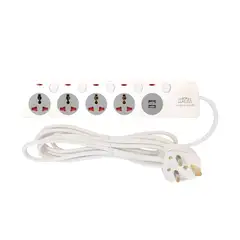 Simba Extension Socket 5 wayRWF23,050
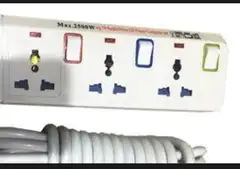 Kidris Multi socket (3 ways)RWF9,600
 Kadris Multi socket (6 ways)RWF13,200
Umbrellas
2 to 3Nice to haveDecember rain can arrive just as guests leave, and a spare umbrella by the door is a kind gesture.
How to use it: Keep two or three at the entrance and walk older relatives to their car or moto.
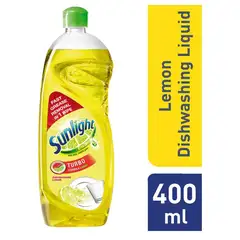
Dish soap and sponges
1 large bottle, 3 sponges Must haveThe washing up after a Christmas lunch is huge, and running out of soap halfway is miserable.
How to use it: Fill a basin with hot soapy water while you cook and wash as you go.
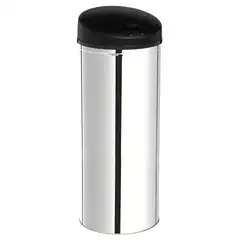
Garbage bin
1Nice to haveBones, bottles and wrapping paper pile up fast and attract flies if left out.
How to use it: Set an extra bin outside for the day and tie the bags before evening.







Step by step
- 1
Two weeks before
Count your guests, choose your main dishes and buy everything dry: rice, flour, sugar, oil, spices, drinks, serviettes, foil and gifts. Check your gas cylinder and refill it if it is below half.
- 2
One week before
Wash the table cloths, test the lights, charge the torch and borrow any extra plates or chairs from neighbors. Make a simple cooking timetable for Christmas Eve and Christmas Day.
- 3
Two or three days before
Order meat, chicken, eggs, vegetables and fruit so they arrive fresh. Chill drinks in batches and clear fridge space for the meat.
- 4
Christmas Eve
Marinate the meat, blend garlic and ginger, bake the cake, cook any stew that tastes better the next day and peel the potatoes into water.
- 5
Christmas Day
Start the rice and grill early, set the table before church or before guests arrive, keep finished food under foil and enjoy the people around you.
Tips that help
- Stews, sauces and cakes can all be made the day before, which leaves Christmas Day for grilling and rice.
- Order meat for delivery a couple of days early. The last morning before Christmas is the busiest time to find what you want.
- Freeze some ice in bottles or bags the day before. Fridge space is always short on the day.
- Give one teenager or cousin a clear job, like drinks or the grill. Hosts who try to do everything never sit down.
- Keep a small bag of sweets and a few spare gift bags ready for unexpected children.
- Check your gas cylinder early. Running out halfway through the pilau is the classic Christmas emergency.
Mistakes to avoid
- Buying all the fresh produce a week early. Tomatoes and greens will not survive until the big day.
- Forgetting drinks for non-drinkers. Juice and soda run out before anything else.
- Cooking everything on Christmas morning. Spread the work over Christmas Eve.
- Not planning for a power cut or rain. A torch and a couple of umbrellas cost little and save the evening.
- Leaving no fridge space for meat delivered the day before.
Questions people ask
How much meat do I need for Christmas lunch?+
A simple guide is about 300 to 400 grams of raw meat per adult when there are also rice, potatoes and other sides. Add a little extra if many relatives are coming, since leftovers are always welcome the next day.
What is a typical Christmas meal in Kigali?+
Many families serve chicken or goat, often as brochettes or stew, with pilau or rice, fried or roasted potatoes, vegetables, salad, and sometimes a homemade cake. Every family has its own traditions, so build the list around the dishes your guests love.
When should I buy Christmas food in Kigali?+
Buy dry goods, drinks and decorations early in December. Order meat, eggs and fresh produce two or three days before Christmas so they arrive fresh and you avoid the busiest last-minute rush.
Can I get Christmas groceries delivered in Kigali?+
Yes. You can order the items on this checklist on Isokko and have them delivered to your home by moto, which saves carrying heavy bags of rice, drinks and gas up the hill.
How do I keep food warm until everyone arrives?+
Cover dishes with foil as soon as they are cooked and keep them in a warm spot, or on a very low fire for stews. Insulated food containers and flasks also help with tea and rice.
Christmas at home does not need to be perfect, it needs to be warm and well stocked. Work through this checklist over the next two weeks, buy early what keeps, leave the fresh things for last, and you will spend more of Christmas Day at the table with your people. Shop the whole list on Isokko and have it delivered to your door.
Shop this list
Get everything delivered in Kigali
Order from local stores on Isokko and pay with MoMo, card or cash. Same-day delivery.