
Checklist · Travel & outings
Cycling the Congo Nile Trail Along Lake Kivu: What to Pack
A practical packing and shopping checklist for cycling the Congo Nile Trail along Lake Kivu: hydration, repair kit, sun and rain gear and food for the road.
Updated November 18, 2026 · By Isokko
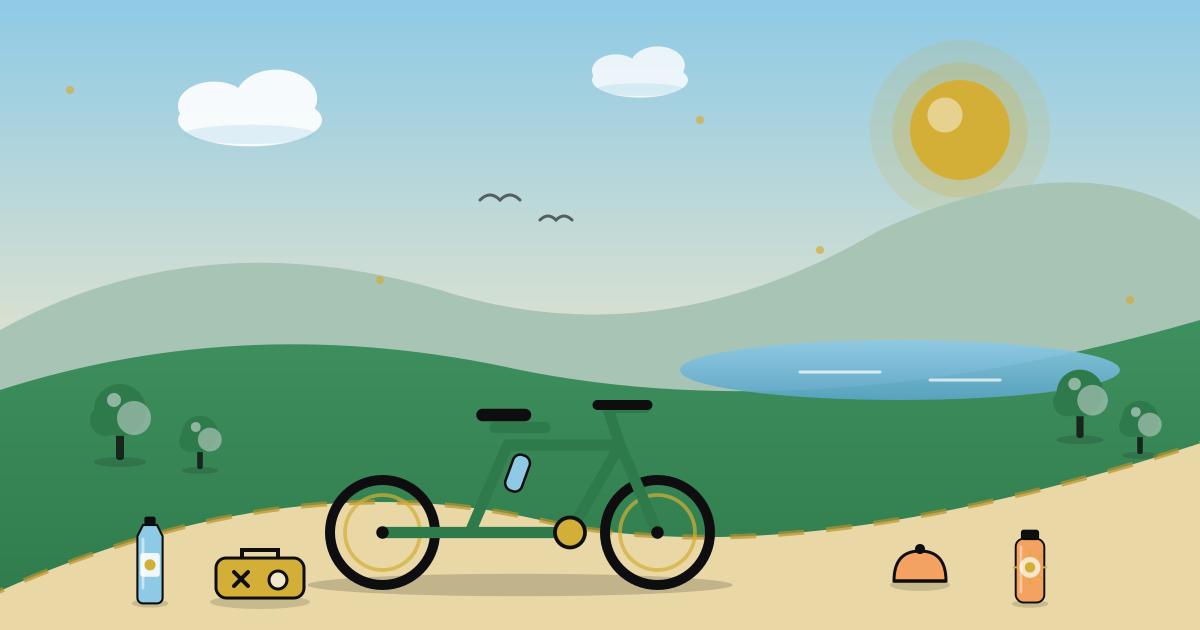
The Congo Nile Trail follows the hills above Lake Kivu. Expect climbs, dust, strong sun and rain showers. The views are worth it, but you must be ready for long stretches between shops.
This checklist covers your bike kit, water and food, sun and rain gear, and a basic first aid and repair setup. Ask your tour company or hosts what is provided and what is not.
Test everything before you go, then shop the rest on Isokko.
Who it's for
Cyclists planning a day or a multi day ride on the Congo Nile Trail
Time needed
Prepare 1 to 2 weeks ahead, buy food 1 day before
When to shop
Test bike gear early, so you can fix problems before the trip
On the list
36 items, 19 must haves
0 of 36 ready
Bike and repair kit
Check your bike a week ahead. Carry a few spares for roadside fixes.
Bike lock
1 Must haveYou will stop for lunch and sightseeing. A lock protects your bike.
How to use it: Lock the frame to something fixed, not just the wheel.
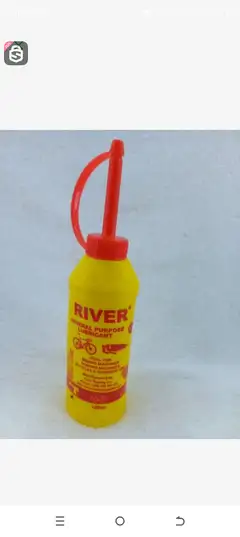
Chain lubricant
1 small bottle Must haveDust and rain dry out the chain. A dry chain wears faster and is noisy.
How to use it: Wipe the chain with a cloth first, then apply a small amount.
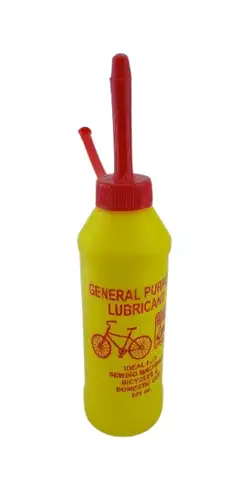 General Purpose Lubricant 125mlRWF1,800
 WD-40 Lubricant 300mlRWF21,500
Spare inner tube
1 to 2 Must havePunctures are the most common problem.
How to use it: Check that the size matches your wheels.
Bike pump
1 Must haveYou need a way to fill a tire after a fix.
How to use it: Practice before the trip.
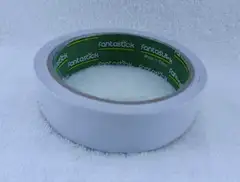
Tape
1 rollNice to haveUseful for quick fixes on bags, bottles or tools.
How to use it: Wrap a few meters around a pen to save space.
Cleaning cloths
2 to 3Nice to haveWipe your chain, hands and seat.
How to use it: Keep a clean one in your bag.
 Fangcao Cleaning Cloth 5 PiecesRWF4,350
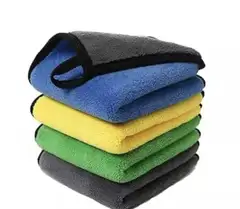 Microfiber Cleaning ClothRWF3,800
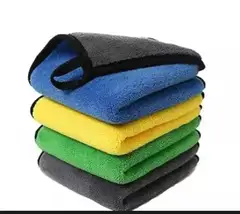 Microfiber Cleaning ClothRWF2,500
Bike lights
1 front, 1 rearNice to haveFor tunnels, rain or dim light near sunset.
How to use it: Check the batteries.
Helmet
1 Must haveIt protects your head on rough, downhill sections.
How to use it: It must fit snugly. Check with the tour company if one is provided.

Water and energy
Hills and heat make you drink and eat more than you expect.
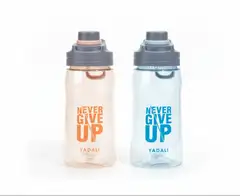
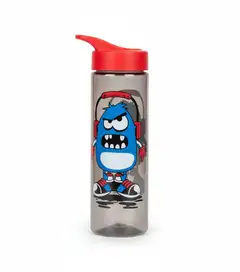
Water bottle
2 Must haveYou need water within reach while you ride.
How to use it: Carry two if there is room.
Bottled water
1 to 2 litres per person per day Must haveRefill bottles at stops where you trust the water.
How to use it: Buy a larger one for the lodge.
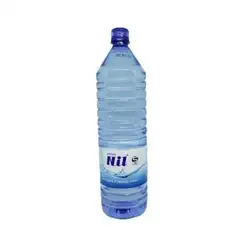
 Nil Mineral Water 5LRWF4,500
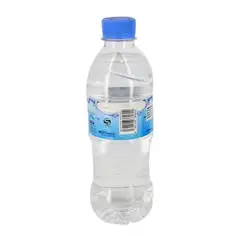 Inyange Mineral Water 500mlRWF1,000
Energy drink
1 to 2Nice to haveA small boost on a long climb. Do not rely on it alone.
How to use it: Drink after water, not instead of it.
 Red Bull Energy Drink 250mlRWF4,500
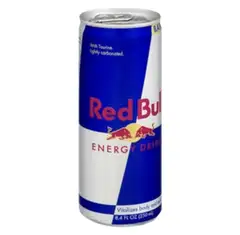 Red Bull Energy Drink 250mlRWF4,000
Glucose biscuits
2 packs Must haveQuick energy in a pocket.
How to use it: Keep in a bag so they do not crush.
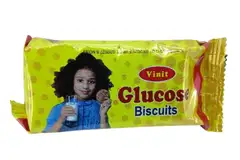 Vinit Glucose biscuits 44grRWF1,000
 Excel Pure Glucose Powder 250grRWF4,100
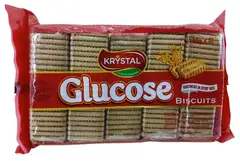 Krystal Glucose Biscuits 190g*5RWF7,500
Dates
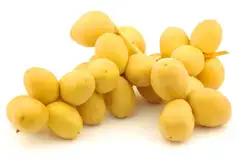
1 packNice to haveSweet and easy to carry.
How to use it: Keep a handful in your jersey pocket.
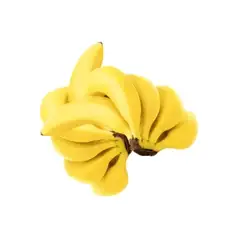
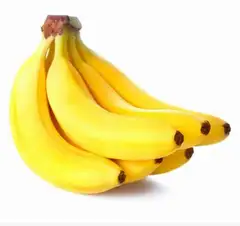
Bananas
3 to 4Nice to haveEasy to eat on the move.
How to use it: Eat at stops, not while riding downhill.
Peanuts and cashews
1 packNice to haveLasting snack for long stretches.
How to use it: Pack in a small container.
 Kibembe Roasted Cashew Nuts 270gRWF10,500
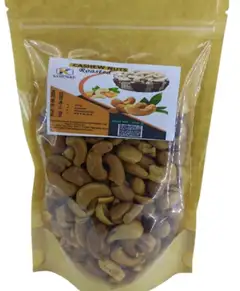 Kibembe Roasted Cashew Nuts 500gRWF11,000
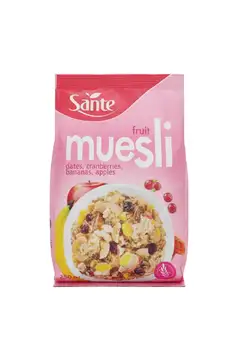
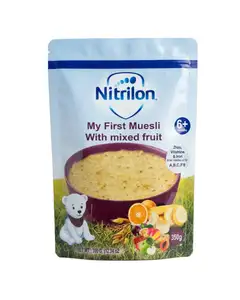
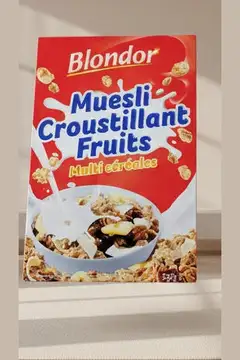
Muesli or granola bars
2 to 3Nice to haveLight and filling for the day.
How to use it: Keep one in your bag for emergencies.






Sun and weather gear
You can see sun and rain in the same day.
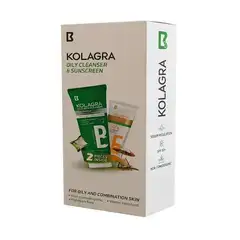
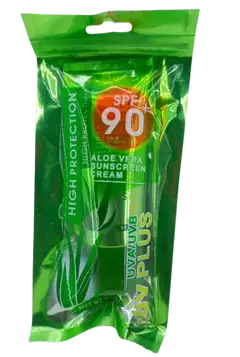
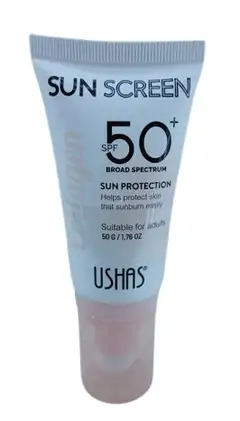
Sunscreen
1 Must haveYou ride in the open for hours.
How to use it: Reapply at lunch.
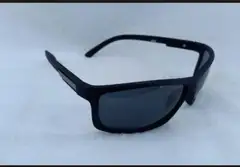
Sunglasses
1 Must haveThey shield eyes from dust, insects and sun.
How to use it: Wear clear lenses if you ride at dusk.
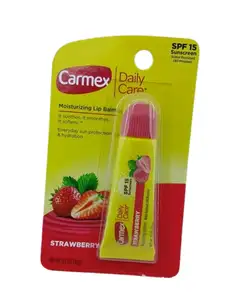
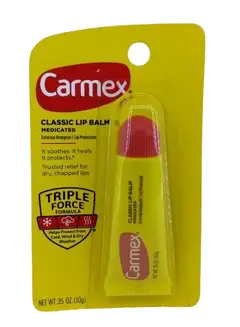
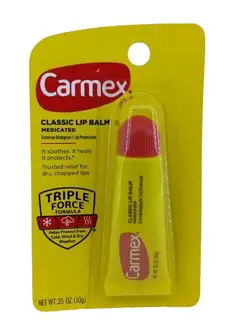
Lip balm
1Nice to haveWind and dust dry lips.
How to use it: Keep it in a pocket.
Rain coat
1 Must haveShowers can arrive quickly, mostly in the rainy seasons.
How to use it: Carry it rolled in your bag.
 Rain CoatRWF20,700
Cycling gloves
1 pairNice to haveThey reduce hand pain and protect in a fall.
How to use it: Choose padded ones if possible.
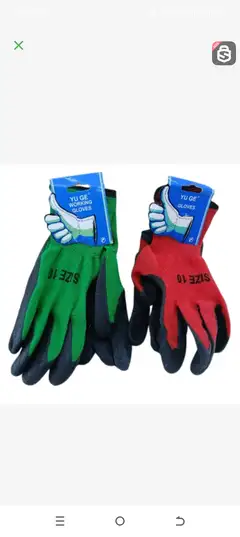 Yu Ge Cycling GlovesRWF3,000
Light jacket
1Nice to haveHigher parts can be cool, and descents feel colder.
How to use it: Wear it over a shirt when you stop.




Clothes and bags
Pack light so the bike is easy to handle.
T-shirts
2 Must haveQuick dry clothes feel best on a hot ride.
How to use it: Pack 2 so one can dry.
Shorts
2Nice to haveComfortable and cool on the bike.
How to use it: Padded shorts are more comfortable on long rides.
Socks
1 pair per day Must haveDry socks prevent blisters.
How to use it: Take one pair per day.
Zip bags
3 to 5 Must haveKeep clothes and your phone dry in the bag.
How to use it: Use a clear bag so you see what is inside.
Small towel
1Nice to haveWipe off sweat and rain at stops.
How to use it: A small one is enough.
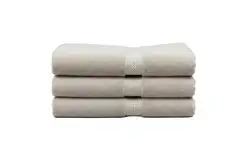 Plush Bath Mat Towel 100x100cmRWF15,000
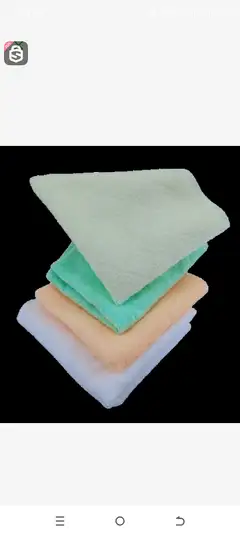 Small TowelRWF1,500


First aid and hygiene
You may be far from a pharmacy.
First aid kit
1 Must haveFalls and scrapes are common on rough roads.
How to use it: Know what is inside. For any health concern, ask a doctor or pharmacist.
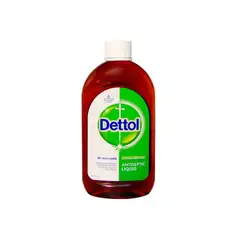
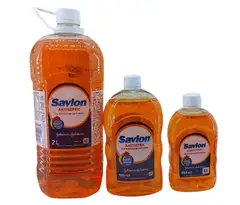
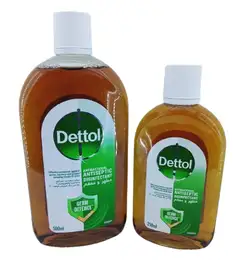
Antiseptic liquid
1 small bottle Must haveClean scrapes after a fall.
How to use it: Rinse with clean water first.
Vaseline
1 small tubNice to haveHelps reduce rubbing and chafing on long rides.
How to use it: Apply before you start.
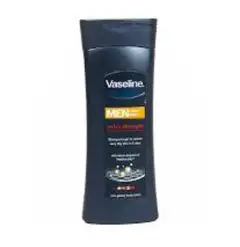 Vaseline Men Body Lotion 400mlRWF8,000
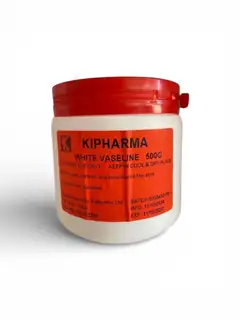 Kipharma White Vaseline 500gRWF10,000
 Doctor's Medical Vaseline 500mlRWF8,650
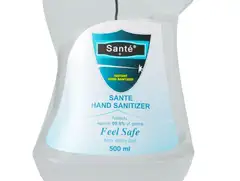
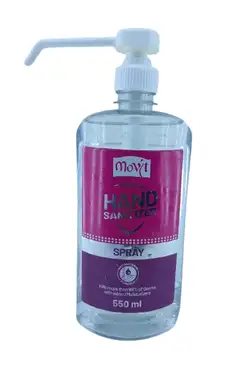
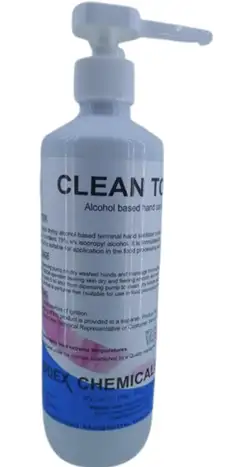
Hand sanitizer
1 Must haveClean hands before eating, most of all after fixing your bike.
How to use it: Use after repairs.
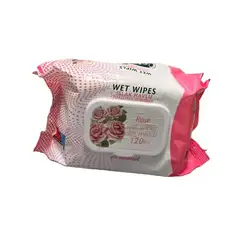
Wet wipes
1 packNice to haveClean up after a dusty ride.
How to use it: Keep in a small bag.
Mosquito repellent
1Nice to haveEvenings by the lake bring mosquitoes.
How to use it: Use as the label says.




Power and light
Keep phones and lights working.
Power bank
1 Must haveYour phone is your map, camera and MoMo wallet.
How to use it: Charge fully the night before.
 Depin Power Bank 12W 20000mAhRWF30,000
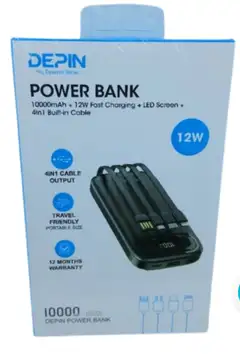 Depin Power Bank 12W 10000mAhRWF35,000
 Depin Power Bank 12W 3000mAhRWF28,750
Torch
1 Must haveFor early starts or late arrivals.
How to use it: Check the batteries.
 LED Rechargeable Power Torch 1WRWF5,000
 LED Rechargeable Power Torch 1WRWF7,500
 LED Rechargeable Power Torch 1W BigRWF10,000
Spare batteries
1 packNice to haveLights and torches need power.
How to use it: Match what your gear uses.
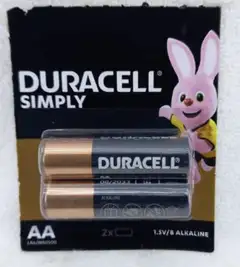
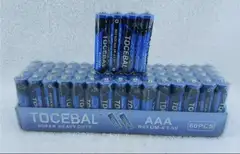
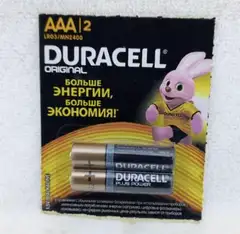 Duracell Original AAA2 BatteriesRWF2,000
Step by step
- 1
Two weeks before
Service your bike, test brakes and gears and buy repair items.
- 2
One week before
Do a test ride with your full bag. Fix what rubs or rattles.
- 3
Two days before
Pack clothes in zip bags. Charge your power bank and lights.
- 4
The day before
Buy water, glucose biscuits and fruit. Check the weather.
- 5
On the trail
Drink often, eat small snacks, apply sunscreen and stop when you feel tired.
Tips that help
- Drink small amounts often, and do not wait until you feel thirsty.
- Start early to avoid midday heat and afternoon rain.
- Do a test ride with a full bag before the trip.
- Keep your repair kit where you can reach it.
- Wear bright colors so drivers can see you.
- Learn to fix a puncture at home first.
Mistakes to avoid
- Starting without testing your bike.
- Packing too much and making the bike heavy.
- Forgetting spare tubes and a pump.
- Not carrying enough water for the long climbs.
- Skipping sunscreen because the air feels cool.
Questions people ask
What should I pack for the Congo Nile Trail?+
Bring repair items, water, snacks, sun and rain gear, a first aid kit and a power bank. Ask your hosts what they provide.
How much water do I need?+
Carry at least two bottles on the bike and refill at stops. You will drink more on hills and in heat.
Do I need a repair kit?+
Yes. At minimum carry a spare tube, a pump and tape. Learn to fix a puncture before you go.
Is it okay to ride in the rain?+
You can, with a rain coat and care. Slow down on wet or muddy roads and brake early.
What snacks are best for cycling?+
Easy snacks such as bananas, dates, nuts and biscuits work well. Eat small amounts often.
The trail rewards riders who are prepared. Shop this list on Isokko, get it delivered in Kigali and enjoy the ride along Lake Kivu.
Shop this list
Get everything delivered in Kigali
Order from local stores on Isokko and pay with MoMo, card or cash. Same-day delivery.