
Checklist · Sports & fitness
Hiking Fitness Training Before a Gorilla Trek: What to Buy
Get trek ready in 4 to 6 weeks. A simple hiking fitness plan for a gorilla trek and the training gear and snacks to buy in Kigali.
Updated November 24, 2026 · By Isokko

A gorilla trek can mean steep slopes, mud, thick plants and thin air. Some treks are short and some last hours. You cannot know in advance, so the best plan is to arrive with strong legs and comfortable feet.
Kigali is a great place to train. The hills are everywhere, the stairs are free, and you can build a small kit at home for very little. This checklist gives you training tools, gear to break in, snacks and skin care, so nothing is new on trek day.
Talk to your doctor first if you have a health condition. Ask your tour operator for the exact packing rules for your trek, and use this list to cover the rest.
Who it's for
Anyone with a gorilla trek booked who wants to feel strong on steep, muddy ground
Time needed
Train 3 to 4 times a week for 4 to 6 weeks
When to shop
Buy boots first so you can break them in, then the rest over the next 2 weeks
On the list
29 items, 11 must haves
0 of 29 ready
Training tools
Simple kit that builds leg strength and breathing power at home.
Resistance bands
1 set Must haveStrong hips and thighs protect your knees on steep climbs and downhills.
How to use it: Loop a band above your knees and do side steps and squats. Start with 2 sets of 12.
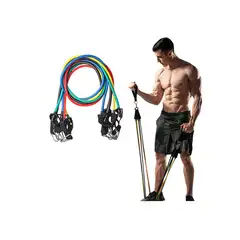 Resistance BandsRWF33,000
Skipping rope
1 Must haveSkipping builds the breathing fitness you need on long climbs, and it fits in a small space.
How to use it: Start with 1 minute on, 1 minute off, 5 rounds. Skip on a flat, firm floor.
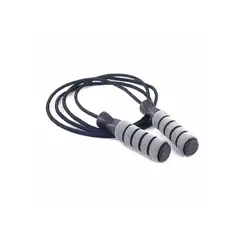 Skipping RopeRWF5,500
 Jump RopeRWF3,000
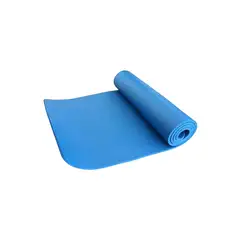
Yoga mat
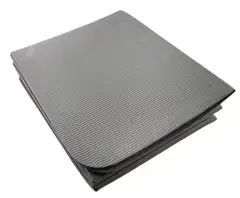
1Nice to haveA mat makes floor work like planks, lunges and stretching comfortable at home.
How to use it: Finish each session with 5 minutes of calf, hamstring and hip stretches.
Small towel
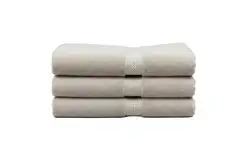
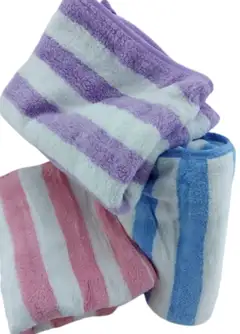
1 to 2Nice to haveYou will sweat on stair sessions and hill walks. A towel keeps your face and hands dry.
How to use it: Keep one in your training bag and wash it after each use.
Weightlifting gloves
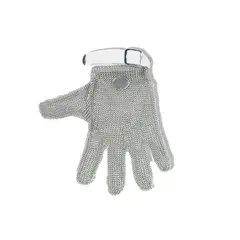
1 pairNice to haveIf you add weights or carry a loaded bag, gloves protect your hands from blisters.
How to use it: Use them for bag carries and step ups. Skip them for walking.
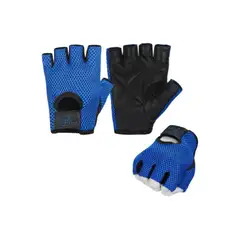 Weightlifting GlovesRWF30,000
 Latex Examination Gloves 100 PiecesRWF16,000


Footwear and clothes to break in
Never wear new shoes on trek day. Wear everything in training first.
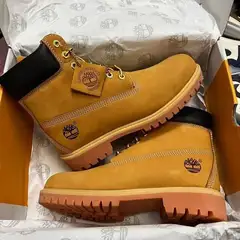
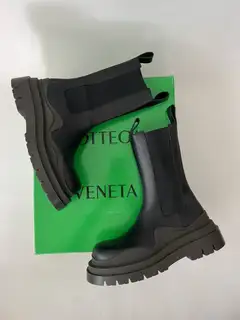
Sturdy waterproof hiking boots
1 pair Must haveMuddy, slippery trails are hard on thin shoes. Boots with grip and ankle support help you stay steady.
How to use it: Buy them a few weeks early. Wear them on every long walk until they feel like your own shoes.
Rain jacket or poncho
1 Must haveRain can arrive at any time of year in the hills. Wet and cold makes a hike much harder.
How to use it: Test it on a rainy training walk. Check that it keeps water out and lets you move your arms.
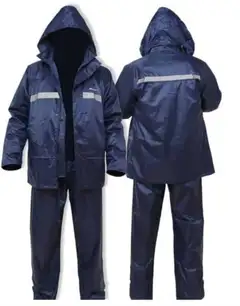 Rain CoatRWF20,700
Wide brim hat or cap
1Nice to haveIt shades your face during the climb and keeps light rain off your eyes.
How to use it: Pick one with a strap or a snug fit so wind does not take it.




Carry and drink
Practice carrying a light pack and drinking enough water.
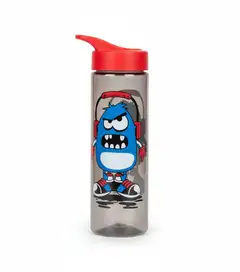
Reusable water bottle
1 to 2 Must haveClimbing in humid air makes you thirsty. A refillable bottle saves money and plastic.
How to use it: Sip often instead of drinking a lot at once. Practice with the bottle in your pack.


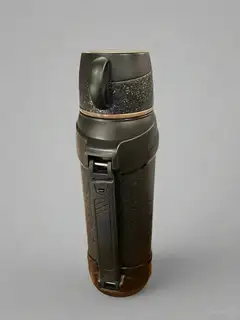
Thermos flask
1Nice to haveA flask keeps tea or warm water hot for early cold mornings in the hills.
How to use it: Fill it before you leave home. Close the lid tightly in your bag.
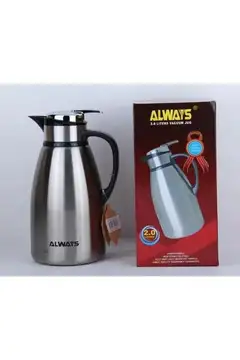 Unbreakable Silver Pressing FlaskRWF12,000
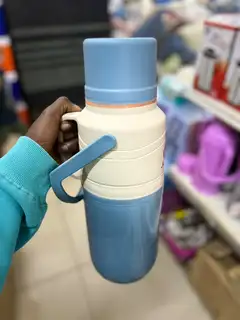 Sky Blue Large Thermal Flask 3LRWF18,000
Drinking water 5L
1 to 2 Must haveYou will drink more during training than you expect. Keeping water at home makes it easy to refill.
How to use it: Keep a 5 litre bottle in the kitchen and refill your bottle before each session.
Walking stick
1Nice to haveA stick helps on slippery, steep ground and takes pressure off knees on the way down.
How to use it: Ask your guide or operator if sticks are provided before buying one. If you buy, practice with it.


Trail snacks and fuel
Simple snacks that give steady energy on a long walk.
Bananas
3 to 4 Must haveEasy to carry and easy to eat when you are tired.
How to use it: Pack a few in a hard box so they do not get squashed.
Roasted peanuts
1 small pack Must haveThey are light, filling and common in Kigali shops.
How to use it: Carry a small bag and eat a handful at breaks. Skip them if you have a nut allergy.
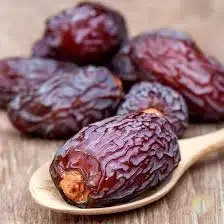
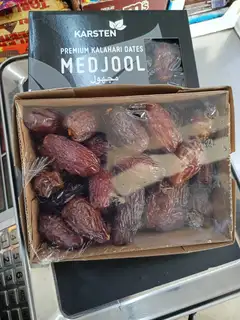
Dates
1 packNice to haveDates are sweet, small and quick to eat.
How to use it: Keep a few in a pocket for when you slow down.
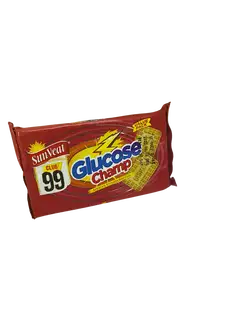
Glucose biscuits
1 to 2 packsNice to havePlain biscuits are easy on the stomach and easy to pack.
How to use it: Eat a few at each break with water.
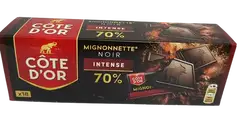
Chocolate
2 to 3Nice to haveA small treat gives you a mood boost on a tough hill.
How to use it: Take small bars. They melt in warm weather, so keep them in the middle of your pack.
 Snickers Chocolate BarRWF1,500
 Vital Chocolate Spread 450gRWF6,000
Honey
1 small jarNice to haveA spoon of honey is a simple natural sweet snack.
How to use it: Carry a small container or squeeze bottle in your pack.
Oats for breakfast
1 packNice to haveA bowl of oats before a long training day keeps you full.
How to use it: Cook with water or milk and eat 1 to 2 hours before you start.









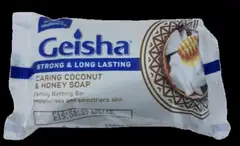





Skin and body care
Protect your skin and feet from sun, rubbing and insects.
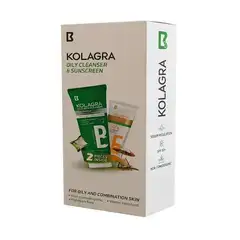
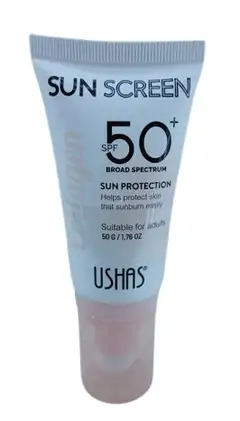
Sunscreen
1 Must haveEven on cloudy mornings, high hills mean strong sun on face, neck and hands.
How to use it: Put it on before you start and again after sweating. Test on your skin before trek day.
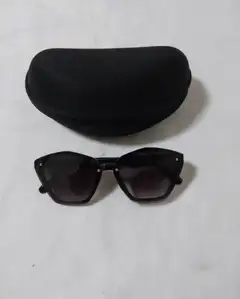
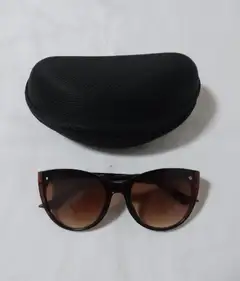
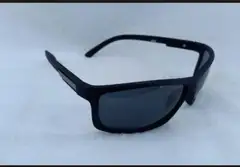
Sunglasses
1Nice to haveThey cut glare in open areas and protect your eyes from branches.
How to use it: Choose a pair that stays on your face when you move quickly.
Petroleum jelly
1 small tubNice to haveA thin layer on heels and thighs can reduce rubbing on long walks.
How to use it: Apply to clean, dry skin before you put on socks.
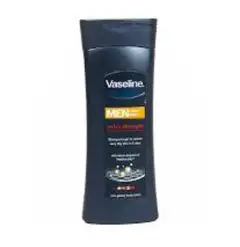 Vaseline Men Body Lotion 400mlRWF8,000
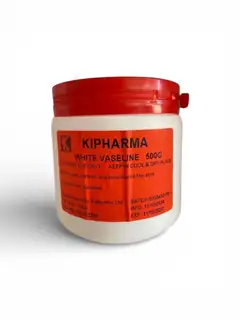 Kipharma White Vaseline 500gRWF10,700
 Doctor's Medical Vaseline 500mlRWF9,200
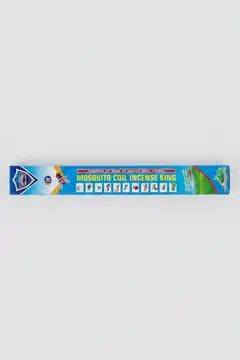
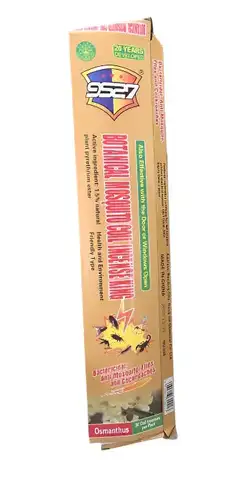
Mosquito repellent
1Nice to haveEvenings and early mornings can bring insects. Ask your operator which protection is advised.
How to use it: Pick a type that is safe for your skin and test it before you travel.
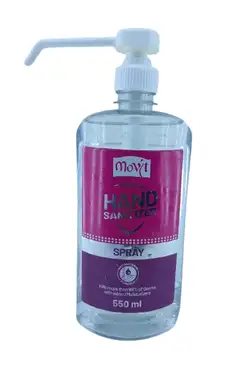
Hand sanitizer
1 small bottle Must haveTrails have no sinks, and you will touch plants, sticks and food.
How to use it: Carry a small bottle and use it before you eat.
Plasters and a small first aid kit
1 kit Must haveBlisters and scratches are common. Treat them early so they do not get worse.
How to use it: Put a few plasters, antiseptic wipes and pain tablets in a small pouch. Ask a pharmacist for advice.
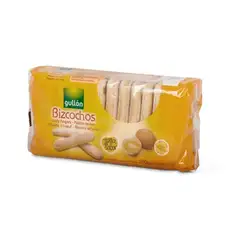 Gullon Pastries BiscuitsRWF4,250




Recovery after training
Rest well so your legs can get stronger.
Foam roller
1Nice to haveRolling tired legs can feel good after long sessions.
How to use it: Roll slowly for 30 seconds on each calf and thigh. Do not roll over sore joints.
Protein powder
1 tubNice to haveSome people use it to help meet protein needs on heavy training weeks. Food comes first.
How to use it: Read the label and follow it. Ask a doctor if you have kidney or health problems.
Sports drink
1Nice to haveOn long, hot sessions you lose salts as well as water.
How to use it: Use only when training for more than an hour. Water is fine for shorter walks.
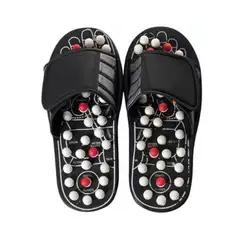
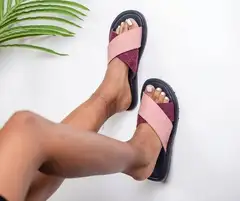
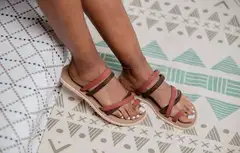
Comfortable sandals
1 pairNice to haveYour feet will want air after hours in boots.
How to use it: Keep a pair by the door and put them on after each long walk.






Step by step
- 1
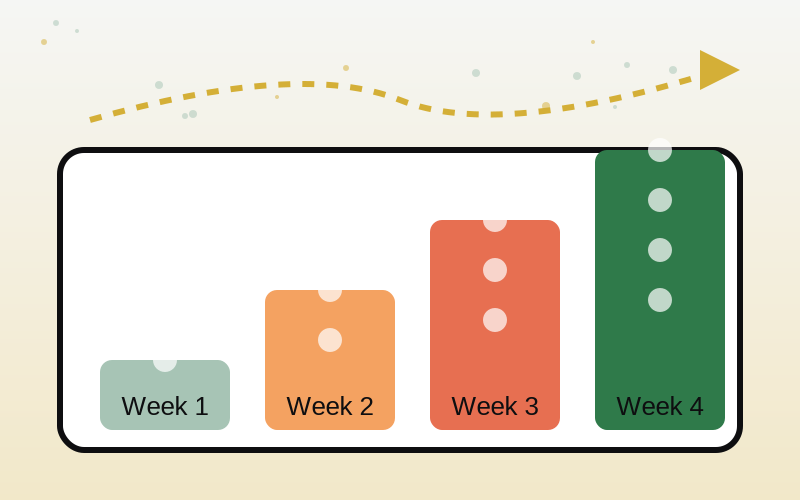
Week 1
Walk 30 minutes on hills three times. Buy boots, socks and a rain jacket.
- 2
Week 2
Add stairs, squats with a band and one 60 minute walk.
- 3
Week 3
Wear boots and a light pack on a 90 minute hill walk.
- 4
Week 4
Do your longest walk with the full pack. Practice snacks and water.
- 5
Last week
Walk easy, rest more, pack your bag and check your boots.
Tips that help
- Train on the steepest hill near you. Kigali has plenty.
- Wear your boots and socks on every long walk before the trek.
- Practice drinking and snacking while you walk, not only at rest stops.
- Use a light pack in training so your shoulders are ready.
- Add rest days. Muscles get stronger when you rest.
- Walk downhill slowly. Going down is hard on knees.
- Ask your tour operator for the exact rules and gear advice for your trek.
- If you feel sharp pain, dizziness or chest pain, stop and see a doctor.
Mistakes to avoid
- Wearing new boots for the first time on trek day.
- Training only on flat roads or a treadmill.
- Starting hard in the last week instead of building slowly.
- Carrying too much in your pack on the trek.
- Skipping water and snacks because you do not feel hungry yet.
Questions people ask
How fit do I need to be for a gorilla trek?+
Treks can be short or long, easy or steep, and you will not know until the day. A good level of walking fitness helps. Aim to comfortably walk 2 to 3 hours on hills.
How long should I train before a gorilla trek?+
Four to six weeks of regular walks and leg work is a sensible start for most healthy adults. If you are very new to exercise, start earlier and ask your doctor.
Do I need hiking boots?+
Boots with good grip and ankle support are strongly advised because trails can be muddy and slippery. Ask your tour operator for their advice, and break boots in before the trek.
Can I train at home without a gym?+
Yes. Stairs, hill walks, squats, lunges and a skipping rope are enough. A resistance band adds more challenge.
What snacks should I take?+
Choose light, simple foods like bananas, peanuts, dates and biscuits. Test them in training so your stomach is used to them.
Should I see a doctor before training?
With a few weeks of steady training and gear you trust, trek day will feel exciting instead of scary. Shop your training tools, snacks and skin care on Isokko and get delivery in Kigali.
Shop this list
Get everything delivered in Kigali
Order from local stores on Isokko and pay with MoMo, card or cash. Same-day delivery.