
Checklist · Parties & celebrations
Hosting a Gusaba: What the Hosting Family Needs to Buy
A practical gusaba checklist for the hosting family in Kigali: drinks, seating, decor, food, tea and guest comfort, so the introduction ceremony runs smoothly.
Updated November 15, 2026 · By Isokko
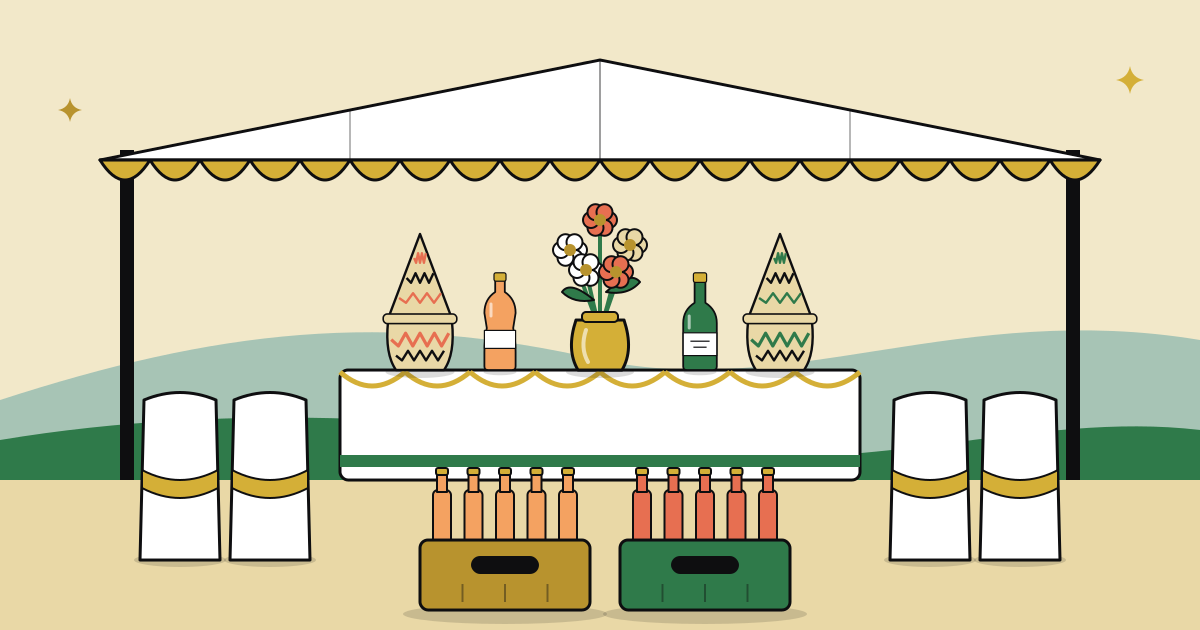
A gusaba is one of the most meaningful days in a Rwandan family's life. The groom's family comes to formally ask for the bride's hand, and the hosting family welcomes them with respect, warmth and generosity. Every family does it a little differently, and the details of the program, the speeches, the inkwano and any gifts are decided between the two families. Follow your families' agreement on all of that.
What every hosting family shares is the practical work: making sure guests are seated, served and comfortable from the moment they arrive. This checklist covers the shopping side of hosting: drinks, tea for elders, food, seating, decor and the small comfort items that are easy to forget. Use it alongside whatever your family elders and your event organizer have planned.
Who it's for
The family hosting a gusaba in Kigali, usually the bride's family, and the relatives helping them prepare
Time needed
Start 4 to 6 weeks before, with the final shopping in the last week
When to shop
Order drinks and dry goods 1 to 2 weeks ahead in bulk, and fresh food, ice and flowers 1 to 2 days before
On the list
31 items, 21 must haves
0 of 31 ready
Drinks for guests
Drinks are central to welcoming the visiting family. Agree with your family on what will be served, how much, and who serves. If alcohol is served, offer plenty of alternatives and encourage guests to drink responsibly.
Soft drinks
2 or more per guest Must haveSoda is served to almost every guest, from children to elders, and it is the drink you are most likely to run short of.
How to use it: Count your guest list and plan at least two bottles per guest. Ask for crates if you are buying in bulk and agree how empty bottles will be returned.
 Fanta Citron Soft Drink 1.5LRWF3,000
 Fanta orange flavored drink 1.5LRWF3,000
 FANTA Citron 1.5LRWF3,000
Beer
As agreed by the family Must haveMany families serve beer to adult guests during and after the ceremony.
How to use it: Agree with the family on quantity in advance. Order in packs or crates a week ahead and chill what you can the night before.
Juice
1 litre per 3 to 4 guests Must haveJuice is a respectful choice for guests who do not drink alcohol or soda.
How to use it: Local passion and mango juices are popular. Serve them chilled in jugs or small bottles.
Mineral water
1 to 2 per guest Must haveGuests sitting through speeches in the sun or under a tent need water close at hand.
How to use it: Small bottles at each seat or table are easiest. Keep a box in reserve.
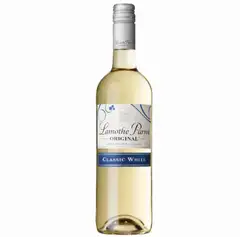
Wine
As agreedNice to haveSome families serve wine to the head table and honored guests.
How to use it: Only buy what your families agreed. Keep it chilled and have glasses ready for the head table.
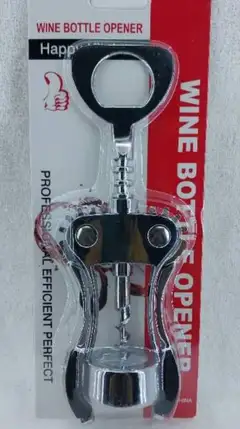
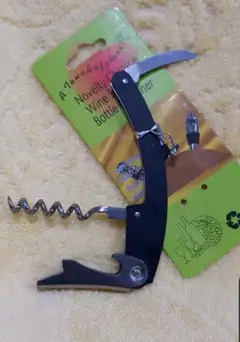
Bottle openers
4 to 6 Must haveWith crates of drinks and many servers, openers disappear quickly.
How to use it: Buy several and give one to each person serving drinks.

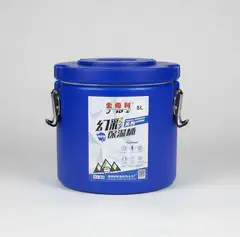
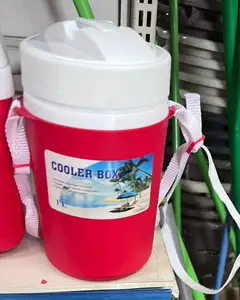
Cooler boxes and ice
2 to 3 coolers Must haveWarm drinks are a disappointment on a hot afternoon. Coolers keep drinks cold near the guests.
How to use it: Fill coolers with ice an hour before guests arrive and keep them in the shade behind the serving area.












Tea and refreshments for elders
Many families offer tea or milk to elders and guests arriving after a long journey.
Tea leaves
500 g to 1 kg Must haveRwandan tea is a warm welcome, especially for elders and guests from upcountry.
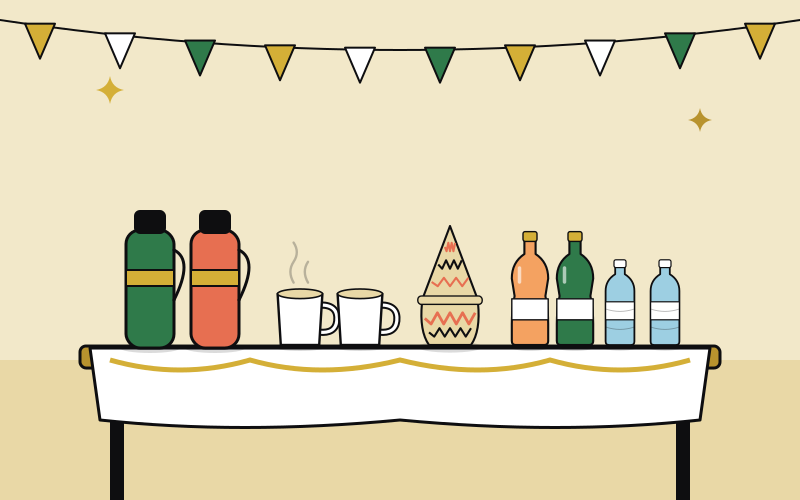
How to use it: Prepare it in large pots and keep it hot in flasks so servers do not keep running to the kitchen.
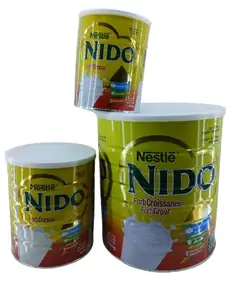
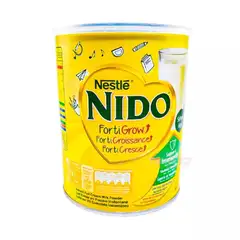
Milk powder
1 to 2 kg Must haveFresh milk can spoil in the heat. Powdered milk is reliable for large amounts of milk tea.
How to use it: Mix with hot water in advance, or keep fresh milk cold if you have space.
Sugar
2 to 5 kg Must haveTea for many guests uses more sugar than you expect.
How to use it: Serve it on the side in sugar bowls so guests can choose.
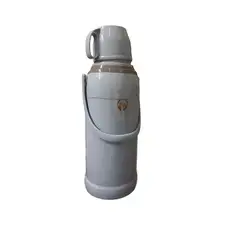
Thermos flasks
3 to 6 Must haveFlasks keep tea hot through long speeches and let servers move around easily.
How to use it: Large 2 to 3 litre flasks are best. Borrow from relatives or buy a few you will use again.
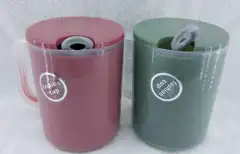
Cups for tea
As neededNice to haveElders appreciate tea served in proper cups.
How to use it: Count cups against the number of elders and honored guests and wash them the day before.










Food
Whether you serve snacks or a full meal depends on your families' plans and the time of day. These are the common staples.
Meat for brochettes or the main dish
As agreed with the caterer or cooks Must haveGrilled goat and beef are standard at many family celebrations in Rwanda.
How to use it: Agree on quantities with whoever is cooking. Order from a trusted butcher a day before and keep it cold.
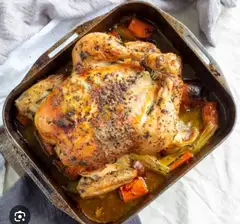
Whole chickens
As neededNice to haveChicken gives a second option for guests who do not eat red meat.
How to use it: Order whole birds and let the cooks portion them the way your family prefers.
Rice
As needed Must haveRice feeds many guests reliably and pairs with any stew.
How to use it: Buy in large bags. A pinch of pilau masala makes it festive.
Green bananas
As neededNice to haveCooked green bananas are a familiar dish that elders often appreciate.
How to use it: Order fresh the day before and keep in a cool place.
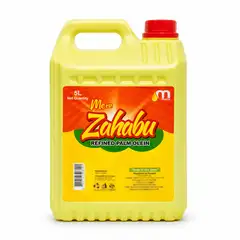
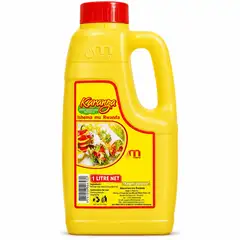
Cooking oil and spices
3 to 5 litres oil Must haveCooking for a crowd uses a lot of oil, salt and seasoning.
How to use it: Buy a large container of oil and check the cooks have salt, onions and spices.
Snacks for arrival
As neededNice to haveGuests may arrive long before food is served. Light snacks keep them comfortable.
How to use it: Peanuts, biscuits or samosas served with drinks work well.















Seating, decor and the setting
Tents, chairs and stage decor are often rented through an event organizer. These are the items families usually buy themselves.
Table cloths
1 per table Must haveClean, matching cloths on the guest tables and head table make the whole setting look prepared and respectful.
How to use it: Choose colors that match the decor your family chose. Iron them the day before.
 Table cloth 140*220RWF28,000
 Table cloth 140*220RWF27,500
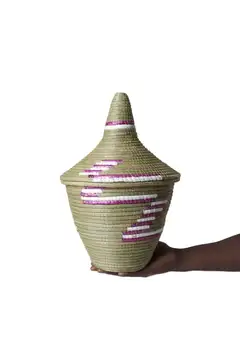
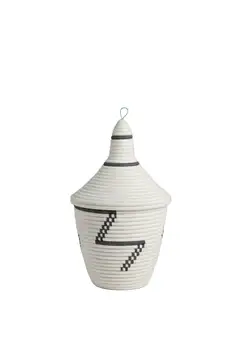
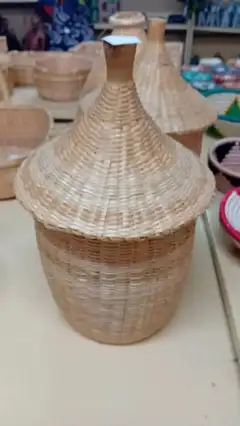
Agaseke baskets
As desiredNice to haveAgaseke baskets are a traditional Rwandan symbol that many families use as decor or gifts.
How to use it: Use them on the head table or as part of the decor if your families agreed. They also make lasting keepsakes.
Fresh flowers
2 to 4 bouquetsNice to haveFlowers on the head table brighten photos and show care for your guests.
How to use it: Keep arrangements low so the families can see each other across the table.
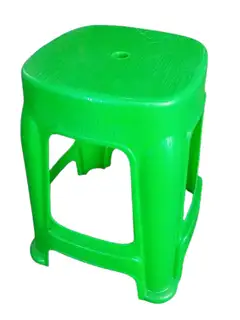
Extra plastic chairs
6 to 12Nice to haveEven with rented chairs, extra seats are always needed for elders and late arrivals.
How to use it: Keep a stack near the entrance. They are useful for family gatherings for years.
Umbrellas
3 to 5Nice to haveIn the rainy seasons, umbrellas help guests move between cars, tents and the house.
How to use it: Keep a few at the gate for elders and guests who arrive during a shower.








Serving and tableware
With many guests, disposable items save hours of washing, while the head table may use your best plates.
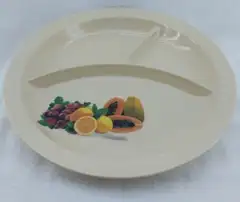
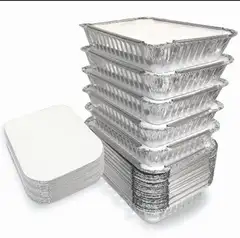
Plates
1 to 2 per guest Must haveGuests need sturdy plates for a full meal.
How to use it: Use proper plates for the head table and sturdy disposable or semi plastic plates for other guests.
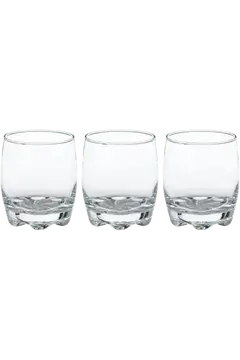
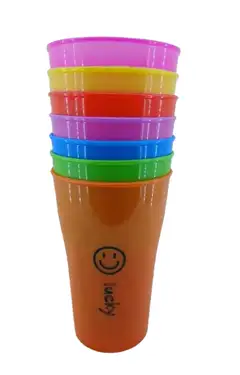
Cups and glasses
2 to 3 per guest Must haveDrinks are served all afternoon, and cups get lost quickly.
How to use it: Use glasses for the head table and plastic cups for the rest.
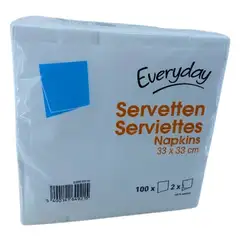
Serviettes
Several packs Must haveA serviette for every guest is a small sign of care.
How to use it: Put a stack on each table and give servers extras.
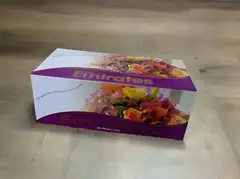
 Boni Selection Serviettes 50pcsRWF9,500
 Bella White 100 ServiettesRWF1,800
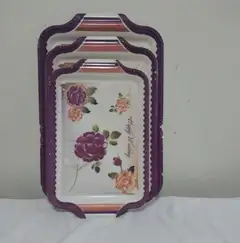
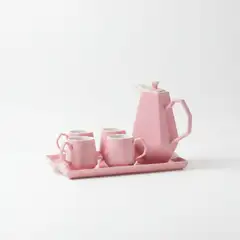
Serving trays
4 to 6 Must haveServers carrying drinks to seated guests need trays to do it gracefully.
How to use it: Give one tray to each server and practice carrying several bottles at once.



Guest comfort and cleanup
These small things keep the day dignified from the first guest to the last.
Toilet paper and hand wash
1 large pack and 2 bottles Must haveMany guests will use the house bathroom. Running out is embarrassing for the host.
How to use it: Assign one relative to check the bathroom every hour.
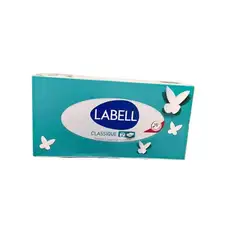
Facial tissues
3 to 5 boxesNice to haveEmotional speeches, hot weather and spilled drinks all call for tissues.
How to use it: Put a box on the head table and near the elders.
Large dustbins
2 to 3 Must haveBottles, cups and plates pile up fast with many guests.
How to use it: Place bins behind the serving area and out of sight of the head table.
 Pedal binRWF15,000
 LION STAR Pedal Bin 10LRWF34,500
Extension sockets
2 to 3 Must haveSound systems, phone chargers and kitchen appliances all need power.
How to use it: Coordinate with your event organizer and keep cables out of walkways.
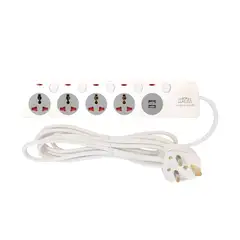 Simba Extension Socket 5 wayRWF23,050
 Kidris Multi socket (3 ways)RWF9,600
 Kadris Multi socket (6 ways)RWF13,200





Step by step
- 1
Four to six weeks before
Agree with the other family on the date, program, guest numbers and what each side provides. Book tent, chairs, sound and catering if you are using an organizer.
- 2
Two weeks before
Confirm guest numbers and order drinks in bulk. Buy table cloths, decor items, flasks, tea and sugar.
- 3
One week before
Order tableware, serviettes, bathroom supplies, bins and extension sockets. Assign relatives to drinks, tea, food and guest welcome.
- 4
Two days before
Order meat, chickens, green bananas and fresh produce for delivery. Clean the compound and prepare the serving area.
- 5
The day before
Chill drinks, collect ice, iron table cloths, set up decor and check every server knows their role.
- 6
The day of the gusaba
Fill coolers and flasks early, welcome the visiting family warmly and let your elders and organizer lead the ceremony.
Tips that help
- Write down exactly what your family and the visiting family each agreed to provide, so nothing is bought twice or forgotten.
- Appoint one trusted relative to manage drinks and keep count, so supply lasts the whole event.
- Order drinks in bulk early. Large orders can take time to gather.
- Keep a small reserve of drinks and water hidden for the end of the day when guests linger.
- Plan for rain in March to May and October to December, even if the morning is sunny.
- Ask the store about returning empty bottles and crates before you buy.
Mistakes to avoid
- Making assumptions about customs instead of confirming with both families.
- Underestimating guest numbers, since relatives often bring others.
- Forgetting tea and seating for elders who arrive early.
- Leaving drink buying to the last two days when bulk stock may be short.
- Not assigning clear roles, so servers and helpers duplicate work or leave gaps.
Questions people ask
Who pays for the gusaba in Rwanda?+
It varies by family. Often the hosting family covers the venue, drinks and food at their home, but many families share costs or agree on what each side brings. Follow your families' agreement and write it down early.
How many drinks do we need for a gusaba?+
Many families plan at least two drinks per guest, plus water for everyone, then adjust based on how long the event runs and what they agreed. It is wise to keep a reserve rather than run out.
What do you serve elders at a gusaba?+
Many families offer tea, milk or juice to elders, along with a comfortable seat in the shade. Ask the elders in your family what they would prefer and serve them first.
Can we order gusaba drinks in bulk in Kigali?+
Yes. Isokko lists soda, beer, juice and water from stores across Kigali, including packs and boxes. Order a week or more ahead for large quantities and confirm delivery timing.
What should the hosting family decorate?+
Most families focus on the head table, guest tables and entrance. Table cloths, flowers and traditional items like agaseke baskets are common, but follow your families' choices and your event organizer's plan.
Hosting a gusaba is about honoring the visiting family and celebrating two families coming together. Agree on the plan with both sides, then take the shopping off your mind. Order drinks, tea supplies, decor and tableware on Isokko, get it delivered to your home, and spend the day welcoming your guests with the warmth this moment deserves.
Shop this list
Get everything delivered in Kigali
Order from local stores on Isokko and pay with MoMo, card or cash. Same-day delivery.