
Checklist · Cleaning & home care
Setting Up a Laundry Corner at Home in Kigali: What to Buy
Everything you need for a neat laundry corner in a Kigali home: basins, soaps, a clothesline, pegs, an iron and smart storage, with tips for drying in the rainy season.
Updated November 16, 2026 · By Isokko
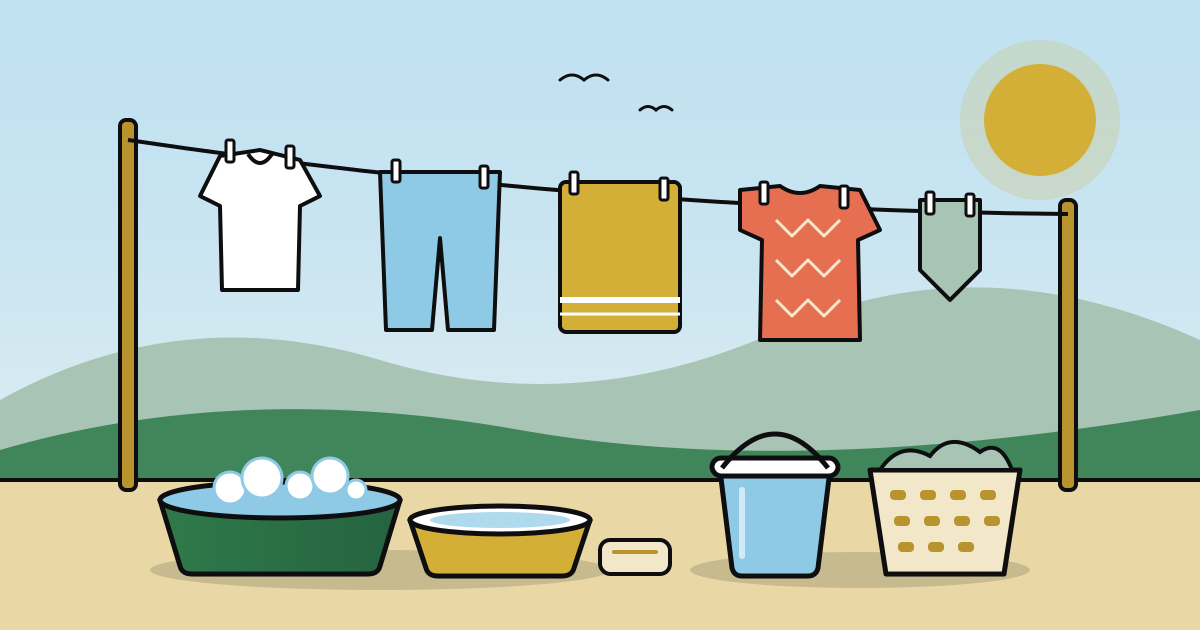
Most homes in Kigali do laundry by hand in basins, often in a corner of the compound, the bathroom or a small back room, and hang clothes in the sun. A machine helps, but the real difference comes from having a set place where everything lives together.
A good laundry corner saves time, water and clothes. You stop hunting for pegs, whites stay white, and on a sudden rainy afternoon you know exactly where the indoor drying line is.
This checklist covers the washing, drying, ironing and storage basics, with buying and care tips for each, whether you live alone or run a busy family house.
Who it's for
Anyone setting up a new home, apartment or student room in Kigali, washing by hand or with a machine
Time needed
One afternoon to set up
When to shop
Order the bulky items like basins and the ironing board first, then soaps monthly
On the list
23 items, 12 must haves
0 of 23 ready
Sorting and collecting
Laundry gets easier when it is sorted before wash day, not on the floor during it.
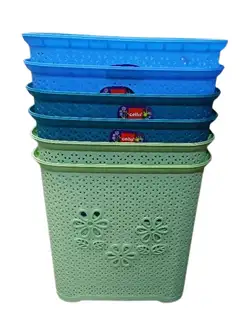
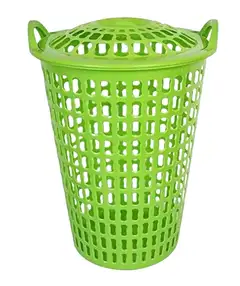
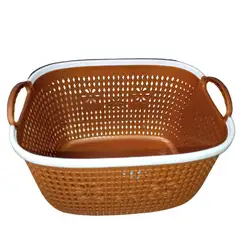
Laundry hamper or basket
2 Must haveKeeps dirty clothes off bedroom floors and lets air move, so damp towels do not start to smell.
How to use it: Use two: one for whites and lights, one for darks. Sorting as you drop clothes in saves time on wash day.
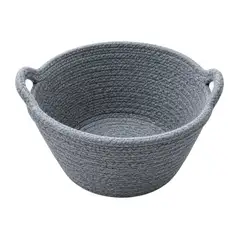
Small storage baskets
2Nice to haveOne basket for clean clothes waiting to be ironed and one for socks and small items keeps the corner tidy.
How to use it: Label them or use different colors so everyone in the house knows which is which.


Washing
These are the workhorses of hand washing. Buy sturdy basins; cheap thin ones crack within months.
Large plastic basins
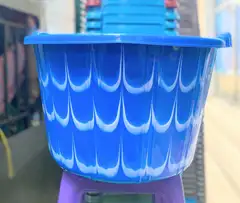
3 Must haveThree basins let you soak, wash and rinse in a row, the fastest way to wash by hand.
How to use it: Use a big basin of about 50 litres for soaking sheets and two medium ones for washing and rinsing.
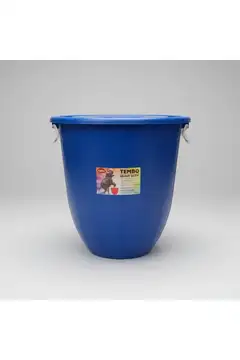
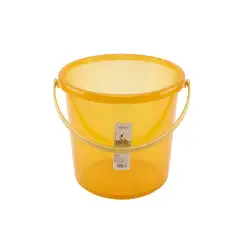
Plastic bucket with handle
1 or 2 Must haveFor carrying water from the tap or tank, and for soaking small loads or white socks.
How to use it: Keep one bucket only for laundry so it never smells of mop water.
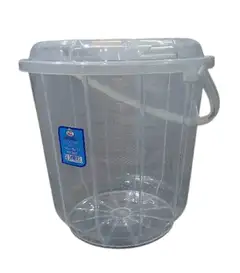 Graduated plastic bucketRWF4,600
Hand washing powder
1 large pack a month Must havePowder made for hand washing is gentler on skin and foams well in a basin.
How to use it: Dissolve it fully in water before adding clothes, so it does not leave white marks on dark fabrics.
 OMO Hand Washing Powder 500grRWF3,500
 OMO Hand Washing PowderRWF16,100
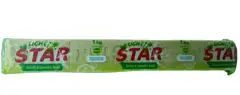
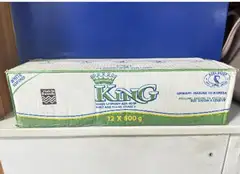
Laundry bar soap
2 or 3 bars Must haveA bar is the best tool for collars, cuffs, socks and the red mud on the bottom of trousers.
How to use it: Wet the stained spot, rub the bar on it, and scrub with a brush or by rubbing the fabric against itself.
Liquid detergent
1 bottleNice to haveIf you have a washing machine, liquid dissolves even in cold water and does not leave powder streaks.
How to use it: Measure with the cap. Too much makes clothes stiff and wastes money.
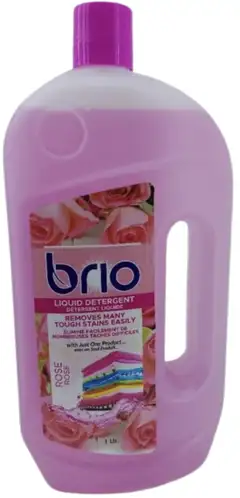 Brio Liquid Detergent Rose 1LRWF5,000
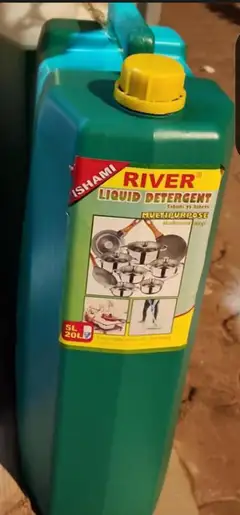 River liquid detergent 20LRWF9,600
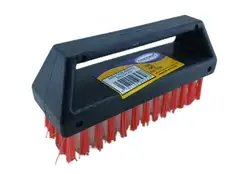
Scrubbing brush
1 Must haveLifts mud and stains from jeans, school uniforms, canvas shoes and the bottoms of trousers.
How to use it: Lay the item flat on a clean surface, soap the spot, then brush in one direction.
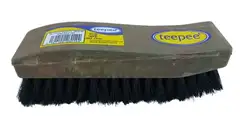
 Teepee Scrubbing Brush BigRWF4,600
 Accloud Scrubbing Brush 1pcRWF1,800
Bleach for whites
1 bottle Must haveWhite shirts, school uniforms and sheets turn grey with Kigali dust unless you treat them now and then.
How to use it: Add a small amount to a basin of water, soak only white cotton, then rinse well. Never use it on colors.
Stain remover
1Nice to haveFor food, oil and ink stains that normal washing leaves behind.
How to use it: Treat the stain as soon as possible, before the item dries, and test on an inside seam first.
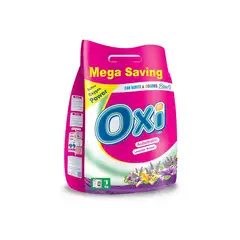
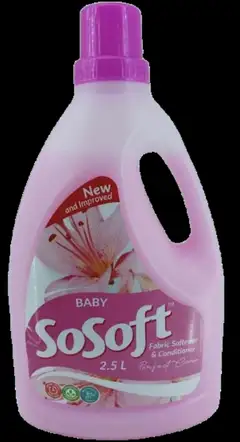
Fabric softener
1 bottleNice to haveLine dried clothes in the sun can turn stiff. Softener keeps towels fluffy and reduces wrinkles.
How to use it: Add it to the last rinse water only, never with the soap.
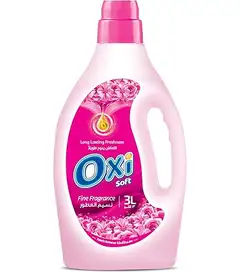 Oxi Fabric Softener 2L Valley DeRWF13,500
 Sosoft Fabric Softener 1.5L FreshRWF10,850








Drying
Kigali sun dries clothes fast, until the afternoon rain arrives. Plan for both.
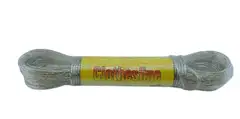
Clothesline
10 to 20 metres Must haveA strong line in a sunny spot is the cheapest dryer there is.
How to use it: Stretch it tight between two solid points, at a height you can reach without standing on tiptoe. Wipe it before hanging whites.
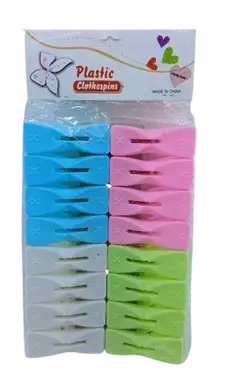
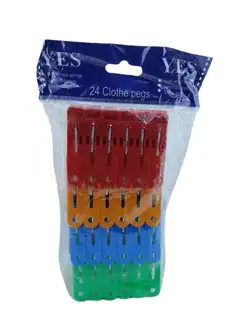
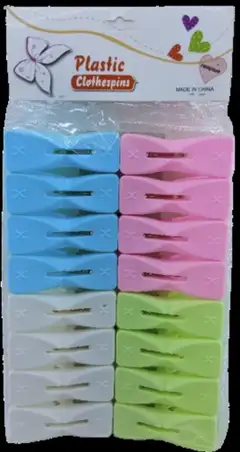
Clothes pegs
2 packs Must haveHilltop wind in Kigali can blow clothes off the line and into the red dust.
How to use it: Use two pegs per item. Store them in a small bag or basket, not on the line, where the sun makes them brittle.
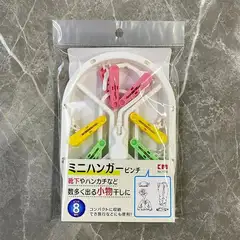
Hanger with clips
1 or 2Nice to haveDries socks, underwear and baby clothes in one place and moves indoors quickly when rain starts.
How to use it: Hang it in the bathroom or near a window on rainy days.
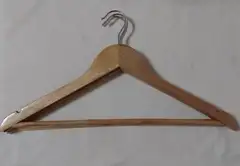
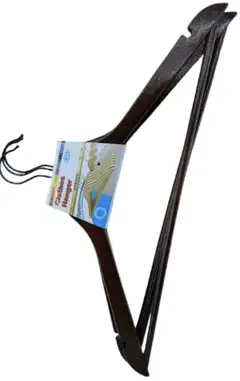
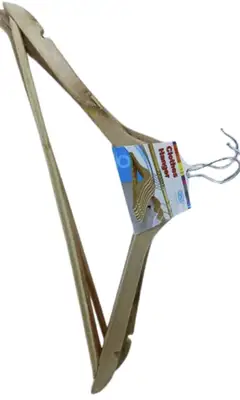
Clothes hangers
10 to 20 Must haveShirts and dresses dried on hangers come off nearly wrinkle free and go straight into the wardrobe.
How to use it: Hang shirts straight from the rinse water, button the top button, and smooth them by hand.
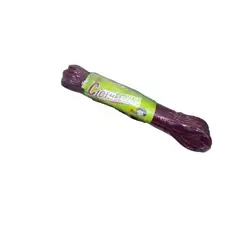
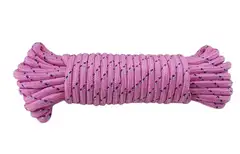
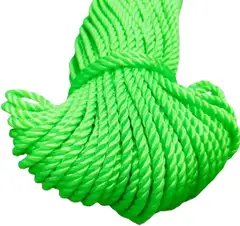
Indoor drying rope
1Nice to haveIn the long rainy seasons, clothes can stay damp for days outside. A short indoor line saves the wash.
How to use it: Put it in a room with airflow, near an open window, and leave space between items.


Ironing
Ironed clothes look sharper and last longer. Keep the iron and board close to a socket and away from the damp wash area.
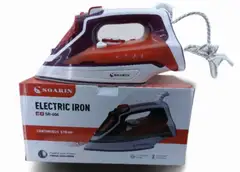
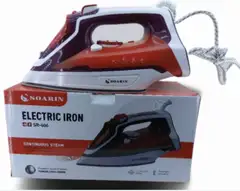
Steam iron
1 Must haveSmooths cotton shirts and kitenge fabrics far faster than a dry iron.
How to use it: Use boiled and cooled or filtered water to avoid limescale, and empty it after use.
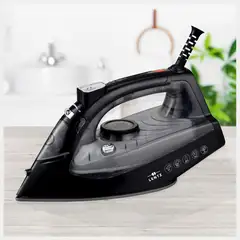 Lentz Steam IronRWF52,000
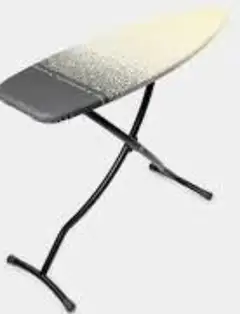
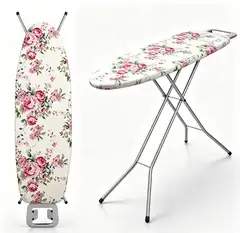
Ironing board
1 Must haveA board gives you a flat, padded surface and saves your table and your back.
How to use it: Choose one with adjustable height and a rest for the iron. Fold it flat behind a door when not in use.
Spray starch or laundry starch
1Nice to haveGives office shirts and school uniforms a crisp finish that lasts the day.
How to use it: Spray lightly before ironing, or add powder starch to the final rinse for a firmer finish.
Spray bottle
1Nice to haveDampening very dry or wrinkled clothes makes ironing much easier.
How to use it: Fill with clean water and mist the fabric just before the iron.






Small extras that help
Cheap things that make the corner work every day.
Lint roller
1Nice to haveRemoves fluff, hair and dust from dark suits and dresses before you leave the house.
How to use it: Roll it down the fabric just before going out.
Sewing needle and thread
1 small kitNice to haveA loose button or small tear fixed at once saves a shirt.
How to use it: Keep basic colors, black, white and navy, in a small box with the needle.
Shoe brush
1Nice to haveWash day is a good time to clean school and work shoes covered in red dust.
How to use it: Brush dry mud off outside before washing or polishing.







Step by step
- 1
Pick the spot
Choose a place near water and drainage, with a sunny line nearby, such as the back of the compound, a veranda corner or a bathroom with a window.
- 2
Set up the wash station
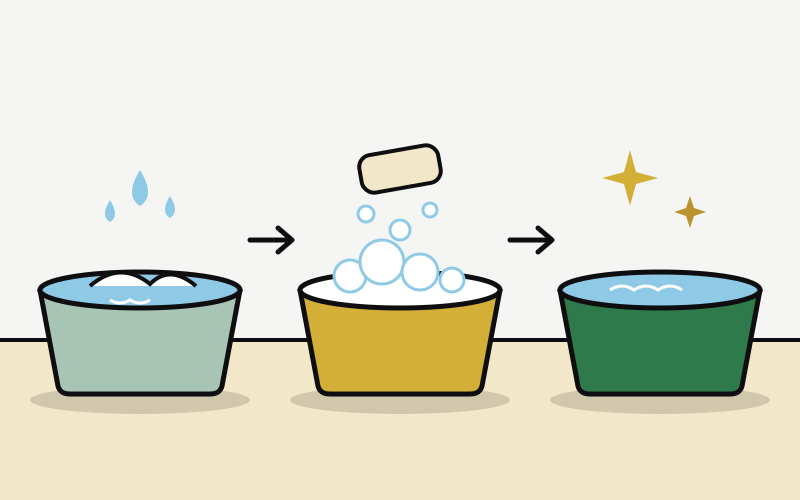
Arrange the three basins in a row, with soaps and the brush on a shelf or in a basket above them, out of children's reach.
- 3
Hang the lines
Put up the outdoor clothesline in full sun and a short indoor rope for rainy days.
- 4
Make an ironing spot
Store the board and iron near a socket, ideally in a bedroom or corridor, not in the damp wash area.
- 5
Agree on a wash day
Pick one or two fixed wash days. Dry mornings are best, because rain usually comes in the afternoon during the rainy seasons.
Tips that help
- Wash early in the morning in the rainy seasons. Clothes have the best chance to dry before afternoon showers.
- Turn dark clothes and kitenge inside out before drying in strong sun, so colors do not fade.
- Save the final rinse water for mopping or flushing the toilet during water shortages.
- Soak very muddy clothes in plain water first. The mud loosens and you use less soap.
- Keep a small bag of pegs at the back door so they are always there when you need them.
- Fold clothes straight off the line while they are warm. They wrinkle less and some need no ironing at all.
Mistakes to avoid
- Leaving clothes on the line overnight, where dust and dew make them dirty again.
- Mixing a new colored item with whites. Wash new clothes alone the first time.
- Using too much powder, which leaves clothes stiff and itchy after line drying.
- Storing soaps and bleach on the floor where children or pets can reach them.
- Folding clothes that are still slightly damp, which causes a musty smell in the wardrobe.
Questions people ask
What do I need to wash clothes by hand?+
Three basins, a bucket, hand washing powder, a laundry soap bar, a scrubbing brush, a clothesline and pegs. Add bleach for whites and fabric softener if you like softer clothes.
How do I dry clothes in the rainy season in Kigali?+
Wash early on dry mornings, wring clothes well, and hang them in full sun until about midday. Keep an indoor rope and a clip hanger near a window for the days rain comes early.
How do I keep white clothes white?+
Wash whites separately, soak them in water with a little bleach for cotton items, and rinse well. Dry them in the sun, which also brightens white fabric naturally.
Is a washing machine worth it in Kigali?+
For a big family or a busy household, yes, it saves many hours a week. Check your water pressure, protect it from power surges, and keep hand washing supplies for delicate items and power cuts.
Why do my towels smell after drying?+
Usually they dried too slowly or were left damp in a basket. Wash them with less soap, rinse well, dry them fully in sun, and do not store them until they are completely dry.
With the right basins, soaps and lines in one place, laundry stops being a whole day job. Order your laundry corner essentials on Isokko and have everything delivered to your door, from pegs to the ironing board.
Shop this list
Get everything delivered in Kigali
Order from local stores on Isokko and pay with MoMo, card or cash. Same-day delivery.