
Checklist · Beauty & self care
Natural Hair Care Routine Checklist: What to Buy in Kigali
A natural hair care routine checklist for Kigali: shampoo, conditioner, leave-in, oils, tools and a satin bonnet, plus a simple wash day and night routine.
Updated November 16, 2026 · By Isokko
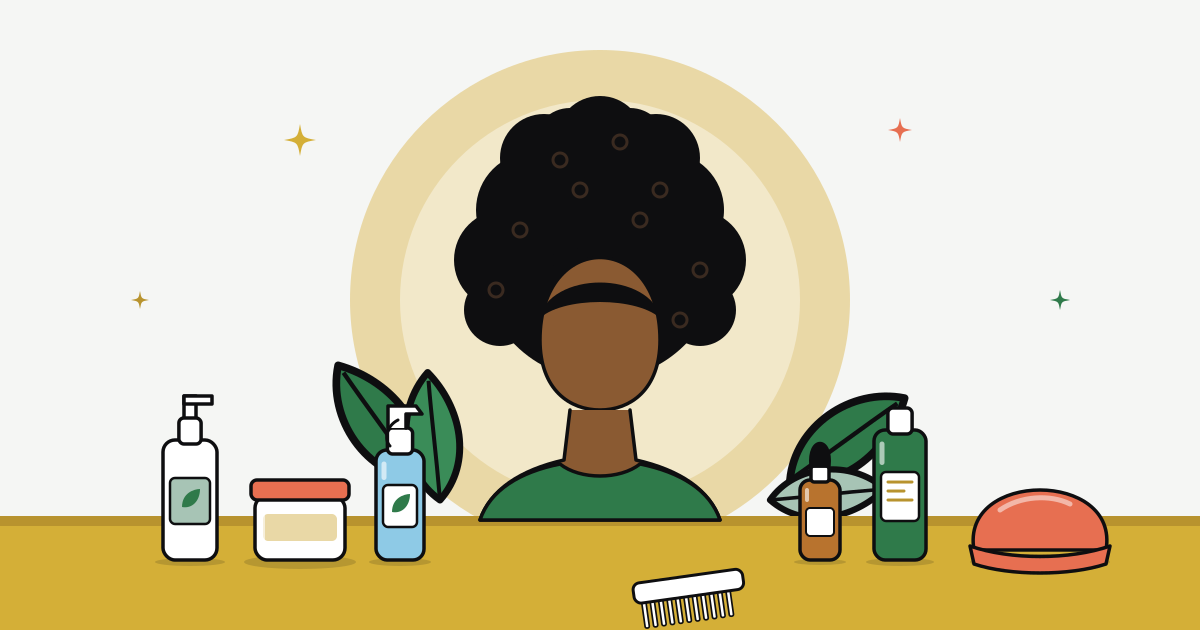
Natural hair is beautiful and it is also thirsty. Kigali's dry seasons, dusty roads and strong sun pull moisture out fast, and if you came from relaxers or braids, figuring out what your own hair actually likes can feel like starting over.
The core idea is simple: clean gently, add moisture, seal it in and protect it, especially at night. A handful of good products and the right tools do more than a crowded shelf of things you half use.
This checklist walks through what to buy for wash day, daily moisture, styling and protection, plus a simple routine to follow. If you notice patches of hair loss, a sore or flaky scalp that does not improve, see a doctor or dermatologist.
Who it's for
Anyone in Kigali with natural, curly or coily hair, from a fresh big chop to long, defined curls
Time needed
One wash day a week of 1 to 2 hours, plus 5 minutes each night
When to shop
Before your next wash day, so you have everything at hand
On the list
22 items, 9 must haves
0 of 22 ready
Wash day basics
Gentle cleansing and rich conditioning are the foundation.
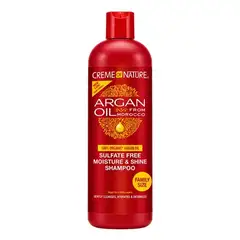
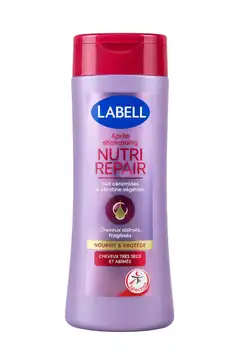
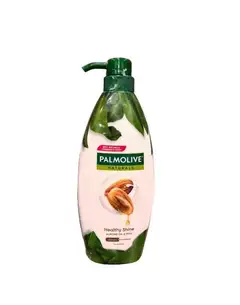
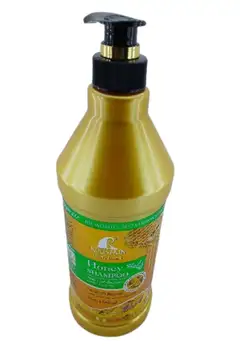
Gentle or sulfate-free shampoo
1 Must haveCleans dust, sweat and product buildup from your scalp without stripping the oils natural hair needs.
How to use it: Focus shampoo on the scalp, massaging with your fingertips, and let the suds run through the lengths. Wash every one to two weeks, or as your scalp needs.
Conditioner
1 Must haveSoftens hair, adds slip for detangling and replaces moisture after washing.
How to use it: Apply generously to the lengths and ends, detangle with fingers or a wide tooth comb while it is in, then rinse with cool water.
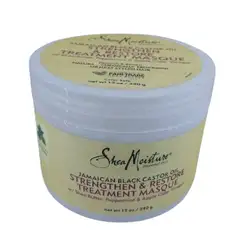
Deep conditioning hair mask
1 Must haveA weekly or biweekly treatment that restores softness and strength, especially in the dry season.
How to use it: Apply after shampoo, cover with a shower cap for 20 to 30 minutes, then rinse.
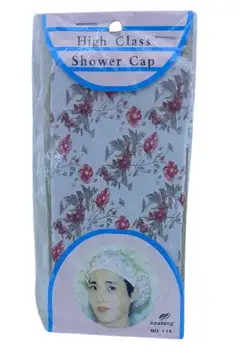
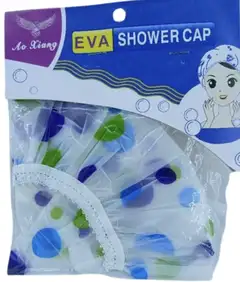
Shower cap
1 or 2Nice to haveTraps warmth during deep conditioning and keeps hair dry when you are not washing it.
How to use it: Wear it over a deep conditioner, or over a bonnet in the shower on non-wash days.
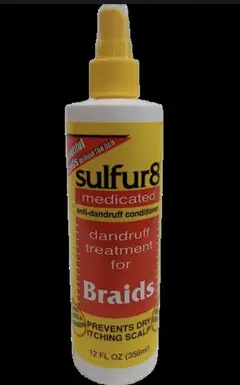
Anti-dandruff shampoo
1, if neededNice to haveFor a flaky, itchy scalp, which dry seasons and heavy oils can make worse.
How to use it: Use as the label says, alternating with your regular shampoo. A persistent sore scalp needs a doctor.





Moisture and sealing
The daily heart of natural hair care: add water-based moisture, then seal it with oil or butter.
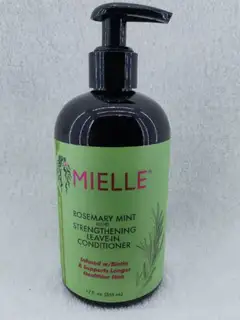
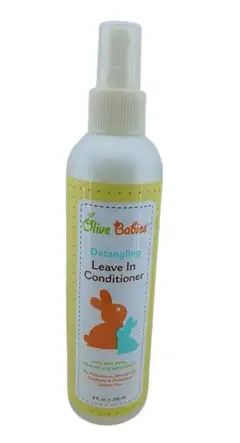
Leave-in conditioner
1 Must haveGives everyday moisture and makes hair easier to comb and style.
How to use it: Apply to damp hair in sections after washing, and as a refresh mid-week.
Spray bottle
1 Must haveA quick mist of water or water and leave-in revives dry hair in the morning.
How to use it: Fill with clean water and a little leave-in. Empty and rinse it weekly so it stays fresh.



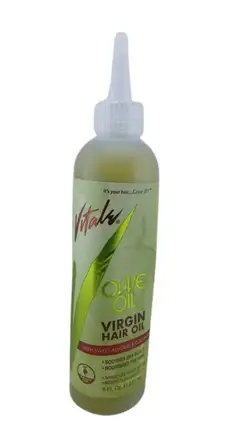
Hair oil
1 Must haveSeals in moisture and adds shine to ends that dry out quickly in the sun.
How to use it: Use a few drops on damp hair after your leave-in, focusing on the ends. A little goes a long way.
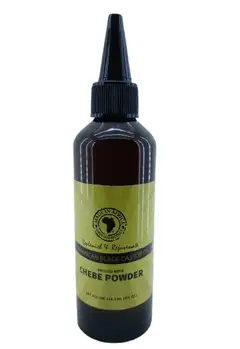
Castor oil
1Nice to haveA thick oil many people use to seal ends and edges.
How to use it: Mix a few drops with a lighter oil if it feels too heavy.
Coconut oil
1Nice to haveA versatile, easy to find oil for pre-shampoo treatments.
How to use it: Apply to dry hair an hour before washing to reduce tangling and dryness.
Shea butter or hair butter
1Nice to haveRich sealing for thick, coily hair that drinks up moisture.
How to use it: Warm a small amount between your palms and smooth over the lengths.






Styling
Products that define curls, hold styles and smooth edges.
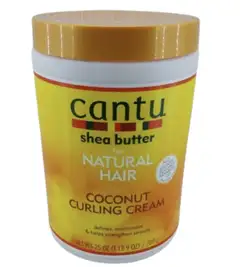
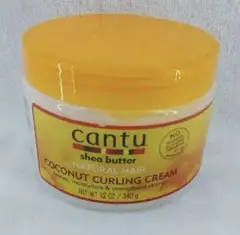
Curl cream or curling cream
1 Must haveDefines curls and coils for twist outs, wash and go styles and braid outs.
How to use it: Apply to damp hair in small sections, then twist or braid and let dry fully.
Twist and define cream
1Nice to haveHelps two strand twists hold and stay soft.
How to use it: Use small amounts per twist so hair does not feel heavy.
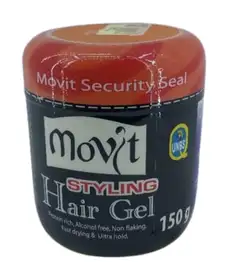
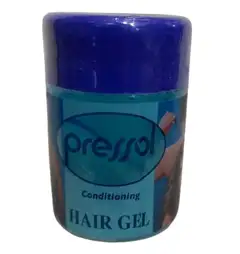
Hair gel
1Nice to haveHold for puffs, slick styles and defined curls.
How to use it: Choose a moisturizing gel and avoid heavy layers that flake.
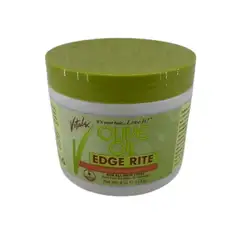
Edge control
1Nice to haveSmooths baby hairs and edges for a neat finish.
How to use it: Use sparingly with a soft brush and avoid pulling edges tight daily.
Rosemary hair oil or scalp serum
1Nice to haveA popular scalp product for a soothing massage and healthy looking hair.
How to use it: Massage a few drops into the scalp two or three times a week. Patch test first.







Tools
Gentle tools prevent breakage, which is the main enemy of length.
Wide tooth comb
1 Must haveDetangles with less pulling than fine combs, so fewer strands snap.
How to use it: Always detangle wet hair with conditioner in, working from the ends up to the roots.
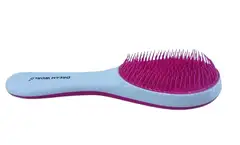
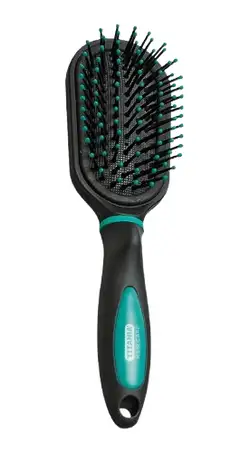
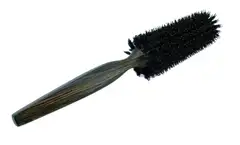
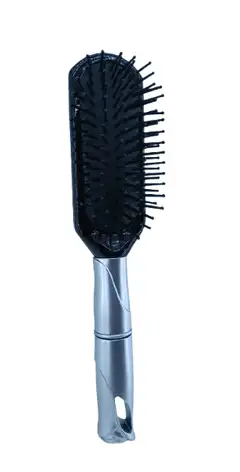
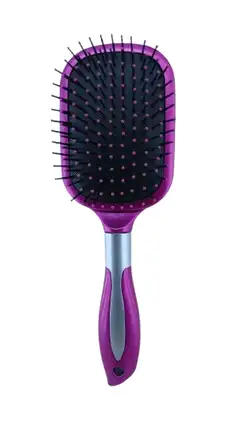
Detangling or paddle brush
1Nice to haveSpeeds up detangling on longer natural hair.
How to use it: Use only on hair soaked with conditioner and hold the hair above where you brush.
Satin scrunchies
1 packNice to haveHold puffs and ponytails without the snagging that elastic bands cause.
How to use it: Keep them loose. Tight puffs every day can stress your edges.
 Lolalet Satin ScrunchiesRWF8,000
Soft cotton t-shirt or microfiber towel
1Nice to haveRough bath towels rub and frizz hair. A soft old t-shirt dries it gently.
How to use it: Squeeze and blot hair dry instead of rubbing.



Night protection
Cotton pillowcases soak up moisture and rub hair overnight. Protecting it at night saves your hard work.
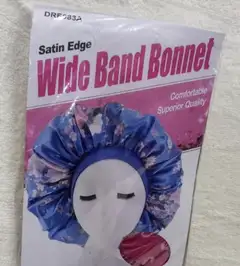
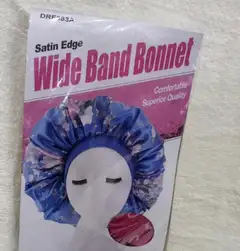
Satin bonnet or sleep cap
1 or 2 Must haveKeeps moisture in and reduces friction, so styles last longer and ends break less.
How to use it: Put hair in loose twists or a pineapple and cover it every night.
Satin scarf
1Nice to haveAn alternative to a bonnet, and handy for covering hair on dusty days.
How to use it: Tie it gently, not tight across the edges.
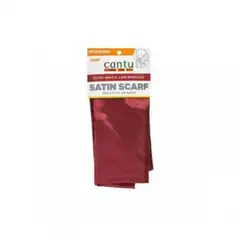 Cantu satin scarfRWF9,300
 Matching Satin Leaf SetRWF15,000


Step by step
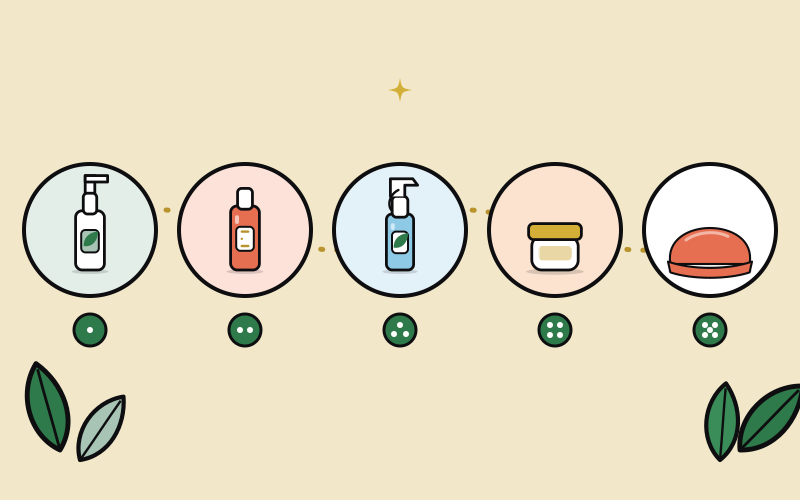
- 1
Pre-poo (optional)
An hour before washing, coat dry hair with coconut oil to reduce tangles and protect it from drying out.
- 2
Cleanse
Shampoo the scalp gently in four to six sections, so hair does not tangle into one big knot. Rinse well.
- 3
Condition and detangle
Apply conditioner or a deep mask, cover with a shower cap for 20 to 30 minutes, then detangle with a wide tooth comb from ends to roots. Rinse with cool water.
- 4
Moisturize and seal
On damp hair, apply leave-in, then a little oil or butter, section by section. Style with curl cream into twists, braids or a wash and go.
- 5
Protect every night
Loosely twist or pineapple your hair, put on a satin bonnet, and mist with water and leave-in in the morning as needed.
Tips that help
- Learn what your hair likes: some coily hair loves heavy butters, others get weighed down. Change one product at a time.
- Trim split ends every few months to keep hair healthy.
- In the dry seasons, refresh moisture more often and lean on deep conditioning.
- Protective styles like twists and braids give hair a rest, but do not keep them in too long or too tight.
- Cover your hair on dusty moto rides with a scarf to reduce dirt buildup.
- Drink enough water and eat well; healthy hair starts inside too.
Mistakes to avoid
- Detangling dry hair, which causes a lot of breakage.
- Very tight braids, ponytails or edges every day, which can pull hair out at the hairline over time.
- Using lots of oil on dry hair without water first. Oil seals moisture; it does not add it.
- Sleeping on cotton without a bonnet or scarf.
- Buying every trending product at once and never learning what works.
Questions people ask
What products do I need for natural hair?+
A gentle shampoo, conditioner, a deep conditioner, a leave-in, an oil or butter to seal, a curl cream for styling, a wide tooth comb and a satin bonnet. That covers most routines.
How often should I wash natural hair?+
Many people wash every one to two weeks, but it depends on your scalp, activity and products. Wash when your scalp feels itchy or dirty, and refresh with water and leave-in between.
How do I keep 4c hair moisturized?+
Use water-based moisture first, like a leave-in or a water spray, then seal with oil or butter. Deep condition regularly and protect your hair at night with satin.
Why is my natural hair breaking?+
Common causes are dryness, rough detangling, tight styles and heat. Detangle gently with conditioner, moisturize regularly and give your edges a break. If you see bald patches, see a doctor.
Is a satin bonnet really necessary?+
It makes a real difference. Satin reduces friction and moisture loss overnight, so your styles last longer and your ends break less.
Natural hair rewards patience and gentle care. Start with the basics, build a wash day you can stick to, and protect your hair every night. Order your routine on Isokko and enjoy the next wash day with everything ready.
Shop this list
Get everything delivered in Kigali
Order from local stores on Isokko and pay with MoMo, card or cash. Same-day delivery.