
Checklist · Work & business
Opening a Small Restaurant in Kigali: What to Buy Checklist
A practical checklist of kitchen equipment, utensils and serving ware for opening a small restaurant in Kigali, with why each item matters.
Updated November 23, 2026 · By Isokko
Opening a small restaurant is exciting and easy to overspend on. The goal of this checklist is simple: buy the tools that cook, serve and clean well, and leave the extras for when sales are steady.
It follows the way a kitchen really works. First you cook, then you prepare, then you serve, and then you wash and store. Each item says why it matters and how to use or choose it.
Check licenses, gas rules and building rules with the right office and your landlord. This list covers only the things you can buy.
Who it's for
Anyone opening a small restaurant, cafe or food shop in Kigali
Time needed
Shop over 2 to 4 weeks before opening day
When to shop
Buy cooking gear first, then serving ware, then cleaning and storage
On the list
38 items, 27 must haves
0 of 38 ready
Cooking equipment
This is the heart of your kitchen. Buy sturdy pieces that can handle hours of daily cooking, and size them for your busiest lunch, not your slowest morning.
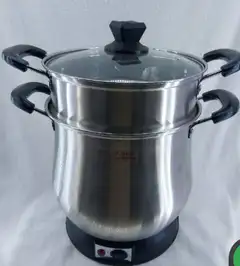
Large cooking pots
3 to 5 Must haveRice, beans, stews and soups for many plates need big, thick pots. Thin pots burn food and dent fast in a busy kitchen.
How to use it: Choose pots with tight lids and strong handles. Keep one pot for each main dish so flavors do not mix.
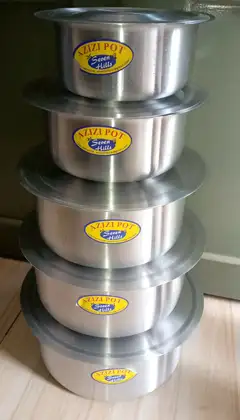 Aluminum Cooking Pot 1 PieceRWF16,000
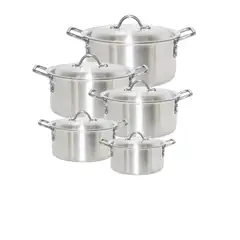 Cooking Pot Set 5 PiecesRWF55,000
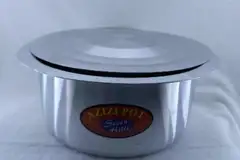 Azizi Seven Hills Cooking PotRWF13,500
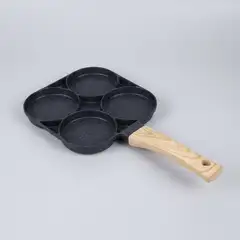
Frying pan
2 to 3 Must haveEggs, fish, chicken and chapati all go through a pan. A heavy base heats evenly and saves oil.
How to use it: Heat the pan before adding oil. Wash it by hand and dry it so it lasts longer.
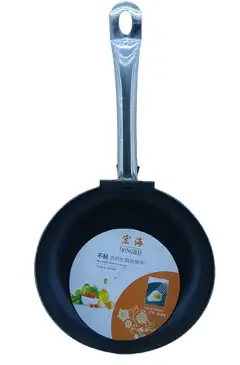 Honghai Frying Pan 28cmRWF34,500
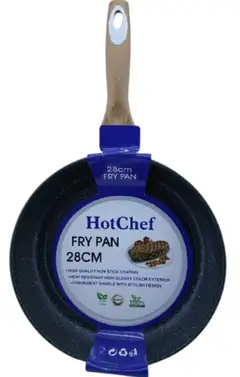 HotChef Fry Pan 26cmRWF25,000
Saucepans with lids
2 to 3 Must haveSauces, tea water, milk and small portions are easier in smaller pans than in your big pots.
How to use it: Pick ones with heat-safe handles. Keep lids on to save gas.
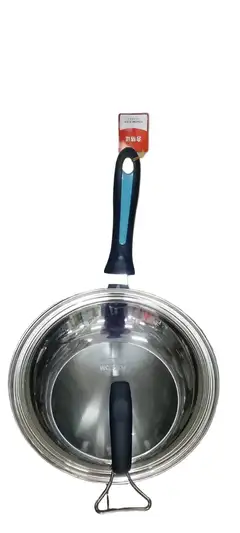 Saucepans with Matching LidRWF22,000
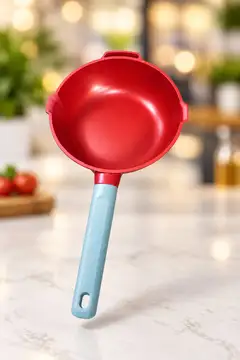 Red Non-Stick SaucepanRWF15,000
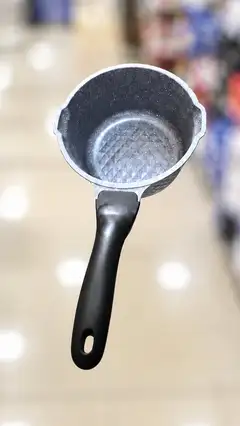 Granite Milk Pan SaucepanRWF12,000
Gas cooker or burner
1 or 2 Must haveGas is the usual choice for a restaurant because it heats fast and gives you control. Ask the seller how many burners fit your menu.
How to use it: Place the cooker on a firm, level surface away from curtains and wood. Check with your landlord about gas rules for your building.
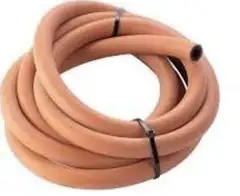 Gas Cooker Cable 1mRWF2,500
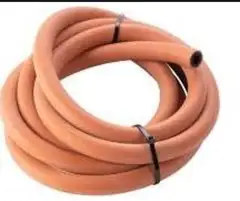 Gas Cooker Cable 1mRWF1,500
Gas regulator and hose
1 spare Must haveThe regulator connects your cylinder to the cooker. A worn one is a safety risk, and a spare saves a lost lunch.
How to use it: Check the hose for cracks regularly. Test for leaks with soapy water, never with a flame.
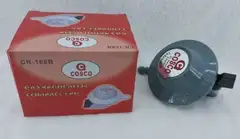 Cosco CR-168B Gas RegulatorRWF13,800
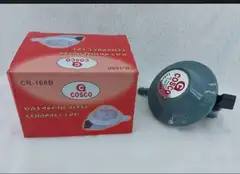 Costco CR-168B Gas RegulatorRWF10,000
Deep fryer
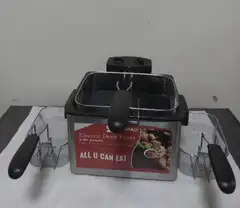
1Nice to haveIf chips, samosas or fried chicken are on your menu, a deep fryer keeps oil at a steady heat and the food crisp.
How to use it: Never fill the oil past the marked line. Strain the oil after each day and replace it when it turns dark.
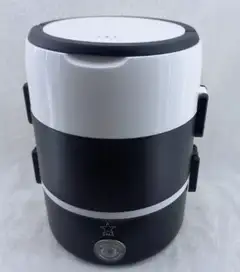
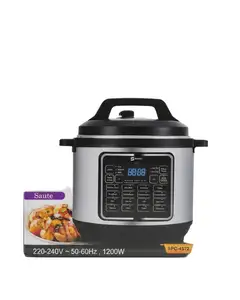
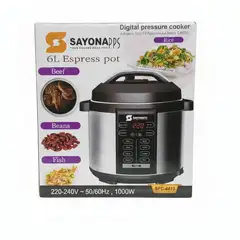
Rice cooker or pressure cooker
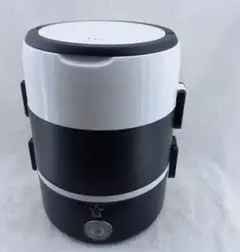
1Nice to haveThese cook rice and beans without watching, and give you extra cooking capacity when the gas is busy.
How to use it: Measure water carefully for rice. Beans cook much faster in a pressure cooker, so you save time and fuel.
Prep tools
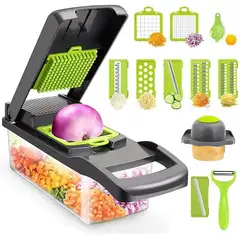
Fast, safe prep makes a small kitchen run smoothly. Good tools also help you keep portions equal, which protects your margins.
Kitchen knives
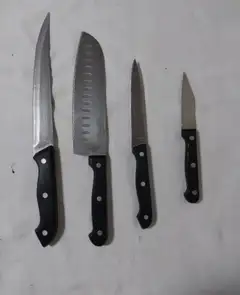
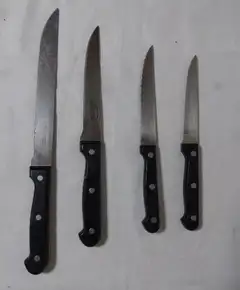
1 set Must haveA sharp set for meat, vegetables and bread is the most used tool in your kitchen. Dull knives slip and cause cuts.
How to use it: Wash and dry knives right after use. Store them in a drawer or block, never loose in a sink.
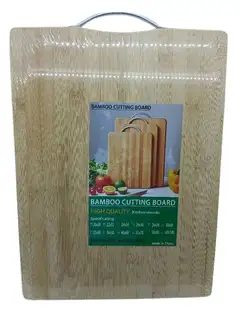
Chopping boards
2 to 3 Must haveSeparate boards for raw meat and for vegetables help prevent food poisoning and cross-contamination.
How to use it: Scrub boards with hot soapy water after every use. Replace a board when it gets deep cuts.
Vegetable peeler
2 Must havePeeling potatoes, carrots and plantains by knife is slow. A peeler saves time and wastes less food.
How to use it: Peel away from your body. Keep a spare, since blades wear out.
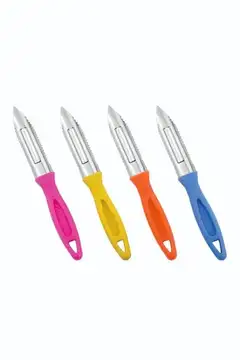 Hand Potato Peeler ProRWF3,000
 Vegetable Peeler and GraterRWF2,000
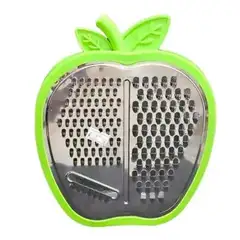
Grater
1Nice to haveGrating carrots, cheese and ginger is common in Rwandan and international dishes.
How to use it: Rinse right after use so food does not dry on the blades.
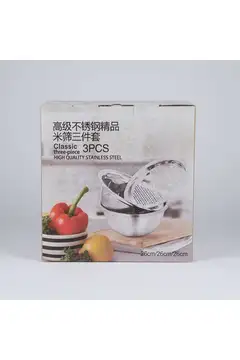
Colander
2 Must haveYou will wash and drain rice, beans, pasta and vegetables every day. A big colander is faster than a pot lid.
How to use it: Pick a sturdy plastic or metal one with a steady base. Rinse beans and rice before cooking.
Kitchen scale
1Nice to haveWeighing portions of meat, rice and flour keeps your cost per plate steady and your customers happy.
How to use it: Place the scale on a flat surface. Zero it with the bowl on before adding food.
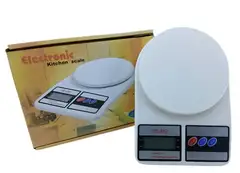 Electronic Kitchen Scale SF-400RWF17,300
 Nova Dry IronRWF55,450





Cooking and serving utensils
These are the tools in your hand during a rush. Buy more than you think you need so nothing waits to be washed.
Ladles and serving spoons
4 to 6 Must haveSoups, stews and sauces need a ladle. Serving spoons keep portions even and hands off the food.
How to use it: Keep one spoon for each dish, and never reuse a spoon that touched a customer's plate.
 Wok Bekner SpoonRWF3,500
Spatulas and wooden spoons
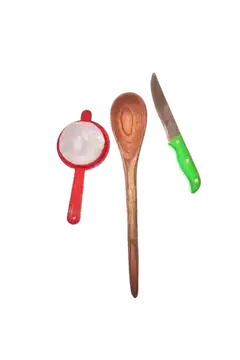
4 to 6 Must haveStirring, flipping and scraping need heat-safe tools that do not scratch your pans.
How to use it: Wood and heat-safe plastic suit non-stick pans. Dry wooden spoons well to prevent mold.
 Local Made SpatulaRWF2,300
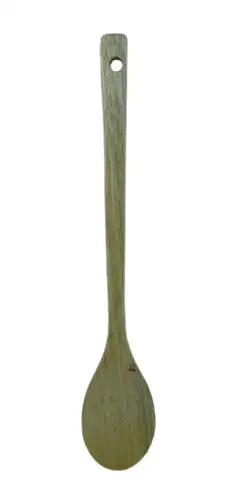 Local Made Spatula AARWF2,300
Tongs
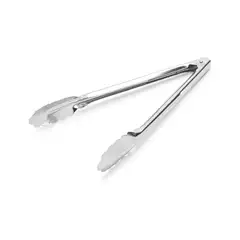
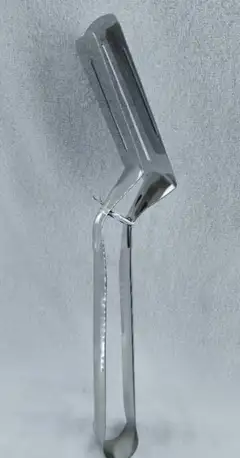
2 to 3 Must haveTongs let you turn grilled meat, lift fried food and plate salad without touching it.
How to use it: Keep clean tongs near the grill and the fryer. Wash them often during busy hours.
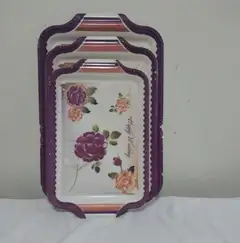
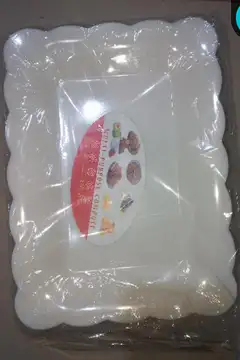
Serving trays
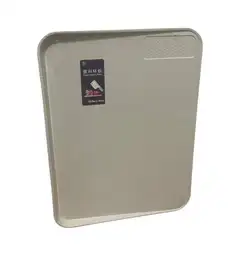
3 to 4 Must haveTrays carry several plates or drinks at once and help your waiter move quickly through a busy room.
How to use it: Choose non-slip trays. Wipe them clean between trips.
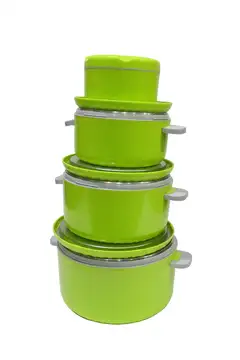
Insulated food warmer
1 to 2Nice to haveKeeps rice or stew hot between orders so your first and last customer get the same meal.
How to use it: Fill it with hot food only. Do not leave food in it for many hours.




Plates, cups and table items
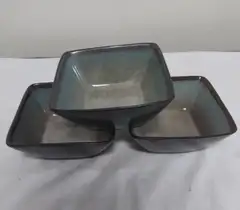
What the customer sees and touches. Strong, simple items are better than fancy ones that chip after a week.
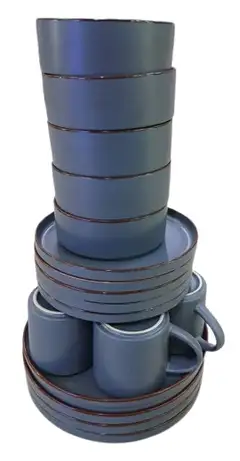
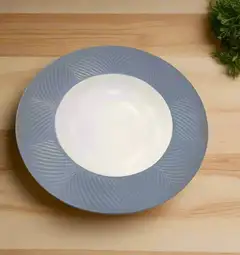
Dinner plates
30 or more Must haveYou need enough plates for a full house plus a few extra for the washing queue.
How to use it: Choose plain, strong plates that stack well. Count your seats and buy at least twice that number.
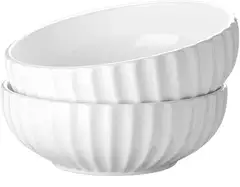
Soup bowls
20 or more Must haveSoup, porridge, stews and desserts all need a bowl. A bowl also keeps hot food from cooling quickly.
How to use it: Buy matching bowls so stacking is easy. Keep a few extra for lunch rushes.
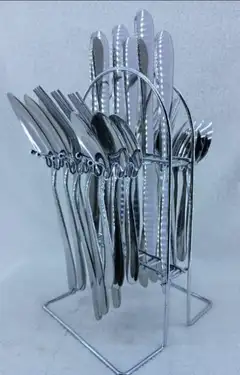
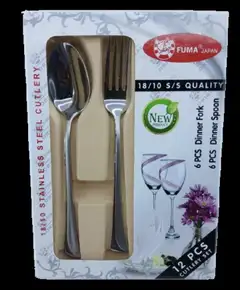
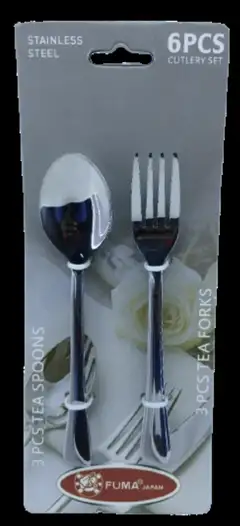
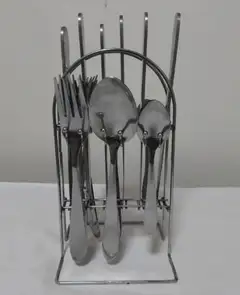
Cutlery sets
6 sets or more Must haveForks, knives and spoons are the first things that go missing. Order extra from the start.
How to use it: Count your cutlery at the end of each day. Wash it separately so small pieces do not get lost.
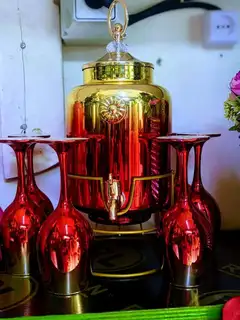
Drinking glasses
24 or more Must haveWater, juice and soda need glasses or cups. Strong glass lasts, but plastic is safer if you expect many breakages.
How to use it: Wash with hot water and dry upside down on a clean towel.
Tea cups and mugs
12 or moreNice to haveTea and coffee are a big part of Rwandan eating out, especially at breakfast.
How to use it: Choose cups that do not crack with boiling water. Keep a spare stack.
 Marble Ceramic Tea CupRWF4,100
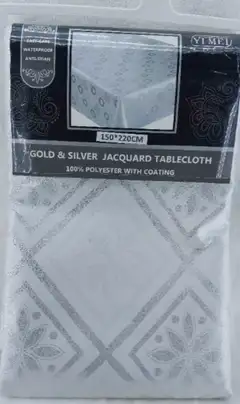
Tablecloths
1 per tableNice to haveA simple cloth makes a plain table look cared for, and it is easy to wipe or wash.
How to use it: Pick a color that hides small stains. Keep a second set for washing days.
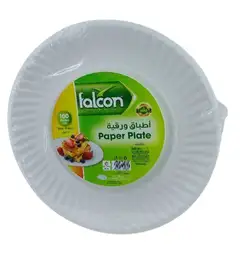
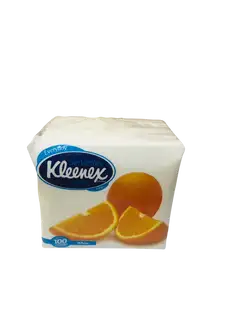
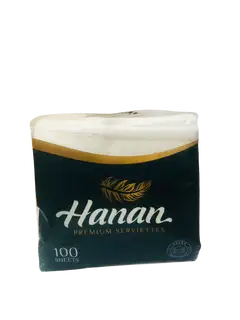
Serviettes
2 to 4 packs Must haveCustomers expect something to wipe their hands with, especially for meat, chips and fruit.
How to use it: Keep a holder on each table. Refill before opening time.






Cleaning and hygiene
A clean kitchen keeps customers healthy and coming back. A hygiene routine from day one is cheaper than fixing a bad reputation.
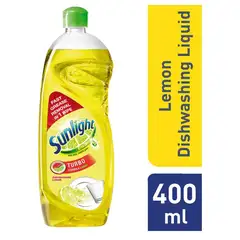
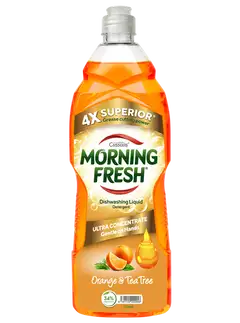
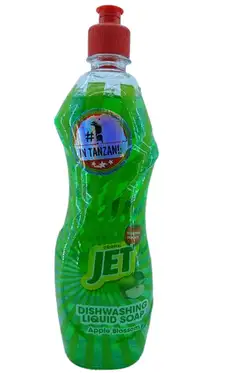
Dishwashing liquid
2 to 3 bottles Must haveYou will wash dishes all day. A large bottle with strong grease cutting saves money.
How to use it: Use hot water. Buy in larger sizes to lower the price per wash.
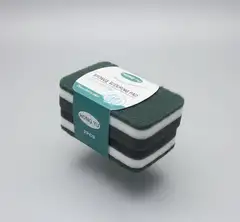
Scrubbing sponges
6 or more Must haveBurnt rice and fried grease need a rough scrubber. Sponges wear out quickly under heavy use.
How to use it: Replace sponges every week or two. Squeeze them out and let them dry between uses.
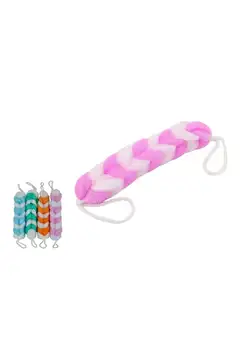 Long Bath Puff Shower SpongeRWF3,200
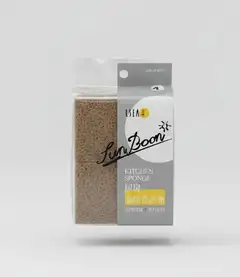 Sun Boon Kitchen SpongeRWF1,000
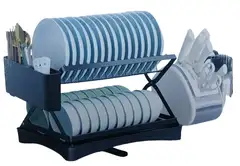
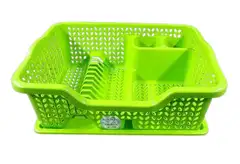
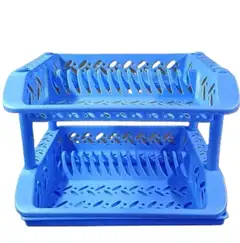
Dish rack
1 to 2 Must haveA rack lets plates and cups drain and dry instead of piling up wet, which spreads germs.
How to use it: Place it near the sink on a surface that handles water.
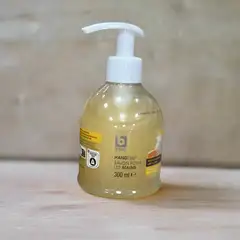
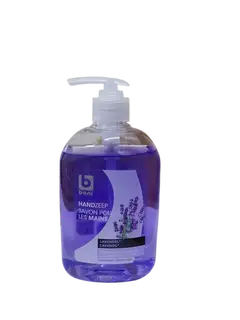
Hand soap and sanitizer
2 each Must haveStaff must wash their hands often, especially after touching raw meat, money or phones.
How to use it: Put soap at every sink and sanitizer near the serving area. Refill before it runs out.
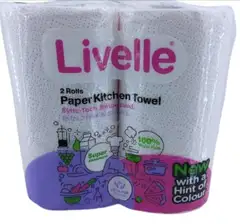
Kitchen paper towels
4 rolls or moreNice to haveUseful for wiping spills, drying hands and cleaning surfaces quickly.
How to use it: Keep a roll near each prep station. Use cloths for heavy cleaning to save cost.
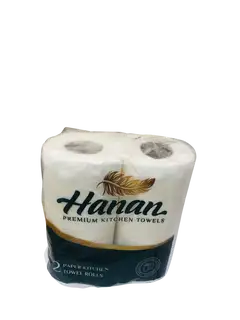 Hanan Kitchen Towel 2 RollsRWF5,400
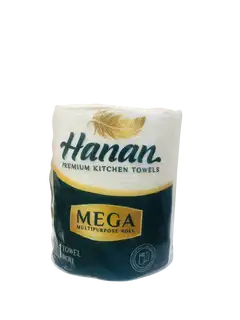 Hanan Kitchen Towel Mega RollRWF8,400
Disposable gloves
1 or 2 boxesNice to haveGloves are handy for handling ready-to-eat food, such as salad or sandwiches.
How to use it: Change gloves between tasks. Gloves do not replace hand washing.
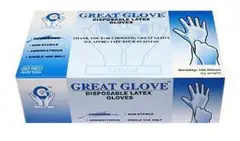 Latex Examination Gloves 100 PiecesRWF16,000
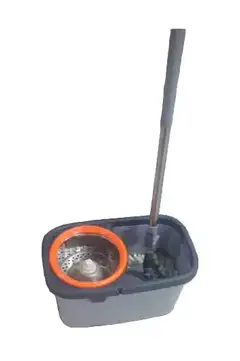
Mop and bucket
1 each Must haveGreasy floors cause falls. Mop at the end of each day and quickly after spills.
How to use it: Use a separate mop for the kitchen and the dining room if you can.
 Water Spray MopRWF15,000
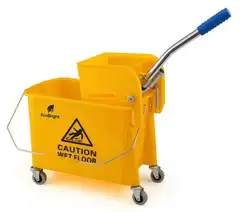 Single Bucket MopRWF12,000
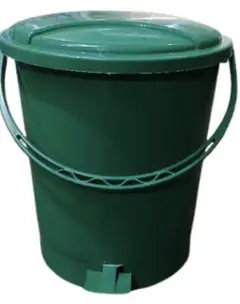
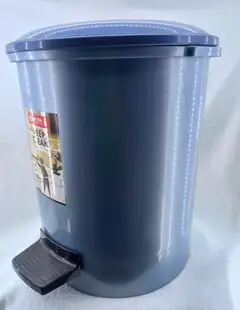
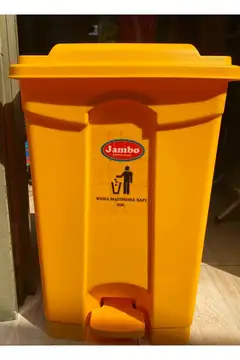
Pedal bin
2 to 3 Must haveA bin with a lid keeps flies and smells away and lets staff drop waste without touching it.
How to use it: Empty it every day and wash it weekly.

Storage and takeaway
Cold storage and good containers protect your stock, reduce waste and let you sell takeaway meals, which many Kigali customers like.
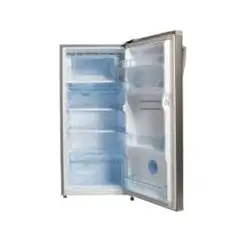
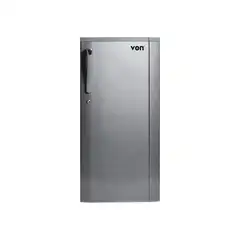
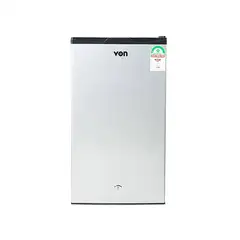
Fridge
1 Must haveMilk, meat, fish and prepared sauces must stay cold. A fridge is one of the biggest purchases, so size it to your menu.
How to use it: Keep it away from the cooker. Do not overfill it, so air can move.
Chest freezer
1Nice to haveLets you buy meat and fish in bulk and keep them safe for longer. A freezer kept closed also holds its cold for a while in a power cut.
How to use it: Label bags with the date. Use older stock first.
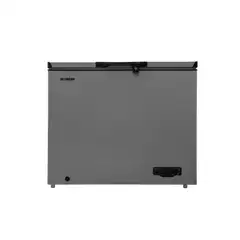 Chest Freezer FDF-220RWF531K
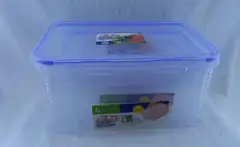
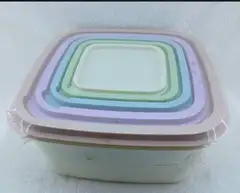
Food storage containers
10 or more Must havePrepared sauces, cut vegetables and leftovers need sealed boxes with lids.
How to use it: Choose clear containers so you can see what is inside. Label and date each one.
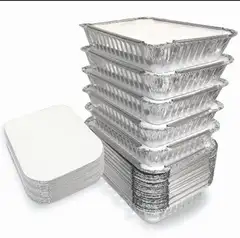
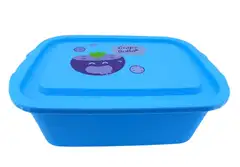
Takeaway boxes
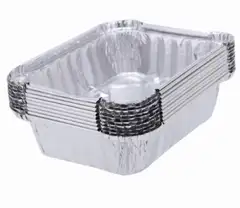
50 or more Must haveMany customers order food to go. A good box keeps food hot and the bag clean on a moto ride.
How to use it: Match box sizes to your portions. Test one with hot food before buying many.
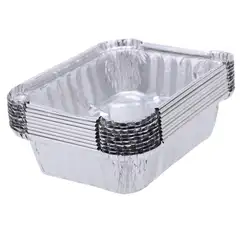
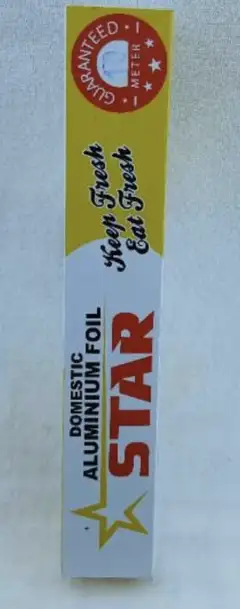
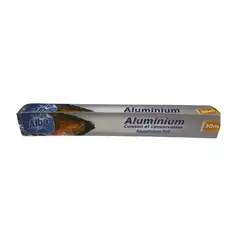
Aluminium foil
2 rollsNice to haveWraps grilled meat, covers trays and keeps leftovers fresh.
How to use it: Keep a roll near the pass and use a fresh sheet for each wrap.

Step by step
- 1
Plan your menu
List every dish you will sell. Work out which pots, pans and tools each dish needs before you buy anything.
- 2
Buy cooking gear
Start with your cooker, regulator, pots and pans. Test them with a full cooking day before opening.
- 3
Add prep and serving tools
Buy knives, boards, ladles and trays. Get extra of the small tools that disappear.
- 4
Set up the dining room
Buy plates, cups, cutlery and serviettes. Count your seats and buy at least double.
- 5
Prepare cleaning and storage
Set up the sink, soap, sanitizer and bins. Place the fridge and containers, then do a trial lunch with friends.
Tips that help
- Buy fewer big pots at first and add more after a busy week shows what you need.
- Always keep a spare gas cylinder and regulator so lunch is never cut short.
- Buy extra cutlery and glasses. They break and vanish faster than you expect.
- Keep raw and cooked food apart, with their own boards and knives.
- Do a trial lunch with family and friends to find missing tools before you open.
- Label food containers with the date so nothing stays too long.
- Order heavy items such as fridges for delivery on a day when someone can receive them.
Mistakes to avoid
- Buying thin cheap pots that burn food and dent in the first month.
- Forgetting gas safety. Check hoses and regulators, and never test leaks with a flame.
- Buying too few plates and cups, then running out at the lunch rush.
- Skipping hygiene items such as hand soap and sanitizer until a customer complains.
- Spending on decoration before the kitchen works well.
Questions people ask
What equipment do I need to open a small restaurant in Kigali?+
At minimum you need a cooker with a regulator and cylinder, pots and pans, knives and boards, serving tools, plates, cups and cutlery, cleaning supplies and cold storage. Add fryers and warmers when your menu needs them.
Should I use gas or charcoal in a restaurant kitchen?+
Gas is cleaner, faster to control and easier to keep tidy, so many small restaurants choose it. Ask your landlord and local office about what is allowed in your building.
How many plates and cups should I buy?+
Count your seats and buy at least twice that number so you still have clean ones during busy hours. Buy extra cutlery too.
Do I need a freezer on day one?+
Not always. A fridge is a must, but a chest freezer can wait if you buy fresh daily. Add one when you start buying meat or fish in bulk.
How do I keep my kitchen clean when it is busy?+
Give each task a tool, wash as you go, and mop at closing. Keep soap, sanitizer, towels and bins at every station.
A good kitchen is built piece by piece, and each tool on this list earns its place. Open the Isokko app, search the items one by one and have them delivered to your new kitchen in Kigali.
Shop this list
Get everything delivered in Kigali
Order from local stores on Isokko and pay with MoMo, card or cash. Same-day delivery.