
Checklist · Sports & fitness
Training for Your First 10K or Half Marathon in Kigali
Training for your first 10K or half marathon in Kigali? The gear, running food, hydration, recovery kit and race day checklist to get you to the finish line.
Updated November 16, 2026 · By Isokko
Signing up for your first 10K or half marathon is a big, exciting step. Kigali is a wonderful and tough place to train. The hills build strength fast, the altitude makes your lungs work harder, and early mornings are cool and beautiful. There is also a growing community of running groups and races, including the Kigali International Peace Marathon.
Good training is mostly consistency: running a few times a week, slowly building distance and resting enough. The right shoes, enough water, simple running food and a recovery routine make it much easier to stick with it and avoid injury.
This checklist covers what to buy for training and race day. If you have a heart condition, high blood pressure, asthma or any health worry, see a doctor before you start training.
Who it's for
New runners in Kigali preparing for their first 10K or half marathon
Time needed
Around 8 weeks for a 10K and 12 weeks or more for a half marathon if you already run a little
When to shop
Buy shoes and kit at the start of training, and stock running food every week
On the list
27 items, 12 must haves
0 of 27 ready
Shoes and running clothes
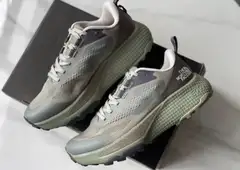
Your feet carry you hundreds of kilometers in training. Shoes are the one thing worth spending on.
Running shoes
1 pair Must haveProper cushioning protects your knees, shins and feet on Kigali's hard roads and steep downhills.
How to use it: Buy them early so they are broken in before race day. Replace them when the cushioning feels flat.
Breathable t-shirts
2 to 3 Must haveCotton gets heavy with sweat and rubs. Light, quick dry tops are more comfortable.
How to use it: Have at least two so one can dry while you wear the other.
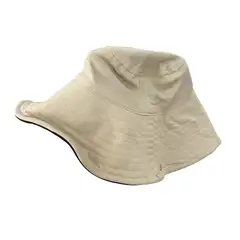
Cap or sun hat
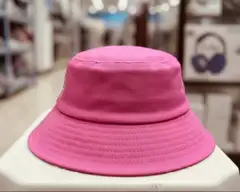
1 Must haveShades your face on sunny long runs and keeps sweat out of your eyes.
How to use it: A light colored cap stays cooler.
Sunglasses
1Nice to haveLong runs often finish after the sun is up and bright.
How to use it: Pick a light pair that does not bounce.
 Brown Sunglasses with coverRWF10,000
 Adult sunglasses 13RWF4,000
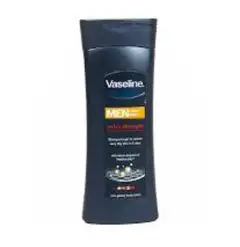
Petroleum jelly
1 tub Must haveStops chafing on thighs, underarms and feet on long runs.
How to use it: Apply a thin layer to any area that rubs before every long run and on race day.
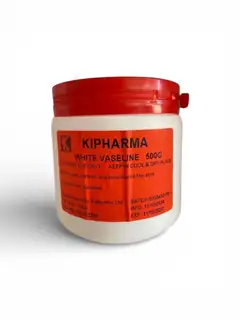 White Vaseline kipharma 500grRWF10,000
 Doctor's medical VaselineRWF8,650




Hydration
Kigali's altitude and dry season air dehydrate you faster than you think.
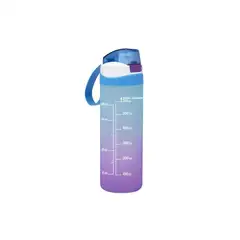
Sports water bottle
1 to 2 Must haveLets you drink on runs longer than 45 minutes.
How to use it: Sip small amounts every 15 to 20 minutes on long runs.


Bottled water
1 pack per week Must haveYou need extra water during heavy training weeks, before and after runs.
How to use it: Keep a pack at home so you always have cold water ready.
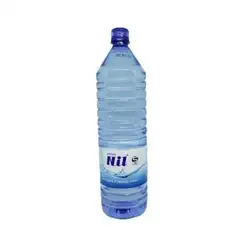
 Nil mineral water 5LRWF4,500
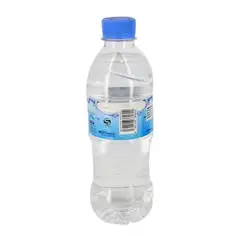 Inyange Mineral water 500mlRWF1,000
Glucose powder
1 packNice to haveA simple source of quick energy on long runs and race day.
How to use it: Mix a small amount into your water bottle for runs over an hour. Test it in training first, never for the first time on race day.
 Vinit Glucose biscuits 44grRWF1,000
 Excel Pure Glucose Powder 250grRWF4,100
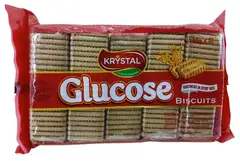 Krystal Glucose Biscuits 190g*5RWF7,500
Coconut water
A fewNice to haveA refreshing drink after long, sweaty runs.
How to use it: Drink it chilled after your long run.



Running food
You do not need special supplements. Simple, real food fuels training well.
Oats
1 pack Must haveSlow release energy for breakfast before a morning run.
How to use it: Eat a small bowl about 1 to 2 hours before running, or the night before for very early runs.
Bananas
1 bunch per week Must haveThe classic pre run snack: easy to digest and full of quick energy.
How to use it: Eat one 30 to 60 minutes before running.
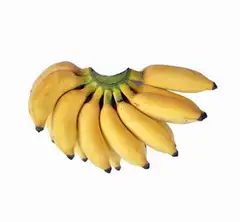 Sweet banana (Kamara)RWF2,500
 Sweet banana UnripeRWF2,500
Peanut butter
1 jarNice to haveAdds protein and healthy fat to toast or oats.
How to use it: Spread it on bread for an easy post run snack.
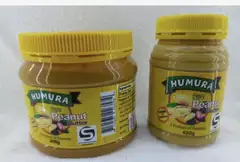 Humura peanut butter 800grRWF12,000
 Nuty&more (peanut butter)800gRWF12,000
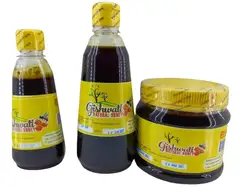
Honey
1 jarNice to haveNatural quick energy, nice in tea or on toast before a run.
How to use it: Add a spoon to your oats or bread on long run mornings.
Dates
1 packNice to haveSmall, portable energy for long runs.
How to use it: Carry two or three in a pocket for runs over 90 minutes.
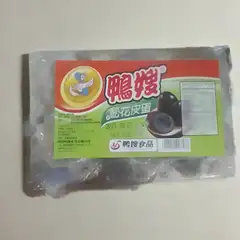
Eggs
1 tray Must haveCheap, quick protein to help your muscles recover.
How to use it: Have boiled eggs for breakfast or after a run.
Rice and pasta
1 pack each Must haveCarbohydrates refill your energy stores, especially before a long run or race.
How to use it: Eat a normal sized pasta or rice meal the evening before your long run. Do not overeat the night before the race.
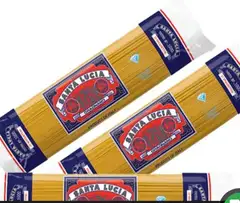 Santa Lucia pasta spaghetti 250gRWF3,800
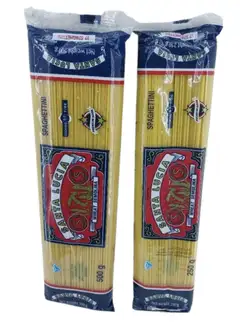 Santa Lucia SpaghettiRWF1,800
Sweet potatoes
1 to 2 kg per weekNice to haveA filling, healthy carbohydrate that is easy to find in Kigali.
How to use it: Boil or roast them as a side with dinner.
Greek yoghurt
A few cupsNice to haveProtein and a nice cool snack after training.
How to use it: Top with banana and honey.
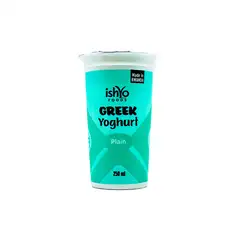 Ishyo Greek Yoghurt 250MLRWF2,300
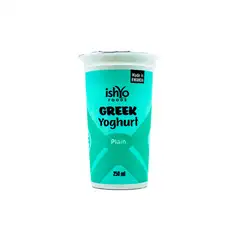 ISHYO GREEK YOGHURT PLAIN 250MLRWF2,300
 ISHYO FOODS GREEK YOGHURTRWF2,300














Recovery and strength
Rest days and strength work prevent the injuries that stop most new runners.
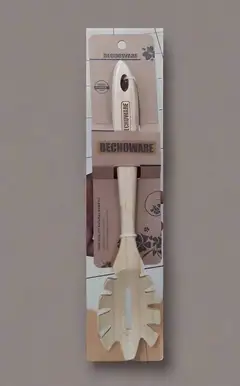
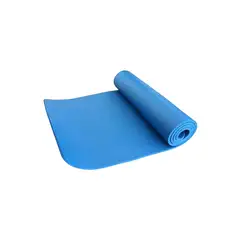
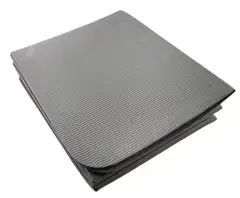
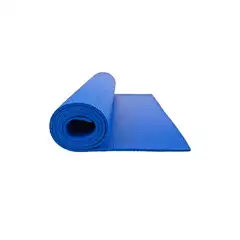
Exercise mat
1 Must haveFor stretching, core work and strength exercises at home.
How to use it: Do 15 minutes of stretching and core work two or three times a week.
Resistance bands
1 setNice to haveStrengthens hips, glutes and legs to protect your knees.
How to use it: Add simple band exercises like side steps and bridges on rest days.
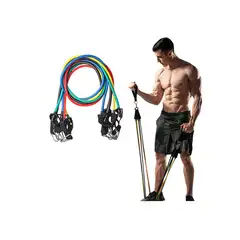 RESISTANCE BANDSRWF33,000
Massage oil
1Nice to haveHelps sore calves and thighs after long runs.
How to use it: Massage gently after a warm shower in the evening.
Skipping rope
1Nice to haveBuilds foot strength and coordination when you cannot get out for a run.
How to use it: Start with a few short rounds and build up.
 SKIPPING ROPERWF5,500
 Jump ropeRWF3,000



Race day and tracking
Get your race day kit ready early so the morning is calm.
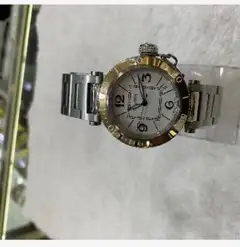
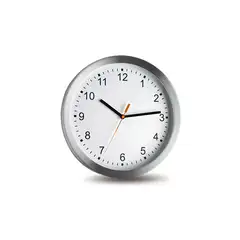
Stopwatch or sports watch
1Nice to haveHelps you pace your runs and avoid starting too fast.
How to use it: Use it to run by time in training, for example 30 minutes easy.
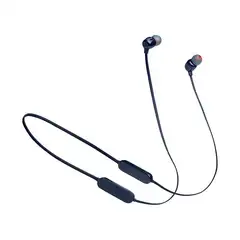
Earbuds
1 pairNice to haveMusic or podcasts make long training runs pass faster.
How to use it: Keep the volume low and one ear free on roads so you hear traffic.
Small towel
1Nice to haveTo wipe sweat during and after runs.
How to use it: Keep one in your bag on race day.
 Small TowelRWF1,500
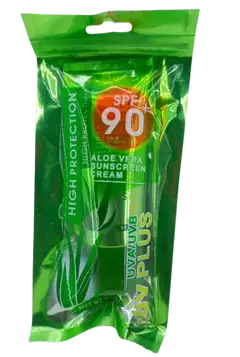
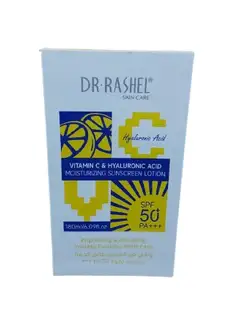
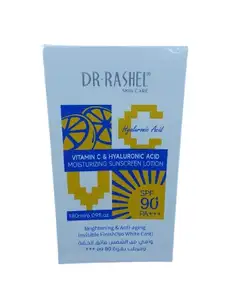
Sunscreen
1 Must haveYou may be in the sun for one to three hours on race day.
How to use it: Apply before you leave home, including ears and neck.
Safety pins
4 to 6Nice to haveRace bibs often need pins. Bring your own spares.
How to use it: Pin the bib on your shirt the night before.



Step by step
- 1
Start of training
Pick your race and count back 8 to 12 weeks. Buy your shoes and kit, and plan three or four runs a week, mostly at an easy pace where you can talk.
- 2
Build week by week
Add distance slowly, about 10 percent a week, with one longer run each weekend. Use Kigali's hills once a week for strength, and keep at least one full rest day.
- 3
Every week
Stock up on running food on Isokko: oats, bananas, eggs, rice or pasta, water and snacks. Try your race day breakfast and drinks on long runs.
- 4
Race week
Run less and rest more. Collect your bib, check the route and start time, and lay out your race kit two nights before.
- 5
Race morning
Eat your tested breakfast early, apply petroleum jelly and sunscreen, arrive with time to warm up, and start slower than you think you should.
- 6
After the race
Walk, drink, eat and stretch. Take a few easy days before you plan your next goal.
Tips that help
- Run most of your training slowly. Easy runs build the base that makes race day possible.
- Join a running group in Kigali. Training with others keeps you motivated and safe on early mornings.
- Use the hills, but walk the steepest ones in your first weeks. Your legs will get stronger.
- Never try new shoes, food or drinks on race day. Test everything in training.
- Run early to avoid heat and traffic, and wear something bright if it is still dim.
- Sleep is training too. Aim for a regular bedtime during heavy weeks.
Mistakes to avoid
- Increasing distance too fast and getting shin or knee pain.
- Starting the race too fast and struggling in the second half.
- Training in old or worn out shoes.
- Skipping rest days and strength work.
- Not drinking enough water in the dry season.
Questions people ask
How long does it take to train for a half marathon?+
If you can already run for about 30 minutes, plan around 12 weeks for a half marathon. For a 10K, about 8 weeks is a common plan. Complete beginners should allow more time and start with walk and run sessions.
What should I eat before a long run?+
Eat something light and familiar, rich in carbohydrates, about 1 to 2 hours before, such as oats with banana and honey or bread with peanut butter. Drink water and avoid heavy, oily or very high fiber food just before running.
Is it harder to run in Kigali?+
Kigali's altitude and hills make running feel harder at first, but they also make you stronger. Run by effort rather than speed, and you will adapt over a few weeks.
Which shoes should I buy for my first half marathon?+
Choose comfortable running shoes with good cushioning that fit well with a little room at the toes. Try them on with running socks, walk and jog in them, and break them in before race day.
Do I need energy gels for a half marathon?+
Not necessarily. Many runners use simple foods like dates, bananas or a little glucose in water. Whatever you choose, test it on long training runs first.
When should I see a doctor?+
See a doctor before training if you have a health condition, and stop running and get checked if you have chest pain, dizziness, fainting or pain that gets worse when you run.
Your first 10K or half marathon is a goal you will remember for a long time. With good shoes, steady training, simple food and enough rest, the finish line is closer than you think. Shop the list on Isokko and keep your running kitchen stocked every week.
Shop this list
Get everything delivered in Kigali
Order from local stores on Isokko and pay with MoMo, card or cash. Same-day delivery.