
Checklist · Emergencies & power cuts
Car Emergency Kit for Rwanda's Roads: What to Keep in Your Car
A car emergency kit checklist for drivers in Kigali and on trips across Rwanda: breakdown tools, light, power, water, first aid basics and rainy season extras.
Updated November 16, 2026 · By Isokko
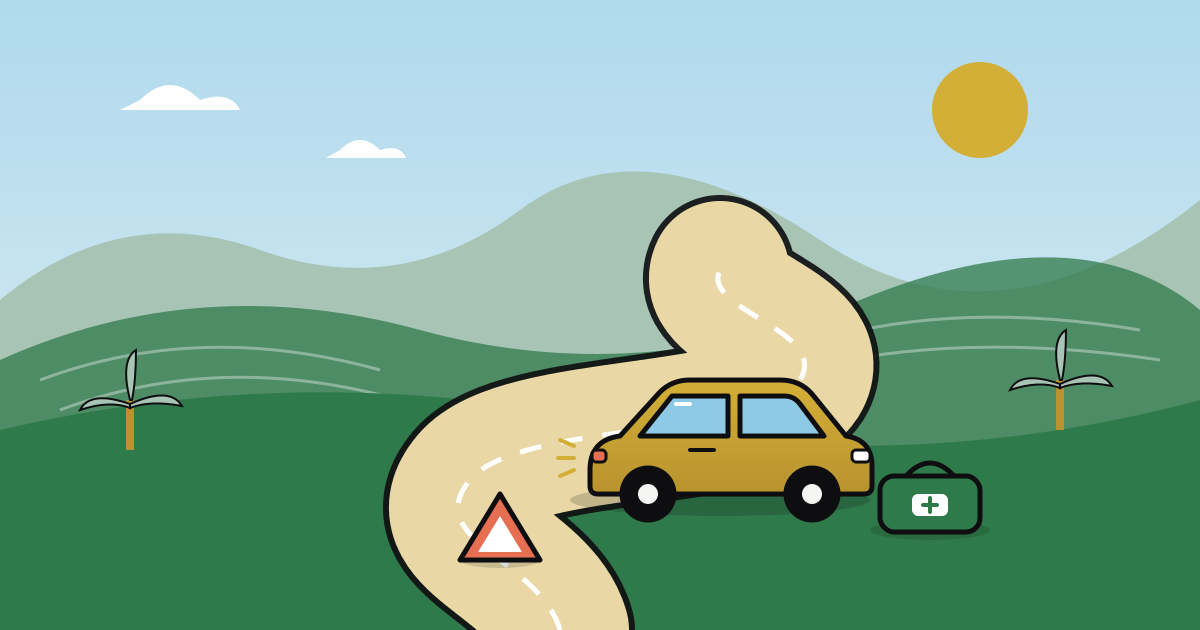
Driving in Rwanda is mostly a pleasure: good main roads, green hills and beautiful views. But the hills are steep, rain arrives fast, and a flat tyre or dead battery on the road to Musanze or Nyungwe can leave you waiting a long time between towns.
A small emergency kit in the boot turns those moments from stressful to manageable. You can make yourself visible, change a tyre, stay charged, keep everyone fed and dry, and wait for help calmly.
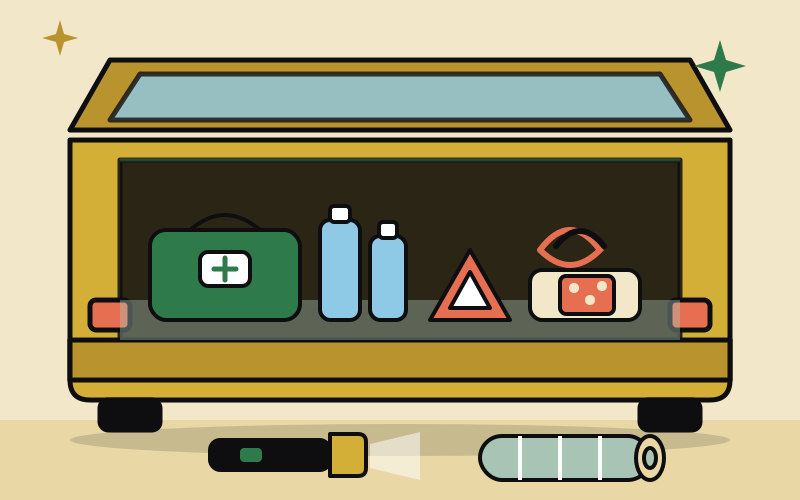
This checklist groups the kit by job, so you can build it step by step. Keep it in one sturdy bag or box that lives in the car all the time.
Who it's for
Drivers in Kigali and anyone taking road trips to Musanze, Rubavu, Huye, Nyungwe or Akagera
Time needed
One hour to gather and pack
When to shop
Before your next long trip, and check the kit at the start of each rainy season
On the list
28 items, 15 must haves
0 of 28 ready
Breakdown and tyre tools
Most roadside trouble is a flat tyre or a flat battery. Be ready for both.
Spare tyre, jack and wheel spanner
1 set Must havePotholes on rural roads and sharp stones on murram roads cause flats far from any garage.
How to use it: Check the spare's pressure every month and practice changing a tyre once at home, in daylight, so you know how your jack works.
Warning triangles
2 Must haveOn winding hill roads, drivers need early warning that a car is stopped around the bend.
How to use it: Place one well behind the car, further back on bends and hills, and switch on your hazard lights. Check current traffic police requirements for what to carry.
Jumper cables
1 set Must haveA flat battery is easy to fix with a second car and good cables, and other drivers usually help.
How to use it: Connect red to the positive terminals first, then black to the good battery and to bare metal on the dead car. Read your car manual first.
Tow strap
1Nice to haveIf the car will not start on a muddy or remote road, a tow to the nearest garage may be the fastest way out.
How to use it: Use a proper tow strap rated for cars, never a clothesline, and attach it only to the car's towing points.
Adjustable spanner
1Nice to haveLoosens battery terminals, tightens loose clamps and helps with small roadside fixes.
How to use it: Keep it in the kit with a cloth to wipe your hands.
 Adjustable Spanner (250x30)RWF4,000
Pliers and screwdriver
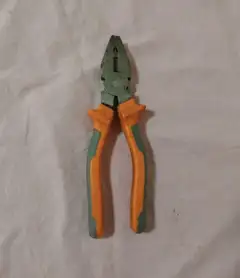
1 eachNice to haveSmall tools solve small problems, like a loose number plate, a rattling part or a stuck fuse.
How to use it: A combination plier and a two piece screwdriver set cover most needs.
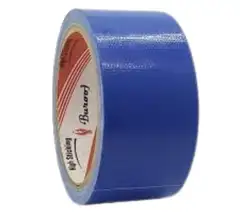
Strong tape
1 rollNice to haveHolds a loose bumper, a cracked light cover or a broken hose clamp together until you reach a garage.
How to use it: Clean and dry the surface before taping for a firmer hold.
Work gloves
1 pairNice to haveChanging a tyre or touching a hot engine bay is easier and safer with gloves.
How to use it: Keep a pair with the jack so you never forget them.


Light, visibility and power
Breakdowns at night or in heavy rain are the hardest. Light and a charged phone make all the difference.
Rechargeable torch
1 Must haveTo see under the bonnet, find the jack point or walk safely to a house at night.
How to use it: Charge it monthly and keep it in the glove box, not buried under bags in the boot.
 LED Rechargeable Power Torch 1WRWF5,000
 LED Rechargeable Power Torch 1WRWF7,500
 LED Rechargeable Power Torch 1WRWF10,000
Reflective vest
1 per regular passenger Must haveMakes you visible to other drivers if you have to stand beside the road.
How to use it: Put it on before you get out of the car at night or in rain.
Car phone charger
1 Must haveKeeps your phone ready for maps, MoMo payments and calls for help.
How to use it: Charge while driving so you start any problem with a full battery.
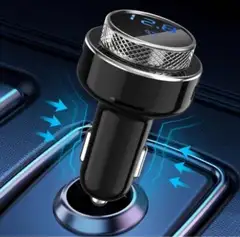 AI Bluetooth car chargerRWF22,000
 Normal iphone chargerRWF15,000
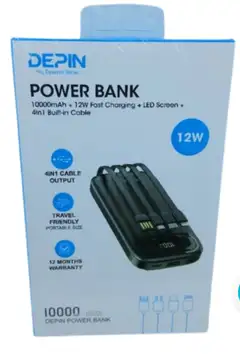
Power bank
1 Must haveIf the car battery is dead, the car charger is useless. A power bank still works.
How to use it: Keep it charged at home and in the glove box before long trips.
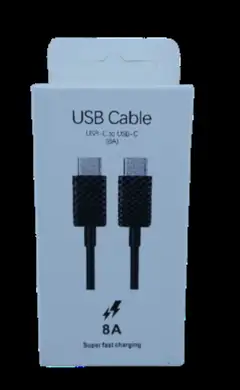
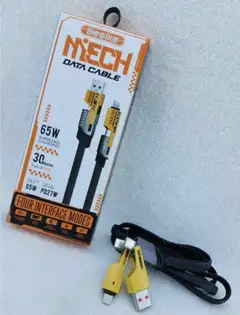
Charging cable
1Nice to haveThe one in the car always seems to disappear.
How to use it: Keep a spare in the kit bag, separate from the one you use daily.



First aid and hygiene
For small cuts and scrapes on the road. For anything serious, get to a health facility.
First aid kit
1 Must haveTreats small cuts, blisters and scrapes while you wait or drive on to the next town.
How to use it: Check it twice a year and replace anything used or out of date. Pharmacies sell ready made kits.
Antiseptic
1 small bottle Must haveCleaning a cut quickly lowers the chance of infection.
How to use it: Dilute as the label says and clean the wound before covering it.
Hand sanitizer
1 Must haveAfter changing a tyre or a roadside toilet stop, clean hands before eating.
How to use it: Keep it in the door pocket for easy reach.
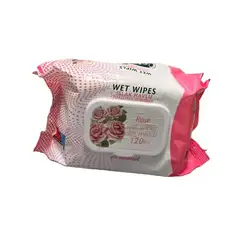
Wet wipes
1 or 2 packsNice to haveClean oily hands, sticky children and spilled drinks on long journeys.
How to use it: Keep a pack in the glove box and one in the kit.
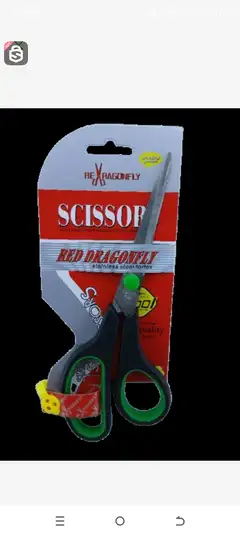
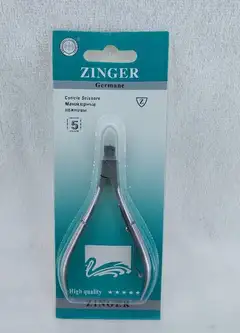
Scissors
1Nice to haveFor cutting tape, bandages or a stuck strap.
How to use it: Keep them in the first aid pouch.









Water, food and comfort
Help can take a while on rural roads. Keep everyone hydrated, fed and warm.
Drinking water
3 to 5 litres Must haveWaiting by the road in the sun is thirsty work, and water can also top up an overheated radiator in an emergency.
How to use it: Keep a few litres in the boot and replace them every month so the bottles stay fresh.
Long life snacks
A few packs Must haveNuts, dried fruit and biscuits keep tempers calm and energy up during a long wait.
How to use it: Choose snacks that survive heat. Chocolate melts on sunny days.
Blanket
1Nice to haveEvenings in the mountains near Musanze and Nyungwe get surprisingly cold, and a blanket also keeps your clothes clean when you kneel to change a tyre.
How to use it: Fold it flat under the kit bag.
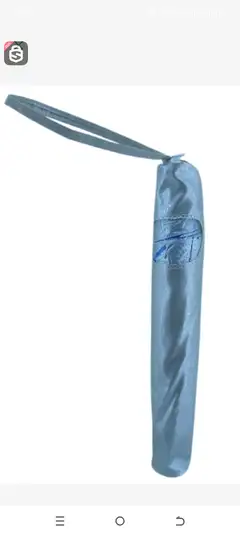
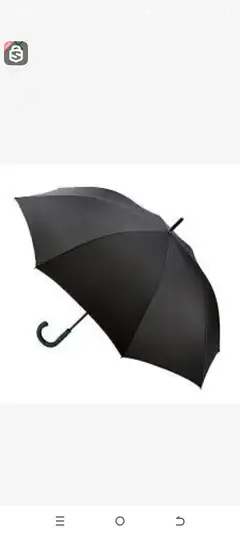
Umbrella
1 Must haveRain arrives fast in the rainy seasons, often in the afternoon.
How to use it: Keep it behind the driver's seat so you can grab it before stepping out.
Raincoat
1Nice to haveChanging a tyre in a downpour is impossible with an umbrella in one hand.
How to use it: Pack a folded raincoat in the kit bag.
 Rain coatRWF20,700
Sunglasses
1Nice to haveLow morning and evening sun on east and west facing roads can be blinding.
How to use it: Keep a pair in the sun visor.
 Brown Sunglasses with coverRWF10,000
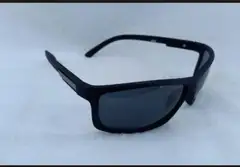 Adult sunglasses 13RWF4,000









Keeping the car clean and clear
Red dust and mud cover windows and lights fast. Clean glass and lights are safety items too.
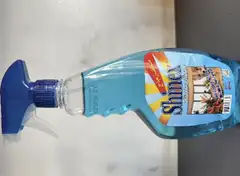
Glass cleaner
1 bottleNice to haveA dusty, greasy windscreen makes night driving and low sun much harder.
How to use it: Clean the inside of the windscreen weekly; that film is often what causes glare.
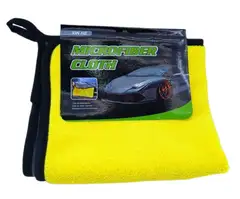
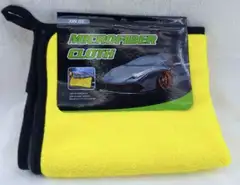
Microfiber cloths
2 Must haveFor mirrors, headlights and windows on the road, and wiping hands after a check under the bonnet.
How to use it: Keep two in the door pocket: one for glass, one for everything else.
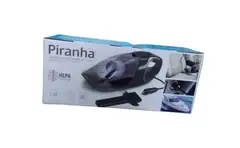
Car vacuum
1Nice to haveSand and red dust in the carpets end up in the air vents and on your clothes.
How to use it: A quick vacuum once a week keeps the inside fresh.
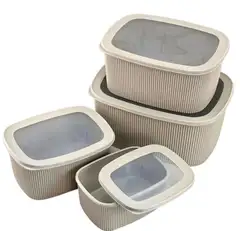
Storage box or bag for the kit
1 Must haveA loose kit rolls around the boot and you cannot find anything when you need it.
How to use it: Use one sturdy box or bag and strap it down if you can.
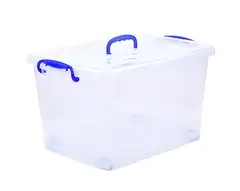 Storage Box 16LRWF23,000
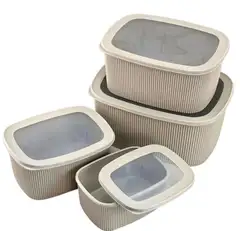 Kitchen storage boxes 4pcsRWF28,800



Step by step
- 1
Check what your car already has
Open the boot and find the spare tyre, jack and wheel spanner. Check the spare's pressure and that the jack works.
- 2
Buy the missing pieces
Add warning triangles, a torch, a power bank, a first aid kit, water and snacks first, then the extras.
- 3
Pack one bag
Put everything in a single box or bag in the boot, and keep the torch, charger and sanitizer within reach of the driver.
- 4
Before a long trip
Check tyres, oil, water and lights, charge the power bank, refresh the water and snacks, and share your route with someone at home.
- 5
Every rainy season
Check wipers and tyres, test the torch, and make sure the umbrella and raincoat are in the car.
Tips that help
- Fill up before leaving Kigali on long trips. Fuel stations can be far apart on some routes.
- Keep copies of your car documents and insurance details in the glove box, and photos of them on your phone.
- On steep hills in heavy rain, slow down early and leave extra space. Red earth roads turn slippery fast.
- If you break down, pull as far off the road as you safely can, switch on hazard lights and get passengers out on the side away from traffic.
- Download offline maps for areas with weak network coverage.
- Save your insurer's and a trusted mechanic's numbers in your phone before you need them.
Mistakes to avoid
- Never checking the spare tyre until the day you need it.
- Using a clothesline or thin rope to tow a car.
- Standing behind or beside the car on a bend without a vest or warning triangle.
- Letting the water bottles in the boot sit for months in the heat.
- Packing the kit under all the luggage on a road trip.
Questions people ask
What should be in a car emergency kit?+
A spare tyre, jack and spanner, warning triangles, jumper cables, a torch, a power bank and car charger, a first aid kit, water, snacks, an umbrella and a reflective vest. Add tools, a blanket and cleaning supplies for longer trips.
What do I need for a road trip in Rwanda?+
Everything in a basic car kit, plus a full tank, offline maps, extra water and snacks, warm layers for mountain areas, and a charged power bank. Tell someone at home your route and expected arrival time.
What safety equipment must I carry in my car in Rwanda?+
Requirements can change, so check the current rules with the traffic police or your insurer. Warning triangles, a reflective vest, a spare tyre and a first aid kit are sensible to carry in any case.
How do I drive safely on Kigali's hills in the rain?+
Slow down before descents, use a lower gear instead of riding the brakes, leave much more space than usual, and watch for motos and pedestrians. Turn on your lights so others can see you.
How often should I check my car emergency kit?+
Look through it every few months and before every long trip. Recharge the torch and power bank, replace water and snacks, and refill anything you used from the first aid kit.
A good car kit takes an hour to put together and could save you a very long afternoon by the road. Get your torch, power bank, first aid supplies, water and snacks on Isokko, pack the bag once, and drive with peace of mind.
Shop this list
Get everything delivered in Kigali
Order from local stores on Isokko and pay with MoMo, card or cash. Same-day delivery.