
Checklist · Emergencies & power cuts
Fire Safety at Home with Gas Cylinders and Charcoal: Checklist
A home fire safety checklist for Kigali kitchens: gas cylinder and regulator checks, safe charcoal use, extinguishers, fire blankets and what to do in the first minute.
Updated November 16, 2026 · By Isokko
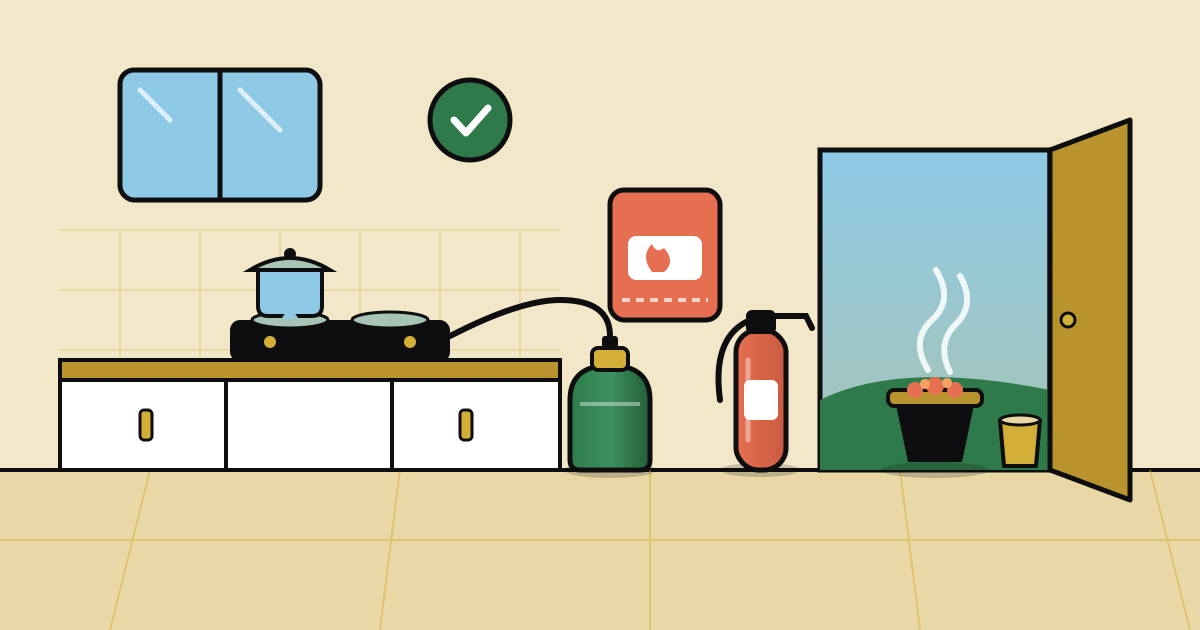
Most Kigali kitchens run on a gas cylinder, a charcoal stove or both. They cook a great meal, and they also bring two real risks: fire and fumes. A worn gas hose, a pan of oil left on the flame, or a charcoal stove brought inside on a cold rainy evening can turn dangerous fast.
The good news is that most home fires and gas accidents are preventable with simple checks and a few pieces of equipment. This checklist covers gas, charcoal, electricity and the gear that helps you act in the first minute, which is when a small fire is still small.
Go through it with everyone who cooks in your house, including children old enough to help and any house helper. Safety only works when everyone knows the plan.
Who it's for
Every Kigali household that cooks with gas, charcoal or both, and anyone with a house helper who does the cooking
Time needed
One hour to check your kitchen and set up the kit
When to shop
Now, and replace gas hoses and regulators when they show wear
On the list
20 items, 14 must haves
0 of 20 ready
Gas cylinder and cooker
Most gas problems start at the connection between the cylinder and the cooker.
Good quality gas regulator
1 Must haveThe regulator controls the pressure from the cylinder. A cracked or worn one can leak where you cannot see it.
How to use it: Check it for cracks and a firm fit each time you change the cylinder. Replace it if it is damaged, loose or old.
 CR - 168B COSCO Gas RegulatorRWF12,500
 CR-168B Costco gas RegulatorRWF10,000
Gas hose for the cooker
1 Must haveRubber hoses dry out and crack over time, especially near the heat of the cooker.
How to use it: Bend the hose gently and look for cracks. Keep it short, away from the flame, and replace it at the first sign of wear.
 Cable for Gas Cooker 1MRWF2,500
 Cable for gas cooker 1MRWF1,500
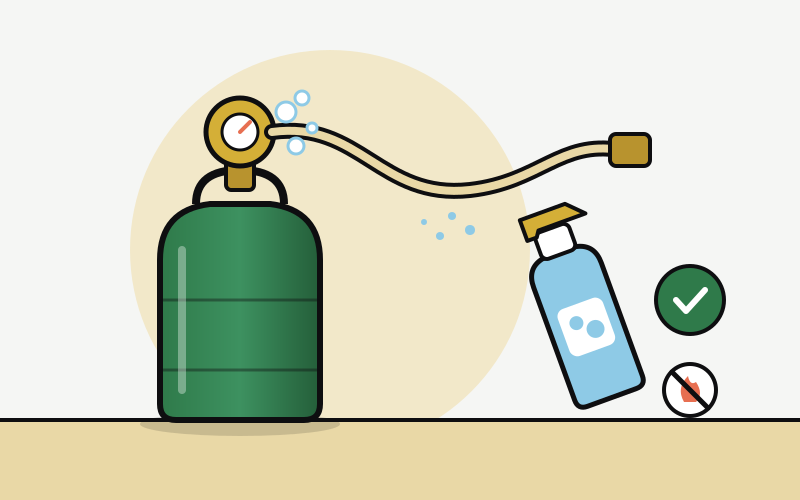
Spray bottle for leak tests
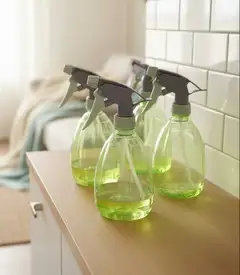
1 Must haveSoapy water shows a gas leak safely: bubbles form where gas escapes.
How to use it: Mix water with a little dish soap, spray the regulator, hose and joints with the gas on and the cooker off. Bubbles mean a leak. Never test with a flame.


Dishwashing liquid
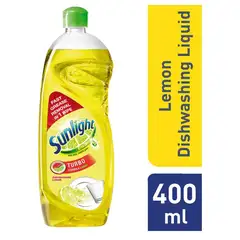
1 bottle Must haveThe soap for your monthly leak test, and the easiest way to keep the cooker free of grease that can catch fire.
How to use it: Wipe spills and grease off the cooker after each use, once it has cooled.
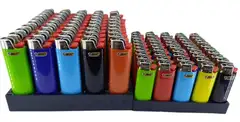
Long gas lighter
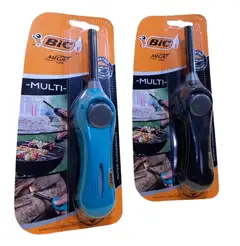
1 Must haveKeeps your hand away from the burner when lighting, and works when the cooker's igniter fails or the power is out.
How to use it: Light the lighter first, then turn on the gas. Store it out of children's reach.



Charcoal stoves
Charcoal gives off carbon monoxide, a gas you cannot see or smell that can kill in a closed room.
Kitchen tongs
1 Must haveFor moving hot charcoal and pots safely without burns.
How to use it: Use long metal tongs, never your fingers or a cloth, to add or move coals.
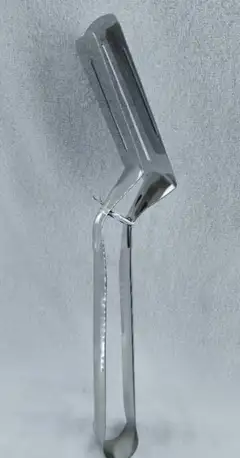 Kitchen TongsRWF3,500
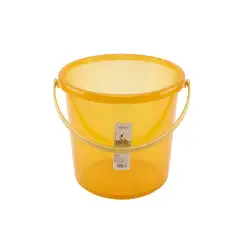
Bucket of sand
1 Must haveSand puts out spilled embers and small fires around the stove, and is safer than water near hot oil.
How to use it: Keep a bucket of dry sand next to where the charcoal stove is used, and refill it after use.
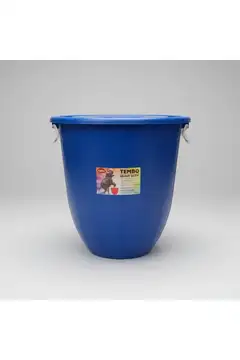
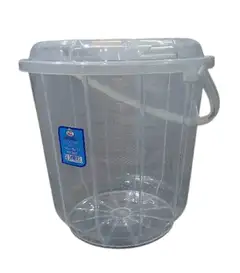 Graduated plastic bucketRWF4,600
Pot lid that fits
1 per frying pan Must haveCovering a pan is the fastest way to put out a small oil or food fire in the pan.
How to use it: Keep the right lid next to the pan when frying. If oil catches fire, turn off the heat and slide the lid over. Never throw water on burning oil.
Carbon monoxide alarm
1Nice to haveWarns you if fumes build up from a charcoal stove or a faulty gas appliance.
How to use it: Fit it in the room where you cook or near bedrooms if your kitchen is inside, and test it monthly. Your best protection is still never using charcoal in a closed room.

Putting out a fire
The first minute decides most kitchen fires. Have the right tool within reach.
Fire extinguisher
1 Must haveA small extinguisher can stop a kitchen fire before it spreads to cupboards and curtains.
How to use it: Mount it near the exit of the kitchen, not behind the cooker. Learn the steps: pull the pin, aim at the base, squeeze, sweep. Have it checked as the label says.
Fire blanket
1 Must haveSmothers a pan fire or wraps around a person whose clothes catch fire.
How to use it: Hang it on the wall near the cooker. Pull the tapes, cover the fire completely, turn off the heat and leave it covered.
Smoke alarm
1 or 2Nice to haveWakes you up if a fire starts at night, when most fatal house fires happen.
How to use it: Fit one in the corridor outside bedrooms, test it monthly and change the battery when it chirps.
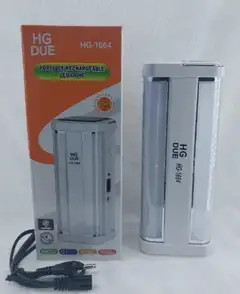
Rechargeable torch
1 per bedroom Must haveFires and power cuts often go together, and smoke makes rooms dark.
How to use it: Keep one charged by the bed so you can find the way out at night.
 LED Rechargeable Power Torch 1WRWF5,000
 LED Rechargeable Power Torch 1WRWF7,500
 LED Rechargeable Power Torch 1WRWF10,000
Safe electricity and light
Overloaded sockets and candles cause many house fires.
Good multi socket extension
1 or 2 Must haveChains of cheap adapters and overloaded sockets overheat, especially with kettles, irons and heaters.
How to use it: Plug one high power appliance per socket, never chain extensions, and replace any that feel hot or look burnt.
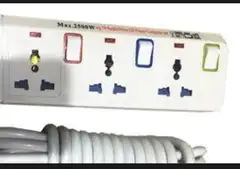 Kidris Multi socket (3 ways)RWF9,600
 Kadris Multi socket (6 ways)RWF13,200
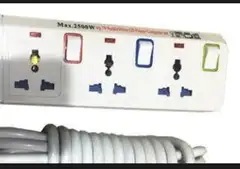 Kadris Multi socket (4Ways)RWF10,800
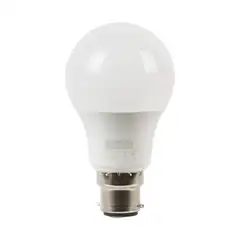
LED bulbs
As neededNice to haveThey run much cooler than old bulbs and are safer near curtains and lampshades.
How to use it: Replace any bulb that sits close to fabric first.
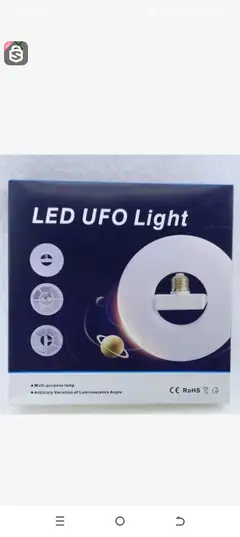
Rechargeable lamp instead of candles
1Nice to haveCandles left near mosquito nets and curtains during power cuts are a common cause of fires.
How to use it: Use a rechargeable lamp for power cuts and keep candles for when someone is in the room watching them.
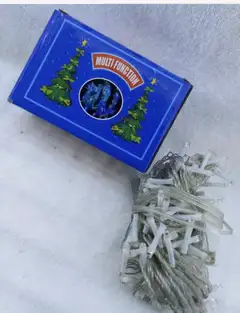 LED Light Multi FunctionRWF6,000

Burns and the way out
Be ready to treat small burns and to get everyone out quickly.
First aid kit
1 Must haveFor small burns and cuts in the kitchen.
How to use it: For a burn, cool it under cool running water for about 20 minutes and cover it loosely with a clean dressing. Do not use butter, oil or toothpaste. Go to a health facility for large, deep or face burns, and for any burn on a child.
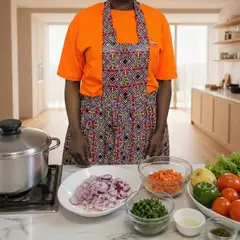
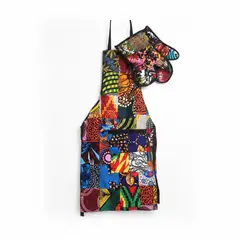
Cotton kitchen apron
1 or 2Nice to haveLoose sleeves and synthetic fabrics catch fire easily near a gas flame or charcoal.
How to use it: Roll up sleeves, tie back long hair and wear a fitted cotton apron while cooking.
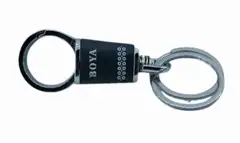
Key holder by the door
1 Must haveMany Kigali homes have locked gates, grilles and burglar bars. In a fire, searching for keys wastes precious time.
How to use it: Keep house and gate keys on a hook near the main door, out of sight from outside, and make sure every adult knows where.
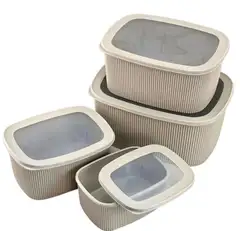
Lidded box for matches and lighters
1Nice to haveChildren are curious about fire. Matches and lighters in a high, closed box are much safer.
How to use it: Store it on a high shelf away from the cooker.
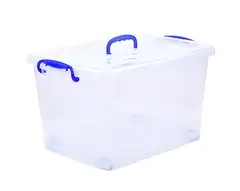 Storage Box 16LRWF23,000
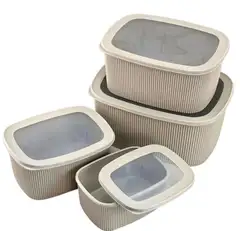 Kitchen storage boxes 4pcsRWF28,800



Step by step
- 1
Check the gas setup
Inspect the regulator and hose for cracks, then do a soapy water leak test. Make sure the cylinder stands upright on a flat floor with good airflow.
- 2
Set the charcoal rules
Agree that charcoal is only lit and used outside or in a very well ventilated space, and never brought into a bedroom or closed room, even when it looks finished.
- 3
Put the safety kit in place
Mount the extinguisher near the kitchen exit, hang the fire blanket by the cooker, and put the sand bucket by the charcoal area.
- 4
Plan the way out
Walk through how everyone would leave the house at night. Put keys on the hook, and choose a meeting point outside.
- 5
Teach the household
Show everyone who cooks how to close the gas valve, use the blanket and extinguisher, and what to do if they smell gas.
- 6
Check every month
Leak test the gas, test alarms, check the extinguisher gauge and look over hoses and sockets.
Tips that help
- If you smell gas: do not switch lights or anything electrical on or off, do not light anything, close the cylinder valve, open doors and windows, and get everyone outside.
- Close the cylinder valve at night and when you travel, not just the cooker knobs.
- Never leave a pan of oil on the flame unattended, not even to answer the gate.
- Keep the cooker away from curtains, and keep tea towels and plastic away from the flame.
- Headache, dizziness or nausea while charcoal is burning can be a sign of carbon monoxide. Get to fresh air at once and seek medical help.
- Save local emergency numbers in every adult's phone and stick them inside a kitchen cupboard door.
Mistakes to avoid
- Checking for a gas leak with a match or lighter.
- Bringing a charcoal stove inside to warm a room on a cold rainy night.
- Throwing water on a pan of burning oil, which makes the fire explode outward.
- Laying the gas cylinder on its side or keeping it next to the hot cooker.
- Keeping the only fire extinguisher behind the cooker, where you cannot reach it during a fire.
- Leaving candles burning near mosquito nets or in a room where everyone is asleep.
Questions people ask
What should I do if I smell gas in the house?+
Do not switch anything electrical on or off and do not light anything. Close the cylinder valve, open doors and windows, and take everyone outside. Only go back when the smell is gone, and have the regulator and hose checked before using the cooker again.
Is it safe to use a charcoal stove indoors?+
No. Burning charcoal gives off carbon monoxide, which you cannot see or smell and which can kill in a closed room. Use charcoal outdoors or in a very well ventilated space only, and never sleep in a room with a charcoal stove.
How often should I replace my gas hose and regulator?+
Inspect them every time you change the cylinder and replace them as soon as you see cracks, stiffness or damage. If you are not sure how old they are, replacing them is a small cost for peace of mind.
What type of fire extinguisher is best for a home kitchen?+
Ask the seller for one rated for kitchen and general home fires, and check the label for the types of fire it covers. A fire blanket is also excellent for small pan fires.
How do I put out a pan fire?+
Turn off the heat if you can do it safely, then cover the pan with a lid or a fire blanket and leave it covered until it cools. Never use water on burning oil, and never carry the burning pan outside.
Fire safety at home is a few good habits and a small kit within reach. Check your gas setup today, set the charcoal rules, and get your regulator, safety supplies and household essentials delivered from Isokko so your kitchen stays a place for good food, not emergencies.
Shop this list
Get everything delivered in Kigali
Order from local stores on Isokko and pay with MoMo, card or cash. Same-day delivery.