
Checklist · Pets & garden
Choosing the Right Dog Food in Kigali: What to Buy Checklist
How to choose dog food in Kigali: types, portions, storage and the gear you need to feed your dog well, with a simple what to buy checklist.
Updated November 25, 2026 · By Isokko
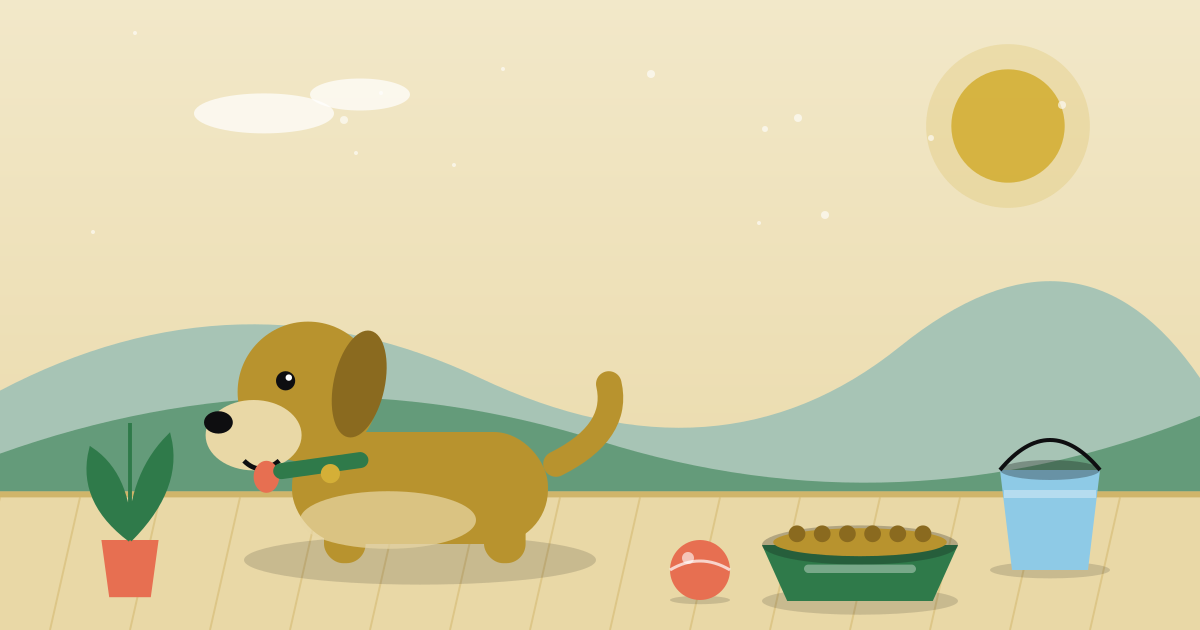
Walk into any shop in Kigali and you will see many dog foods: dry food in bags, cans, puppy food, adult food and more. It is hard to know what is right for your dog.
This checklist helps you pick the type of food for your dog's age and size, measure the right portion, store it safely and avoid waste. It also lists the simple gear that makes feeding easier.
Your dog's vet or a trusted pet shop can tell you the exact amount for your dog. Use this list to prepare and ask better questions.
Who it's for
Dog owners in Kigali who want to pick, measure and store dog food well
Time needed
About 30 minutes to plan, then a monthly top up
When to shop
Buy a small bag first and a bigger bag once your dog likes it
On the list
25 items, 9 must haves
0 of 25 ready
Choosing the food
Match the food to your dog's age, size and health. Read the label on the bag.
Adult dry dog food
1 bag Must haveDry food is easy to store and measure and is the base of most dogs' meals. Adult food suits dogs after they stop growing.
How to use it: Check that the label says complete food for adult dogs. Buy a small bag first to see if your dog likes it and digests it well.
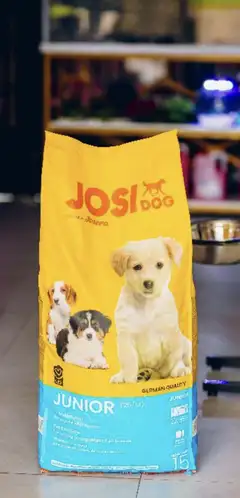
Puppy food
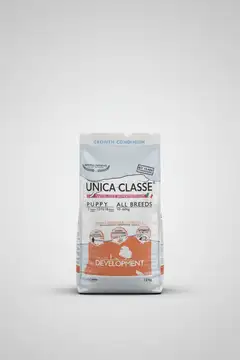
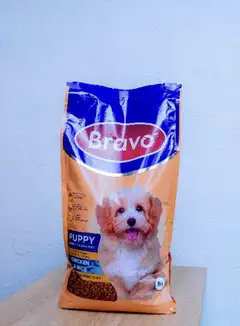
1 bag Must havePuppies grow fast and need food made for puppies, with the right balance for their bones and energy.
How to use it: Feed puppy food until your vet says to switch, often when the dog is close to full size. Large breeds may switch later than small ones.
Wet dog food
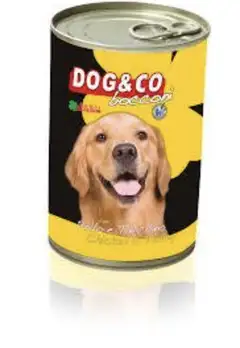
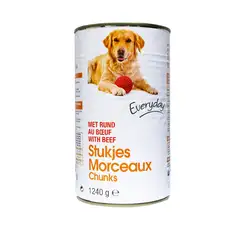
a few cansNice to haveCanned or pouch food adds flavor and water. It helps dogs that are picky or have little appetite.
How to use it: Mix a spoon with dry food or serve as a small meal. Keep opened cans in the fridge and use them within a day or two.
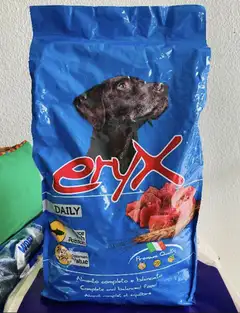 Eryx Fish Dog Food 3kgRWF22,000
 Josera Culinesse Adult Dog Food 2kgRWF29,100
Food for small or large breeds
1 bagNice to haveKibble size and calories differ for small and large dogs. The right size is easier to chew and to digest.
How to use it: Look at the breed size on the bag. If unsure, ask a vet or a pet shop.
Vet's advice on diet
1 visit Must haveAllergies, weight problems and age can change what your dog should eat. Do not guess when your dog is unwell.
How to use it: Ask your vet about the right food and daily amount. Go to a vet if your dog has vomiting, loose stool or itching that does not stop.
Measuring portions
Too much food leads to weight gain. Too little leaves your dog hungry. Measure every meal.
Measuring cup
1 Must haveA cup gives the same amount every time, so you do not guess by eye.
How to use it: Use the feeding guide on the bag as a start. Level the cup with a knife and split the daily amount into two meals.
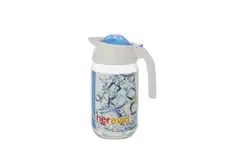 Herevin Measuring Cup 1.48LRWF7,450
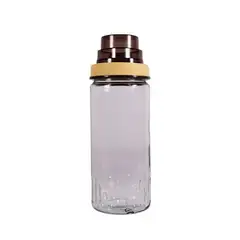 Herevin Measuring Cup 1.46LRWF7,450
Kitchen scale
1Nice to haveA scale is the most exact way to weigh food, especially for small dogs.
How to use it: Weigh the daily amount once, then note how many cups it equals.
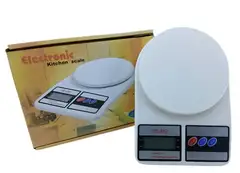 Electronic Kitchen Scale SF-400RWF17,300
 Nova Dry IronRWF55,450
Feeding notebook
1Nice to haveA note of how much and when your dog eats helps you spot changes and share facts with the vet.
How to use it: Write the date, meal size and treats. Check your dog's body shape every few weeks.
Food scoop
1Nice to haveA dedicated scoop keeps hands clean and the portion steady.
How to use it: Keep it in the food container so it is always handy.
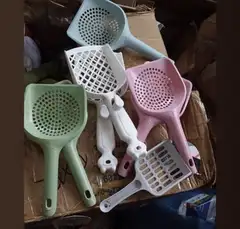 ScooperRWF11,000
Bowls and feeding spot
Clean bowls and a calm spot help your dog eat well.
Food bowl
1 to 2 Must haveA heavy bowl does not slide when your dog eats. A bowl that fits your dog's mouth is easier to eat from.
How to use it: Wash it every day with soap and water. Choose a size that matches your dog.
 Large Pet BowlsRWF80,000
Water bowl
1 Must haveClean water must always be there, especially in warm weather and after walks.
How to use it: Refill at least twice a day. Put it in a shaded spot away from the food bowl.
Large Pet BowlsRWF80,000Feeding mat
1Nice to haveA mat catches spills and keeps the floor clean and dry.
How to use it: Wipe it clean after each meal.
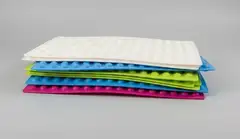
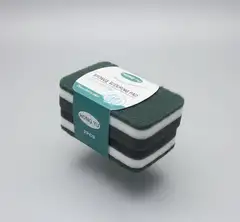
Dish soap and sponge
1 Must haveOld food on a bowl can grow germs. Soap and a sponge keep it fresh.
How to use it: Scrub the bowl and rinse well so no soap is left.
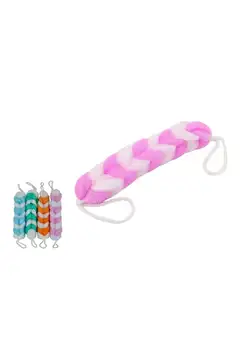 Long Bath Puff Shower SpongeRWF3,200
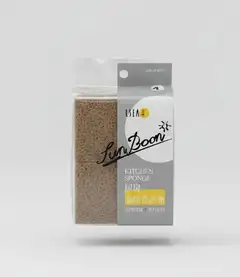 Sun Boon Kitchen SpongeRWF1,000
Storing dog food
Storage keeps food fresh and away from pests and damp, which matters in the rainy seasons.
Airtight food container
1 Must haveA closed container keeps food dry, stops pests and keeps the smell from drawing ants or rats.
How to use it: Empty the bag into the container. Keep the container in a cool, dry place away from direct sun.
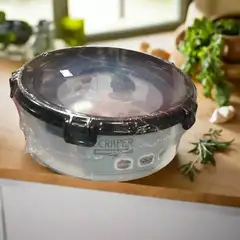 Crisper Food Storage ContainerRWF6,000
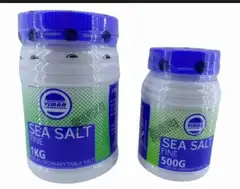 Vimar Fine Sea Salt 500gRWF5,100
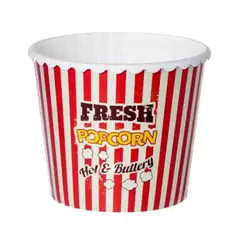
Plastic bucket with lid
1Nice to haveFor big bags, a bucket with a lid is a simple, low cost way to protect the food.
How to use it: Wash and dry the bucket fully before each new bag. Close the lid tight.
Bag clips
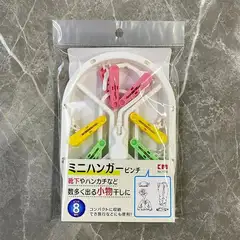
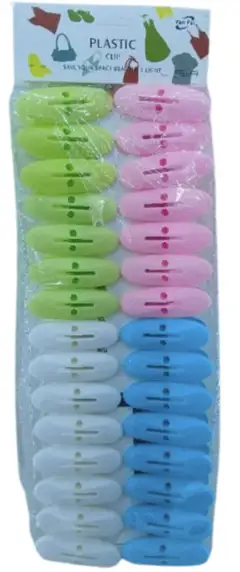
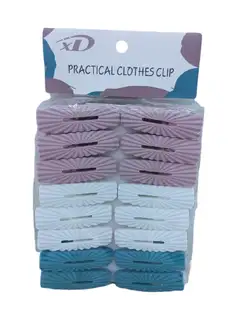
2Nice to haveClips close an open bag when you do not use a container.
How to use it: Squeeze out the air and clip the bag shut. Use the bag within a few weeks.
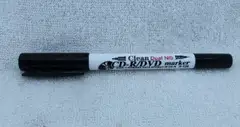
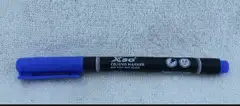
Marker pen
1Nice to haveWrite the opening date on the bag so you know when to finish it.
How to use it: Throw away food that smells sour, looks damp or has mold.
Treats and extras
Treats are for training and fun. Keep them small.
Dog treats
1 packNice to haveSmall treats help train and bond with your dog. Choose treats made for dogs.
How to use it: Keep treats to a small part of the daily food. Cut big ones in pieces.
 Danties Turkey and Apple Dog TreatsRWF13,000
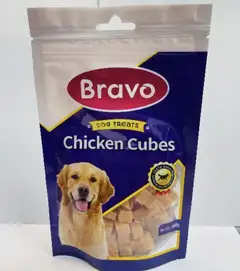 Dog Treat Chicken Cubes 100gRWF11,000
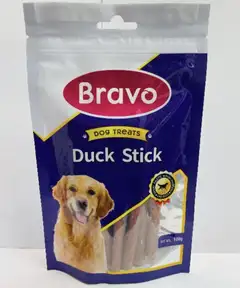 Dog Treat Duck Stick 100gRWF9,000
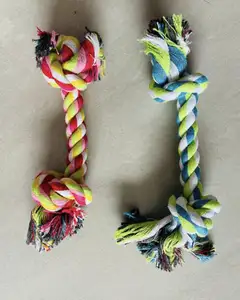
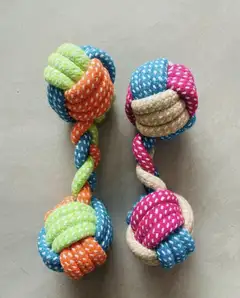
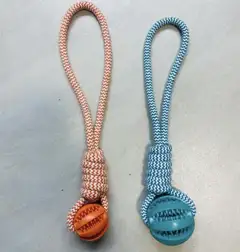
Chew toy
1Nice to haveA chew toy keeps your dog busy and helps protect shoes and furniture.
How to use it: Pick a size too big to swallow. Check often and replace worn toys.
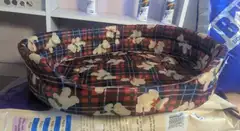
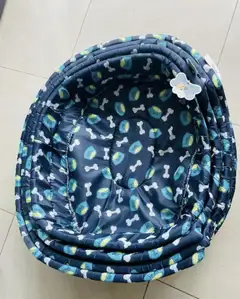
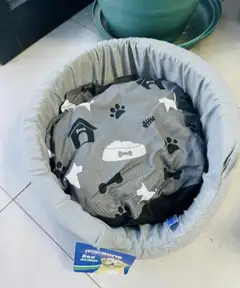
Dog bed
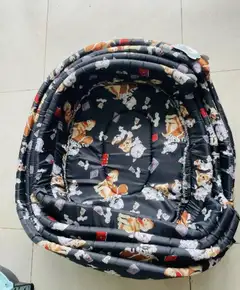
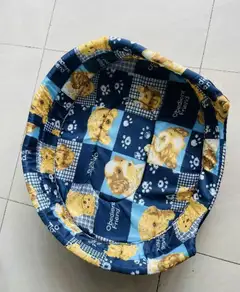
1Nice to haveA comfortable bed gives your dog a place to rest after meals.
How to use it: Put it in a quiet corner. Wash the cover often.
Leash and collar
1 setNice to haveRegular walks help your dog use food energy and stay at a healthy weight.
How to use it: Choose a collar that fits two fingers under it. Walk at cooler times of day.
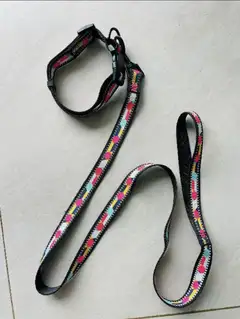 Dog Leash SY D00812RWF12,000
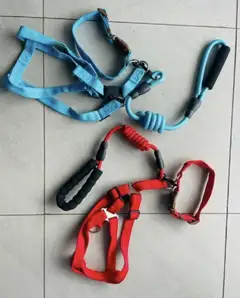 Collar Leash and Harness SetRWF23,000
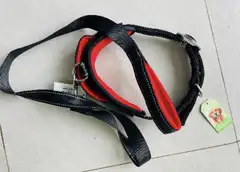 Demu Nylon Collar with LeashRWF19,000
Cleanup and care
Healthy eating shows in coat, teeth and stools. Keep cleaning simple.
Poop bags
1 roll Must haveCleaning up after walks keeps neighborhoods clean and shows what your dog's stool looks like.
How to use it: Check stool color and firmness. Call a vet if it stays loose or has blood.
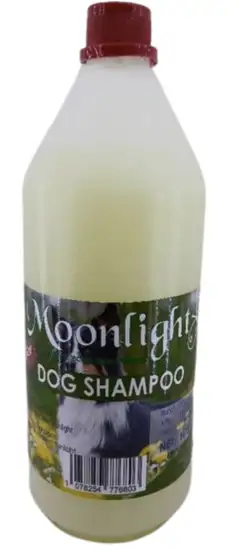
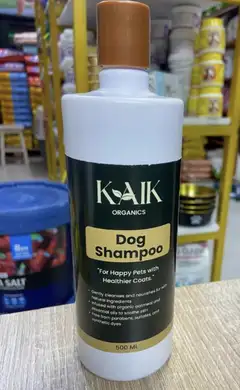
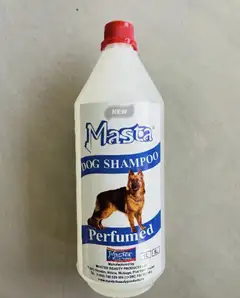
Dog shampoo
1Nice to haveA good diet shows in a shiny coat. Dog shampoo is made for a dog's skin, unlike human soap.
How to use it: Bathe only when needed, often every few weeks. Rinse well and dry your dog.
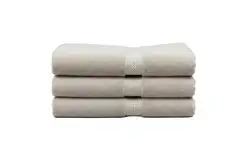
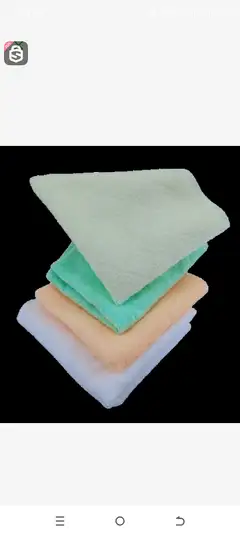
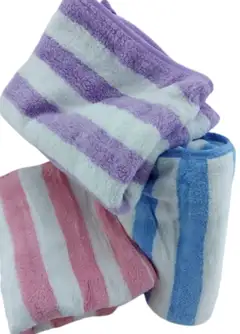
Towels for after walks
2Nice to haveRain and red dust get everywhere. A towel keeps your floors and dog clean.
How to use it: Keep one by the door and wash it often.
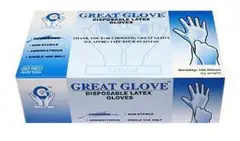
Rubber gloves
1 pairNice to haveGloves help when you clean bowls and food spills.
How to use it: Wash and dry them after use.
Step by step
- 1
Check your dog first
Note age, size, weight and any health issues. Ask a vet if your dog is unwell or has allergies.
- 2
Pick the food
Choose a complete food for your dog's age and size. Read the label and buy a small bag first.
- 3
Get the gear
Buy a measuring cup, bowls, a food container and a scoop before the food arrives.
- 4
Switch slowly
Mix new food with the old over 7 to 10 days. Add a little more of the new each day.
- 5
Watch and adjust
Check stool, coat, energy and weight each week. Adjust portions with your vet's advice.
Tips that help
- Read the label. Look for words such as complete food and the right life stage for your dog.
- Buy a small bag first. If your dog does well, move to a bigger bag to save money.
- Split the daily food into two meals for most adult dogs. Puppies need more meals.
- Keep treats to a small part of the day's food so your dog does not gain weight.
- Store food in a closed container off the floor, away from damp and sun.
- Always keep fresh water out. Dogs drink more in hot weather.
- If your dog changes appetite or weight suddenly, call a vet.
Mistakes to avoid
- Switching food all at once. It can upset the stomach.
- Feeding from the bag with no measuring, which leads to overfeeding.
- Giving cooked bones, chocolate, onions or very salty leftovers. Ask a vet what is safe.
- Storing food open in a damp store or kitchen where it can go moldy or attract pests.
- Using a puppy food for an adult dog for years, or adult food for a young puppy.
Questions people ask
How do I choose dog food in Kigali?+
Choose a complete food made for your dog's age and size. Read the label, buy a small bag first and watch how your dog eats, digests and looks over a few weeks.
How much should I feed my dog?+
The bag has a feeding guide by weight. Use it as a start and measure each meal. A vet can give a more exact amount for your dog.
Can I feed my dog the same food as my family?+
Some human foods are not safe for dogs, such as chocolate and onions. Dog food is made to be complete, so it is safer as the main meal. Ask a vet before adding home food.
How should I store dog food?+
Keep it in a closed container in a cool, dry place. This keeps food fresh and keeps out ants, rats and damp, especially in the rainy seasons.
How do I change my dog's food?+
Mix a little new food into the old for 7 to 10 days and raise the new share each day. If your dog gets loose stool or vomits, slow down and ask a vet.
A good food, a measuring cup and a closed container are the heart of a healthy feeding routine. Shop this list on Isokko and have your dog's food delivered in Kigali.
Shop this list
Get everything delivered in Kigali
Order from local stores on Isokko and pay with MoMo, card or cash. Same-day delivery.