
Checklist · Pets & garden
Caring for a Cat at Home in Kigali: Supplies Checklist
The supplies checklist for caring for a cat or kitten at home in Kigali: food, litter, scratching, toys, grooming, health and keeping your cat safe indoors.
Updated November 16, 2026 · By Isokko
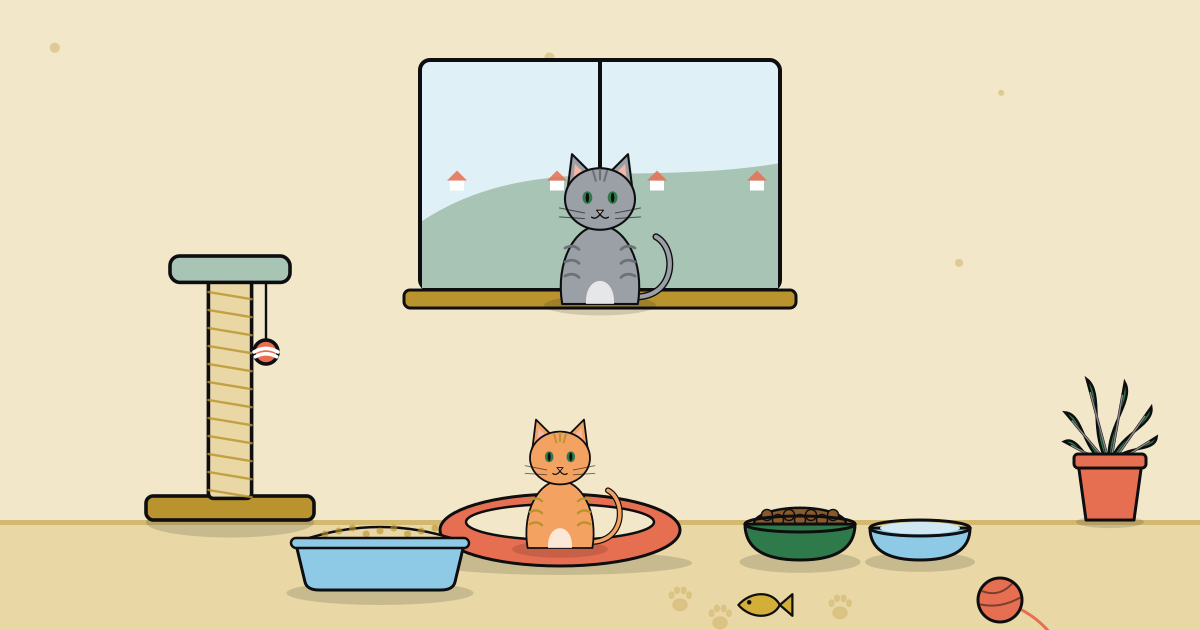
Cats are easy companions in many ways. They are clean, independent and happy in an apartment as long as they have what they need. But they are also creatures of habit, and the first days in a new home go much better when food, water, a litter box and a hiding spot are ready before they arrive.
This checklist covers what a cat needs at home in Kigali: the right food for its age, a litter setup that keeps the house fresh, something to scratch, toys, grooming and the health care that keeps a cat well for years.
Cat supplies can be hard to find in some shops, so buy a little extra food and litter and never let them run out.
Who it's for
Anyone in Kigali adopting a kitten or adult cat, or looking after a cat at home
Time needed
Set up in an afternoon, then a few minutes a day
When to shop
Buy food, litter and a litter box before the cat arrives, and restock monthly
On the list
22 items, 13 must haves
0 of 22 ready
Food and water
Cats need food made for cats. Dog food and leftovers do not give them the nutrients they need.
Kitten food
1 bag Must haveKittens grow fast and need food with more protein and energy than adult cats.
How to use it: Feed small meals three to four times a day. Ask your vet when to switch to adult food, usually around one year.
Adult cat food
1 bag plus a few cans a month Must haveA complete cat food covers everything an adult cat needs.
How to use it: Mix dry and wet food if you like. Follow the portion guide on the pack and adjust if your cat gains or loses weight.
 Everyday Cat Food Beef 415gRWF6,000
 Purr fect 2 AdultRWF23,000
 Everyday Cat Met Round with BeefRWF7,000
Food and water bowls
2 Must haveSeparate bowls for food and water, kept clean, encourage your cat to eat and drink well.
How to use it: Use shallow, wide bowls. Many cats dislike their whiskers touching the sides.
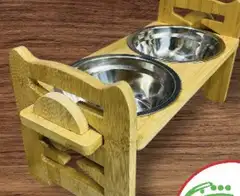 PET Plate Bamboo with a StandRWF43,000
 Semi plastic bowlRWF7,500
Water dispenser
1Nice to haveCats often do not drink enough. Fresh, moving water helps, especially in the dry season.
How to use it: Place water away from the food bowl and the litter box. Clean weekly.
 PET Water DispenserRWF38,000
 PET Water CupRWF18,000
Plain tuna as a rare treat
A few cansNice to haveMost cats love fish, and a little plain tuna helps with medicine or a nervous first day.
How to use it: Choose tuna in water or brine, not oil, and give only a small amount occasionally. It is not a full diet.
 Everyday Tuna in brine 200grRWF6,400
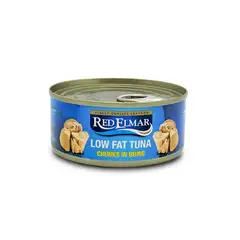 Mila Tuna in Brine 80gRWF2,400
 Everyday Tuna in brine 200grRWF6,000
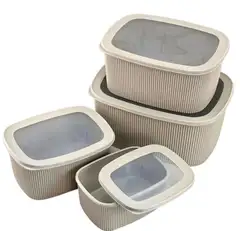
Airtight food storage
1Nice to haveKeeps food fresh and away from ants and damp in the rainy season.
How to use it: Store the bag inside a sealed box off the floor.
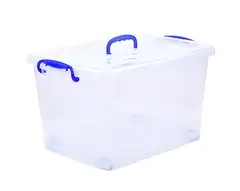 Storage Box 16LRWF23,000
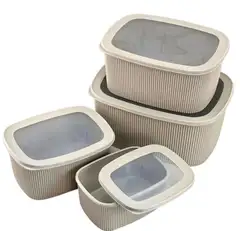 Kitchen storage boxes 4pcsRWF28,800



Litter and hygiene
A clean litter box is the secret to a fresh home and a happy cat.
Cat litter
1 bag a month for one cat Must haveClumping litter makes cleaning easy and controls smell far better than sand or soil.
How to use it: Fill about 5 cm deep. Scoop daily and replace fully every week or two.
 Tofu CUP Litter 6LRWF33,000
Litter box
1 per cat Must haveYour cat's toilet. Without one, it will choose a corner for you.
How to use it: Put it somewhere quiet and easy to reach, away from food. One box per cat plus one is ideal.
Litter scoop
1 Must haveDaily scooping keeps the box clean and stops smells.
How to use it: Scoop once or twice a day into a bag and bin it.
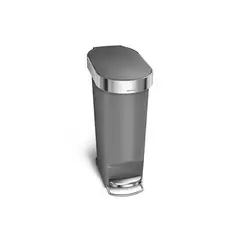
Bin with a lid
1Nice to haveKeeps used litter smells contained until bin day.
How to use it: A pedal bin near the box makes the job quick and clean.
Disposable gloves
1 boxNice to haveFor cleaning the litter box hygienically. Pregnant women should ideally let someone else do this job.
How to use it: Wear gloves when changing litter and wash hands afterwards.
 Latex examination gloves 100piecesRWF15,000
Bleach for cleaning the box
1 bottle Must haveDisinfects the litter box during full changes. Many common household disinfectants, including some phenol based ones, are harmful to cats.
How to use it: Use well diluted bleach, rinse thoroughly with water and let it dry before refilling. Ask your vet if unsure.






Comfort, scratching and play
Cats need to scratch, climb, hide and play. Giving them the right places saves your sofa.
Scratching post
1 Must haveScratching keeps claws healthy and is natural behavior. Without a post, furniture and curtains suffer.
How to use it: Place it near where your cat sleeps or by the sofa. Rub a little catnip or a treat on it to attract them.
 CAT SCRATCHER TOYRWF33,000
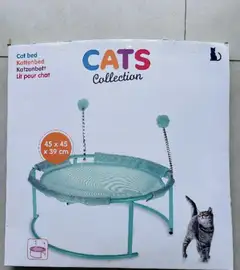
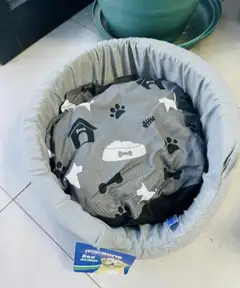
Cat bed
1Nice to haveA soft, enclosed bed gives a cat a safe place to sleep and hide.
How to use it: Put it in a quiet, warm spot. Many cats love a bed near a sunny window.
Toys
2 to 3 Must haveIndoor cats need play to stay fit and avoid boredom.
How to use it: Play for 10 to 15 minutes twice a day. Put toys away after play so they stay exciting.
 Automatic Cat Teaser BallRWF16,000
Soft blanket
1Nice to haveCats love warmth on cool Kigali nights and in the rainy season.
How to use it: Fold one into their bed or favorite chair.
Carrier
1 Must haveNeeded for vet visits and moving house safely.
How to use it: Leave it open at home with a blanket inside so your cat sees it as a safe place.




Grooming and health
Regular care at home plus vet visits keep cats healthy for many years.
Brush
1 Must haveBrushing removes loose hair, reduces hairballs and helps you check for ticks and fleas.
How to use it: Brush a few times a week, more for long haired cats.
 PET Brush Spray MassageRWF15,000
 PET Brush SiliconeRWF7,000
Flea and tick treatment
As advised Must haveFleas and ticks are common, especially for cats that go outdoors.
How to use it: Use only products made for cats, as some dog products are very dangerous for cats. Ask your vet.
 FLEA TICK BITESRWF13,000
Collar with ID
1Nice to haveIf your cat slips out, a collar with your number helps it come home.
How to use it: Choose a breakaway collar so it cannot get caught. Fit two fingers underneath.
 DONG HAI DA CAT COLLARRWF5,000
Lint roller
1Nice to haveCat hair gets on clothes, sofas and car seats.
How to use it: Keep one by the door for a quick roll before leaving.
 Lint RollerRWF5,200
Vet visits and vaccinations
Yearly at least Must haveCats need vaccinations, including rabies, plus deworming and a health check. Spaying or neutering prevents unwanted litters.
How to use it: Book a first visit soon after adoption and keep a record of every visit.

Step by step
- 1
Before the cat arrives
Buy food, bowls, litter, a litter box and a carrier. Set up a quiet room with everything in it.
- 2
Cat proof the home
Close gaps behind appliances, secure window screens on high floors and move toxic plants and chemicals out of reach.
- 3
First days
Let your cat explore one room at a time. Show it the litter box and give it space to hide.
- 4
First week
Book a vet check for vaccinations, deworming and flea treatment.
- 5
Every month
Restock food and litter, check the cat's weight and wash its bed and bowls.
Tips that help
- Keep the litter box far from food and water. Cats do not like to eat near their toilet.
- Change food slowly over a week to avoid stomach upset.
- Many plants are toxic to cats, including lilies. Check before bringing plants home.
- Cats hide when they are sick. Changes in appetite, litter habits or energy are a reason to call the vet.
- Keep windows on high floors screened. Cats can fall when chasing insects.
- Never give a cat human medicine. Even common painkillers can be deadly for cats.
Mistakes to avoid
- Feeding dog food or only leftovers instead of proper cat food.
- Letting the litter box get dirty, which leads to accidents around the house.
- Using dog flea products or strong household disinfectants near cats.
- Giving cow's milk, which upsets many cats' stomachs.
- Skipping vaccinations because the cat stays indoors.
Questions people ask
What do I need for a new cat in Kigali?+
Cat or kitten food, food and water bowls, cat litter and a litter box with a scoop, a scratching post, a few toys, a carrier and a brush. Book a vet visit in the first week.
Where can I buy cat litter and cat food in Kigali?+
Some supermarkets and pet shops sell them, and you can order cat food and litter on Isokko for delivery. Keep a spare bag so you never run out.
Can I use sand instead of cat litter?+
Sand works in a pinch, but it holds smells and is harder to clean. Clumping litter is much easier and keeps the house fresher.
Should I give my cat milk?+
Most adult cats cannot digest cow's milk well and it can upset their stomach. Fresh water is the best drink.
How often should a cat see a vet?+
At least once a year for a checkup and vaccinations, and more often for kittens, older cats or any sign of illness.
A cat asks for little: good food, clean water, a clean litter box, somewhere to scratch and a warm place to sleep. Get those right and you will have a calm, happy companion for years. You can order cat food, litter, scratchers, toys and supplies on Isokko and have them delivered to your door.
Shop this list
Get everything delivered in Kigali
Order from local stores on Isokko and pay with MoMo, card or cash. Same-day delivery.