
Checklist · Pets & garden
Starting a Balcony or Small Home Garden in Kigali: Checklist
Start a balcony or small home garden in Kigali: containers, soil, easy seeds like dodo and lettuce, watering, tools and pest care, with a simple plan for beginners.
Updated November 15, 2026 · By Isokko
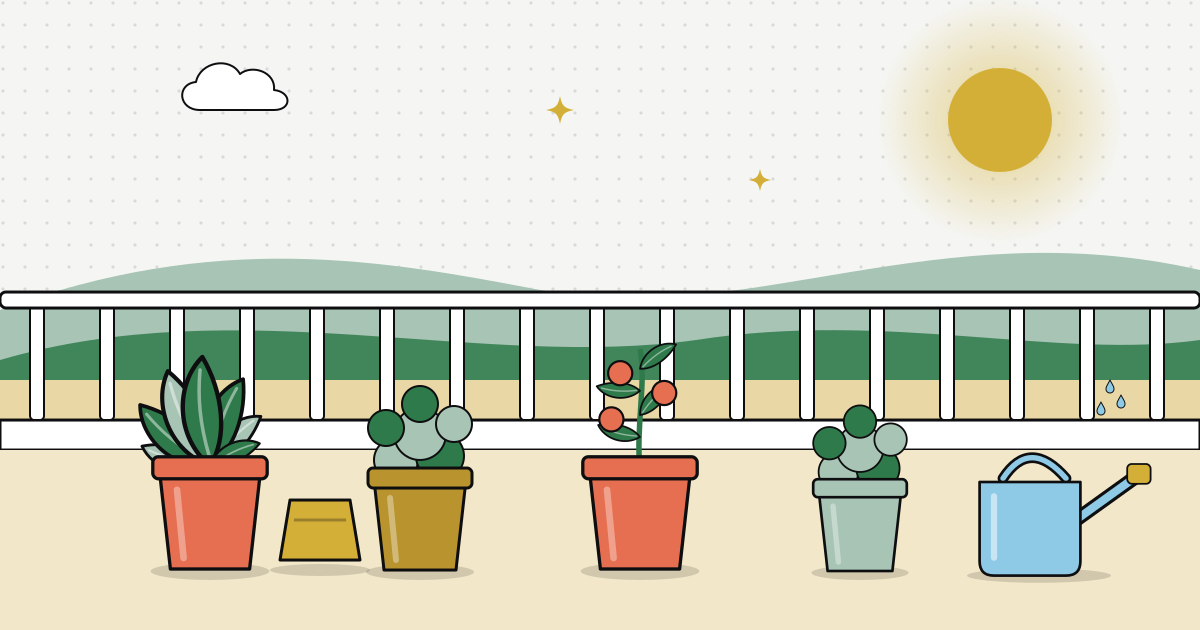
Kigali is a wonderful place to grow food. The mild climate, two rainy seasons and plenty of sun mean that even a small balcony can give you fresh dodo, lettuce, spinach, peppers and herbs for much of the year.
You do not need a big plot or special skills. You need a few containers with drainage holes, good soil, easy seeds and a watering habit. Many Kigali gardeners start with old buckets and basins and do just fine.
This checklist takes you from an empty balcony to your first harvest, with the supplies to buy and the simple habits that keep plants healthy.
Who it's for
Beginners in Kigali with a balcony, a veranda, a sunny window or a small corner of the compound
Time needed
One afternoon to set up, ten minutes a day to care for it
When to shop
Set up just before a rainy season starts so the rains help young plants grow
On the list
27 items, 11 must haves
0 of 27 ready
Containers
Almost anything that holds soil and drains water can be a garden. Mix proper pots with things you already have.
Plant pots
3 to 6 Must haveProper pots with drainage holes are the easiest start for herbs and peppers.
How to use it: Choose pots at least 20 cm deep for leafy greens and 30 cm deep for peppers and tomatoes.
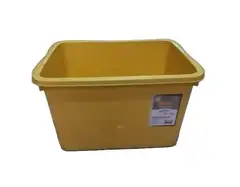
Plastic buckets
2 or 3 Must haveA bucket makes a deep, cheap container for tomatoes, peppers or a small fruit bush.
How to use it: Drill or melt five or six holes in the bottom before filling with soil.

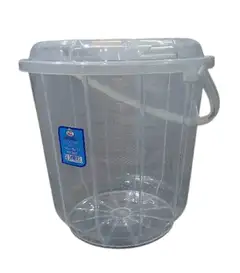 Graduated plastic bucketRWF4,600
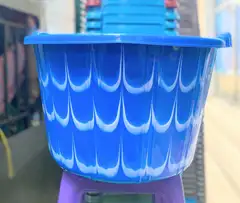
Wide basins
1 or 2Nice to haveShallow, wide basins are perfect for lettuce, dodo and other leafy greens you cut often.
How to use it: Make holes in the base and place on two bricks so water drains away.
Egg trays for seedlings
2 or 3Nice to havePaper egg trays make free seed starting cells that you can plant straight into the soil.
How to use it: Fill each cup with soil, plant one or two seeds, and plant the whole cup once the seedling has a few leaves.
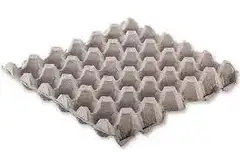 Paper Egg TraysRWF1,500
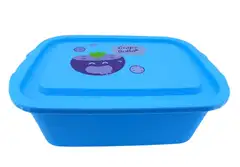
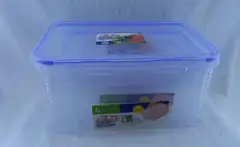
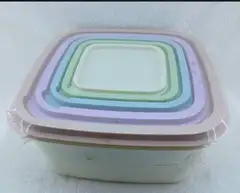
Clear plastic containers
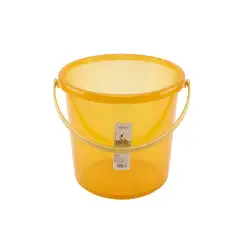
1 or 2Nice to haveA lidded container works as a tiny greenhouse for seeds during cool rainy nights.
How to use it: Poke a few air holes in the lid and keep it in bright light, not direct midday sun.


Soil and drainage
Good soil is the difference between a sad pot and a thriving one.
Potting soil
enough to fill your pots Must havePlain garden soil packs hard in containers. A loose potting mix holds water and lets roots breathe.
How to use it: Ask a local nursery for potting soil, or mix garden soil with compost and a little sand.
Compost or manure
1 bag Must haveContainer plants use up nutrients fast. Compost feeds them naturally.
How to use it: Mix about one part compost to three parts soil, and add a handful on top every month.
Small stones
1 bagNice to haveA layer at the bottom of the pot keeps drainage holes from clogging.
How to use it: Add 2 to 3 cm of stones before the soil, or put a few on top to stop soil splashing when you water.

Easy seeds for beginners
Start with fast, forgiving plants that suit Kigali's climate. You will be harvesting within weeks.
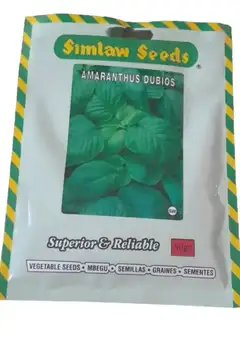
Amaranth (dodo) seeds
1 packet Must haveDodo grows fast in Kigali, handles sun and rain well, and you can harvest leaves again and again.
How to use it: Sprinkle seeds thinly, cover lightly with soil and keep moist. Pick the top leaves to keep the plant bushy.
Lettuce seeds
1 packet Must haveFresh salad from your own balcony in about six weeks.
How to use it: Sow a short row every two weeks for a steady supply. Lettuce likes some afternoon shade.
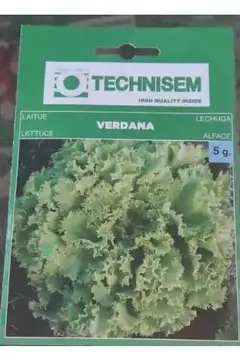 LETTUCE SEEDS 5g/umurama wa retiRWF2,000
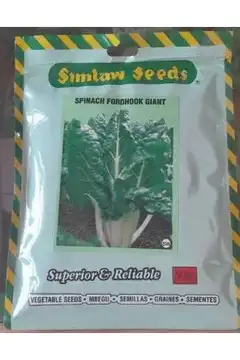
Spinach seeds
1 packet Must haveEasy, nutritious and great in stews and omelets.
How to use it: Plant 2 cm deep and 10 cm apart. Harvest outer leaves first.
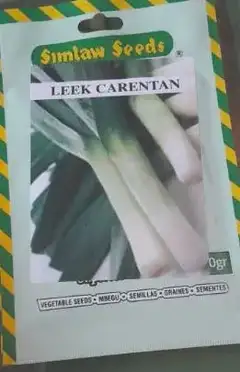
Leek seeds
1 packetNice to haveLeeks and spring onions add flavor to almost every dish and need little space.
How to use it: Start in egg trays and move to a deep pot once seedlings are pencil thick.
Carrot seeds
1 packetNice to haveChildren love pulling carrots, and they grow well in deep buckets.
How to use it: Sow directly in loose, stone free soil. Do not transplant carrots.
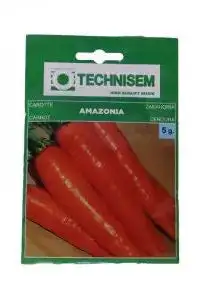 Technisem Carrot Seed 5gRWF2,000
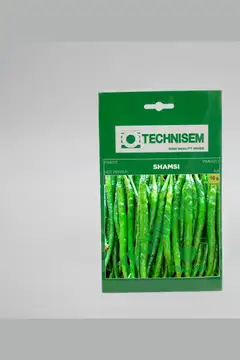
Hot pepper seeds
1 packetNice to haveOne chili plant can give you peppers for months, and it looks beautiful.
How to use it: Start in a small pot, then move to a bucket in full sun.
Flower seeds
1 packetNice to haveA few flowers bring bees and butterflies that help your vegetables.
How to use it: Plant them around the edges of bigger pots.

Watering
Container plants dry out faster than plants in the ground, especially in the dry season.
Watering can
1 Must haveGentle watering does not wash away seeds or soil.
How to use it: Water at the base of the plant in the early morning or evening, not at midday.
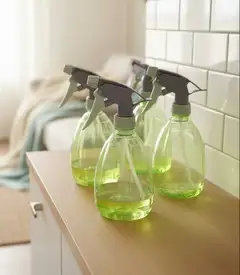
Spray bottle
1 Must haveSeeds and tiny seedlings need a fine mist, not a splash.
How to use it: Mist seed trays once or twice a day until the seedlings are strong.


Garden hose
1Nice to haveSaves many trips if you have a tap on the balcony or compound.
How to use it: Use a spray nozzle or your thumb for a gentle flow on young plants.
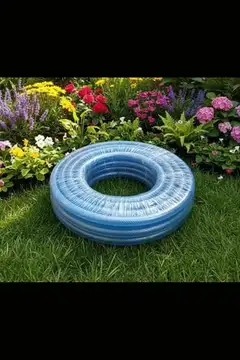 Heavy-Duty PVC Garden Water HoseRWF25,000
Bucket for collecting rainwater
1Nice to haveRainwater is free and plants love it.
How to use it: Put a bucket under a gutter during the rains, and cover it so mosquitoes cannot breed.
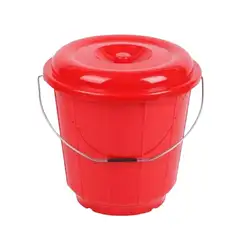 Water Storage Plastic BucketRWF5,200
 Plastic Empty Jerrycan/20LRWF4,000
Tools and care
You need very few tools for a container garden.
Hand trowel
1 Must haveFor filling pots, digging small holes and moving seedlings.
How to use it: A large old kitchen spoon works too if you are just starting.
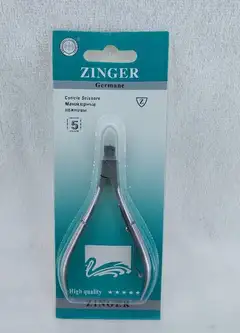
Scissors
1 Must haveClean cuts when harvesting leaves and trimming dead growth.
How to use it: Keep one pair just for the garden and wipe them after use.
Gloves
1 packNice to haveProtect your hands from soil, thorns and compost.
How to use it: Simple gloves are fine for a small balcony garden.
 Latex examination gloves 100piecesRWF15,000
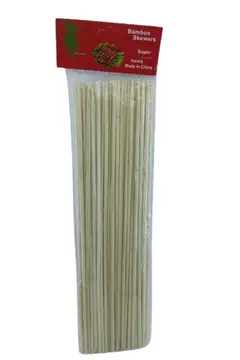
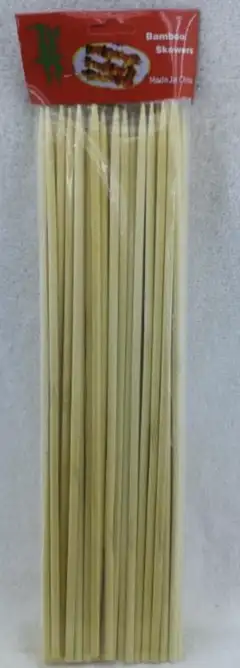
Plant labels
1 packNice to haveAfter a week, every seedling looks the same.
How to use it: Write the plant name and date on a bamboo skewer with a permanent marker and push it into the soil.
Soft rope for tying
1 bundleNice to havePeppers and tomatoes get heavy and need support.
How to use it: Tie stems loosely to a stick with soft rope so it does not cut into them.
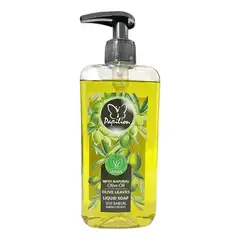
Mild soap for pest spray
1Nice to haveA few drops of liquid soap in water helps against aphids and small insects without harsh chemicals.
How to use it: Mix a little soap into a spray bottle of water, spray under the leaves in the evening, and rinse food plants before eating.







Enjoying your garden
A garden you enjoy sitting in is a garden you will look after.
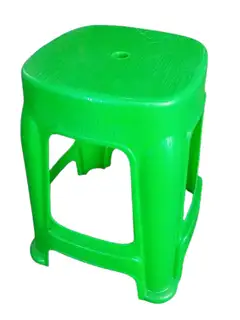
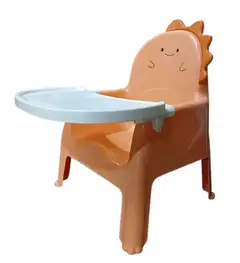
A chair for the balcony
1 or 2Nice to haveMorning tea next to your plants is half the reward.
How to use it: A light plastic chair is easy to move into the shade.
A ready flowering plant
1Nice to haveInstant color while your seeds are still growing.
How to use it: Choose one already in bloom so the balcony looks alive from day one.
 Planted Flower In Craft BasketRWF25,000

Step by step
- 1
Watch your light
Spend a day noting where the sun falls on your balcony. Most vegetables need at least five or six hours of direct sun. Lettuce and herbs can manage with less.
- 2
Prepare containers
Make drainage holes, add a layer of stones and fill with potting soil mixed with compost. Water the soil well before planting.
- 3
Sow seeds
Start with dodo, lettuce and spinach directly in pots. Start peppers and leeks in egg trays. Label everything.
- 4
Daily care
Check the soil each morning and water when the top 2 cm feel dry. Turn pots weekly so plants grow straight.
- 5
Harvest and replant
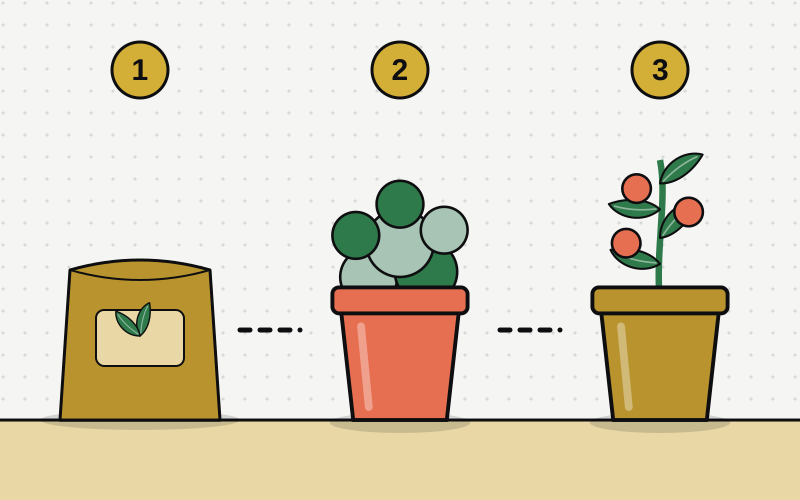
Harvest leaves from the outside in. When a pot is finished, add compost and sow again.
Tips that help
- Start just before a rainy season so the weather helps young plants, then water more in the dry months.
- Never leave water standing in saucers or buckets for days. Mosquitoes breed in it.
- On a high, windy balcony, use heavier pots and put tall plants against the wall.
- Ask your landlord before adding heavy pots to a balcony, and check that water drains away from the building.
- Coffee grounds and vegetable peels can go into a small compost bucket for your next season of soil.
- Sow a few seeds every two weeks instead of all at once for a steady harvest.
Mistakes to avoid
- Using containers without drainage holes. Roots drown and plants rot.
- Filling pots with hard garden soil that turns to brick when it dries.
- Watering at midday in full sun, which wastes water and can scorch leaves.
- Planting too many seeds in one pot. Thin them so each plant has room.
- Spraying household insecticide on plants you will eat.
Questions people ask
What vegetables grow easily on a balcony in Kigali?+
Amaranth (dodo), lettuce, spinach, kale (sukuma), leeks, spring onions, peppers and herbs like coriander and parsley all grow well in containers. Start with leafy greens, they are the fastest and most forgiving.
How often should I water container plants?+
Check daily. Water when the top 2 cm of soil feel dry, usually every day or two in dry season and less during the rains. Water in the morning or evening, at the base of the plant.
When is the best time to start a garden in Kigali?+
Just before a rainy season, either around February to March or September to October. The rains help seeds sprout and young plants grow. With regular watering you can grow all year.
Can I use old buckets and jerrycans as pots?+
Yes. Many Kigali gardeners do. Clean them well, make several drainage holes in the bottom, and avoid containers that held chemicals.
How do I deal with pests without chemicals?+
Check under leaves often, pick off insects by hand, and spray with water mixed with a little mild soap. Healthy plants in good soil resist pests better. Rinse vegetables well before eating.
There is nothing quite like cooking with greens you grew a few steps from your kitchen. Start small with a few pots and easy seeds, and add more as you learn. Shop this balcony garden checklist on Isokko and have your supplies delivered in Kigali.
Shop this list
Get everything delivered in Kigali
Order from local stores on Isokko and pay with MoMo, card or cash. Same-day delivery.