
Checklist · Pets & garden
Bringing Home a New Puppy in Kigali: The Complete Checklist
Everything to buy before bringing home a new puppy in Kigali: food, bowls, bed, collar and leash, toys, grooming, cleaning and first vet visits.
Updated November 16, 2026 · By Isokko
A new puppy changes the whole house. There is excitement, a lot of sniffing, a few accidents on the floor and a small creature that needs you for almost everything. Having the right things ready before the puppy arrives makes the first weeks calmer for everyone, puppy included.
This checklist covers what a puppy needs in a Kigali home: the right food, somewhere comfortable to sleep, a collar and leash for safe walks, toys for those sharp new teeth, grooming basics, cleaning supplies for accidents and the health care that should start in the first weeks.
Pet supplies are not always easy to find, so buy the essentials early. And find a vet near you before you need one.
Who it's for
Anyone in Kigali bringing home a puppy or a young rescue dog for the first time
Time needed
Shop over a week before the puppy arrives
When to shop
Have food, bowls, bed and cleaning supplies ready before day one
On the list
26 items, 15 must haves
0 of 26 ready
Food and feeding
Puppies grow fast and need food made for their age. Changing food suddenly can upset their stomach, so start with what they already eat.
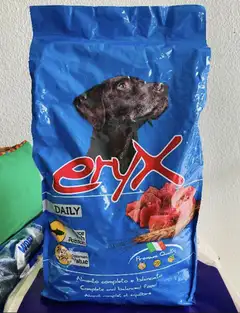
Puppy food
1 bag, enough for a month Must havePuppy formulas have the extra protein and nutrients growing dogs need. Adult food alone is not enough in the first months.
How to use it: Ask the breeder or shelter what the puppy eats now and keep it the same for the first week. Switch slowly over 7 to 10 days if you change.
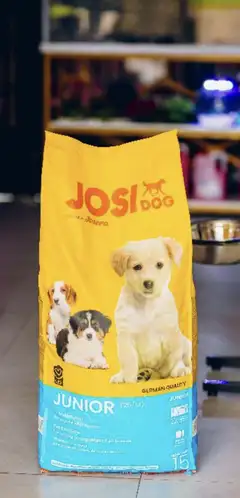 Josera jose Dog Junior 15RWF80,500
 JOSERA CULINESSE ADULT 2KGRWF28,000
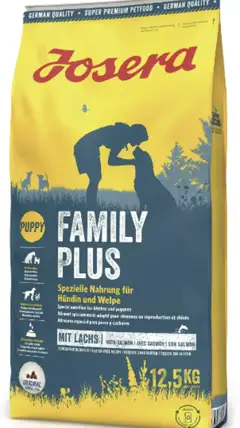 Josera family Plus 12.5kgRWF90,000
Adult dog food for later
LaterNice to haveMost dogs move to adult food between about 9 and 18 months, depending on size. Your vet can tell you when.
How to use it: Buy a good quality brand and keep it sealed and dry, away from ants.
Wet dog food
A few cansNice to haveA spoon of wet food mixed in makes dry food tastier and adds moisture.
How to use it: Use it as a topper, not the whole meal. Refrigerate opened cans.
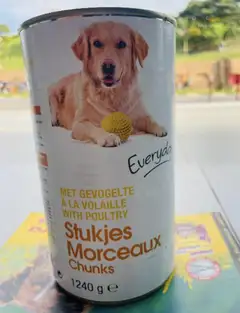 Everyday Dog Wet Food 1240 HRWF13,000
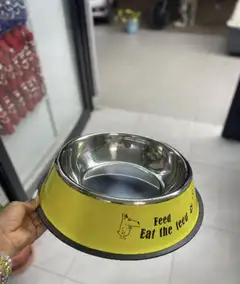
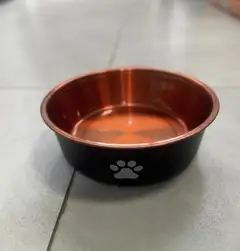
Food and water bowls
2 Must havePuppies need their own bowls that are easy to clean and hard to tip over.
How to use it: Wash food bowls daily and refresh water at least twice a day, more in the dry season.
Water dispenser
1Nice to haveKeeps clean water available when you are out at work.
How to use it: Place it in the shade and clean it weekly.
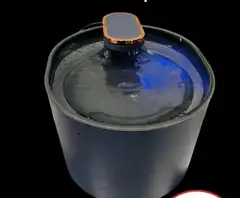 PET Water DispenserRWF38,000
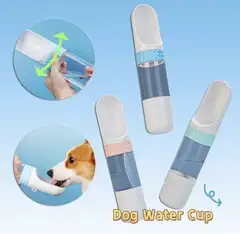 PET Water CupRWF18,000
Dog treats
1 to 2 packs Must haveTreats are the best tool for training, from toilet training to sit and come.
How to use it: Use small pieces and count them as part of daily food.
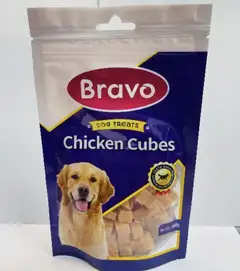 DOG Treat Chicken Cubes 100gRWF11,000
 DOG Treat Ducks Strick 100GRWF9,000
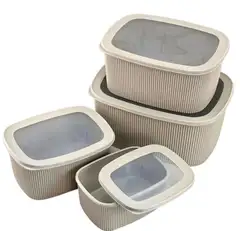
Airtight food container
1Nice to haveKeeps food fresh and protects it from ants, rats and damp in the rainy season.
How to use it: Pour the bag into a sealed container and keep it off the floor.
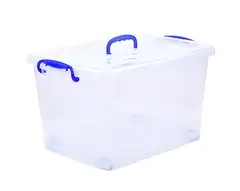 Storage Box 16LRWF23,000
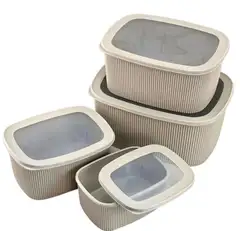 Kitchen storage boxes 4pcsRWF28,800



Sleeping and resting
Puppies sleep a lot, up to most of the day. A cozy, safe spot helps them settle and feel secure.
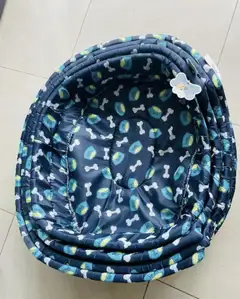
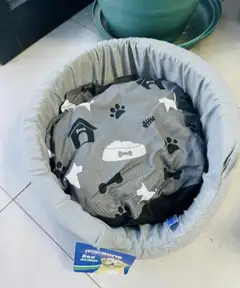
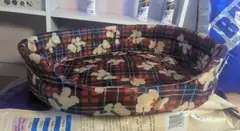
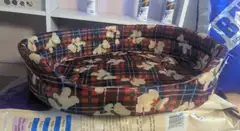
Dog bed
1 Must haveA bed gives the puppy its own place and keeps it off cold tiled floors at night.
How to use it: Put it in a quiet corner away from drafts. Choose a washable one.
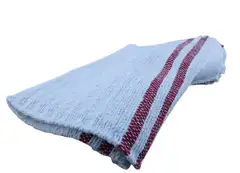
Old blanket or towel
2 Must haveA soft blanket makes the bed warmer during cool Kigali nights.
How to use it: Rub it on the puppy's mother or littermates if possible so it smells familiar.
Dog carrier bag
1Nice to haveNeeded for trips to the vet and moving a small puppy safely.
How to use it: Leave it open at home with a blanket inside so the puppy gets used to it.



Collar, leash and walks
Walks start once your vet says vaccinations allow it. Get the puppy used to a collar early.
Collar
1, then bigger sizes Must haveNeeded for walks and to attach an ID tag with your phone number.
How to use it: You should fit two fingers under it. Check the fit every week, as puppies grow fast.
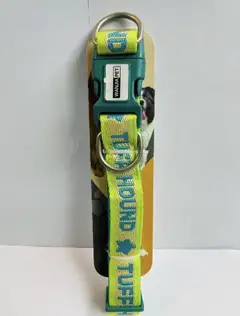
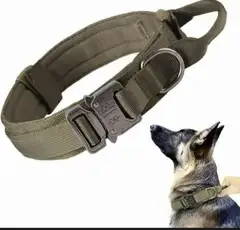 Durable military Dog collarsRWF55,000
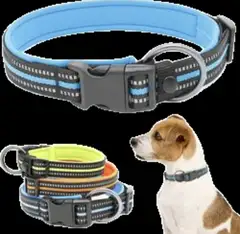 Adjustable classic Dog COLLARRWF12,000
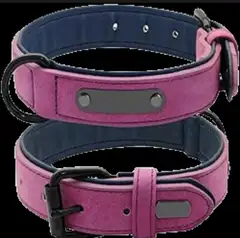 Personalized Dog CollarRWF13,000
Leash
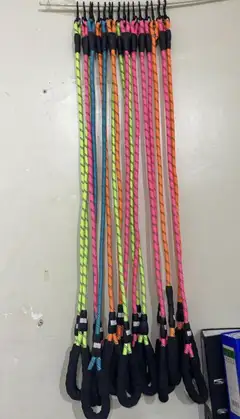
1 Must haveKigali roads are busy. A leash keeps your puppy safe from motos and cars.
How to use it: Start with short sessions in the compound before walking on the road.
Harness
1Nice to haveA harness spreads pressure across the chest and is gentler for puppies who pull.
How to use it: Choose an adjustable one so it fits as the puppy grows.
 Harness with leashRWF16,000
ID tag
1 Must haveIf your puppy slips out of the gate, a tag with your number helps people bring it back.
How to use it: Engrave your phone number. Keep it updated.

Toys and training
Puppies chew everything while their teeth come in. Give them the right things to chew.
Chew toys
3 to 4 Must haveChewing soothes teething and saves your shoes, furniture and cables.
How to use it: Rotate a few toys so they stay interesting. Remove toys that break apart.
Rope toy
1Nice to haveGreat for tug games and cleaning teeth while playing.
How to use it: Play together and stop if the rope starts to fray.
Training pads
1 packNice to haveHelpful during toilet training, especially in apartments or during heavy rain.
How to use it: Place them near the door and slowly move them outside.
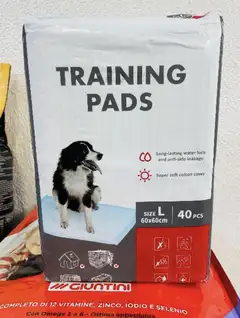 Training pads 60×60 CmRWF35,000


Grooming and health
Health care starts in the first weeks. Your vet is your best guide here.
First vet visit
Several visits Must havePuppies need a series of vaccinations, deworming and a general health check. Your vet will set the schedule, including rabies vaccination.
How to use it: Book a visit in the first week. Bring any records from the breeder or shelter.
Flea and tick treatment
As advised by your vet Must haveTicks and fleas are common in Kigali's gardens and compounds and can make dogs sick.
How to use it: Ask your vet which product is safe for your puppy's age and weight.
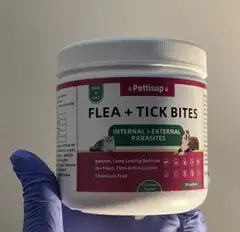 FLEA TICK BITESRWF13,000
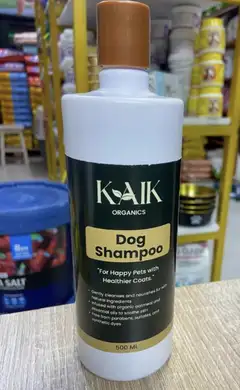
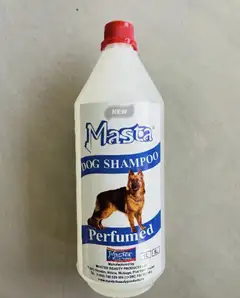
Dog shampoo
1 bottle Must haveRed dust and muddy rainy season walks mean occasional baths.
How to use it: Use dog shampoo only, never human shampoo. Do not over bathe young puppies.
Brush
1Nice to haveRegular brushing keeps the coat clean and helps you spot ticks early.
How to use it: Brush a few times a week and make it a calm, rewarding routine.
 PET Brush Spray MassageRWF15,000
 PET Brush SiliconeRWF7,000
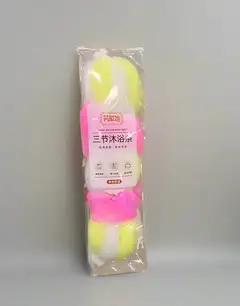
Old towels for drying
2Nice to haveFor drying off after baths and rainy walks.
How to use it: Keep a dog only towel near the door.
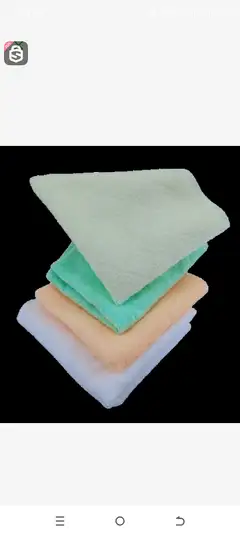 Small TowelRWF1,500
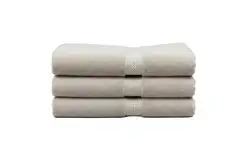 Plush Bath Mat/ Towel 100*100cmRWF15,000

Cleaning up
Accidents will happen. Being ready makes them a small job, not a disaster.
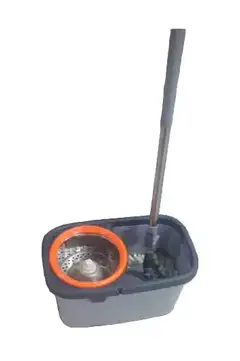
Mop and bucket
1 set Must haveFor quick cleanup of accidents on tiled floors.
How to use it: Clean accidents quickly so the puppy does not keep returning to the same spot.
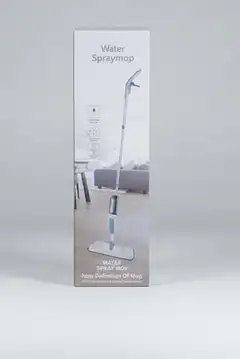 Water Spray MopRWF15,000
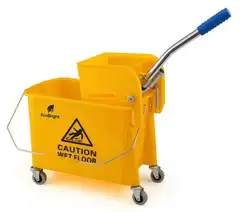 Single bucket MopRWF12,000
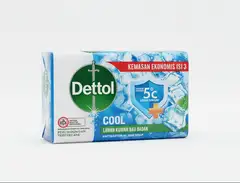
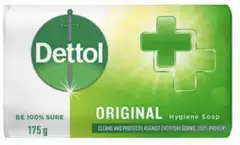
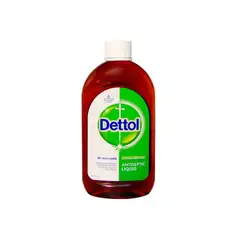
Disinfectant
1 bottle Must haveRemoves germs from floors and the puppy's area.
How to use it: Dilute well, rinse after use and keep the puppy away until the floor is dry. Ask your vet which products are pet safe.
Odor neutralizer
1Nice to haveRemoving the smell helps stop repeat accidents in the same place.
How to use it: Use a pet safe product after cleaning.
Poop bags
1 roll Must havePicking up after your dog on walks is good manners and keeps neighbors happy.
How to use it: Clip a roll to the leash so you always have one.
Step by step
- 1
One week before
Buy food, bowls, bed, collar and cleaning supplies. Find a vet nearby and save their number.
- 2
Puppy proof the house
Lift cables, shoes and cleaning products off the floor. Check the gate and fence for gaps.
- 3
Day one
Bring the puppy home calmly. Show it the bed, water and the spot outside for the toilet.
- 4
First week
Visit the vet for a health check, vaccinations and deworming plan. Start simple training with treats.
- 5
First months
Keep up the vaccination schedule, increase walks as your vet allows and adjust the collar as the puppy grows.
Tips that help
- Keep the same food for the first week to avoid an upset stomach.
- Take the puppy outside after every meal, nap and play session for toilet training.
- Keep the puppy in the shade on hot days and always provide fresh water.
- Puppies feel the cold. Keep the bed off the floor and away from open doors on rainy nights.
- Introduce new people, sounds and places slowly and with treats.
- Stock up on food before it runs out, as some brands can be hard to find.
Mistakes to avoid
- Changing food suddenly, which often causes diarrhea.
- Walking on busy roads before vaccinations are complete.
- Using human shampoo or medicines on a puppy.
- Leaving cables, shoes and chemicals within reach.
- Skipping the vet because the puppy looks healthy.
Questions people ask
What do I need before bringing a puppy home in Kigali?+
Puppy food, food and water bowls, a bed, a collar and leash, chew toys, dog shampoo and cleaning supplies. Find a vet nearby before the puppy arrives.
Where can I buy dog food in Kigali?+
Dog food is sold in some supermarkets and pet shops, and you can order it on Isokko for delivery. Buy a bag before your current one runs out, as brands can be hard to find.
When should my puppy see a vet?+
In the first week at home. The vet will check the puppy's health and set a schedule for vaccinations, including rabies, deworming and flea and tick control.
How often should I feed a puppy?+
Young puppies usually eat three to four small meals a day, moving to two meals as they grow. Follow the guide on the food bag and ask your vet.
How do I toilet train a puppy?+
Take the puppy outside to the same spot after meals, naps and play, and reward it with a treat when it goes. Clean accidents quickly and never punish the puppy.
A puppy is a lot of work and a lot of joy. With the essentials ready and a vet on speed dial, the first weeks will be about bonding, not panic buying. You can order dog food, bowls, beds, leashes, toys and cleaning supplies on Isokko and have them delivered before your new friend comes home.
Shop this list
Get everything delivered in Kigali
Order from local stores on Isokko and pay with MoMo, card or cash. Same-day delivery.