
Checklist · School & students
Classroom Supplies Checklist for Teachers in Kigali
A classroom supplies checklist for teachers in Kigali: board and marking tools, desk essentials, art and lesson materials, reward ideas and the personal kit that gets you through a school day.
Updated November 15, 2026 · By Isokko
Teachers in Kigali are experts at making a lot out of a little. Even in well supplied schools, there is always something missing on the day you need it: the chalk runs out mid lesson, the stapler jams on report day, the red pen dies halfway through a stack of exercise books.
This checklist covers the supplies most teachers end up buying or replacing themselves: board and marking tools, desk essentials, lesson and art materials, small rewards, and a personal kit for long days. Check what your school provides first. Many schools supply chalk and registers, and some have a supply budget you can ask about.
Keep a small personal box of essentials that stays with you, separate from the shared supply cupboard. It is the difference between a smooth lesson and a scramble.
Who it's for
Primary and secondary teachers in Kigali, new teachers and anyone setting up a classroom
Time needed
One planning session before term, small top ups monthly
When to shop
The week before term starts, and again at mid term
On the list
29 items, 11 must haves
0 of 29 ready
Board and teaching
The tools you use every lesson. Running out of these stops a class in its tracks.
Chalk
1 box Must haveStill the main board tool in many classrooms. A box in your bag means you never wait for the supply cupboard.
How to use it: Keep chalk in a dry box; damp chalk crumbles. Store a few colored sticks for diagrams and highlights.
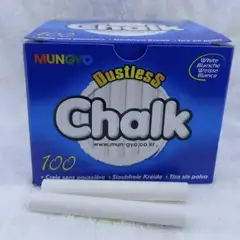 White chalk 100pcsRWF10,000
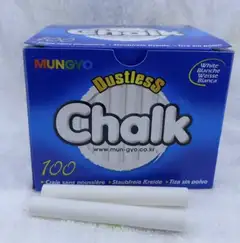 White chalk 100pcsRWF8,000
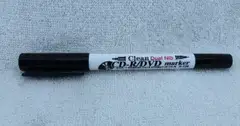
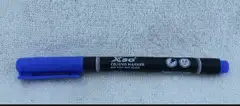
Markers
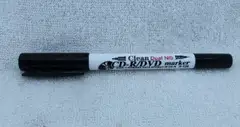
1 set Must haveFor charts, flip paper, labels and classrooms with whiteboards.
How to use it: Cap them straight after use so they do not dry out. Keep dark colors for writing and bright ones for highlights.
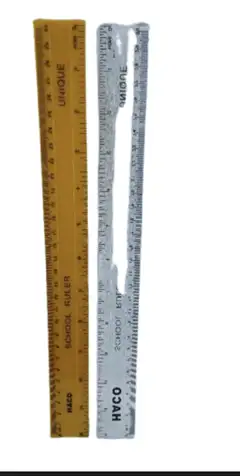
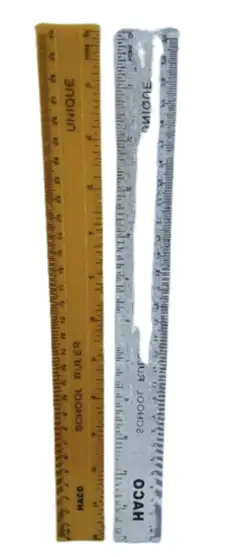
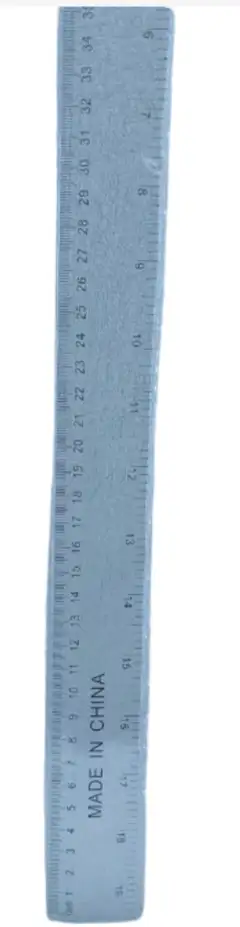
Ruler for the board
1 to 2Nice to haveStraight lines on the board make maths, tables and diagrams easier for pupils to copy.
How to use it: A long ruler works on chalkboards. Keep a short one on your desk for marking.
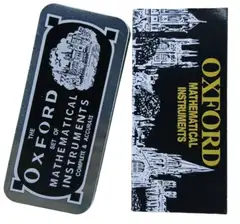
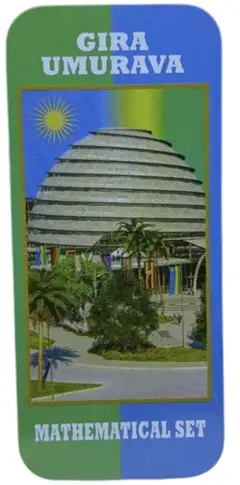
Mathematical set
1Nice to haveFor drawing angles and circles on the board and checking geometry work.
How to use it: Keep a full set at your desk so you can lend a compass when a pupil forgets theirs.
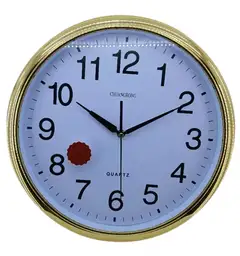
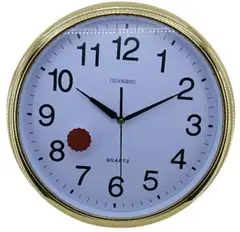
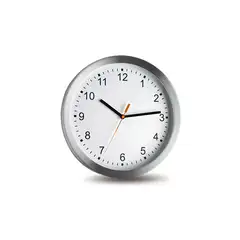
Wall clock
1Nice to haveHelps you pace lessons and keeps pupils aware of time in tests.
How to use it: Hang it at the back of the room so you can see it while facing the class.
Marking and records
Marking is a big part of the job. Good tools make it faster and clearer.
Red and blue pens
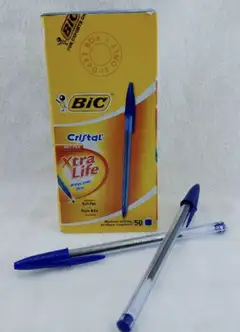
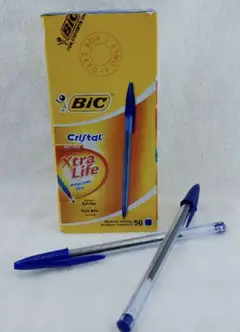
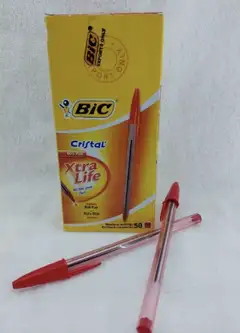
1 box each Must haveRed stands out for marking, and blue is for records and notes. You will go through several a term.
How to use it: Buy pens by the box. Keep one red and one blue in your pocket at all times.
Register or record book
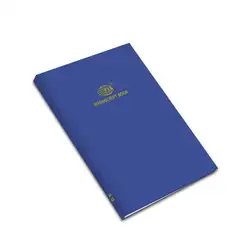
1 per class Must haveFor attendance, marks and notes on pupils. Even with digital systems, a paper backup helps when the power or network is down.
How to use it: Use one book per class. Write the date on every page.
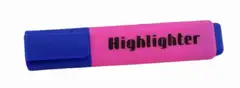
Highlighters
2 to 3Nice to haveMark key errors, important notes in your plans and pupils' names that need follow up.
How to use it: Use one color for errors and one for good work so pupils learn the code.
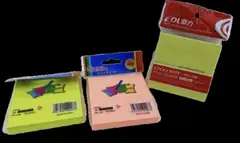
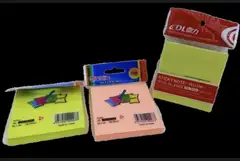
Sticky notes
2 pads Must haveQuick reminders, feedback notes on exercise books and lesson plan updates.
How to use it: Stick one on a pupil's book for personal feedback; they notice it more than a mark.
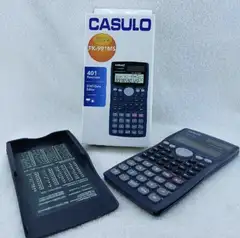
Calculator
1Nice to haveAdds up marks and percentages for reports quickly and accurately.
How to use it: A basic calculator is enough for marks. Keep it in your desk, not in the classroom.
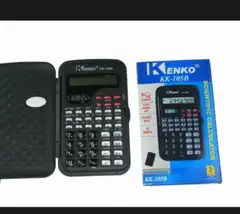 Kanko scientific calculatorRWF2,500
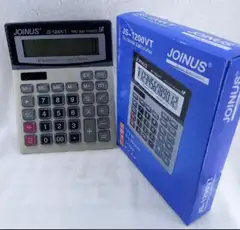 Joinus electronic calculatorRWF10,000
Flash disk
1 Must haveStores lesson plans, tests and reports for printing at school.
How to use it: Back up to email too. Label it clearly; many teachers have the same one.
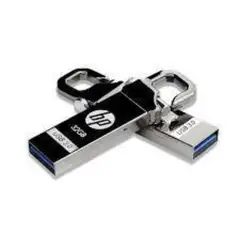 HP USB Flash drive 16GBRWF15,000
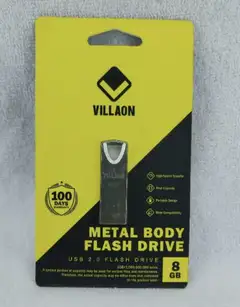 Villaon metal Body fash driver 8GBRWF10,000
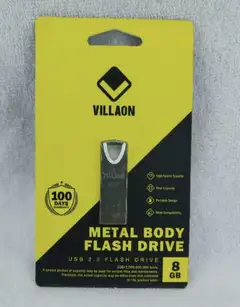 Villaon metal Body fash driver 8GBRWF10,000


Desk essentials
The small tools that keep papers organized and reports on time.
Stapler and staples
1 Must haveFor worksheets, tests and report packs. A jammed stapler on report day is a classic problem.
How to use it: Buy a metal one that lasts and keep spare staples in the drawer.
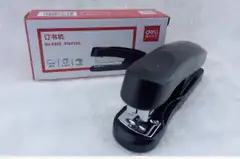 deli No.0325 StaplerRWF5,000
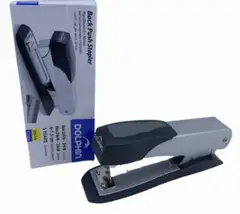 Dolphin Back Push Stapler DS-14RWF16,000
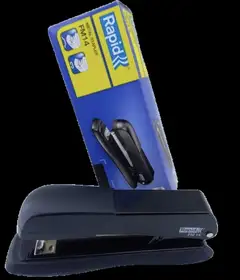 Rapid Metal Stapler FM14RWF16,500
Hole puncher
1Nice to haveFor filing tests, notes and pupil work into folders.
How to use it: Empty the paper dots regularly so it keeps working well.
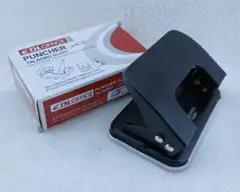 Puncher DLO231RWF1,000
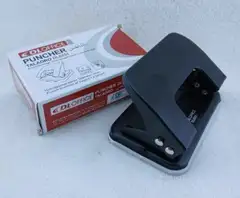 Puncher DL 0231RWF4,000
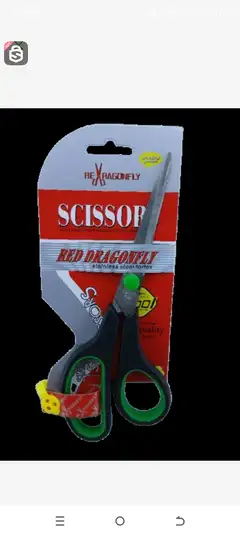
Scissors
1 to 2 Must haveCutting worksheets, flashcards and craft materials.
How to use it: Keep a sharp pair for yourself and round tip ones for pupil activities.
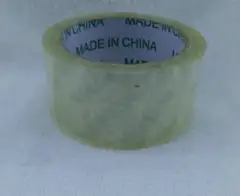
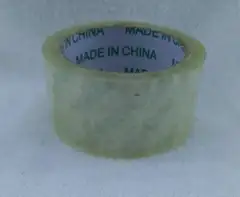
Tape
2 rolls Must haveSticks charts, timetables and pupil work to the wall.
How to use it: Clear tape for paper, stronger tape for heavier charts.
Clipboard
1Nice to haveLets you mark and take notes while walking around the class or outside during sports.
How to use it: Clip the class list on it for quick attendance and observations.
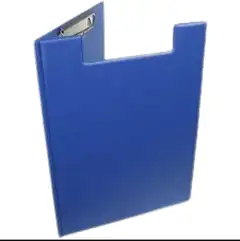 Paper clipboard blueRWF3,000
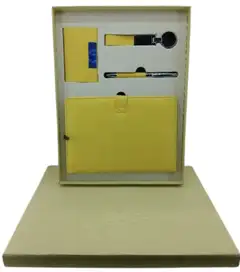
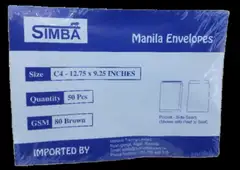
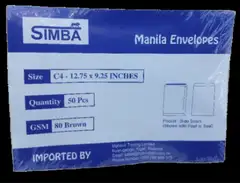
Envelopes
1 packNice to haveFor sending notes home, collecting forms and keeping test papers together.
How to use it: Large manila envelopes keep report cards flat and clean.

Lesson and art materials
Hands on lessons stick better. A small store of materials makes them possible.
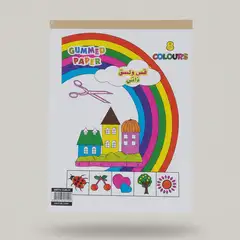
Colored paper and craft pad
1 to 2 padsNice to haveFor posters, flashcards, art lessons and classroom displays.
How to use it: Laminate or cover important flashcards with clear tape so they last.
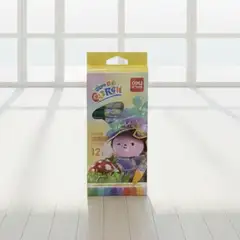
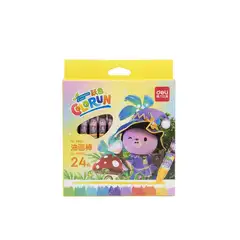
Colored pencils or oil pastels
1 to 2 setsNice to haveFor art lessons, maps and labeling diagrams, and for pupils who forget theirs.
How to use it: Keep a class set in a box and count them back at the end of each lesson.
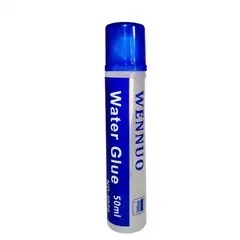
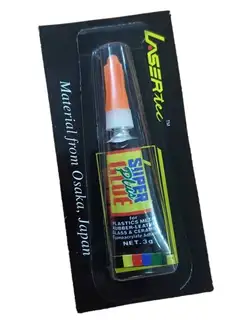
Glue
2 bottlesNice to haveCraft, cut and stick lessons and displays.
How to use it: Water glue is cleaner for young pupils. Keep the lid tight.
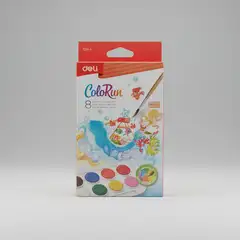
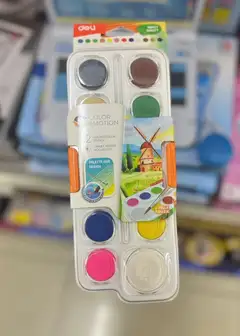
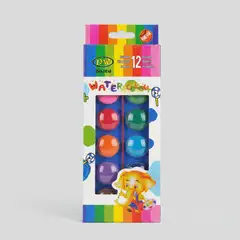
Watercolor set
1 to 3 setsNice to havePainting lessons build creativity and fine motor skills, especially in lower primary.
How to use it: Share a set between two pupils with a cup of water each. Cover desks with old newspaper.
 CONZN A5 Watercolor PadRWF5,000
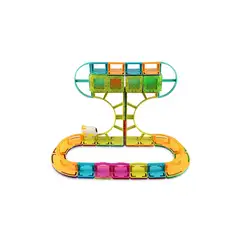
Puzzles and building blocks
1 to 2Nice to haveGreat for early finishers and lower primary learning corners.
How to use it: Rotate a few at a time so they stay interesting. Keep pieces in labeled boxes.
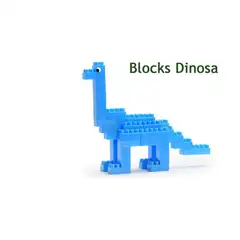 1osaur Series Building Block ArtRWF4,700
 Urban Road Building Block ArtRWF21,700

Rewards and motivation
Small rewards go a long way, especially with younger pupils.
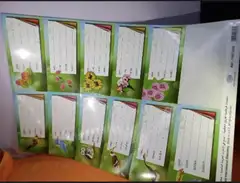
Stickers
2 to 3 sheetsNice to haveA sticker on a good page is a big moment for a young child.
How to use it: Keep a sheet in your marking kit. Use them for effort, not only for top marks.
Stamp pad
1Nice to haveA stamp is quicker than writing comments and children love seeing it.
How to use it: Re ink the pad regularly so stamps stay clear.
 Huhua stamp pad blueRWF2,500
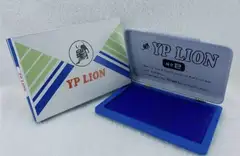 YP LION Stamp PadRWF1,800


Your personal kit
Long days on your feet need a few things just for you.
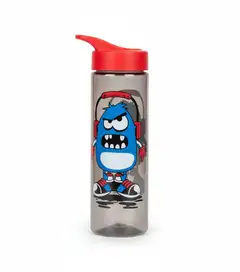
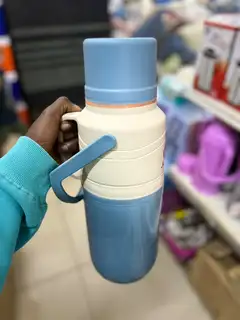
Water bottle
1 Must haveTeaching all day is thirsty work, and chalk dust dries your throat.
How to use it: Keep it full on your desk and drink between lessons.

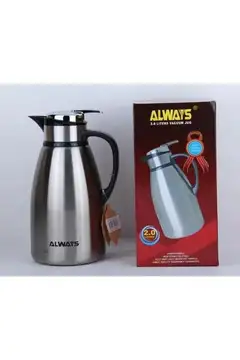
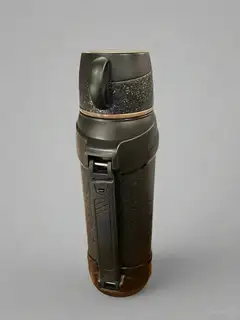
Flask for tea or coffee
1Nice to haveA warm drink at break time when the staff room kettle queue is long.
How to use it: A small flask keeps tea hot until mid morning.
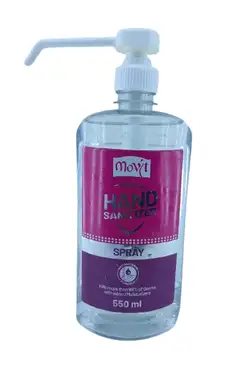
Hand sanitizer and tissues
1 each Must haveChalk dust, shared books and a room full of children with colds.
How to use it: Keep both on your desk and offer them to pupils too.
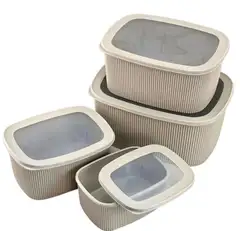
Storage box
1Nice to haveKeeps your personal supplies separate from the shared cupboard so they do not disappear.
How to use it: Label it with your name and keep it locked if you can.
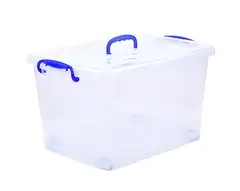 Storage Box 16LRWF23,000
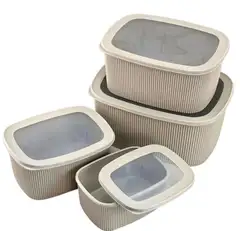 Kitchen storage boxes 4pcsRWF28,800
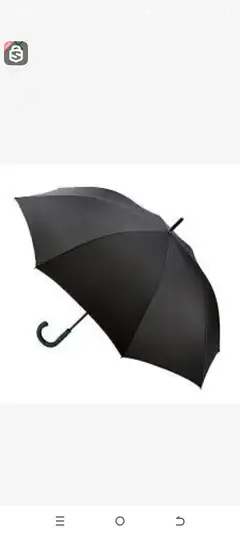
Umbrella
1Nice to haveFor crossing the school compound in a sudden storm between lessons.
How to use it: Keep one at school all the time during rainy season.




Step by step
- 1
Before term
Check what your school provides and what is left in your box from last term. Make a short list of what to buy.
- 2
First week
Set up your desk, put up timetables and displays, and organize your personal box. Count class sets of shared materials.
- 3
Every month
Check chalk, pens, tape and staples. Top up before you run out, not during a lesson.
- 4
Before exams and reports
Stock extra red pens, staples, envelopes and paper. Back up marks to a flash disk and email.
- 5
End of term
Collect and count shared materials, store what is left in your box, and note what ran out fastest.
Tips that help
- Buy pens and chalk in boxes. It is cheaper and you will use them.
- Keep a marking kit in one pouch: red pen, blue pen, highlighter, stickers and sticky notes.
- Ask parents at the start of the year if anyone can donate craft materials or paper.
- Label everything with your name. Staff rooms have a way of absorbing staplers.
- Back up lesson plans and marks every week.
- Rotate learning corner materials so pupils stay curious.
Mistakes to avoid
- Spending your own money on things the school would have provided if you had asked.
- Leaving marking pens in the classroom where they walk away.
- Running out of staples or ink right before report day.
- Keeping all records on one flash disk with no backup.
- Buying cheap scissors and staplers that break in the first month.
Questions people ask
What supplies do teachers need for the classroom?+
Chalk or markers, red and blue pens, a register, sticky notes, a stapler, scissors, tape and a ruler cover the basics. Add art materials, rewards like stickers and a personal kit with a water bottle and hand sanitizer.
What should a new teacher buy first?+
Start with marking pens, sticky notes, a register or notebook for records, chalk or markers and a flash disk for lesson plans. Ask the school what it provides before buying bigger items like staplers or art supplies.
Do schools in Rwanda provide classroom supplies?+
Many schools provide basics like chalk, registers and some stationery, but it varies a lot. Ask your head teacher or bursar what is available and whether there is a budget for materials.
How can teachers save money on classroom supplies?+
Buy in bulk, share big items like laminators or paper cutters with colleagues, and ask parents for donations of craft materials. Keep a personal box so supplies do not disappear.
What are good cheap rewards for pupils?+
Stickers, stamps, a written comment, a chance to lead an activity or a star on a class chart all work well. Praise for effort matters more to most children than the reward itself.
A well stocked desk lets you focus on teaching, not on hunting for chalk. Check what your school provides, build your personal kit, and top up monthly. Order your classroom supplies on Isokko and have them delivered anywhere in Kigali, even to the school gate.
Shop this list
Get everything delivered in Kigali
Order from local stores on Isokko and pay with MoMo, card or cash. Same-day delivery.