
Checklist · School & students
Your Child's First Day of Preschool or Nursery: Checklist
Get ready for your child's first day of preschool or nursery in Kigali: the bag, spare clothes, diapering or potty kit, snacks, comfort items and labels, plus tips for a gentle start.
Updated November 15, 2026 · By Isokko
The first day of nursery is a big step for a small person, and often an even bigger one for the parent standing at the gate. A well packed bag will not stop the tears, but it does mean your child has everything they need to feel clean, fed and comfortable while they get used to a new place.
Nurseries, preschools and ECD centers in Kigali vary a lot. Some provide meals, naps and diapers; others ask parents to send nearly everything. Ask for the nursery's own list and follow it first. This checklist fills the gaps with what most young children need in a day away from home.
Pack together with your child if you can. Letting them choose the bottle or put the toy in the bag helps them feel part of the adventure.
Who it's for
Parents and caregivers of toddlers and young children starting nursery, preschool, daycare or an ECD center
Time needed
Shop over one week, pack the bag together the night before
When to shop
One to two weeks before the first day, after the nursery shares its list
On the list
25 items, 11 must haves
0 of 25 ready
The bag
Small, light and easy for little hands to open. Everything inside should have a name on it.
Small backpack
1 Must haveA bag sized for a toddler is one they can carry with pride, which helps with the goodbye at the gate.
How to use it: Choose one that is light when empty, with a wide opening. Check with the nursery about size, since cubbies are small.
Water bottle
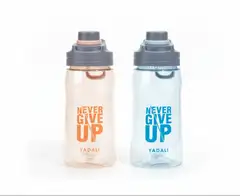
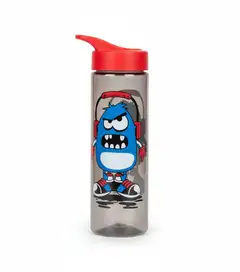
1 Must haveYoung children need to drink often, especially in the dry season heat. A bottle they can open alone is a small independence win.
How to use it: Pick a leak proof bottle with a spout or straw. Wash it every evening.
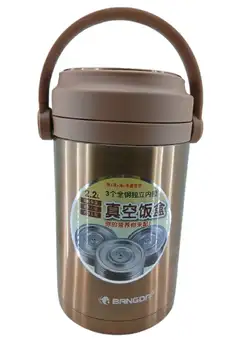
Lunchbox or snack box
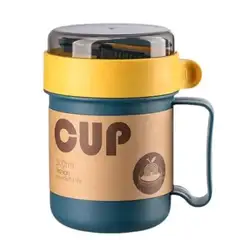
1 Must haveEven if the nursery feeds children, many ask for a snack from home for break.
How to use it: A small box with one or two compartments is plenty. Pack food your child already knows and likes.
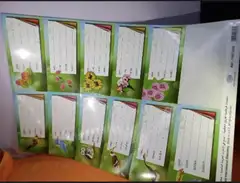
Name labels or stickers
1 sheet Must haveEvery child in the class seems to have the same bottle. Labels bring things home.
How to use it: Label the bag, bottle, lunchbox, clothes and shoes. Write names inside collars with a permanent marker.
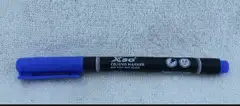
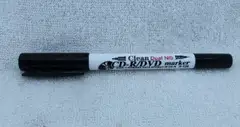
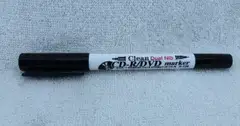
Permanent marker
1 Must haveFor labeling items that stickers will not stick to, like clothes tags and shoe insoles.
How to use it: Write the child's first name and initial of the surname. Keep the marker at home.




Spare clothes pouch
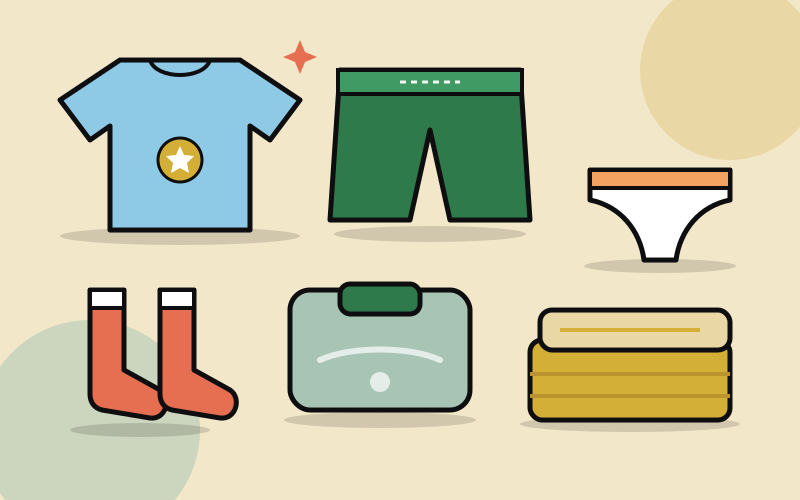
Accidents, spilled juice and muddy play are part of nursery life. A complete change of clothes is essential.
Spare t-shirt and shorts or dress
1 to 2 sets Must haveChildren get wet, muddy or messy most days. A change of clothes saves a call to come and collect them.
How to use it: Pack a full outfit in a named bag. Replace it the same day it comes home used.
Spare underwear or training pants
2 to 3 Must havePotty training accidents happen, especially in the first weeks in a new place.
How to use it: Pack two or three pairs. Waterproof training pants help during the transition.
 Underwear Training WaterproofRWF3,000
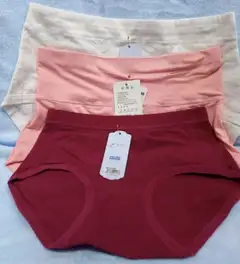 Underwear for womenRWF4,000
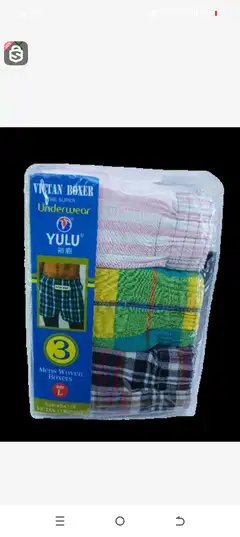 Victan boxers underwear 3men lRWF8,000
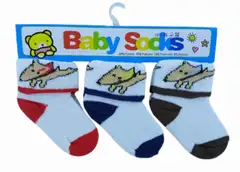
Socks
2 pairsNice to haveWet socks after rain or water play are uncomfortable all day.
How to use it: Pack one spare pair in the pouch, more in rainy season.
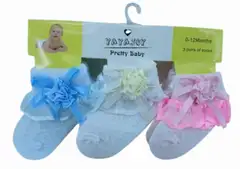 Baby socks yaya joyRWF2,500
 Tersen 3 way multi- AdapterRWF3,500
Warm jumper
1Nice to haveKigali mornings and rainy afternoons can be cool. A light jumper keeps a small child comfortable.
How to use it: Pick one that is easy to pull on and off without help.
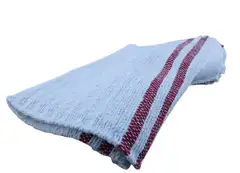
Small towel
1 to 2Nice to haveFor drying hands and faces, or wiping up after water play.
How to use it: Choose a soft, dark colored hand towel and label it. Pack a reusable cloth bag too, so wet clothes come home separately.
 Small TowelRWF1,500
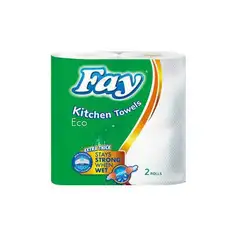 Fay Hand Towel Extra Thick WhiteRWF5,900





Diapering or potty kit
Check what the nursery provides. Many ask parents to send a full supply for the week.
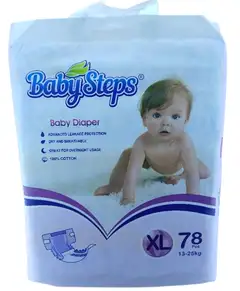
Diapers
1 pack a week Must haveIf your child is still in diapers, the nursery will need a steady supply.
How to use it: Send a full pack on Monday and ask the teacher to tell you when it runs low.
 Washable diapersRWF6,000
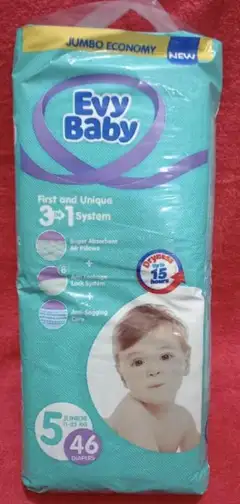 Evy Baby Diapers N5 (11-25kg) 46pcsRWF27,800
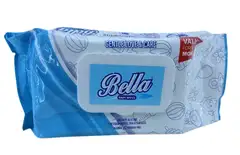
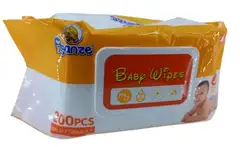
Baby wipes
1 pack a week Must haveFor diaper changes, sticky hands and messy faces.
How to use it: Send a full pack and keep a small travel pack in the bag.
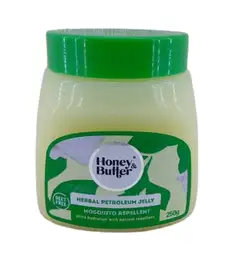
Petroleum jelly or diaper cream
1Nice to haveProtects skin during long days in diapers.
How to use it: Label the tube and tell the teacher how and when to use it.
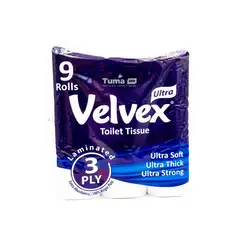
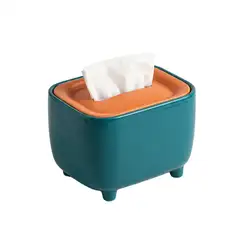
Tissues
1 box Must haveRunny noses are constant in a room full of toddlers.
How to use it: Send a box for the class if asked, and a small pack in the bag.




Snacks and drinks
Familiar food is comforting on a big day. Keep it simple and easy to eat.
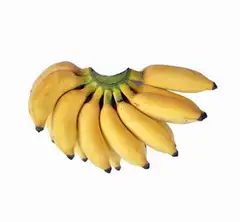
Bananas
Daily Must haveSoft, filling and easy for small hands to manage.
How to use it: Pack small ripe bananas, or cut a big one in half.
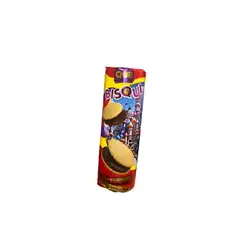
Biscuits or crackers
1 pack a weekNice to haveA simple snack most children enjoy at break time.
How to use it: Pick plain biscuits and portion two or three into the box.
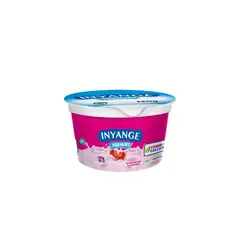
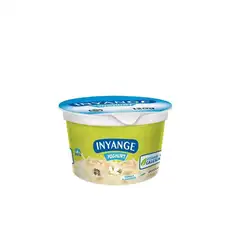
Yogurt
5 cupsNice to haveSoft, nourishing and a favorite for many toddlers.
How to use it: Freeze it the night before so it stays cool until snack time. Add a spoon.
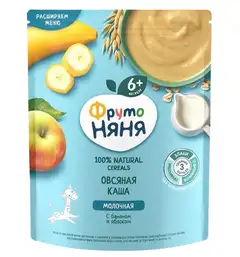
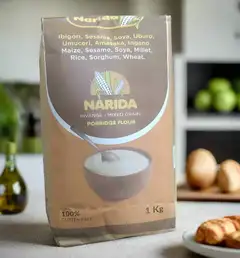
Porridge flour for breakfast
1 packNice to haveA warm, filling breakfast before nursery helps children settle and not get hungry too early.
How to use it: Cook it thin and smooth with milk. Give breakfast at least 30 minutes before leaving.
 TOHA Baby Porridge Flour 1kgRWF5,200
 TOHA Baby Porridge Flour 1kgRWF4,600



Comfort and play
Small familiar things make a big new place feel safer.
A small comfort toy
1Nice to haveA familiar toy from home can help with separation and nap time. Ask whether the nursery allows one.
How to use it: Choose one that is not precious; it may get lost or dirty. Label it.
Small blanket for nap time
1Nice to haveIf the nursery has a nap, a blanket from home smells familiar and helps children rest.
How to use it: Pick a light, washable one and bring it home weekly to wash.
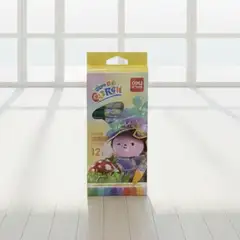
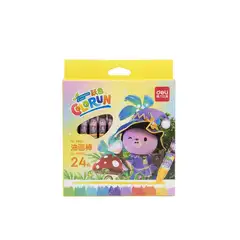
Oil pastels or crayons
1 setNice to haveDrawing at home in the days before helps build excitement about school activities.
How to use it: Draw a picture of the nursery together and talk about what will happen there.
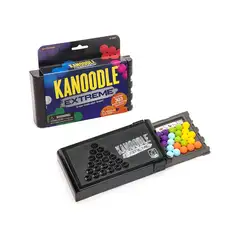
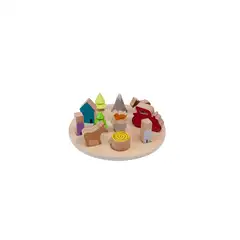
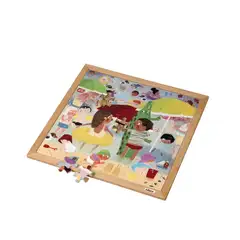
Puzzle
1Nice to haveSimple puzzles at home build the focus and turn taking used in nursery.
How to use it: Play together for ten minutes in the evenings the week before.





Weather and care
For outdoor play and the walk or moto ride to nursery.
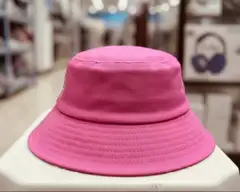
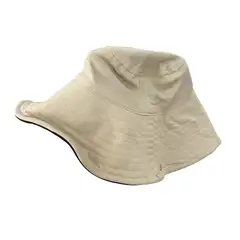
Sun hat
1Nice to haveOutdoor play under the Kigali sun can be strong around midday.
How to use it: A wide brim bucket hat with a name label.
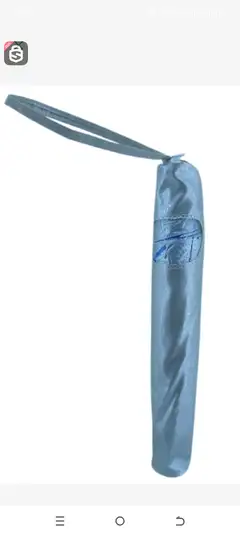
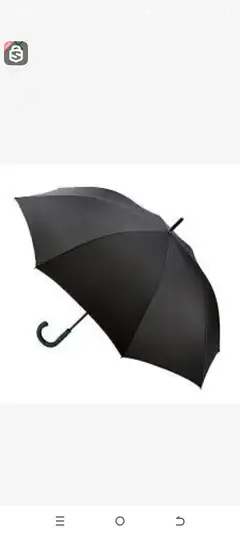
Raincoat or umbrella
1Nice to havePick up time often clashes with afternoon rain.
How to use it: A small raincoat is easier than an umbrella for a toddler.
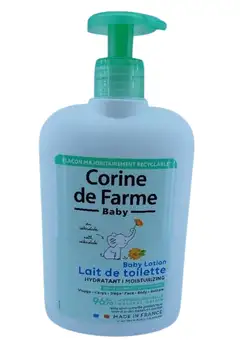
Baby lotion
1Nice to haveKeeps skin soft through dusty dry season days.
How to use it: Apply in the morning before dressing.
 Cetaphil baby lotion 400MLRWF35,000
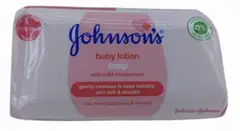 Johnson's baby lotion soapRWF3,500


Step by step
- 1
Two weeks before
Get the nursery's list and ask about meals, naps, diapers and what not to bring. Visit together if you can.
- 2
One week before
Shop the list and label everything. Start practicing the morning routine and a simple goodbye ritual.
- 3
Two days before
Pack the spare clothes pouch and diaper supplies. Talk about the nursery in a happy, simple way.
- 4
The night before
Pack the bag together, fill the snack box, and get an early night for everyone.
- 5
First morning
Give a good breakfast, leave on time, say a short warm goodbye and go. Long goodbyes are harder on little ones.
Tips that help
- Keep goodbyes short and cheerful. Tell your child when you will be back, using events like after lunch.
- Send familiar food in the first weeks. New place and new food at once is a lot.
- Ask the teacher for a quick update by phone or message after the first morning.
- Pack the bag the same way every day so your child knows where things are.
- Pick your child up a little early in the first week if the nursery allows it.
- Replace used spare clothes the same evening so the pouch is always ready.
Mistakes to avoid
- Forgetting to label clothes, then losing jumpers and shoes in the first week.
- Sending a big, heavy bag that a small child cannot carry or open.
- Sneaking away without saying goodbye, which can make separation harder next time.
- Packing new foods your child has never tried.
- Not sending enough diapers or spare clothes for a full day.
Questions people ask
What should I pack for my child's first day of nursery?+
A small bag with a water bottle, a snack box, a full change of clothes, diapers and wipes or spare underwear, tissues and a comfort item if allowed. Label everything. Follow the nursery's own list first.
How many spare clothes should a toddler have at nursery?+
At least one full change, and two if your child is potty training. Include underwear, socks and a top and bottom, and replace them the same day they come home used.
How do I help my child settle into nursery?+
Visit before the first day, talk about it positively, keep goodbyes short and come back when you said you would. Familiar food and a comfort toy help. Most children settle within a few weeks.
Should I send a toy to nursery?+
Many nurseries allow one small comfort item, especially for nap time. Ask first, label it, and choose something that would not be a disaster to lose.
What age do children start nursery in Rwanda?+
It varies by family and center. Daycares often take babies and toddlers, while nursery and preschool classes usually start around age three. Ask the center about their age groups and settling in process.
The first day of nursery is a milestone worth celebrating. With the bag packed, the clothes labeled and a favorite snack inside, your child is ready for their first adventure. Shop this checklist on Isokko and have everything delivered to your home in Kigali before the big day.
Shop this list
Get everything delivered in Kigali
Order from local stores on Isokko and pay with MoMo, card or cash. Same-day delivery.