
Checklist · Travel & outings
Day Hike Checklist: Mount Kigali and Beyond
What to pack for a day hike on Mount Kigali, Mount Jali or hills around Rwanda: water, snacks, shoes, rain gear, sun care and a small first aid kit.
Updated November 16, 2026 · By Isokko
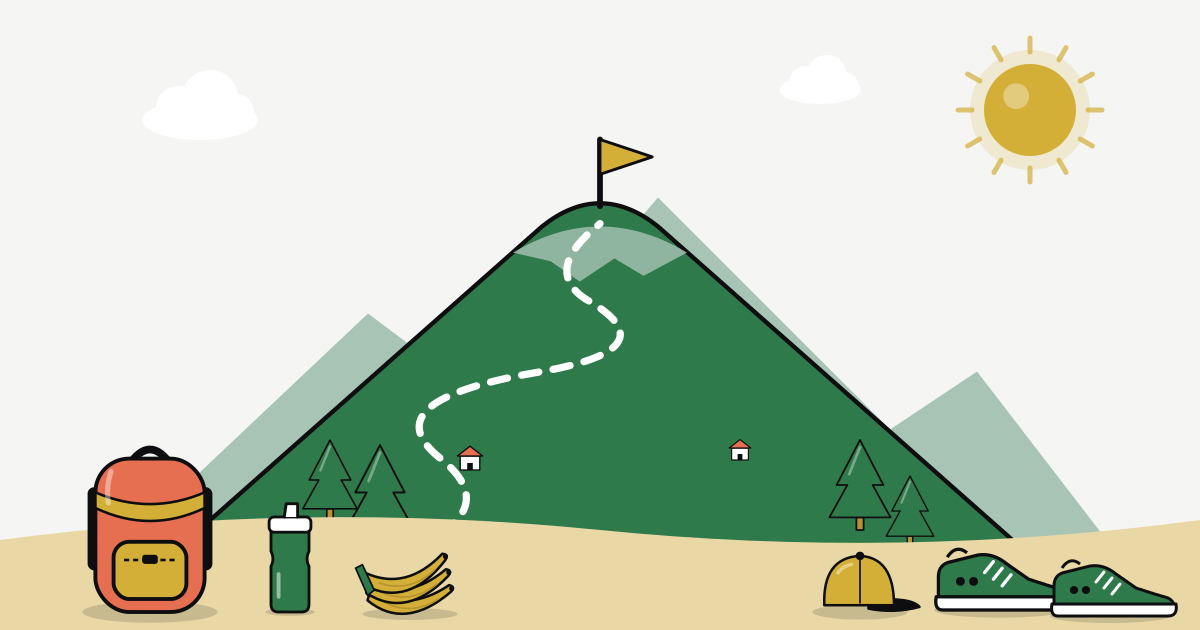
You do not have to leave the city for a good hike. Mount Kigali, Mount Jali and the ridges around Rebero give you steep climbs, red dirt paths, eucalyptus trees and wide views over the city. Further out, the country of a thousand hills has a trail for every weekend.
Short hikes still catch people out. The sun is strong at altitude, rain can arrive in minutes, and steep, dusty paths are slippery on the way down. A small, well packed day bag makes the difference between a great morning and a miserable one.
Here is what to bring for a day hike in Rwanda, from the must haves to the small extras that make it more fun. If you hike in a park or protected area, check fees, guide rules and opening hours before you go.
Who it's for
Beginners and regular walkers planning a half day or full day hike on Kigali's hills or elsewhere in Rwanda
Time needed
Half a day to a full day on the trail
When to shop
Order snacks, water and sun care a day or two before the hike
On the list
26 items, 13 must haves
0 of 26 ready
Water and trail snacks
Climbing Kigali's hills is hard work, and you sweat more than you notice in the dry air. Eat and drink little and often.
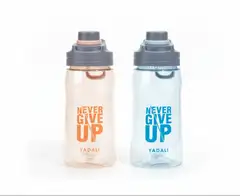
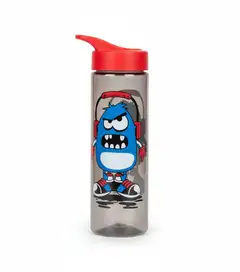
Water bottle
1 to 2 per person Must haveDehydration makes the climb feel twice as hard and can bring on headaches.
How to use it: Carry at least 1.5 litres for a half day hike and more on hot days. A bottle with a sports cap is easy to sip while walking.
Extra bottled water
1 pack Must haveShops near trailheads are not always open early, and you may hike longer than planned.
How to use it: Leave a pack in the car or at home for when you finish.
 Nil mineral water 5LRWF4,500
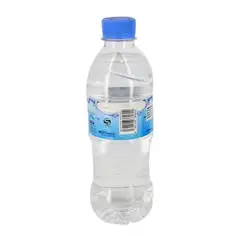 Inyange Mineral water 500mlRWF1,000
Bananas
2 per person Must haveQuick energy and potassium in a natural wrapper.
How to use it: Eat one at the start and one at the top.
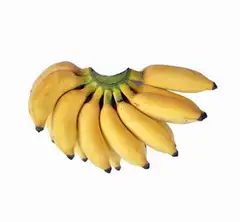 Sweet banana (Kamara)RWF2,500
 Sweet banana UnripeRWF2,500
Roasted nuts
1 pack Must haveLight, filling and full of slow energy for long climbs.
How to use it: Mix with raisins in a small container for your own trail mix.
Dates or raisins
1 packNice to haveNatural sugar for a fast lift on steep sections.
How to use it: Keep a handful in a side pocket so you do not have to stop and dig.
Granola or protein bar
1 to 2Nice to haveEasy lunch replacement if you are out longer than planned.
How to use it: Choose bars that will not melt in a warm bag.
 Sante Granola Chocolate 350gRWF7,500
 Chocolate Granola (250g)RWF6,000
 Sante Granola Fruit 350gRWF7,500
Glucose powder or sweets
1 small packNice to haveHelps if someone feels dizzy or low on energy on the climb.
How to use it: Mix a spoon into water or suck a sweet. If someone feels unwell, stop, rest and get help if it does not pass.
 Vinit Glucose biscuits 44grRWF1,000
 Excel Pure Glucose Powder 250grRWF4,100
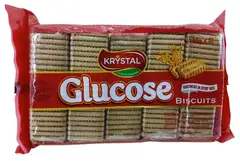 Krystal Glucose Biscuits 190g*5RWF7,500








What to wear
Trails around Kigali are dusty and loose in the dry season and muddy after rain. Your shoes matter most.
Sports shoes with good grip
1 pair Must haveSteep red soil paths are slippery, especially on the way down. Smooth soles cause most falls.
How to use it: Wear shoes you have already walked in. New shoes on a long hike mean blisters.
 Nike Total 90 III sneakersRWF48,000
 Nike Vomero Plus sneakersRWF63,250
 On Running Cloudtilt sneakersRWF48,300
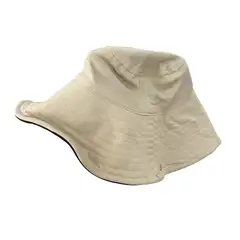
Cap or sun hat
1 Must haveThe sun at altitude is strong and there is little shade on open ridges.
How to use it: A cap with a back flap or a wide brim protects your neck too.
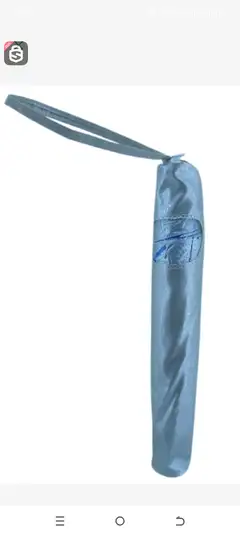
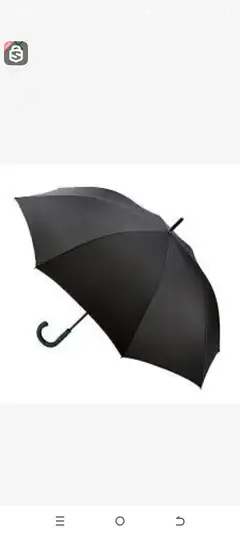
Rain coat
1 Must haveRain can roll in quickly, especially from March to May and October to December.
How to use it: Pack a light one even if the morning is sunny.
Light jacket
1Nice to haveHilltops are windy and early mornings are cool.
How to use it: Tie it around your waist once you warm up.
Sunglasses
1Nice to haveBright light and dust on exposed ridges.
How to use it: Use a cord so they do not fall off when you look down at the view.
 Brown Sunglasses with coverRWF10,000
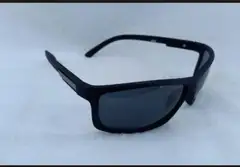 Adult sunglasses 13RWF4,000
Small towel
1Nice to haveWipe sweat and dust, sit on a rock at the top, or dry off after rain.
How to use it: A small one fits in any side pocket.
 Small TowelRWF1,500
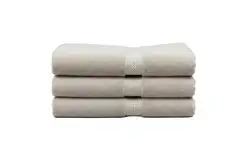 Plush Bath Mat/ Towel 100*100cmRWF15,000






Sun and bug protection
Hiking at altitude means more UV than in the valley, and wooded areas have insects.
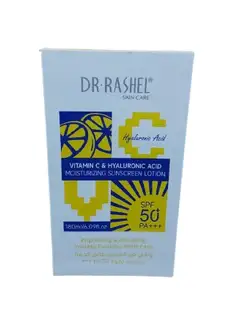
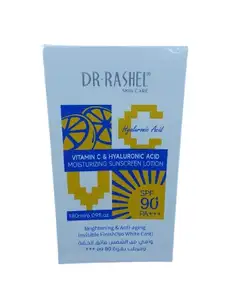
Sunscreen
1 Must haveYou burn faster at altitude, even when it feels cool and breezy.
How to use it: Apply before you start and again at the top. Do not forget ears and the back of your neck.
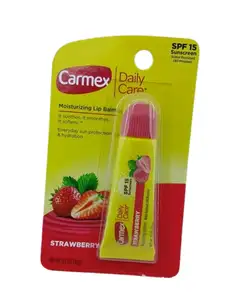
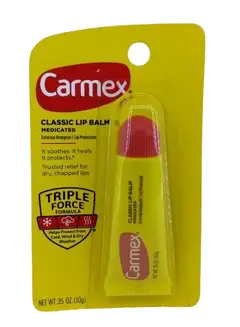
Lip balm
1Nice to haveWind and sun dry out lips on the climb.
How to use it: Choose one with SPF.
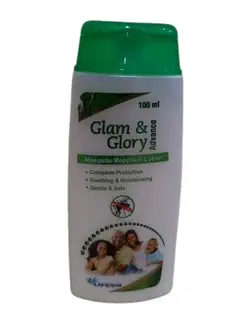
Insect repellent
1Nice to haveUseful in eucalyptus forest, near wetlands and on evening walks.
How to use it: Apply to ankles and wrists before you start.



Safety and first aid
Most hikes go smoothly, but a few small items help if someone slips, gets a blister or gets lost.
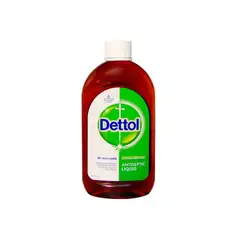
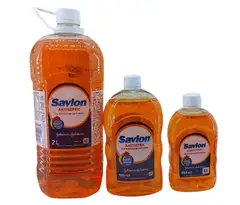
Antiseptic
1 small bottle Must haveGrazes from falls on rocky paths should be cleaned quickly.
How to use it: Pack with cotton wool and a few plasters in a small bag. Seek medical care for deep cuts, head knocks or suspected sprains.
First aid kit
1 per group Must haveCovers blisters, cuts and headaches without ending the hike.
How to use it: Check it before each hike and replace what you used.
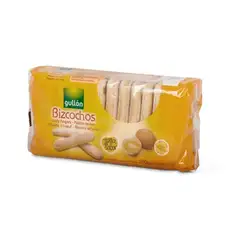 Gullon Pastries BiscuitRWF4,250
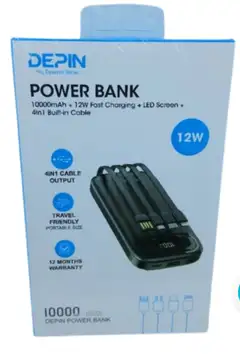
Power bank
1 Must haveYour phone is your map, your camera and your way to call for help.
How to use it: Charge it the night before and keep your phone on low power mode.
Torch
1Nice to haveIf the hike takes longer than planned, dusk comes fast near the equator.
How to use it: A small rechargeable torch is enough. Aim to be off the hill before dark.
 LED Rechargeable Power Torch 1WRWF5,000
 LED Rechargeable Power Torch 1WRWF7,500
 LED Rechargeable Power Torch 1WRWF10,000
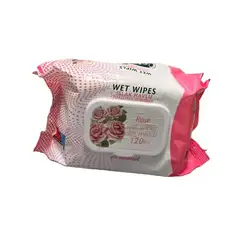
Wet wipes
1 pack Must haveClean hands before eating and wipe off dust and sweat.
How to use it: Carry a small pack and take used wipes home with you.
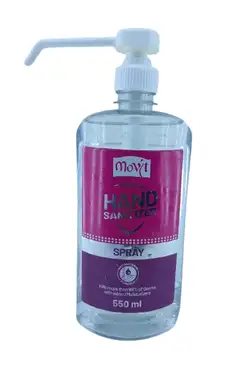
Hand sanitizer
1 small bottleNice to haveThere is rarely water to wash hands on the trail.
How to use it: Use before snacks.







Your day pack and after the hike
Carry everything in one comfortable bag, and treat yourself when you get down.
Day backpack
1 Must haveKeeps your hands free for steep sections and balance.
How to use it: Choose one with two shoulder straps. Pack heavy items like water close to your back.
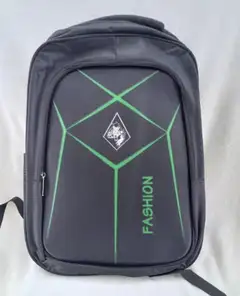 Fashion BagRWF15,000
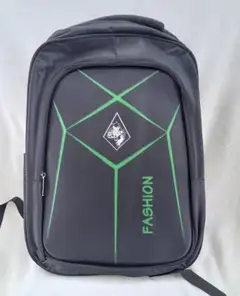 Fashion BagRWF15,000
Food container
1Nice to haveProtects sandwiches and fruit from getting squashed.
How to use it: Pack lunch in one container to keep it clean.
Massage oil
1Nice to haveTired calves and thighs feel much better after a gentle massage.
How to use it: Use it after a warm shower the evening after your hike.
Deodorant
1Nice to haveFor the ride home or brunch after the hike.
How to use it: Leave it in the car with a fresh shirt.









Step by step
- 1
Pick your hike
Choose a trail that fits your fitness and time. Mount Kigali and Mount Jali are good starters. For parks and protected areas, check fees, guide rules and opening hours before you go.
- 2
Two days before
Order snacks, water, sunscreen and anything missing from your first aid kit on Isokko. Check the weather forecast.
- 3
The night before
Pack your bag, charge your phone and power bank, freeze one bottle of water so it stays cold, and lay out your shoes and clothes.
- 4
Hike morning
Eat a good breakfast, apply sunscreen and tell someone where you are going and when you expect to be back. Start early to beat the heat.
- 5
After the hike
Drink water, stretch your legs and eat a proper meal. Clean and dry your shoes so the mud does not set.
Tips that help
- Start early. Mornings are cooler and the views are clearer before the afternoon haze or rain.
- Hike with at least one other person, and share your plan with someone who is not coming.
- Walk at a pace where you can still talk. If you cannot, slow down.
- On the way down, take small steps and keep your knees slightly bent on loose red soil.
- Greet people you meet on the trail. Many paths pass homes and farms, so respect fields and stay on the path.
- Take all your rubbish home, including banana peels and wipes.
Mistakes to avoid
- Wearing new or smooth soled shoes on steep, dusty paths.
- Bringing one small bottle of water for a long climb.
- Skipping sunscreen because it feels cool on the hill.
- Starting late and getting caught by afternoon rain or darkness.
- Going alone without telling anyone where you are.
Questions people ask
How hard is the Mount Kigali hike?+
It is a steady climb that most people with basic fitness can manage at their own pace. The steepest parts can be slippery, so good shoes help. Take breaks, drink water and turn back if you feel unwell.
What should I wear for a hike in Kigali?+
Wear comfortable sports shoes with good grip, breathable clothes, a cap and sunglasses. Carry a light jacket and a rain coat, since the weather can change quickly.
How much water should I bring on a day hike?+
Plan on at least 1.5 litres for a half day and around 3 litres for a full day, more if it is hot. Drink small amounts often rather than a lot at once.
Is it safe to hike alone in Kigali?+
Many people hike popular hills safely, but it is always better to go with someone. If you go alone, tell a friend your route and when you will be back, keep your phone charged and stick to well used paths.
What is the best time of day to hike in Rwanda?+
Early morning is best. It is cooler, the light is beautiful and you finish before afternoon heat or rain. Aim to be off the trail well before sunset.
Kigali's hills are some of the best free gyms in the world, with views to match. Pack water, snacks, good shoes, sun care and a rain coat, tell someone your plan, and enjoy the climb. Shop the list on Isokko and have your hiking snacks and supplies delivered before the weekend.
Shop this list
Get everything delivered in Kigali
Order from local stores on Isokko and pay with MoMo, card or cash. Same-day delivery.