
Checklist · Travel & outings
Leaving Rwanda to Study Abroad: Packing Checklist
A packing checklist for Rwandan students leaving to study abroad: documents, tech and adapters, toiletries for a new climate, warm layers, a taste of home and gifts for your hosts.
Updated November 15, 2026 · By Isokko
Getting the admission letter was the hard part. Now comes the long list: documents, chargers, a suitcase that has to hold your whole life within an airline weight limit, and a quiet worry about what you will miss from home. Packing well means your first weeks abroad are about settling in, not hunting for an adapter or a familiar taste.
This checklist is written for students flying out of Kigali to study abroad, whether to Europe, North America, Asia or elsewhere in Africa. It covers the documents to keep in your hand luggage, the tech that keeps you connected, toiletries for a different climate, a few warm layers, a taste of home and small gifts for the people who will welcome you.
Check your airline's baggage allowance and your destination's customs rules before you buy anything heavy or edible. Some countries restrict food, and every kilo counts.
Who it's for
Rwandan students heading abroad for university, a scholarship, an exchange or a masters program
Time needed
Start four weeks before departure, final pack two days before the flight
When to shop
Buy tech and toiletries two to three weeks ahead, coffee and gifts in the last week
On the list
28 items, 15 must haves
0 of 28 ready
Documents and money
Keep all of these in your hand luggage, never in the checked suitcase.
Passport, visa and admission documents
1 folder Must haveWithout these you do not board, and you may be asked for your admission letter and proof of funds on arrival.
How to use it: Keep originals in a folder in your carry on. Save scans in your email and on your phone.
 RFID Blocking Card HolderRWF11,500
 RFID Blocking Card HolderRWF11,000
Wallet or card holder
1 Must haveKeeps cards, some cash and your student ID together and safe.
How to use it: Carry a little of the local currency of your destination for the first day. Tell your bank you are traveling.
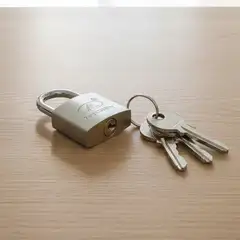
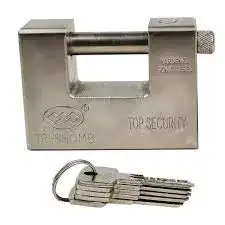
Small padlock for luggage
2 Must haveLocks your suitcase zippers during transit and your locker or cupboard in a shared residence.
How to use it: Check whether your destination requires a specific type of travel lock. Keep the keys in your carry on.



Tech and power
Your phone and laptop are your lifeline to family, your course and your new city.
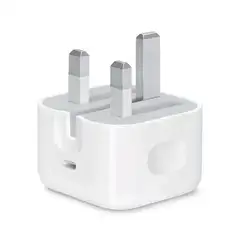
Universal adapter
1 to 2 Must havePlugs differ from country to country. Without an adapter, a dead phone on arrival day is a real problem.
How to use it: Check your destination's plug type. A multi adapter with USB ports covers several devices at once.
 Multifunction Adapter 8 In 1RWF34,500
 Tersen 3 way multi- AdapterRWF3,500
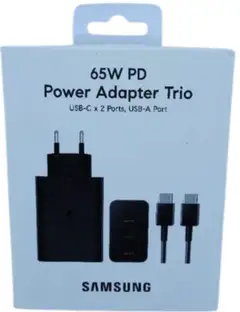 Power adapter charge samsungRWF10,000
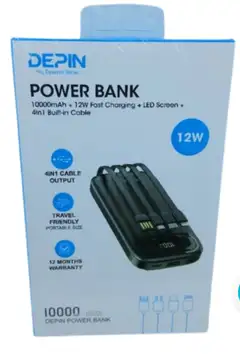
Power bank
1 Must haveLong layovers and the first confusing days in a new city drain your phone fast.
How to use it: Power banks usually must go in hand luggage, not the checked bag. Check your airline's rules on size.
Headphones
1 Must haveFor long flights, online orientation sessions and video calls with home.
How to use it: Pack them in your carry on with the cable or charging case.
Flash disk
1 Must haveBackup copies of your documents, certificates and transcripts in case your phone or laptop fails.
How to use it: Encrypt or password protect sensitive files. Keep it separate from your laptop.
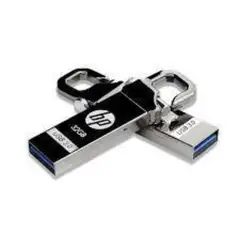 HP USB Flash drive 16GBRWF15,000
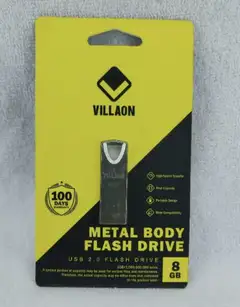 Villaon metal Body fash driver 8GBRWF10,000
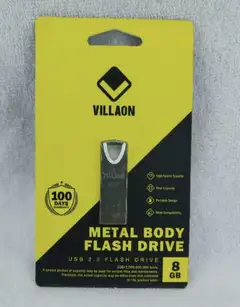 Villaon metal Body fash driver 8GBRWF10,000
Extension socket
1Nice to haveStudent rooms often have very few sockets. One extension plus an adapter turns one wall socket into several.
How to use it: Check your destination's voltage. Many modern chargers accept both, but some appliances do not.
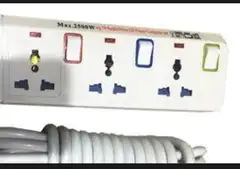 Kidris Multi socket (3 ways)RWF9,600
 Kadris Multi socket (6 ways)RWF13,200
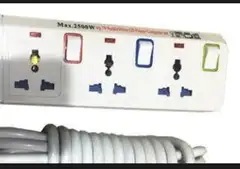 Kadris Multi socket (4Ways)RWF10,800
Charging cables
2Nice to haveCables get lost on the journey and replacements can be pricey in a new country.
How to use it: Pack a spare for your phone and label them.







Toiletries for a new climate
Many destinations are colder and drier than Kigali, and favorite products can be hard to find at first.
Body lotion
1 to 2 Must haveCold, dry winters and indoor heating dry skin out quickly.
How to use it: Pack a full size bottle in checked luggage and a small one for the flight. Check liquid limits for carry on.
Petroleum jelly and lip balm
1 each Must haveChapped lips and cracked hands are common in the first cold season.
How to use it: A small tin in your bag and a lip balm in your pocket.
Hair products you trust
2 to 3 months supply Must haveProducts for African hair can be harder to find, or more expensive, in some cities.
How to use it: Pack enough of your oils, creams and shampoo for the first two to three months.
Toothpaste and toothbrush
2 each Must haveEnough to get you through the first weeks while you learn where to shop.
How to use it: Pack a travel size in the carry on for the long journey.
Deodorant
2 Must haveLong journeys, new routines and crowded transport.
How to use it: Roll on is easier to pack than aerosol, which some airlines restrict.
Sanitary pads
2 to 3 packsNice to haveA familiar product for the first weeks makes life easier.
How to use it: Pack enough for two cycles while you find what is available locally.
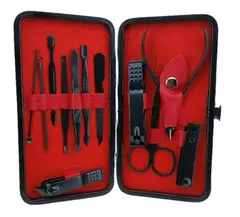
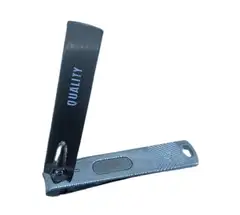
Nail clipper and razor
1 eachNice to haveSmall grooming items that are easy to forget.
How to use it: Pack them in checked luggage, not your carry on.


















Clothes and weather
Buy heavy winter clothes at your destination if you can. Pack a few layers to survive the first days.
Warm jacket
1 Must haveArriving in autumn or winter in a light shirt is a shock. You need something warm the moment you leave the airport.
How to use it: Wear it on the plane to save suitcase space and weight.
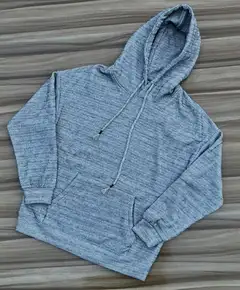
Jumpers
2 Must haveLayers are the secret to cold weather. Two jumpers do more than one heavy coat.
How to use it: Pack two that go with everything.
Scarf
1Nice to haveKeeps your neck and ears warm on windy days.
How to use it: A light scarf is useful even in spring.
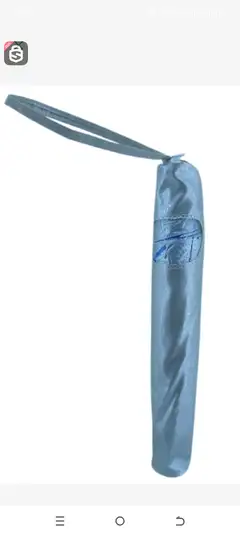
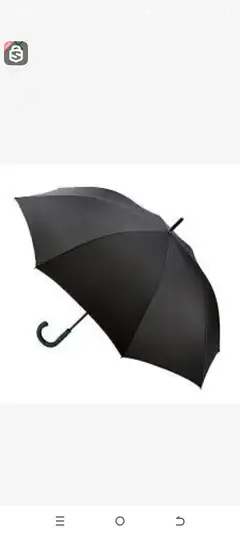
Umbrella
1Nice to haveMany university cities are rainy for much of the year.
How to use it: A compact umbrella fits in a backpack.
Comfortable shoes and slippers
1 pair slippers Must haveYou will walk a lot in a new city, and shared floors need slippers.
How to use it: Wear your heaviest shoes on the plane. Pack slippers for residence bathrooms.







A taste of home
Small things from home help with homesickness. Check your destination's food import rules first.
Rwandan coffee
1 to 2 bagsNice to haveA bag of Rwandan coffee is a taste of home and a great conversation starter with new friends.
How to use it: Buy sealed, roasted coffee in its original packaging. Ground coffee travels easily.
Rwandan tea
1 to 2 packsNice to haveStrong, familiar tea for long study nights and cold mornings.
How to use it: Sealed packs travel well and are usually allowed.
Akabanga chili oil
2 to 3 small bottlesNice to haveA few drops make any cafeteria meal taste like home.
How to use it: Pack the small bottles in checked luggage, sealed in a zip pouch in case of leaks.
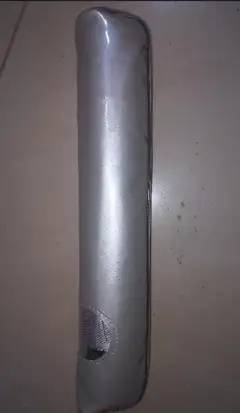
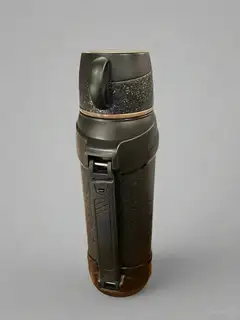
Flask
1Nice to haveKeeps tea or coffee hot on long cold days on campus.
How to use it: A slim flask fits in a backpack.











Gifts for hosts and new friends
A small gift from Rwanda is a lovely way to thank a host family, a mentor or a new roommate.
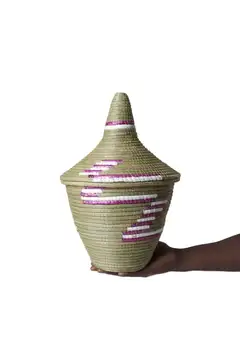
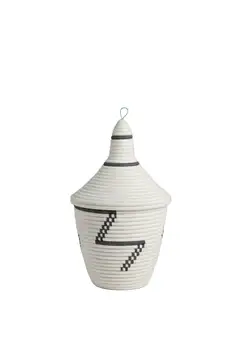
Agaseke basket
1 to 2Nice to haveThe woven peace basket is a beautiful symbol of Rwanda and a meaningful gift.
How to use it: Choose a small one that fits in your suitcase. Wrap it in clothes to protect its shape.
Coffee or tea gift packs
2 to 4Nice to haveEasy to pack, light and always appreciated.
How to use it: Buy a few extra small packs for professors, mentors or neighbors.
Kitenge item
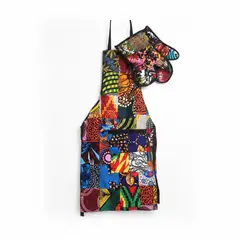
1 to 2Nice to haveColorful kitenge fabric items like aprons or bags show Rwandan and East African style.
How to use it: Light and flat, so it packs easily between clothes.






Step by step
- 1
Four weeks before
Check your airline's baggage allowance, your destination's customs rules and plug type. Make copies of all documents.
- 2
Three weeks before
Buy tech, adapters and toiletries. Start a pile of what you plan to pack and remove anything you can buy there.
- 3
Two weeks before
Notify your bank, sort your phone and data plan, and pack a test suitcase to check the weight.
- 4
Last week
Buy coffee, tea and gifts. Say your goodbyes. Pack documents, chargers and a change of clothes in your carry on.
- 5
Departure day
Weigh your bags, wear your jacket and heavy shoes, and get to Kigali International Airport early. Text family when you land.
Tips that help
- Pack one full change of clothes in your carry on in case your checked bag is delayed.
- Wear your heaviest items on the plane to save weight.
- Scan every document and email it to yourself and a family member.
- Leave space in the suitcase for things you will bring back on your first visit home.
- Buy bulky items like bedding and winter coats at your destination if your budget allows.
- Find the Rwandan student community at your new university early. They know where to buy everything.
Mistakes to avoid
- Packing documents or a power bank in checked luggage.
- Overpacking clothes and paying for extra baggage.
- Bringing food that is not allowed into your destination country and losing it at customs.
- Arriving without an adapter and with a dead phone.
- Packing only light clothes because it is warm in Kigali the day you leave.
Questions people ask
What should I pack when going to study abroad from Rwanda?+
Documents, a universal adapter, a power bank, your laptop and chargers, toiletries for a few months, a warm jacket and layers, and a few things from home like coffee or tea. Keep documents and electronics in your carry on.
Can I take Rwandan food abroad?+
Sealed, packaged items like roasted coffee, tea and some sauces are often allowed, but rules vary by country. Fresh food, meat and seeds are often restricted. Check your destination's customs rules before you pack.
What gifts can I take from Rwanda?+
Agaseke baskets, Rwandan coffee and tea, and kitenge items are popular, light and meaningful. A short note about where the gift comes from makes it even more special.
How do I avoid excess baggage fees?+
Check your allowance, weigh your bags at home, wear your heaviest clothes on the plane and buy bulky items like bedding at your destination. Pack only two or three months of toiletries.
What should be in my carry on?+
Passport, visa, admission letter and other documents, your laptop, phone, power bank, chargers, adapter, a change of clothes, medication and any valuables. Check your airline's liquid limits.
Leaving home to study is a huge step, and packing well makes the landing softer. Sort your documents first, then your tech, then everything else. Shop the essentials and a taste of home on Isokko before you fly, delivered anywhere in Kigali, so your last days at home are for family, not errands.
Shop this list
Get everything delivered in Kigali
Order from local stores on Isokko and pay with MoMo, card or cash. Same-day delivery.