
Checklist · Holidays & seasons
Eid al-Fitr Celebration at Home in Kigali: Shopping Checklist
An Eid al-Fitr shopping checklist for Kigali homes: the festive meal, sweets, drinks, perfume and henna, gifts for children and hosting supplies for visitors.
Updated November 16, 2026 · By Isokko
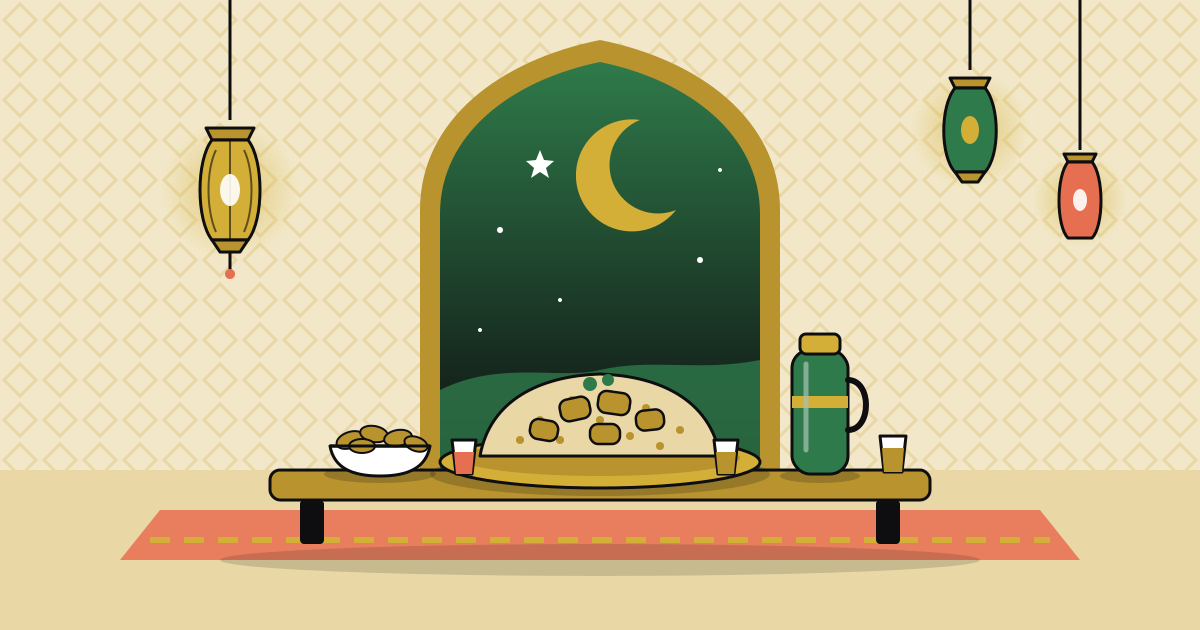
Eid al-Fitr closes the month of Ramadan with prayer, gratitude and a lot of visiting. In Kigali, from Nyamirambo to Kimironko, homes open their doors to family, neighbors and friends, and the table stays full from after the Eid prayer until late in the evening.
Because the exact day depends on the moon sighting, the last days of Ramadan can feel rushed. This checklist helps you shop early and calmly, so you can spend the final nights of Ramadan in worship and the day of Eid with the people you love.
It covers the festive meal, the sweets and drinks, the perfume and henna that make the morning feel special, small gifts for the children and the practical things you need when guests keep arriving.
Who it's for
Muslim families in Kigali preparing to celebrate Eid al-Fitr at home, and friends hosting or visiting them
Time needed
Shop in the last week of Ramadan, cook on the eve of Eid
When to shop
Dry goods and perfume early, meat a day or two before, following your community's moon sighting announcement
On the list
30 items, 19 must haves
0 of 30 ready
The Eid meal
Pilau with meat is at the heart of many Eid tables in Kigali. Buy meat from a halal butcher or seller you trust.
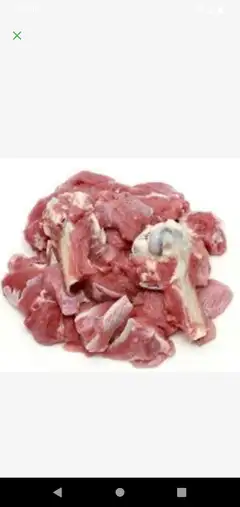
Goat or lamb meat
2 to 4 kg Must haveA rich meat pilau or stew is the dish guests look forward to on Eid.
How to use it: Ask your seller to cut it for pilau. Marinate the night before with garlic, ginger and salt, and keep it cold until cooking.
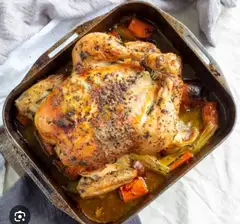
Whole chicken
2 Must haveChicken gives you a second dish and suits guests who prefer lighter meat.
How to use it: Roast, grill or cook in a spiced tomato sauce. One chicken serves four or five adults with sides.
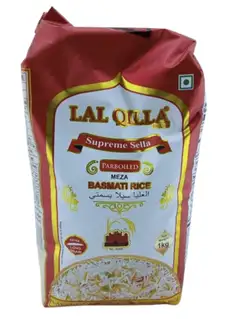
Basmati rice
5 kg Must haveLong grain rice makes the fluffy pilau that stays separate even when cooked in big pots.
How to use it: Rinse until the water runs clear and soak for 20 minutes before cooking for the best texture.
Pilau masala
2 packets Must haveThe spice blend gives Eid pilau its deep color and warm aroma.
How to use it: Fry it with onions until dark golden before adding meat and rice. Taste the stock for salt before the rice goes in.
Whole spices
1 small pack of each Must haveCardamom, cinnamon, cloves and cumin make the pilau and the tea smell like a celebration.
How to use it: Toast whole spices in oil for a minute at the start. Keep a few cardamom pods aside for spiced tea.
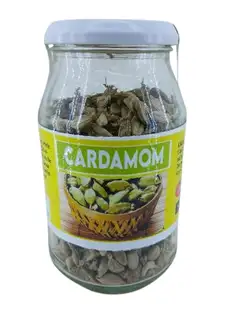 GPP Cardamom Seeds 200grRWF11,500
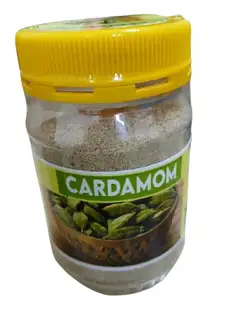 GPP Cardamom powder 100grRWF13,800
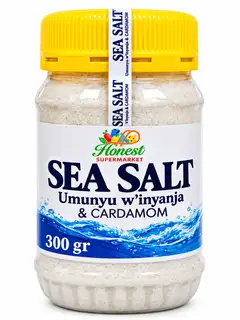 Gpp Sea Salt & Cardamom 300grRWF9,200
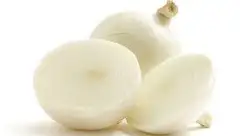
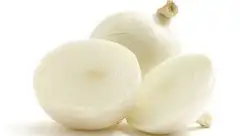
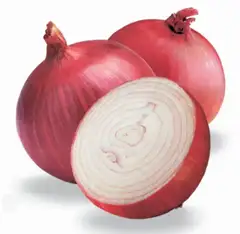
Onions, garlic and ginger
3 to 5 kg onions Must havePilau and stew use a lot of onions, and they are the first thing to run out on a cooking day.
How to use it: Slice a big batch of onions on the eve of Eid. Blend garlic and ginger into a paste and keep it in a jar.
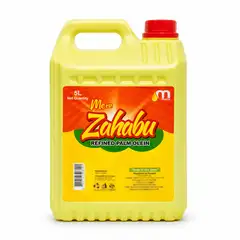
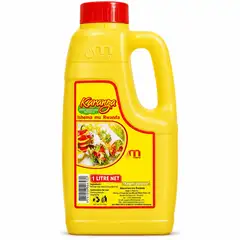
Cooking oil and ghee
3 litres oil, 500 g ghee Must haveOil for frying and a little ghee for the rice give pilau its rich, festive taste.
How to use it: Use oil for frying onions and a spoon of ghee stirred into the rice at the end.
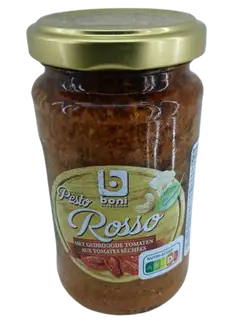
Tomatoes and vegetables
3 kg tomatoes, greens Must haveA fresh kachumbari salad and a vegetable side balance the rich pilau.
How to use it: Mix sliced tomatoes, onions and coriander with lemon and salt just before serving.
 Everyday Tomatoes Ketchup 1kgRWF10,400
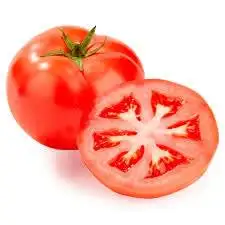 TomatoesRWF2,000










Sweets and snacks for visitors
On Eid, people visit many homes in one day. Have something sweet ready for every knock on the door.
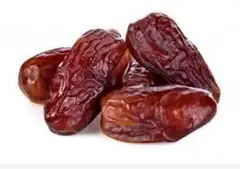
Dates
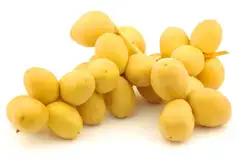
1 to 2 kg Must haveDates carry the spirit of Ramadan into Eid and are a lovely thing to offer every guest.
How to use it: Serve them in a small bowl by the door or on a tray with tea. Store in a cool, closed container.
Vermicelli
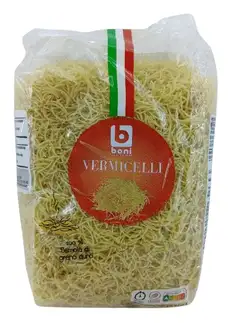
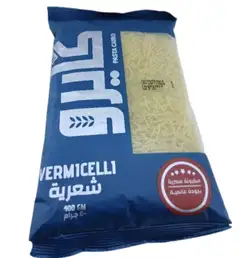
2 packsNice to haveSweet vermicelli cooked with milk, sugar and cardamom is a favorite Eid dessert in many East African homes.
How to use it: Toast the vermicelli in a little ghee, then simmer in milk with sugar, cardamom and raisins.
Milk and condensed milk
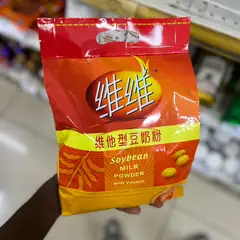
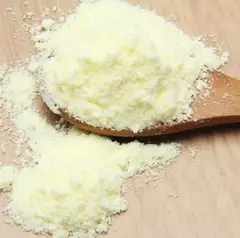
1 kg powder or several litres Must haveMilk goes into the sweet vermicelli, the tea and the morning porridge for the children.
How to use it: Milk powder keeps well if fridge space is short. A tin of condensed milk makes desserts richer.
Raisins and nuts
500 g eachNice to haveThey make desserts feel special and are an easy snack for guests.
How to use it: Scatter over vermicelli or pilau, or serve cashews in small bowls with the tea.
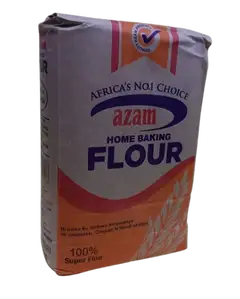
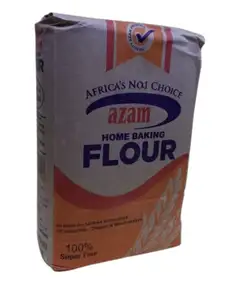
Flour for mandazi and chapati
2 to 4 kg Must haveFresh mandazi and soft chapati are expected at many Eid gatherings.
How to use it: Make the dough the night before, cover it and keep it cool. Fry in the morning so they are warm for visitors.
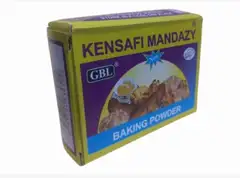
Baking powder and sugar
1 tin, 3 kg sugar Must haveYou need them for mandazi, cakes and the many cups of tea through the day.
How to use it: Check the baking powder date. Old powder gives flat mandazi.
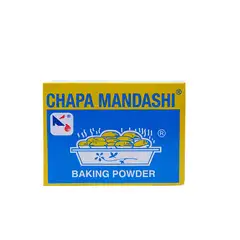 Chapa mandashi baking powderRWF1,000
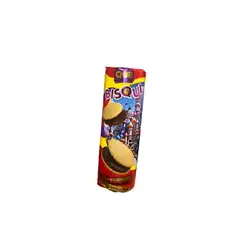
Biscuits and sweets
2 to 3 packsNice to haveChildren visit house to house on Eid, and a sweet or biscuit for each one is part of the joy.
How to use it: Keep a basket near the door and refill it through the day.





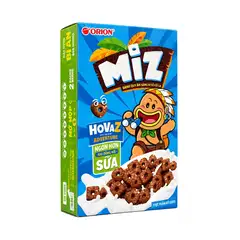

Drinks and tea
After a month of fasting, a cold glass of juice in the daytime feels like part of the celebration.
Juice
6 litres or more Must haveFresh passion, mango or pineapple juice is a welcome drink for every guest.
How to use it: Chill overnight and serve in jugs. Mixed with cold water and ice it goes further.
Sodas
6 to 10 bottlesNice to haveMany young guests love a cold soda on a holiday.
How to use it: Buy large bottles for the table and keep a few small ones for children.
 Fanta Citron Soft Drink 1.5LRWF3,000
 Fanta orange flavored drink 1.5LRWF3,000
 FANTA Citron 1.5LRWF3,000
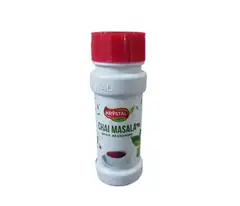
Tea leaves and chai spice
500 g tea, 1 spice pack Must haveSpiced tea flows all day on Eid as visitors come and go.
How to use it: Boil tea with milk, ginger and cardamom. Keep it hot in a big flask so you are not at the stove all day.
Thermos flask
1 to 2Nice to haveA large flask keeps tea hot for hours and frees the host to sit with guests.
How to use it: Rinse with hot water before filling so the tea stays hot longer.
Drinking water
2 to 4 bottles of 5 litres Must haveCooking big pots of pilau and serving guests uses a lot of clean water.
How to use it: Keep 5 litre bottles in the kitchen and small bottles to offer guests.
 Nil mineral water 5LRWF4,500
 Inyange Mineral water 500mlRWF1,000









Getting ready for the Eid morning
Many families wear their best clothes, perfume and henna for the Eid prayer and the visits that follow.
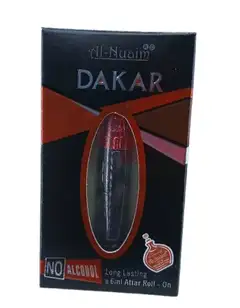
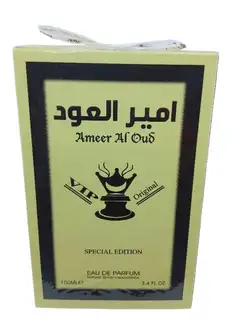
Perfume or attar
1 to 2 bottlesNice to haveWearing a beautiful scent on Eid morning is a cherished tradition in many Muslim homes.
How to use it: Choose an alcohol-free attar if you prefer. A small bottle is also a thoughtful gift for a parent or friend.
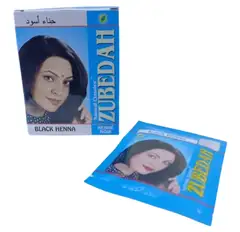
Henna
1 packNice to haveHenna on hands and feet is a joyful part of Eid for many women and girls.
How to use it: Apply the night before Eid so the color is deep by morning. Keep it away from the eyes.

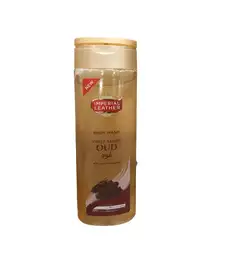
Body lotion and soap
1 eachNice to haveEveryone wants to feel fresh and look their best for the Eid prayer.
How to use it: Stock a new soap and lotion for the family so nobody runs out on the busiest morning.



Gifts and giving
Eid is a time of generosity. Plan your giving early so it is ready before the Eid prayer.
Gift bags for children
1 per childNice to haveSmall gifts or Eidi for children make the day unforgettable for them.
How to use it: Prepare one bag per child with sweets, a small toy or a note, and hand them out after the prayer.
Food packs to share
As many as you plan to give Must haveMany families share food with neighbors and those in need, and staples are always welcome.
How to use it: Pack rice, sugar, flour and oil into bags. For Zakat al-Fitr, follow the guidance of your mosque or imam on what and when to give.
Food containers
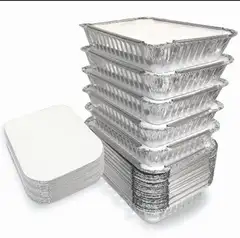
6 to 10Nice to haveSending a plate of pilau to a neighbor is a beautiful Eid custom, and sealed boxes keep it neat.
How to use it: Fill containers while the food is hot and close them well. Ask people to return them later.







Hosting supplies
Guests arrive in waves on Eid. A few practical things keep the house running smoothly.
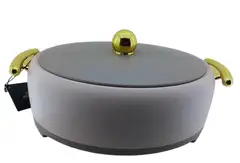
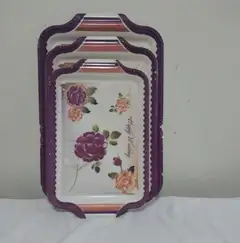
Serving trays
2Nice to haveTrays make it easy to carry tea, dates and sweets to guests in the sitting room.
How to use it: Set one tray with cups and dates and keep it ready to refill.
Extra plates and cups
As many as guests Must haveMost homes run out of plates when relatives visit all day.
How to use it: Add a few melamine plates and sturdy cups that survive the children's table.
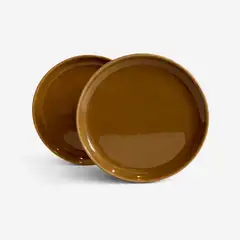 LL Dinner Plate 10412RWF9,450
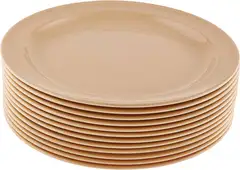 Melamine Dinner Plate 5192-10RWF12,750
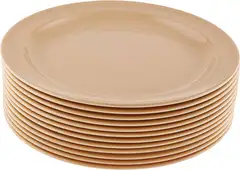 Melamine Dinner Plate 5202-10RWF16,150
Serviettes
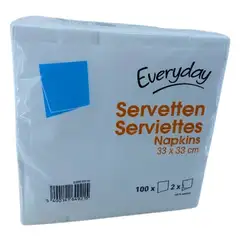
2 to 3 packs Must havePilau, mandazi and samosa are all eaten by hand, so napkins disappear quickly.
How to use it: Keep a stack on every tray and a spare pack in the kitchen.
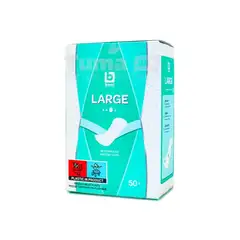 Boni Selection Serviettes 50pcsRWF9,500
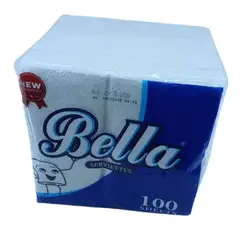 Bella White 100 ServiettesRWF1,800
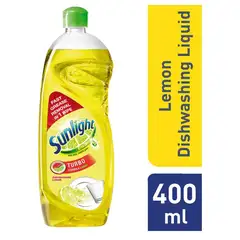
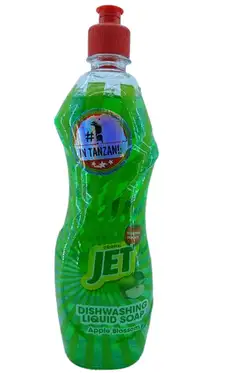
Dish soap and sponges
1 large bottle Must haveBig pots and dozens of cups need washing between visits.
How to use it: Soak the pilau pot right after serving so the rice at the bottom lifts off easily.


Step by step
- 1
Last ten days of Ramadan
Plan your menu and guest list. Buy rice, flour, sugar, oil, spices, dates, perfume, henna and gift bags so the final nights are free for worship.
- 2
Two or three days before
Order juice, milk and drinks, buy food packs for sharing, and give your Zakat al-Fitr as your mosque advises, before the Eid prayer.
- 3
When Eid is announced
Collect or receive the meat, marinate it, slice onions, make the mandazi dough and apply henna.
- 4
Eid morning
Dress, wear your perfume and go for the Eid prayer. Afterwards, cook or finish the pilau, fry the mandazi and fill the tea flasks.
- 5
Through the day
Welcome visitors with dates, tea and food, send plates to neighbors, and keep the sweets basket full for the children.
Tips that help
- Shop dry goods early in the last week of Ramadan, since shops get crowded close to Eid.
- Because the date depends on the moon sighting, plan for Eid to fall on either of two possible days and keep meat cold until the announcement.
- Cook pilau in two medium pots instead of one huge one. It cooks more evenly and you can serve one while the other stays warm.
- Keep a flask of hot tea and a bowl of dates by the sitting room so you can greet guests without running to the kitchen.
- Prepare children's gift bags ahead and keep a few spares for little visitors you did not expect.
Mistakes to avoid
- Waiting until the night Eid is announced to buy everything, when shops and roads are busiest.
- Forgetting Zakat al-Fitr until after the Eid prayer. Ask your mosque about the right time and amount.
- Running out of tea, sugar and cups halfway through the day of visits.
- Buying meat too early without enough fridge or freezer space.
Questions people ask
When is Eid al-Fitr in Rwanda?+
Eid al-Fitr comes at the end of Ramadan, and the exact day depends on the sighting of the new moon. Follow the announcement from your mosque or the Muslim community in Rwanda, and plan your shopping so you are ready a day early.
What food is served on Eid al-Fitr in Kigali?+
Many homes serve meat pilau, chicken, chapati, mandazi, samosa, fresh salad, sweet vermicelli, dates, juice and spiced tea. Every family has its own favorites, so adapt this list to yours.
Where can I buy halal meat in Kigali?+
Buy from a halal butcher or seller you trust, and ask them directly if you are unsure. Many Muslim families have a regular butcher they use for Eid.
What gifts are good for children on Eid?+
Small gift bags with sweets, a little toy, a book or some pocket money are all common. Many families also give new clothes for the Eid morning.
Can I get my Eid groceries delivered in Kigali?+
Yes. You can order rice, spices, dates, drinks, perfume and hosting supplies on Isokko and have them delivered by moto, which saves time in the busy last days of Ramadan.
Eid al-Fitr is a day of thanks, family and generosity. With the shopping done early, you can give the last nights of Ramadan your full attention and greet every visitor on Eid with a warm table and a full flask of tea. Eid Mubarak, and shop this list on Isokko whenever you are ready.
Shop this list
Get everything delivered in Kigali
Order from local stores on Isokko and pay with MoMo, card or cash. Same-day delivery.