
Checklist · Health & wellness
Oral Care for the Whole Family: A Kigali Shopping Checklist
An oral care checklist for the whole family in Kigali: the right toothbrushes, toothpaste, floss and habits for babies, kids, adults and elders, and when to see a dentist.
Updated November 15, 2026 · By Isokko
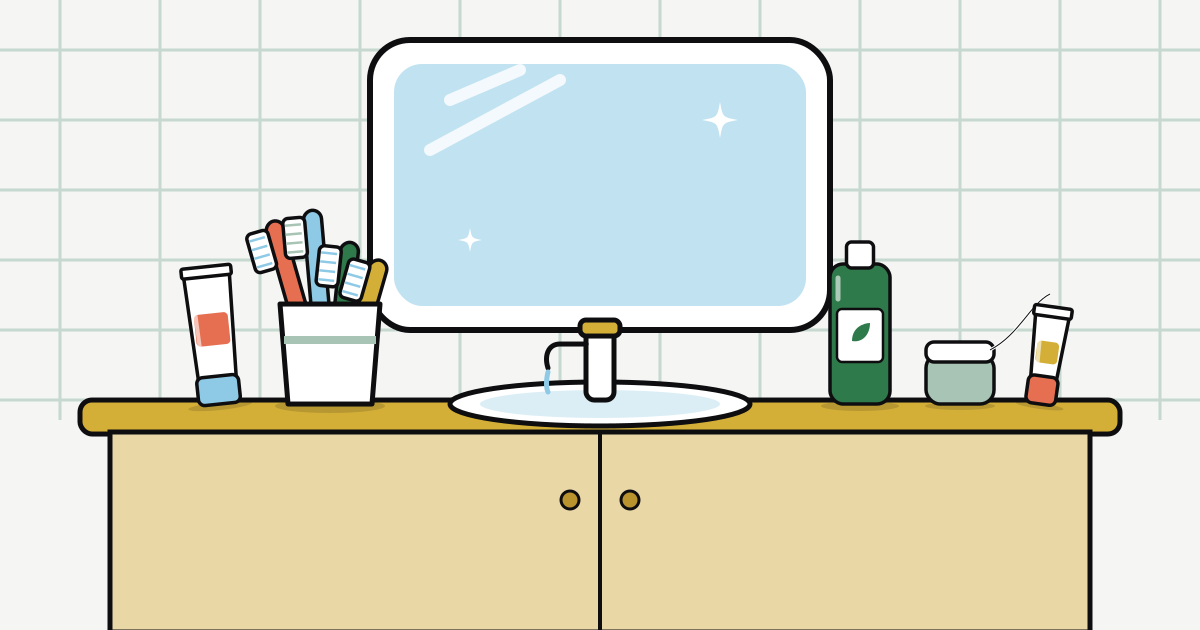
A toothache can wreck a week, and dental treatment costs far more than a toothbrush. Most tooth decay and gum problems are preventable with simple daily habits, the right tools for each person, and less sugar between meals.
But a family's needs are different. A baby needs gentle gum care, a six year old needs a small brush and a bit of supervision, a teenager with braces needs extra cleaning, and a grandparent may have sensitive teeth or dentures.
This checklist covers what to buy for every age, how to use it, and the habits that make the difference. It is common sense guidance, so ask a dentist about your family's specific needs, and see one quickly for pain, swelling or bleeding gums that do not settle.
Who it's for
Families in Kigali with babies, children, teenagers, adults and grandparents under one roof
Time needed
Two minutes, twice a day, plus a monthly restock
When to shop
Now, and again every three months when toothbrushes need replacing
On the list
22 items, 6 must haves
0 of 22 ready
Toothbrushes for every age
The right size and softness matter more than the price.
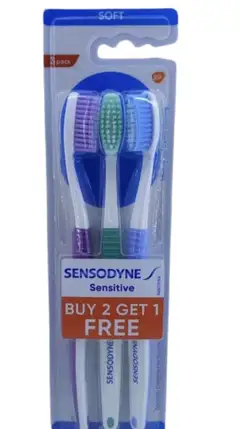
Soft adult toothbrushes
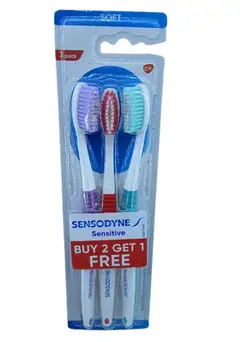
1 per adult Must haveSoft bristles clean well without wearing down enamel or hurting gums. Hard brushes and hard scrubbing do more harm than good.
How to use it: Brush for two minutes, twice a day, with small gentle circles along the gumline. Replace every three months or when the bristles splay.
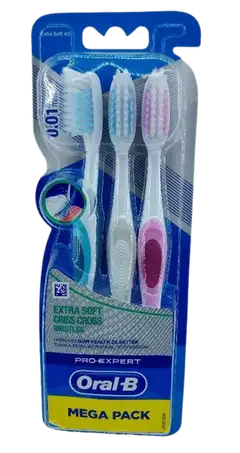
Kids' toothbrushes
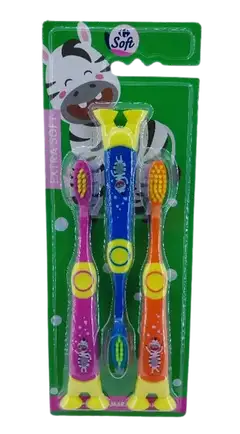
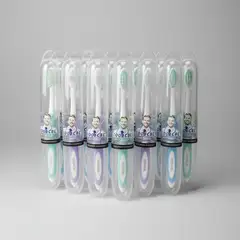
1 per child Must haveA small head reaches back teeth in little mouths, and a fun color makes brushing less of a battle.
How to use it: Help children brush until they can do it well on their own, often around age seven or eight. Replace every three months.
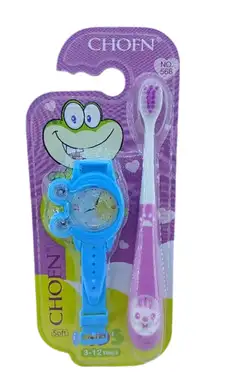 CHOFN Kids Toothbrush 3-12yearsRWF1,000
Electric toothbrush
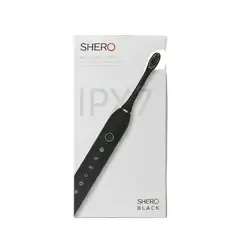
1Nice to haveHelpful for people who find manual brushing hard, including older relatives or those with braces, and many kids enjoy using one.
How to use it: Let the brush do the work; guide it slowly over each tooth. Replace heads as recommended.
 Shero Sonic Electric ToothbrushRWF25,000
Travel toothbrush
1 or 2Nice to haveFor school trips, overnight stays and weekends away, so brushing does not stop when you leave home.
How to use it: Keep one packed in your travel bag.
Teether for babies
1 or 2Nice to haveTeething babies want to chew. A clean teether soothes gums and keeps unsafe objects out of their mouths.
How to use it: Wash it often. Chill in the fridge, not the freezer, for extra relief.
 Nûby 100% Silicone Teether Om+RWF8,200
Soft cloth for baby gums
2 or 3Nice to haveBefore teeth come in, wiping gums keeps the mouth clean and gets babies used to a daily routine.
How to use it: Wrap a clean, damp soft cloth around your finger and wipe gently after feeds. Use a fresh cloth each day.
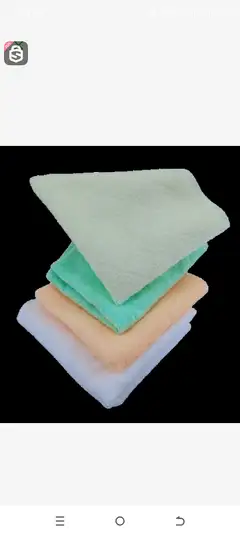 Small TowelRWF1,500
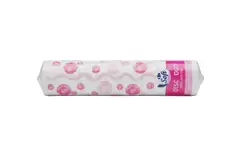 Soft Disc Duo 100% Cotton PadsRWF2,500

Toothpaste
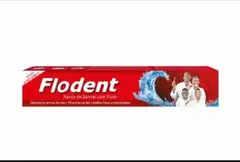
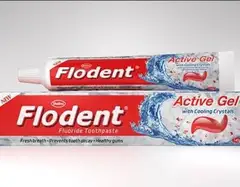
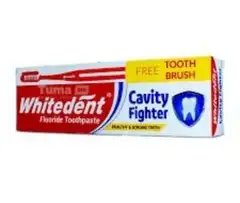
Fluoride toothpaste is the foundation for most people. Use the right amount for each age.
Fluoride toothpaste for adults
2 tubes a month for a family Must haveFluoride strengthens enamel and helps prevent cavities. It is the single most useful product in this list.
How to use it: Use a pea-sized amount. After brushing, spit but do not rinse with lots of water, so the fluoride keeps working.
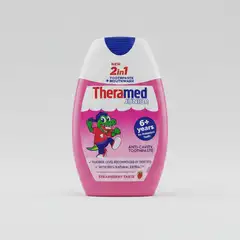
Children's toothpaste
1 tube Must haveMilder flavors kids actually accept, with the right strength for their age.
How to use it: Use a smear the size of a rice grain for children under three and a pea-sized amount from three to six, and supervise so they spit it out. Ask a dentist if unsure.
Sensitive toothpaste
1, if neededNice to haveEases the sharp twinge some people feel with cold water, hot tea or sweets.
How to use it: Use it every day for a few weeks to feel the difference. If sensitivity continues, see a dentist; it can signal a problem.
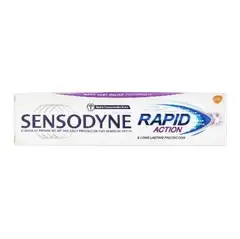 Sensodyne Rapid Action ToothpasteRWF15,550
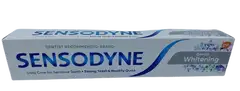 Sensodyne Gentle Whitening 75 mlRWF13,800
Orthodontic toothpaste
1, if neededNice to haveFor family members with braces, who need extra cleaning around brackets.
How to use it: Brush carefully around each bracket, top and bottom.


Between the teeth
A toothbrush misses the gaps between teeth, where a lot of decay and gum disease start.
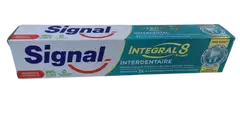
Dental floss
1 per adult Must haveCleans between teeth where brushes cannot reach, helping prevent gum disease and bad breath.
How to use it: Floss once a day, sliding gently up and down the side of each tooth in a C shape. Some bleeding at first is common; if it continues after a week or two, see a dentist.
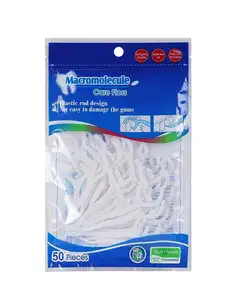
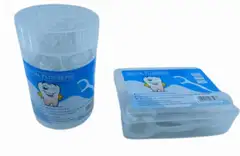
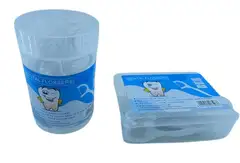
Floss picks
1 packNice to haveEasier for beginners, kids and anyone who finds regular floss fiddly.
How to use it: Use a fresh pick each time, gently between each pair of teeth.
Interdental brushes
1 packNice to haveSmall brushes for wider gaps, bridges and braces.
How to use it: Choose the size that fits snugly without forcing it.

Fresh breath and extras
Useful additions, not replacements for brushing and flossing.
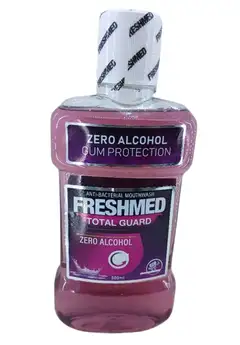
Mouthwash
1 bottleNice to haveFreshens breath and reaches areas brushing misses. Some help with gum health.
How to use it: Use as the label says, at a different time from brushing so you do not rinse away toothpaste. Not for young children unless a dentist advises.
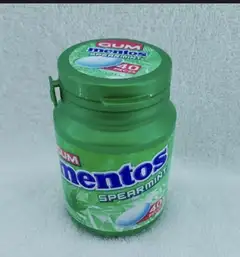
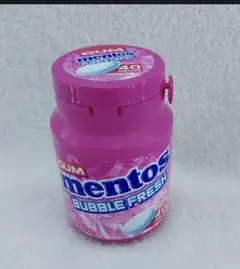
Sugar-free chewing gum
1 packNice to haveChewing after meals increases saliva, which helps protect teeth when you cannot brush.
How to use it: Choose sugar-free only, and chew for a few minutes after eating.
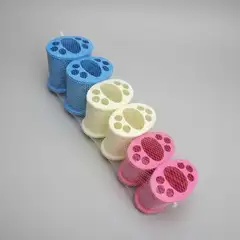
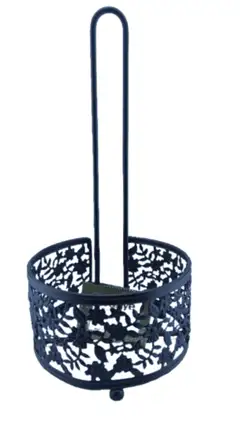
Toothbrush holder
1Nice to haveKeeps brushes upright, dry and apart, so germs do not pass between family members.
How to use it: Rinse the holder weekly and keep it away from the toilet.
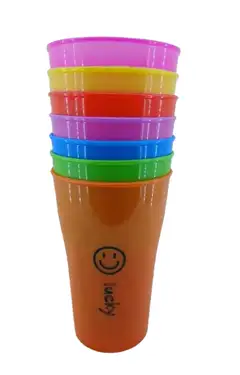
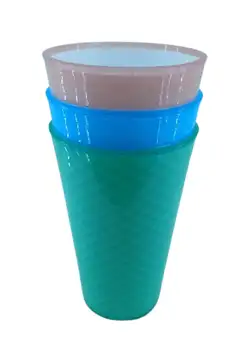
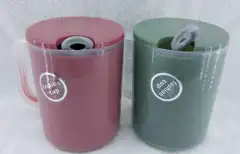
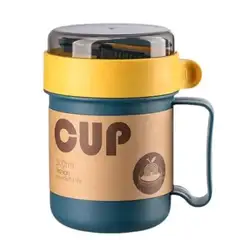
Cups for rinsing
1 per personNice to haveA cup for each person is more hygienic than drinking from the tap.
How to use it: Wash them daily.

Tooth-friendly kitchen
What you eat and drink matters as much as how you brush.
Drinking water
As needed Must haveWater between meals rinses teeth without adding sugar, unlike sodas and sweet juices.
How to use it: Make water the default drink at home and in school bottles.
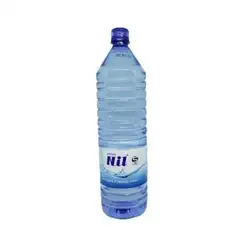
 Nil mineral water 5LRWF4,500
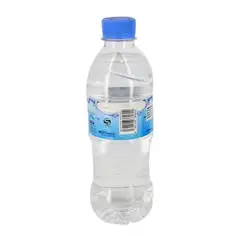 Inyange Mineral water 500mlRWF1,000
Crunchy vegetables
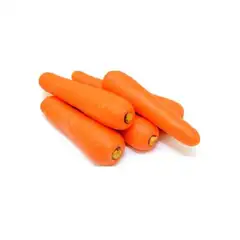
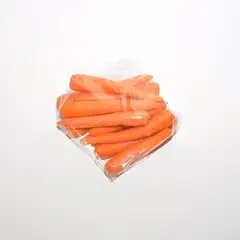
1 kgNice to haveCarrots and other crunchy vegetables make a good snack that does not stick to teeth like sweets.
How to use it: Cut carrot sticks for school snacks.
Fresh fruit
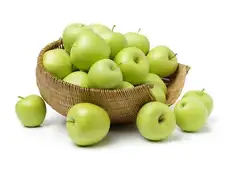
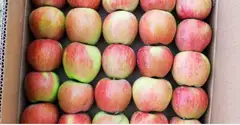
As neededNice to haveA whole apple or other fruit is a better snack than biscuits or sweets.
How to use it: Serve fruit at mealtimes or as a snack, and save sweets for occasional treats.
Milk and dairy
As neededNice to havePart of a balanced diet that supports strong teeth.
How to use it: Offer plain milk rather than sweetened drinks.
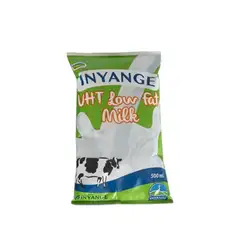 Inyange Low Fat MilkRWF1,800
 Inyange Low fat MilkRWF1,200
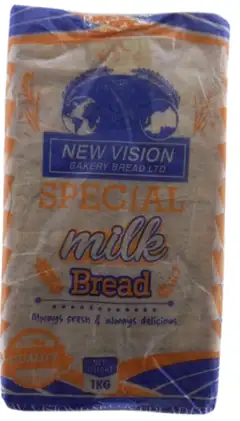
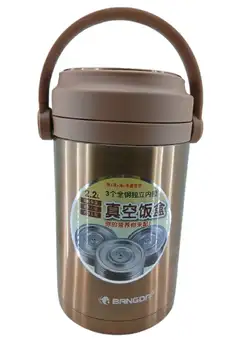
Lunch box for tooth-friendly snacks
1 per childNice to havePacking school snacks at home means fruit and vegetables instead of sweets from the kiosk.
How to use it: Pack cut fruit, carrot sticks, groundnuts for older kids, and a water bottle.


Step by step
- 1
Babies
Wipe gums gently with a clean, damp cloth after feeds. When the first tooth appears, start brushing with a soft baby brush and a tiny smear of toothpaste, and ask a health worker about the first dental visit.
- 2
Young children
Brush their teeth for them twice a day, then let them have a turn. Use a pea-sized amount of toothpaste from about age three, teach them to spit, and limit sugary snacks and drinks.
- 3
Older children and teens
Supervise until brushing is thorough, then check now and then. Add floss, and extra care for braces. Talk about sugary drinks and snacks at school.
- 4
Adults
Brush twice a day for two minutes, floss daily, and see a dentist for a check-up as they recommend, often once or twice a year.
- 5
Elders
Use soft or electric brushes if hands are stiff, try sensitive toothpaste if needed, and clean dentures daily as the dentist advises. Report mouth sores that do not heal.
Tips that help
- Brush last thing at night; that is the most important brush of the day.
- Do not share toothbrushes, even between siblings.
- Make it a family routine: everyone brushes at the same time before bed.
- Avoid putting babies to sleep with a bottle of milk or juice; it pools around the teeth.
- Replace toothbrushes after an illness like a cold or flu.
- A two-minute song or timer on your phone helps kids brush long enough.
Mistakes to avoid
- Scrubbing hard with a hard brush, which wears enamel and damages gums.
- Rinsing with lots of water straight after brushing, which washes the fluoride away.
- Snacking on sweets and sipping sweet drinks all day; frequency of sugar matters most.
- Ignoring bleeding gums or a toothache and hoping it goes away.
- Letting young children swallow toothpaste or use too much.
Questions people ask
How often should I replace a toothbrush?+
Every three months, or sooner if the bristles are frayed or after an illness. Worn bristles clean much less effectively.
When should my child start using toothpaste?+
When the first tooth appears, use a tiny smear of fluoride toothpaste the size of a grain of rice. From about age three, use a pea-sized amount. Supervise brushing and teach them to spit. A dentist can advise for your child.
Is mouthwash necessary?+
No, brushing twice a day and flossing are the essentials. Mouthwash can help with fresh breath and some gum problems, but it does not replace brushing.
Why do my gums bleed when I floss?+
Gums often bleed when you start flossing because they are inflamed. Gentle daily flossing usually helps within a week or two. If bleeding continues, see a dentist.
When should I see a dentist?+
For regular check-ups as your dentist recommends, and straight away for toothache, swelling, a broken tooth, gums that keep bleeding, or a mouth sore that does not heal in about two weeks.
Healthy teeth come from small daily habits shared by the whole family. Stock the bathroom with the right brushes, toothpaste and floss for every age on Isokko, set a family brushing routine, and book a dentist visit if it has been a while.
Shop this list
Get everything delivered in Kigali
Order from local stores on Isokko and pay with MoMo, card or cash. Same-day delivery.