
Checklist · Health & wellness
Malaria Prevention at Home in Kigali: A Practical Checklist
Simple, practical malaria prevention for Kigali homes: bed nets, repellents, clearing standing water and night habits, plus when to go to a health center for a test.
Updated November 16, 2026 · By Isokko
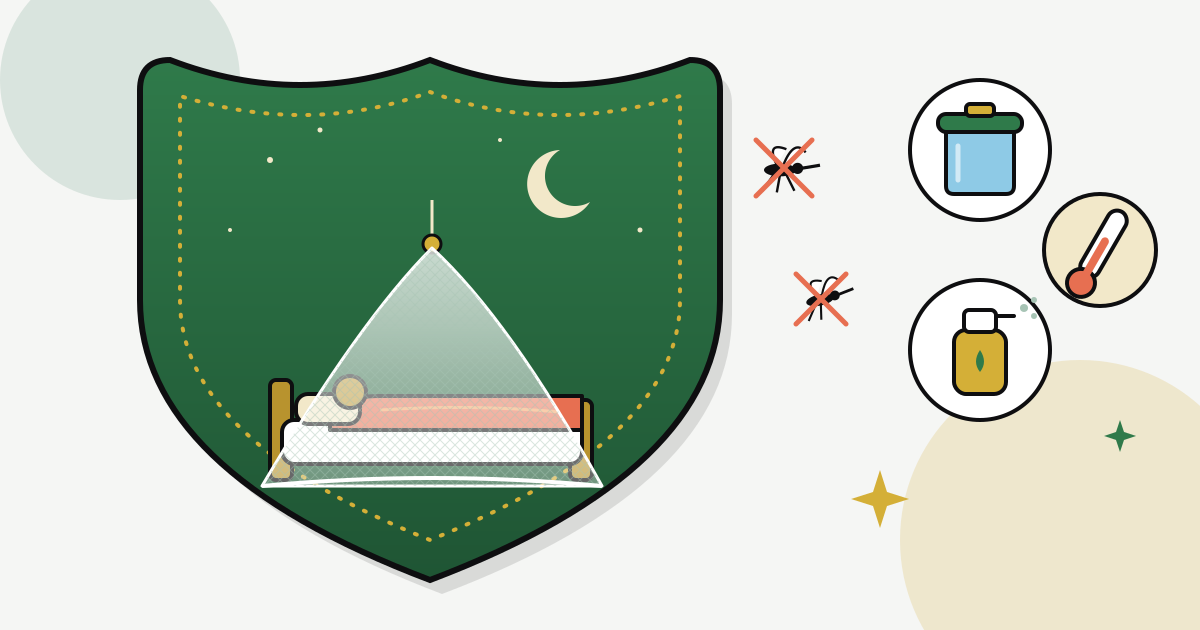
Malaria is spread by mosquitoes that mostly bite between dusk and dawn. It is present in Rwanda, including around Kigali, and cases tend to rise in and after the rainy seasons when standing water is everywhere. The good news is that a few simple habits at home cut the risk a lot.
This checklist covers the layers of protection that work together: sleeping under a net every night, keeping mosquitoes out of the house, removing places where they breed, and protecting skin in the evening.
One rule matters more than any product: if anyone in your home gets a fever, go to a health center or see your community health worker quickly for a malaria test. Early testing and proper treatment are what keep malaria from becoming serious.
Who it's for
Families in Kigali, especially homes with babies, young children, pregnant women or visitors from abroad
Time needed
One afternoon to set up, then simple daily habits
When to shop
Before each rainy season and whenever a net is torn or worn out
On the list
20 items, 11 must haves
0 of 20 ready
Sleep protected every night
The bed net is the backbone of malaria prevention at home. Use one every night, all year, not only in the rainy seasons.
Mosquito net for every bed
1 per sleeping space Must haveSleeping under a net blocks the bites that happen while you sleep, which is when most malaria mosquitoes feed.
How to use it: Hang it so it covers the whole bed, tuck the edges under the mattress, and get in quickly so mosquitoes do not follow. If your health center offers treated nets, ask about them.
 Mosquito Net 120cm to 200 cmmRWF30,000
 Mosquito NetRWF32,000
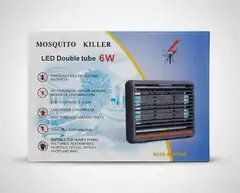 Mosquito Killer LED Double Tube 6WRWF15,000
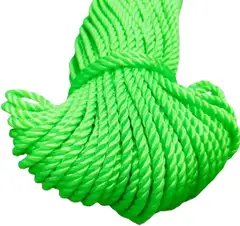
Rope or cord to hang the net
1 per net Must haveA net that sags onto your skin lets mosquitoes bite through it.
How to use it: Tie the net to the ceiling or wall with cord so it hangs clear of your body on all sides.
Sewing needle and thread
1 kit Must haveSmall holes let mosquitoes in, and they appear quickly with daily use, children and pets.
How to use it: Check every net once a week in good light, and sew or tie closed any hole bigger than a fingertip.
Light sleepwear with long sleeves
2 sets per personNice to haveCovering arms and legs during evenings at home reduces bites before you are under the net.
How to use it: Change into long, light sleepwear in the evening, especially for children.







Keep mosquitoes out of the house
Fewer mosquitoes indoors means fewer chances of a bite.
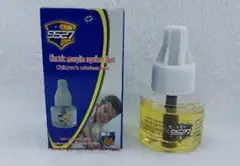
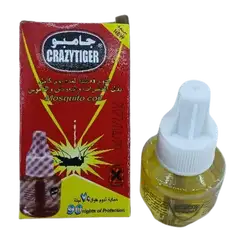
Plug in mosquito repellent
1 per bedroom Must haveReleases repellent through the evening in bedrooms and living rooms without smoke.
How to use it: Switch it on in the early evening with windows closed, and keep it out of reach of babies. Follow the label.
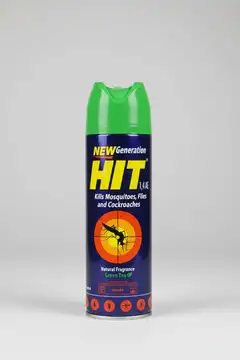
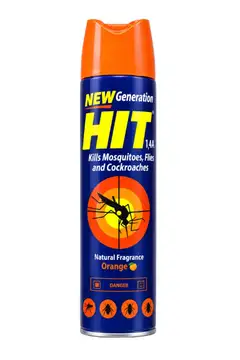
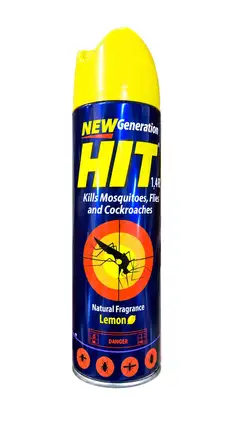
Insecticide spray
1 can Must haveClears mosquitoes resting in dark corners, behind curtains and under beds before bedtime.
How to use it: Spray an empty room an hour before bed, close the door, then air it briefly. Never spray over people, food or babies' cots.
Window net or screen
As neededNice to haveLets you keep windows open for air while blocking mosquitoes.
How to use it: Ask your landlord about fitting screens. A net curtain over the window works as a quick fix.
Standing fan
1Nice to haveMosquitoes are weak fliers. A fan blowing across the sofa or bed makes it hard for them to land.
How to use it: Point it toward where people sit in the evening.
Electric mosquito racket
1Nice to haveA quick, chemical free way to catch the mosquito that got inside.
How to use it: Sweep slowly near walls and under tables. Keep it away from children.
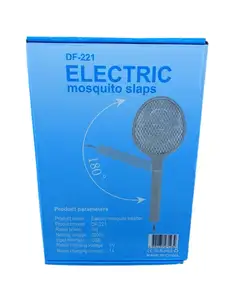 DF-221 Electric Mosquito SlapsRWF17,300Mosquito Killer LED Double Tube 6WRWF15,000



Protect skin in the evening
Dinner on the veranda, a wedding, a football match: evenings outdoors are when bites happen.
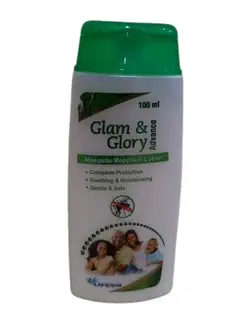
Mosquito repellent for skin
1 or 2 bottles Must haveKeeps mosquitoes off exposed arms, legs and ankles when you are outside after sunset.
How to use it: Apply as the label says and reapply as directed. Ask a pharmacist which repellent suits babies, children and pregnant women.
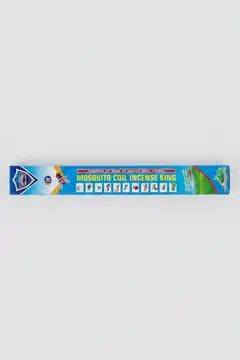
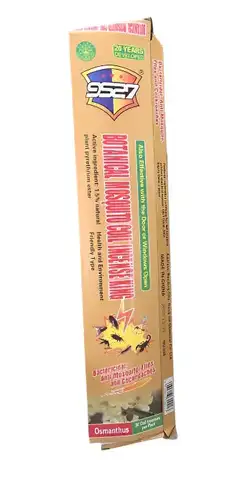
Mosquito coils for outdoors
1 boxNice to haveUseful for verandas and garden evenings to reduce mosquitoes around the table.
How to use it: Use outdoors only, on the metal stand, away from children and anything that burns. Never in a closed bedroom.


Remove breeding sites around the home
Mosquitoes lay eggs in still water. A weekly yard check is one of the best things you can do.
Lids for water drums and buckets
1 per container Must haveUncovered stored water is a perfect mosquito nursery, especially during water cuts when everyone stores more.
How to use it: Keep every container covered all the time and scrub it out weekly.
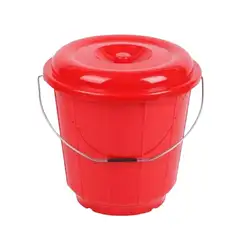 Water Storage Plastic BucketRWF5,200
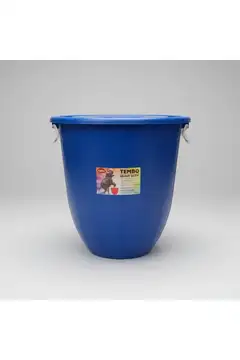
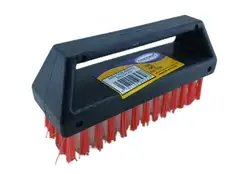
Scrubbing brush
1 Must haveMosquito eggs stick to the sides of containers, so emptying alone is not enough.
How to use it: Empty the container, scrub the inside walls, rinse and refill or turn it upside down.
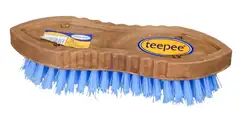 Teepee Scrubbing Brush BigRWF4,600
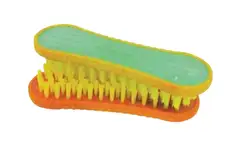 Accloud Scrubbing Brush 1pcRWF1,800
Bleach for cleaning containers
1 bottleNice to haveDrums and jerrycans that stand for weeks grow slime, and a proper clean removes eggs and dirt stuck to the walls.
How to use it: Scrub with a little diluted bleach, rinse very well with clean water, and let the container dry before refilling. Never mix bleach with other cleaners.
Gloves
1 boxNice to haveFor clearing gutters, drains and old containers around the compound.
How to use it: Wear them for the weekly yard round and wash hands afterwards.
 Latex examination gloves 100piecesRWF15,000
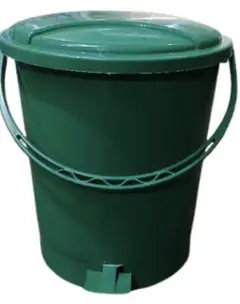
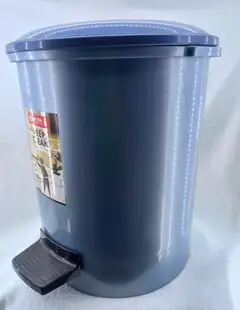
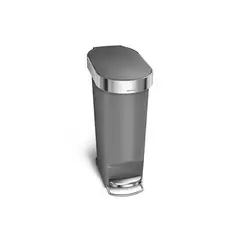
Covered rubbish bin
1 bin Must haveOld tins, bottles and plastic in the yard collect rainwater.
How to use it: Collect and bin anything that could hold water, and keep the bin covered.




Be ready if someone gets a fever
Prevention lowers the risk but cannot remove it. Being ready to act fast matters.
Digital thermometer
1 Must haveKnowing the temperature helps you decide quickly and tell the health worker exactly what is happening.
How to use it: Check the temperature when someone feels hot, shivers or has a headache, and write down the time and reading. Pharmacies sell them too.
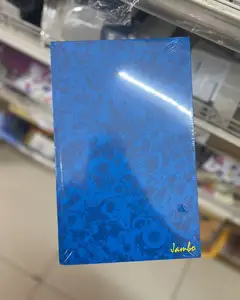
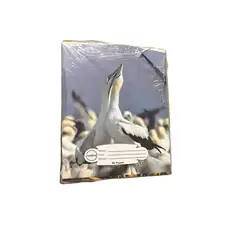
Notebook for health notes
1Nice to haveWriting down symptoms, temperatures and times helps the nurse or doctor at the health center.
How to use it: Keep it with your health insurance card so you can grab both and go.
Drinking water
A few litres in stock Must haveFever causes fluid loss, and clean water at home is always important for a sick family member.
How to use it: Offer small sips often on the way to and after a health center visit. Follow the health worker's advice.
Rechargeable torch
1Nice to haveFevers often start at night. A torch helps you check on a child and get to the health center safely during a power cut.
How to use it: Keep it charged and next to the bed.
 LED Rechargeable Power Torch 1WRWF5,000
 LED Rechargeable Power Torch 1WRWF7,500
 LED Rechargeable Power Torch 1WRWF10,000



Step by step
- 1
Check every bed
Make sure each sleeping space has a net in good condition, including for guests, house helpers and children who sleep in the living room.
- 2
Set up the bedrooms
Hang nets clear of the body, add plug in repellents, and spray empty rooms before bed when mosquitoes are many.
- 3
Walk the compound
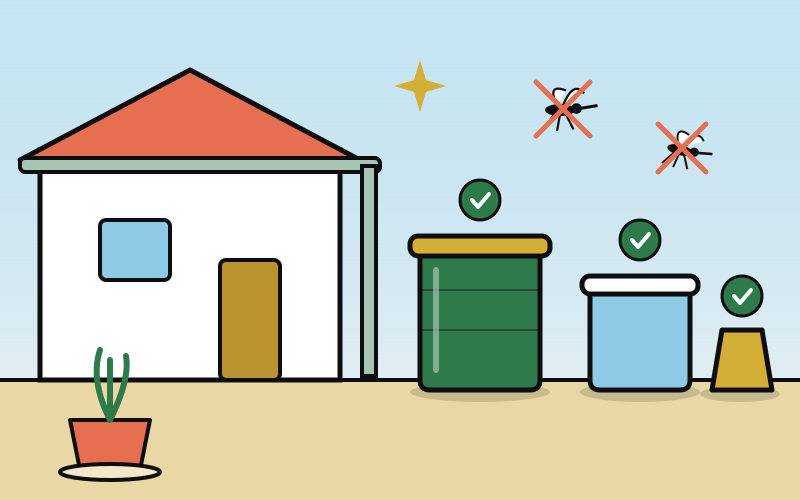
Remove or cover anything that holds water: buckets, tyres, bottle caps, plant saucers, blocked gutters and drains.
- 4
Build evening habits
Close windows and doors at dusk, wear long sleeves, and use repellent when you are outside after dark.
- 5
Know what to do with a fever
If anyone has a fever, chills, headache or body aches, go to a health center or see your community health worker for a test the same day. Do not wait to see if it passes.
- 6
Repeat weekly
Check nets for holes and do the yard round every week, more often in the rainy seasons.
Tips that help
- Use the net every single night, even when you do not see mosquitoes. Malaria mosquitoes are quiet and easy to miss.
- Babies and young children, pregnant women and visitors from countries without malaria are at higher risk. Make sure they always sleep under a net.
- Wash nets gently by hand in cool water with mild soap and dry them in the shade, not in strong sun.
- Keep children's play outside to daylight hours in the rainy seasons when possible.
- If you travel to lower, warmer parts of Rwanda or neighboring countries, take extra care with nets and repellent.
- Visitors from abroad should ask their own doctor about malaria prevention before they travel.
Mistakes to avoid
- Treating a fever at home with leftover tablets instead of getting tested. Only a test can tell if it is malaria.
- Sleeping under a net with holes or with the edges not tucked in.
- Only using the net in the rainy season.
- Leaving water containers uncovered during water cuts.
- Using coils inside a closed bedroom at night.
Questions people ask
How can I prevent malaria at home in Kigali?+
Sleep under a well tucked mosquito net every night, keep windows closed at dusk, use repellents in the evening, and remove standing water around your home. If anyone gets a fever, go for a malaria test quickly.
What are the signs that I should get a malaria test?+
Fever, chills, sweating, headache, body aches, tiredness or vomiting can all be signs. In young children it may look like a general illness with fever. Go to a health center or your community health worker the same day for a test.
Is there malaria in Kigali?+
Yes, malaria is present in Rwanda, including around Kigali, and cases are often higher in and after the rainy seasons. Prevention at home and quick testing for fever are important everywhere in the country.
How often should I replace a mosquito net?+
Replace a net when it has many holes, cannot be repaired, or has become thin and weak, usually after a few years of daily use. Check it weekly and repair small holes as soon as you see them.
Are mosquito repellents safe for children?+
Many repellents are made for children, but age limits differ by product. Read the label and ask a pharmacist which one suits your child's age, and use nets and clothing as the main protection for babies.
Malaria prevention at home comes down to steady habits: a net every night, fewer mosquitoes indoors, no standing water, and a fast test for any fever. Get your nets, repellents and home supplies on Isokko, and keep your family protected all year.
Shop this list
Get everything delivered in Kigali
Order from local stores on Isokko and pay with MoMo, card or cash. Same-day delivery.