
Checklist · Cooking & meals
Monthly Groceries for a Student on a Budget in Kigali
A monthly grocery list for students on a budget in Kigali: filling staples, cheap protein, fresh produce, flavor boosters and household basics, plus how to make it last all month.
Updated November 15, 2026 · By Isokko
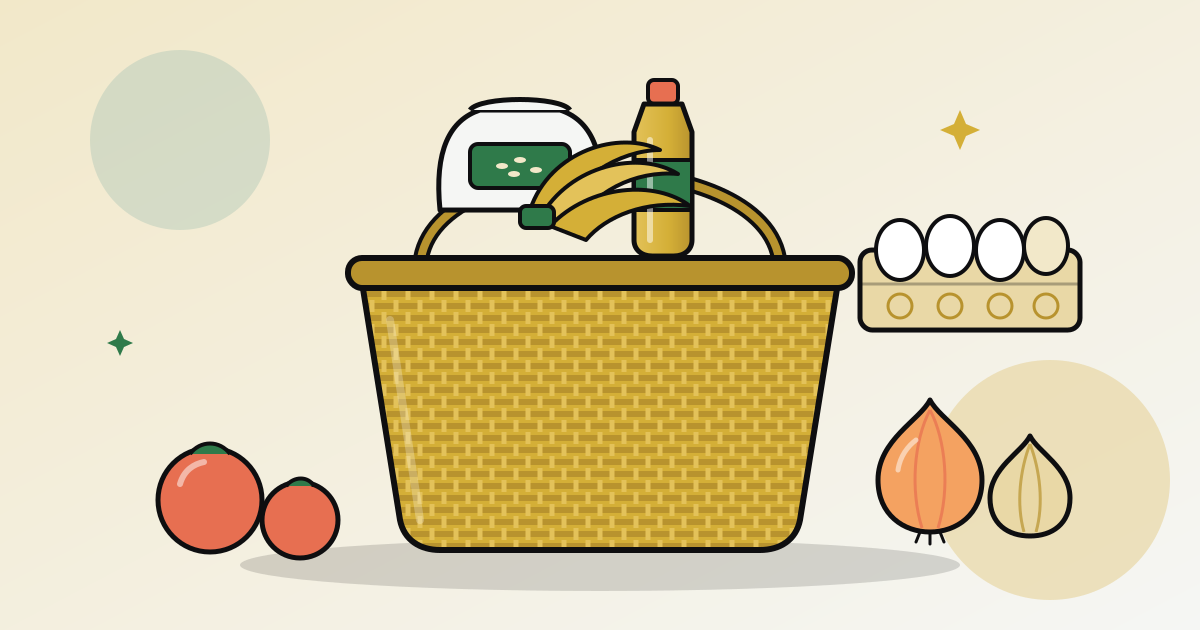
The month always starts well. Then somewhere around the third week, the money is thinner than the plan and dinner becomes another pack of noodles. A good monthly grocery list fixes most of that, because the expensive part of student food is not the food itself. It is buying small, buying often and buying hungry.
This list is built around Rwandan staples that are filling, keep well without a fridge and cook into many different meals: rice, beans, maize flour, potatoes, sorghum porridge, cabbage and eggs. Add a few flavor boosters and you can eat well for the whole month without getting bored.
Buy the dry staples in one big order at the start of the month. Top up fresh vegetables and fruit weekly. Keep a small emergency shelf for the last week.
Who it's for
University students and young people living alone in Kigali who cook for themselves
Time needed
One big shop a month, plus a quick fresh top up each week
When to shop
Right after allowance or salary day, before the money gets spread thin
On the list
29 items, 17 must haves
0 of 29 ready
Filling staples
These are the base of almost every meal. Buy them in bigger packs, which usually cost less per kilo.
Rice
5 kg Must haveRice cooks fast, keeps for months and goes with beans, vegetables, eggs or sauce. It is the backbone of a student kitchen.
How to use it: A 5 kg bag usually lasts one person most of a month. Rinse before cooking and use two cups of water per cup of rice.
 LAL QILLA Brown Basmati Rice 5kgRWF30,000
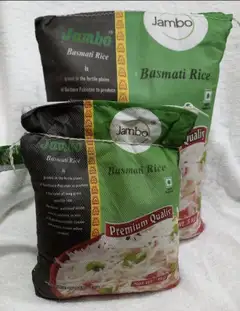 Jambo basmati rice 5kgRWF25,300
Dry beans
2 to 3 kg Must haveBeans are the cheapest protein you can buy in Kigali and a meal with rice or ugali every time.
How to use it: Soak overnight to cut cooking time and gas or charcoal costs. Cook a big pot and keep portions for two or three days.
Maize flour
2 to 4 kg Must haveUgali is filling, quick once you get the hang of it, and pairs with beans, vegetables or sardines.
How to use it: Boil water, add flour slowly while stirring hard, and keep stirring until it pulls away from the pan.
Irish potatoes
3 to 5 kg Must havePotatoes are cheap, filling and work boiled, fried or in a stew with beans.
How to use it: Store in a dry dark place, loose in a basket or sack. Buy weekly or every two weeks so they do not sprout.
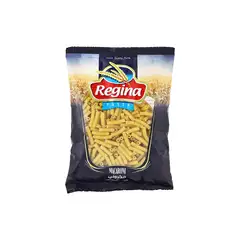
Pasta
2 packsNice to haveA fast dinner on busy days. Ten minutes in boiling water and a quick tomato sauce.
How to use it: Spaghetti and macaroni both keep for months. Cook only what you will eat.
Sorghum or porridge flour
1 to 2 kg Must haveA warm bowl of porridge is a cheap, filling breakfast that keeps you going until lunch.
How to use it: Mix flour with a little cold water first, then add to boiling water while stirring. Add milk or sugar if you have it.
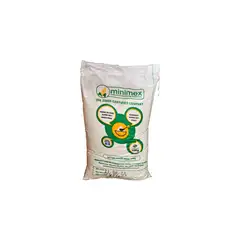
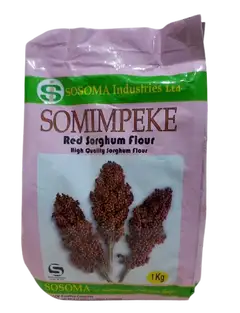 Sosoma Red sorghum Flour 1kgRWF3,200
 Red sorghum flour 1kgRWF1,800
 Sosoma Red sorghum Flour 1kgRWF2,800










Cheap protein
Protein keeps you full and focused. These options cost far less than meat and keep well.
Eggs
1 tray Must haveThe quickest protein: boiled, fried or scrambled into rice or noodles.
How to use it: A tray lasts a few weeks if kept cool. Check by putting an egg in water; a fresh one sinks.
Sardines
4 to 6 tinsNice to haveTinned sardines keep for months and turn rice or ugali into a full meal in five minutes.
How to use it: Fry with onions and tomatoes for a quick sauce.
Indagara (small dried fish)
500 gNice to haveA Rwandan favorite that is rich in protein and full of flavor. A little goes a long way.
How to use it: Rinse, then cook in a tomato and onion sauce. Eat with ugali or rice.
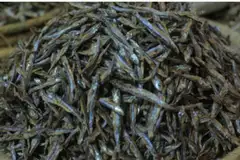 Indagara (indundi) 1kgRWF33,800
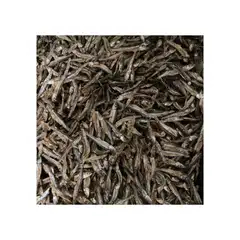 Indagara freshRWF13,500
Soya protein
2 packsNice to haveDry soya chunks are cheap, light to store and absorb any sauce you cook them in.
How to use it: Soak in hot water for ten minutes, squeeze out, then add to a stew.
Peanut butter
1 jarNice to haveTurns bread into a filling breakfast and adds richness to sauces.
How to use it: Stir a spoonful into a vegetable stew for a creamy, nutty sauce.
 Humura peanut butter 800grRWF12,000
 Nuty&more (peanut butter)800gRWF12,000
Milk powder
1 packNice to haveLasts the month without a fridge, and goes into tea, porridge and baking.
How to use it: Mix with a little cold water first to avoid lumps.














Fresh vegetables and fruit
Buy fresh every week rather than once a month, so less goes to waste.
Onions
1 to 2 kg Must haveAlmost every sauce starts with onions. They keep for weeks in a cool dry spot.
How to use it: Buy a kilo at a time. Store loose in a basket, not a closed bag.
Tomatoes
1 kg weekly Must haveThe base of sauces for beans, rice and ugali.
How to use it: Buy a mix of ripe and slightly firm ones so they last the week.

 Everyday Tomatoes Ketchup 1kgRWF10,400
Cabbage
1 to 2 heads Must haveOne of the cheapest vegetables, keeps a week or more and stretches into several meals.
How to use it: Shred and fry with onions, carrots and a pinch of salt. Keep the outer leaves on until you use it.
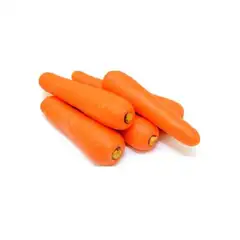
Carrots
1 kgNice to haveCheap, keep well and add color and sweetness to rice, stews and cabbage.
How to use it: Store in the coolest spot in your room. Grate raw into salads.
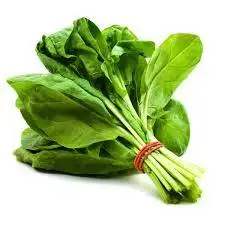
Dodo or other greens
2 bunches weeklyNice to haveLeafy greens give iron and vitamins that a rice and beans diet misses.
How to use it: Wash well, chop and cook briefly with onions. Buy just before you plan to eat them.
Bananas
1 bunch weekly Must haveCheap fruit and a quick snack between lectures.
How to use it: Buy a mix of ripe and green so you have some for the whole week.














Flavor boosters
Cheap food stays interesting when you have a few things to change the taste.
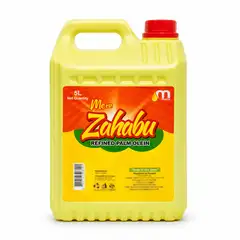
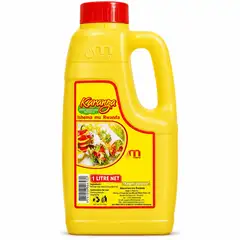
Cooking oil
1 to 2 litres Must haveYou will need it for nearly everything you cook.
How to use it: A medium bottle lasts one person a month. Use less than you think; a spoon or two per dish is enough.
Salt
1 pack Must haveBasic but easy to forget until the pot is already boiling.
How to use it: One pack lasts months. Keep it dry in a sealed jar.
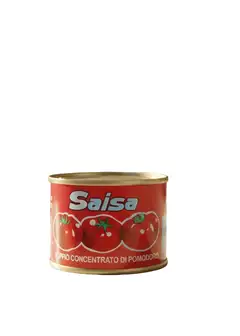
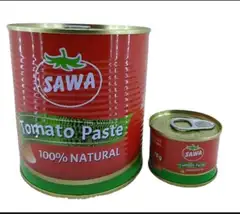
Tomato paste
2 to 3 tins Must haveMakes a rich sauce from just a few fresh tomatoes and costs very little.
How to use it: Fry a spoonful in oil with onions before adding water or beans.
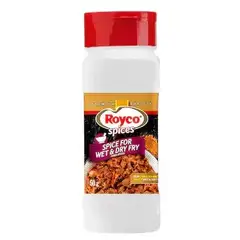
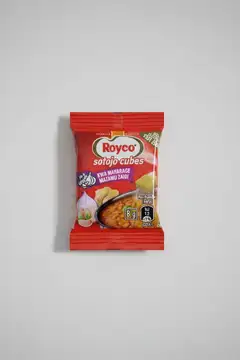
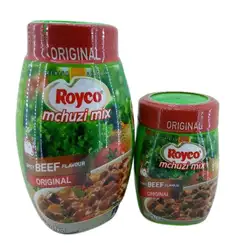
Seasoning cubes or mix
1 packNice to haveTurns plain rice, beans or potatoes into something you look forward to.
How to use it: One cube per pot is enough. Add near the end of cooking.
Akabanga chili oil
1 small bottleNice to haveA few drops of Rwanda's famous chili oil wake up any plate of beans or rice.
How to use it: It is very hot. Start with one drop and go from there.
Tea leaves and sugar
1 pack each Must haveTea is the cheapest comfort and the standard breakfast drink.
How to use it: Buy loose leaves in a pack; they last longer than tea bags for the same money.
 Rwanda Mountain Tea Leaves 500grRWF4,100
 Rwanda Mountain Tea Leaves 500grRWF4,800
 White sugar 1kgRWF5,500








Household basics
Not food, but part of the monthly shop. Forgetting them means an extra trip and extra spending.
Dishwashing liquid
1 bottle Must haveKeeps pots clean and stops insects visiting your room.
How to use it: A few drops on a wet sponge is enough. Wash up right after eating.
Kitchen sponge
2 to 3Nice to haveCheap, but you need a fresh one every few weeks for hygiene.
How to use it: Rinse and squeeze dry after use. Replace when it smells.
Bar soap for bathing and laundry
1 pack Must haveOne of the most used items in any student room.
How to use it: Buy a multipack; it costs less per bar.
Toilet paper
1 pack Must haveRunning out is never fun. Buy a pack, not single rolls.
How to use it: Keep one roll out and the rest stored dry.
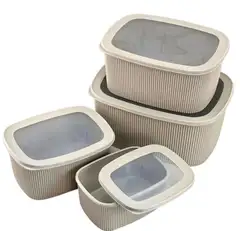
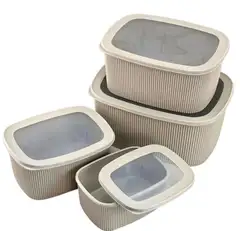
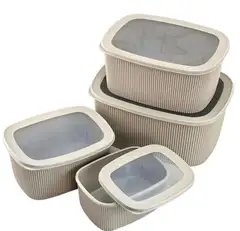
Storage containers
3 to 4Nice to haveKeep rice, flour and sugar safe from ants, cockroaches and damp.
How to use it: Use containers with tight lids and label them. Store off the floor.












Step by step
- 1
Before the month starts
Check what you still have. Write a list of meals you want to cook, then the ingredients they need.
- 2
Day one: the big shop
Order all dry staples, oil, protein tins and household basics at once. Store them in sealed containers.
- 3
Every week
Buy fresh vegetables and fruit: tomatoes, cabbage, greens and bananas. Check the pantry while you plan.
- 4
Week three
Check stock. If something is running low, buy just that, not a full shop.
- 5
Last week
Cook from the emergency shelf: rice, beans, sardines, pasta and porridge. Note what ran out early and buy more of it next month.
Tips that help
- Cook beans in a big pot two or three times a week. It saves fuel, time and money.
- Share a big shop with a roommate or friend. Buying in bulk together lowers the price per kilo.
- Never shop hungry. You will buy snacks you did not plan for.
- Keep a short list on your phone of what is running out so you never buy doubles.
- Plan two or three meals you can cook in under 20 minutes for busy exam days.
- Put a little money aside for the last week of the month before you spend anything else.
Mistakes to avoid
- Buying rice and flour in small packs every few days, which costs much more over a month.
- Living on noodles and bread, which feels cheap but leaves you hungry and tired.
- Buying fresh vegetables for the whole month at once and throwing half away.
- Leaving dry food in open bags where ants and damp ruin it.
- Ordering takeaway on stressful days instead of having a quick meal plan ready.
Questions people ask
What groceries should a student buy for a month in Kigali?+
Start with filling staples: rice, dry beans, maize flour, potatoes and porridge flour. Add eggs and tinned fish for protein, onions, tomatoes and cabbage for vegetables, oil, salt and tomato paste for cooking, and tea and sugar. Top up fresh produce weekly.
How can a student eat well on a small budget?+
Cook at home most days, buy staples in bigger packs and build meals around beans, rice, ugali and vegetables. Cooking in big batches saves fuel and time. Keep takeaway as a treat, not a habit.
What are cheap meals for students in Rwanda?+
Rice and beans, ugali with beans or sardines, potatoes and cabbage, porridge for breakfast, and pasta with tomato sauce. Indagara with ugali is cheap and full of protein. Add akabanga or seasoning to keep things interesting.
How do I store food without a fridge?+
Keep dry food like rice, beans and flour in sealed containers off the floor. Store onions and potatoes loose in a cool dark place. Buy fresh vegetables weekly, and cook beans in batches that you finish within two days.
Is it cheaper to shop monthly or weekly?+
For dry staples, monthly is usually cheaper because larger packs cost less per kilo and you make fewer trips. For fresh produce, weekly is better so less goes to waste. Most students do best with a mix of both.
A good grocery list takes the stress out of the end of the month. Do one big shop for staples, top up fresh food weekly and keep an emergency shelf for the last week. Order your monthly list on Isokko and have it delivered to your door in Kigali, so you spend your time studying, not queuing.
Shop this list
Get everything delivered in Kigali
Order from local stores on Isokko and pay with MoMo, card or cash. Same-day delivery.