
Checklist · Cooking & meals
Setting Up a Vegetarian Kitchen in Kigali: Shopping Checklist
A vegetarian kitchen checklist for Kigali: beans, lentils, peanut flour, soya, isombe, local vegetables, spices and tools to cook filling meat free meals every day.
Updated November 15, 2026 · By Isokko

Rwandan food is already friendly to vegetarians. Beans, isombe, matoke, sweet potatoes, avocado and peanut sauces have fed families for generations without much meat. Setting up a vegetarian kitchen in Kigali is mostly about stocking more of these and adding a few new proteins.
This checklist covers legumes and plant proteins, local vegetables, the spices that make meatless food exciting, and a few dairy and egg options if you eat them. The goal is meals that are filling and balanced, not just rice and cabbage every day.
If you are changing your diet for health reasons, or you are pregnant or feeding young children a vegetarian diet, talk to a doctor or nutritionist about getting enough iron, protein and vitamin B12.
Who it's for
New vegetarians, families cutting down on meat and anyone cooking for vegetarian guests in Kigali
Time needed
One big stock up, then a weekly fresh vegetable order
When to shop
Legumes and spices monthly, vegetables and fruit every week
On the list
29 items, 13 must haves
0 of 29 ready
Beans, lentils and plant proteins
Protein is the first thing to plan. Aim for a legume or plant protein at every main meal.
Dry beans
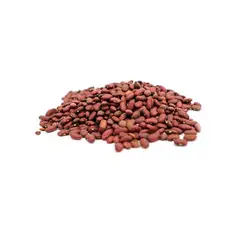
3 to 5 kg Must haveBeans are the backbone of a Rwandan vegetarian kitchen: cheap, filling and full of protein.
How to use it: Soak overnight and boil until soft, then cook with onion, tomato and a spoon of peanut flour for extra richness.
Kidney beans
1 kgNice to haveA firmer bean that holds its shape in stews and salads.
How to use it: Boil hard for at least ten minutes before simmering, as undercooked kidney beans can upset the stomach.
 Kidney beans (ibitonore) 1kgRWF4,000
 Yayla Boiled Red kidney BeansRWF3,450
 Kidney beans (ibitonore) 500grRWF1,200
Lentils
1 to 2 kg Must haveLentils cook in about 25 minutes without soaking, perfect for weeknights.
How to use it: Make a simple dal with onion, garlic, ginger, tomato and curry powder, served with rice or chapati.
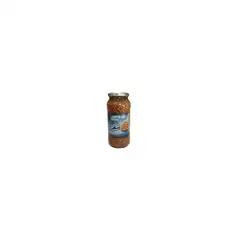 Diamir LentilsRWF2,550
Chickpeas
1 kgNice to haveGreat in curries, roasted as a snack, or blended into a spread.
How to use it: Soak overnight and boil about an hour, or buy tins for speed.
 Butterfly Chickpeas 1KgRWF4,500
 Butterfly Chick Peas 1KGRWF6,500
Peanut flour
1 kg Must haveGround peanuts add protein and a rich taste to greens and stews.
How to use it: Stir a paste of peanut flour and water into isombe, dodo or matoke and simmer well.
Textured soya protein
2 to 3 packsNice to haveSoya chunks or mince give a meaty texture in sauces and pilau.
How to use it: Soak in hot salted water for ten minutes, squeeze out the water, then fry with onion and spices.
Soya flour
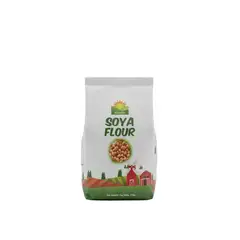
1 kgNice to haveA protein boost for porridge, chapati and baking.
How to use it: Mix a little into porridge or replace some wheat flour when making chapati.
Green peas
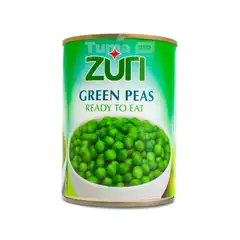
1 kg dry or 3 tinsNice to haveEasy protein and color for rice and stews.
How to use it: Add dry peas to soak with beans, or stir tinned peas into rice at the end.














Local vegetables and greens
Variety is what keeps a vegetarian diet healthy and interesting.
Cassava leaves for isombe
2 packs Must haveIsombe is one of Rwanda's great vegetarian dishes and is packed with greens.
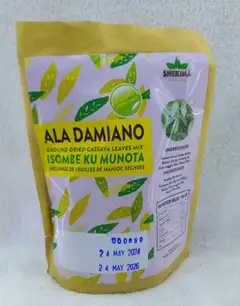
How to use it: Ready ground leaves save hours. Simmer a long time with onion, eggplant, spinach and peanut flour.
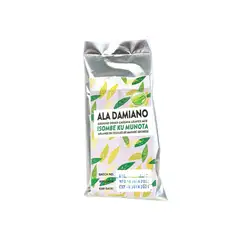 ALA Damiano Isombe 200grRWF6,000
 IsombeRWF16,000
Eggplant
1 kg Must haveGives a soft, meaty texture to isombe and curries.
How to use it: Cube and fry until golden before adding to sauces so it does not go spongy.
 Eggplant 1pcsRWF1,000

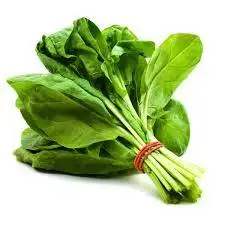
Spinach and dodo
3 to 4 bunches Must haveLeafy greens add iron and fiber.
How to use it: Cook with a squeeze of lemon or tomato. Vitamin C helps your body absorb iron from plants.
Mushrooms
250 to 500 gNice to haveMushrooms bring a savory, meaty flavor to rice and pasta.
How to use it: Fry in a hot pan without crowding so they brown rather than steam.
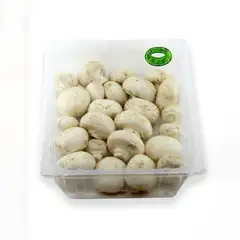 PF BUTTON MUSHROOMS 500GRWF9,500
Carrots, cabbage and green peppers
1 kg each Must haveCheap, long lasting vegetables for stir fries and stews.
How to use it: Keep them as your midweek vegetables after the leafy greens are gone.
Broccoli or cauliflower
1 to 2 headsNice to haveA nice change that roasts or steams well.
How to use it: Roast with oil, garlic and salt until the edges brown.
Okra
500 gNice to haveThickens stews and adds a different texture.
How to use it: Slice and fry first, or add whole near the end of cooking.
 Okra Clemson Spineless Seeds 10gRWF2,500
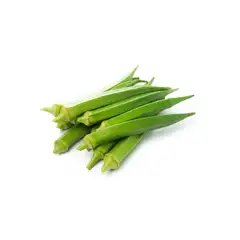 Okra (gombo) 1kgRWF4,000











Starches and staples
Pair every legume with a good starch for a complete, filling plate.
Rice
5 kg Must haveThe everyday partner for beans and lentils.
How to use it: Cook with a pinch of turmeric or curry powder for color.
 LAL QILLA Brown Basmati Rice 5kgRWF30,000
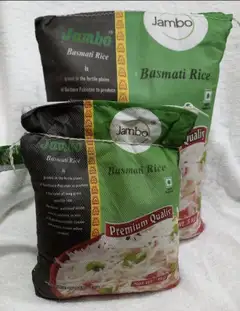 Jambo basmati rice 5kgRWF25,300
Sweet potatoes
2 kg Must haveFilling and full of fiber, great at breakfast or dinner.
How to use it: Roast with a little oil and salt or boil and serve with beans.
Green banana (matoke)
1 bunch Must haveA classic Rwandan meal when cooked with peanut sauce.
How to use it: Cook with onion, tomato and peanut flour for a fully vegetarian main dish.
Quinoa
500 gNice to haveA grain with more protein than rice, for variety.
How to use it: Rinse well, then cook like rice in about 15 minutes.
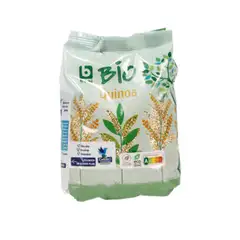 Boni Bio QUINOA 500grRWF13,800
Sorghum or cassava flour
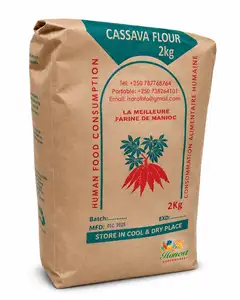
2 kgNice to haveFor ugali and porridge, both naturally vegetarian.
How to use it: Serve cassava ugali with isombe for a traditional plate.










Flavor makers
Spices and fats make the difference between bland and delicious meatless food.
Curry powder and cumin
1 jar each Must haveWarm spices give depth to beans, lentils and chickpeas.
How to use it: Fry spices in oil for a minute before adding vegetables to release flavor.
Garam masala
1 jarNice to haveFinishes dal and chickpea curries beautifully.
How to use it: Add a pinch at the very end of cooking.
 Tropical heat garam masala 50grRWF2,200
 Tropical heat garam masala 50grRWF2,500
 Tropical heat garam masala 50grRWF4,000
Fresh ginger and garlic
250 g each Must haveThe base of countless vegetarian dishes.
How to use it: Blend equal amounts with a little oil and keep the paste in the fridge.
Coconut milk
3 tinsNice to haveMakes creamy curries without dairy.
How to use it: Stir into lentils or chickpeas at the end and simmer gently.
 Super Chef Coconut MilkRWF4,050
 Kentaste Coconut MilkRWF4,050
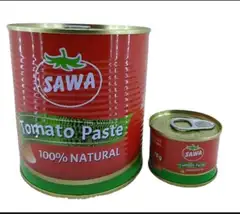
Tomato paste and onions
2 kg onions, 3 tins paste Must haveThe base of Rwandan sauces.
How to use it: Fry onions until soft, add paste, then the legumes.









Eggs, dairy and snacks
If you eat eggs and dairy, they make it much easier to get enough protein.
Eggs
1 trayNice to haveQuick protein for breakfast and dinner.
How to use it: Make a vegetable omelet with spinach, tomato and onion.
Cheese
1 blockNice to haveAdds protein and flavor to pasta and sandwiches.
How to use it: Local gouda melts well over beans and rice.
 Cheese Ingabo de Gishwati -GOUDA 1kgRWF11,500
 Gishwati Gouda cheese 450grRWF5,200
 OLIGO PRODUCTS GOUDA CHEESE, 1KGRWF9,500
Yogurt
4 cupsNice to haveProtein and a cooling side for spicy curries.
How to use it: Serve a spoon on top of dal or with fruit at breakfast.
Roasted nuts
1 packNice to haveA handy protein snack between meals.
How to use it: Keep a small jar on the counter instead of biscuits.
 KIBEMBE Roasted Cashew Nuts 270grRWF10,500
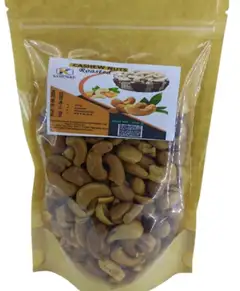 KIBEMBE Roasted cashew nuts 500grRWF11,000







Step by step
- 1
Plan your proteins
Write down which legume or plant protein goes with each dinner. Beans twice, lentils once, chickpeas once and eggs or soya once is a good start.
- 2
Stock the dry shelf
Order beans, lentils, chickpeas, peanut flour, soya, rice and spices in one go.
- 3
Weekly vegetable order
Each week buy greens, eggplant and two other vegetables, plus fruit.
- 4
Batch cook legumes
Boil a big pot of beans and chickpeas at the weekend and freeze portions so weeknights are quick.
- 5
Try one new dish a week
Lentil dal, chickpea curry, soya pilau or roasted vegetables keep things exciting.
Tips that help
- Add lemon or tomato to greens and beans. Vitamin C helps absorb plant iron.
- Combine beans with rice or ugali for a more complete protein.
- Cook isombe in a big batch. It freezes well.
- Peanut flour is your secret ingredient for rich, creamy sauces.
- Keep a few tins of beans and chickpeas for nights with no time to boil.
- When hosting vegetarians, cook their dish in a separate pot with a separate spoon.
Mistakes to avoid
- Cutting meat without adding a protein replacement.
- Living on rice and cabbage alone.
- Undercooking kidney beans.
- Forgetting to plan iron and vitamin B12, especially for children or pregnant women. Ask a doctor.
Questions people ask
Is it easy to be vegetarian in Kigali?+
Yes. Many traditional Rwandan dishes are already meat free, like beans, isombe, matoke with peanut sauce and sweet potatoes. Lentils, chickpeas and soya are also available in Kigali.
What are good vegetarian protein sources in Rwanda?+
Beans, peas, lentils, chickpeas, peanuts and peanut flour, soya, eggs, milk, yogurt and cheese are all good sources. Mix them through the week.
Is isombe vegetarian?+
Isombe made with cassava leaves, eggplant, spinach, onion and peanut flour is vegetarian. Some cooks add fish or meat, so ask when eating out.
Do vegetarians need supplements?+
Some people, especially vegans, need vitamin B12 and may need to watch iron. A doctor or nutritionist can advise you based on your diet and health.
How do I make beans cook faster?+
Soak them overnight, use fresh stock that is not too old, and add salt near the end of cooking. A pressure cooker also cuts the time a lot.
A vegetarian kitchen in Kigali can be full of flavor, color and comfort. Build it around beans, greens, peanut flour and good spices, and you will barely miss the meat. Order this list on Isokko and start cooking.
Shop this list
Get everything delivered in Kigali
Order from local stores on Isokko and pay with MoMo, card or cash. Same-day delivery.