
Checklist · Cooking & meals
Weekly Meal Prep for a Family of Four in Kigali: Checklist
A weekly meal prep checklist for a family of four in Kigali: staples, proteins, vegetables, containers and a simple Sunday plan to cook once and eat well all week.
Updated November 15, 2026 · By Isokko

Weeknights in Kigali go fast. School pickup, traffic on the hills, a power cut right when the rice should go on. Meal prep fixes most of that: you shop once, cook the slow things on Sunday, and every evening becomes reheating plus one fresh dish.
This checklist is built for a family of four eating mostly at home. It leans on what Rwandan kitchens already do well: a big pot of beans, rice that keeps, sauces built on onion and tomato, and vegetables like dodo, cabbage and carrots that hold up for days.
Use it as a shopping list, then follow the Sunday plan at the end. You will spend less, waste less, and stop asking at six in the evening what is for dinner.
Who it's for
Parents feeding two adults and two children on busy Kigali weekdays
Time needed
About 3 hours of cooking on Sunday, plus 20 minutes each evening
When to shop
Order dry goods once a month and fresh food on Saturday for a Sunday prep
On the list
28 items, 18 must haves
0 of 28 ready
Staples for the whole week
These are the base of almost every meal. Buy them in bigger packs so you are not reordering every few days.
Rice
3 to 5 kg Must haveRice is the easiest base to cook in bulk and it reheats well with any sauce. A family of four can easily get through a few kilos in a week.
How to use it: Cook a large pot on Sunday, cool it quickly and keep it in the fridge in shallow containers. Use it within four days and reheat until steaming hot.
 LAL QILLA Brown Basmati Rice 5kgRWF30,000
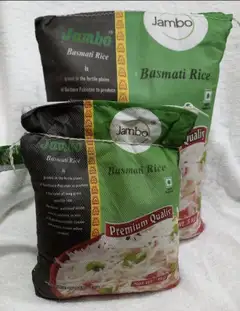 Jambo basmati rice 5kgRWF25,300
Dry beans
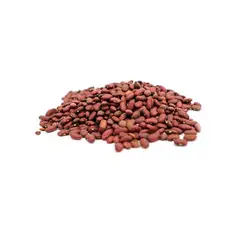
2 kg Must haveBeans are the protein that keeps a Kigali family going. One big pot on Sunday gives you two or three dinners and a lunchbox or two.
How to use it: Soak overnight, then boil until soft before adding onion, tomato and oil. Freeze half in portions so the second batch tastes fresh midweek.
Maize flour for ugali
2 to 4 kg Must haveUgali stretches any sauce and cooks in minutes, which makes it a good backup when the rice runs out.
How to use it: Keep it in a sealed container away from damp, especially in the rainy season. Stir steadily into boiling water until it pulls away from the pot.
Irish potatoes
3 to 5 kg Must havePotatoes are filling, cheap and quick. They go into stews, fries for the kids and mashed sides.
How to use it: Store them somewhere dark and dry, not in the fridge. Peel and boil a batch on Sunday to save time on busy nights.
Green banana (matoke)
1 bunch or 2 kgNice to haveMatoke cooked in a tomato sauce is a full meal and a nice change from rice twice in a week.
How to use it: Peel with oiled hands or gloves because the sap stains. Cook in a covered pot with onion, tomato and a little meat or beans.
Sweet potatoes
2 kgNice to haveThey keep well, kids like them, and they work for breakfast, lunchboxes and dinner sides.
How to use it: Boil or roast a tray on Sunday. They last three or four days in the fridge and are nice warm with tea.














Proteins
Plan two meat or fish dinners, two bean dinners and one egg night. That keeps costs steady and the week interesting.
Chicken
1 to 2 kg Must haveA whole chicken or a pack of pieces covers at least two family dinners.
How to use it: Roast or stew it on Sunday, then shred leftovers for rice or sandwiches. Keep raw chicken on the bottom shelf of the fridge so it cannot drip on other food.
Beef cubes or minced meat
1 kg Must haveMinced meat cooks fast and goes into sauces, spaghetti and stuffed chapati. Cubes are better for a slow stew.
How to use it: Brown it in batches so it fries instead of boiling. Freeze half the batch flat in a bag so it thaws quickly.
Tilapia or fish fillet
1 kgNice to haveFish gives one lighter dinner a week and cooks in about fifteen minutes.
How to use it: Buy it frozen and thaw it in the fridge the night before. Fry or bake with lemon and garlic, and serve with rice and greens.
Eggs
1 tray Must haveEggs are breakfast, a quick dinner on a tired night and an easy protein for lunchboxes.
How to use it: Boil six at once on Sunday for snacks. Keep the rest in their tray in a cool spot or the fridge.
Dried sambaza
1 bagNice to haveA small bag adds protein and flavor to sauces and lasts for weeks in the cupboard.
How to use it: Rinse, then fry with onion and tomato for a quick sauce, or crush into a vegetable stew.
 Dried Sambaza- ISAMBAZA ZUMYERWF6,000













Vegetables and fruit
Pick vegetables that last. Leafy greens first in the week, hardy ones like cabbage and carrots later.
Onions
2 kg Must haveAlmost every Rwandan sauce starts with onions, so you will use more than you expect.
How to use it: Chop a big batch on Sunday and keep it in a sealed container in the fridge for up to five days.
Tomatoes
2 kg Must haveFresh tomatoes are the body of your stews and bean sauces.
How to use it: Buy some ripe for this week's cooking and some firmer ones for later. Blend extra into a sauce and freeze it in portions.
Carrots
1 to 2 kg Must haveThey last well, add color and sweetness, and kids eat them raw.
How to use it: Grate into rice or beans, or cut into sticks for snacks. Store in the fridge drawer.
 Carrots 1kgRWF2,500
 Simba Carrots 1kgRWF2,200
Cabbage
1 to 2 heads Must haveCabbage is one of the hardiest vegetables you can buy and stays crisp for a week.
How to use it: Shred and stir fry with carrot and onion, or add to stews near the end so it keeps some bite.
 White cabbageRWF1,000
 White cabbagesRWF1,000
Dodo or sukuma greens
3 bunches Must haveGreens bring iron and freshness to plates heavy with starch.
How to use it: Wash, chop and cook within two or three days of buying. Fry with onion and a little tomato.



Green peppers
4 to 6Nice to haveA pepper or two lifts the flavor of stews, rice and eggs.
How to use it: Slice and keep in a container for quick omelets and fried rice.
 GREEN PEPPERRWF1,000
 Green pepper 1kgRWF2,000
Avocados
4 to 6Nice to haveAvocado turns plain rice and beans into a proper meal and kids love it on bread.
How to use it: Buy a mix of ripe and hard ones so they ripen through the week. Keep cut halves with the stone in, covered.
Bananas and seasonal fruit
1 bunch plus extrasNice to haveFruit is the easiest dessert and after school snack.
How to use it: Buy ripe bananas for the first days and firmer mangoes or passion fruit for later.













Cooking basics
Check these before every big shop. Running out of oil or salt midweek breaks the plan.
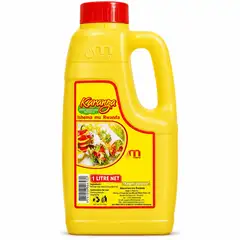
Cooking oil
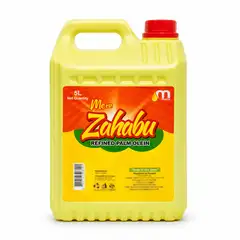
3 to 5 litres Must haveYou will fry onions for nearly every sauce, so a big bottle saves trips.
How to use it: Keep it closed and away from the stove's heat. A 3 or 5 litre bottle usually lasts a family a few weeks.
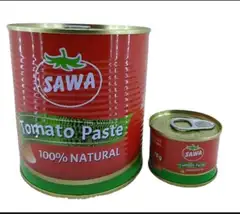
Tomato paste
2 to 3 small tins Must havePaste deepens the flavor of sauces when fresh tomatoes are pale or expensive.
How to use it: Fry a spoonful with the onions before adding water. Move an open tin's leftovers into a small jar in the fridge.
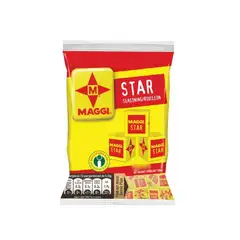
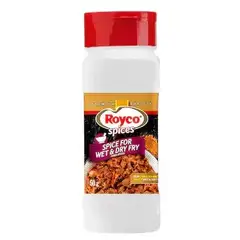
Seasoning cubes and mixed spices
1 pack each Must haveCubes and a curry or mixed spice blend make the same beans taste different on different nights.
How to use it: Crumble a cube into stews early so it dissolves. Add curry powder with the onions so it cooks through.
Salt
1 kg Must haveBasic, but you need it for every pot.
How to use it: Keep a small jar by the stove and refill from the main bag.
Garlic and fresh ginger
1 bunch garlic, 250 g gingerNice to haveThey give sauces and meat real flavor for very little money.
How to use it: Peel and blend a jar of garlic and ginger paste with a little oil. It keeps about a week in the fridge.










Meal prep tools
You do not need fancy gear. Good containers and one big pot make the whole system work.
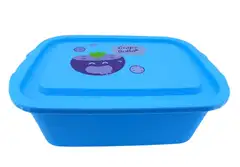
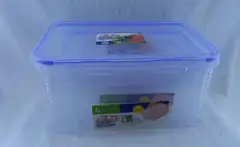
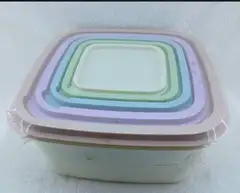
Food storage containers
1 set of 6 to 10 Must haveContainers let you portion meals for the fridge and freezer and pack lunchboxes in a minute.
How to use it: Get a set with lids in a few sizes. Let food cool before closing the lid so it does not sweat and spoil.
Large cooking pot
1 Must haveOne big pot lets you cook a week of beans or stew in one go.
How to use it: Choose a heavy base so beans do not burn. A pot of about 8 to 10 litres fits most family batches.
 Aluminum Cooking Pot 1pcRWF15,000
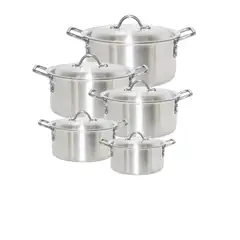 Cooking Pot set/5pcsRWF55,000
Lunch boxes
2 to 4Nice to haveIf the kids or adults take lunch, a box per person makes prepped food actually leave the house.
How to use it: Pack the night before and keep in the fridge. Put sauce in a separate small container to keep rice from going soggy.
Aluminium foil
1 rollNice to haveFoil covers trays in the fridge and keeps roasted food moist when reheating.
How to use it: Wrap chapati or roasted sweet potatoes so they stay soft for two days.
 Velvex Aluminium Foil 90MRWF3,000
 Fay Aluminium Foil 45*5 MetersRWF3,500




Step by step
- 1
Saturday: plan and shop
Write five dinners on paper, check your cupboard, then order the staples and fresh food. Ask for delivery Saturday afternoon so everything is ready for Sunday.
- 2
Saturday night: soak the beans
Put two kilos of dry beans in a big bowl of water before bed. They cook much faster in the morning.
- 3
Sunday morning: big pots first
Start the beans, then the meat stew. While they simmer, cook the rice and boil potatoes and sweet potatoes.
- 4
Sunday midday: chop and portion
Chop onions, peppers and carrots into containers. Let cooked food cool for about an hour, then portion into labeled containers for the fridge and freezer.
- 5
Weeknights: reheat plus one fresh dish
Each evening, reheat one main and cook something quick and fresh, like greens, an avocado salad or fried eggs. Move tomorrow's frozen portion to the fridge before bed.
Tips that help
- Cook rice and beans on Sunday, but cook greens fresh. They lose color and taste after a day.
- Freeze in flat bags or shallow containers. They thaw faster if the power goes out or dinner runs late.
- Keep a charcoal stove or gas backup ready for power cuts on prep day.
- Label containers with the day you cooked them using a strip of tape and a pen.
- Use the same base sauce three ways: with beans, with meat and with fish.
- Let kids pick one dinner each week. They eat better when they chose it.
Mistakes to avoid
- Prepping seven days of cooked food. Most of it is best within four days, so freeze the rest.
- Putting hot pots straight into a packed fridge, which warms everything else.
- Buying a lot of leafy greens at once. They wilt before you use them.
- Forgetting breakfast and lunchboxes, then buying expensive snacks midweek.
- Skipping the plan. Without five named dinners, the shopping list gets random.
Questions people ask
How much rice and beans does a family of four need for a week?+
It depends on appetite and how often you eat them, but many Kigali families use around 3 to 5 kg of rice and about 2 kg of dry beans in a week when both appear at most dinners. Start there and adjust after two weeks.
How long does meal prepped food last in the fridge?+
Most cooked stews, beans and rice are best eaten within three to four days in a cold fridge. Freeze anything you will eat later than that, and always reheat until it is steaming hot.
What can I prep if we have frequent power cuts?+
Lean on foods that are safe at room temperature for a short time and quick to cook fresh, like ugali, eggs, sweet potatoes and avocado. Keep frozen food packed tightly so it stays cold longer, and do not open the freezer during a cut.
Can I meal prep on a tight budget?+
Yes. Beans, rice, maize flour, cabbage, carrots and eggs are among the cheapest ways to feed four people. Meal prep usually saves money because you buy in bigger packs and throw less away.
Do I need special meal prep containers?+
No. Any clean plastic or glass containers with tight lids work. Having matching sizes simply makes stacking easier in a small fridge.
Meal prep is not about perfect plates. It is about a calm Tuesday evening and a family that eats well without stress. Shop this list on Isokko this weekend, cook your big pots on Sunday, and enjoy a week where dinner is mostly done before you walk through the door.
Shop this list
Get everything delivered in Kigali
Order from local stores on Isokko and pay with MoMo, card or cash. Same-day delivery.