
Checklist · Holidays & seasons
Rainy Season Commute Kit for Kigali: What to Carry Checklist
Build a rainy season commute kit for Kigali: rain gear for moto, bus and walking, how to keep your phone and laptop dry, warm drinks, and what to keep at home and work.
Updated November 16, 2026 · By Isokko
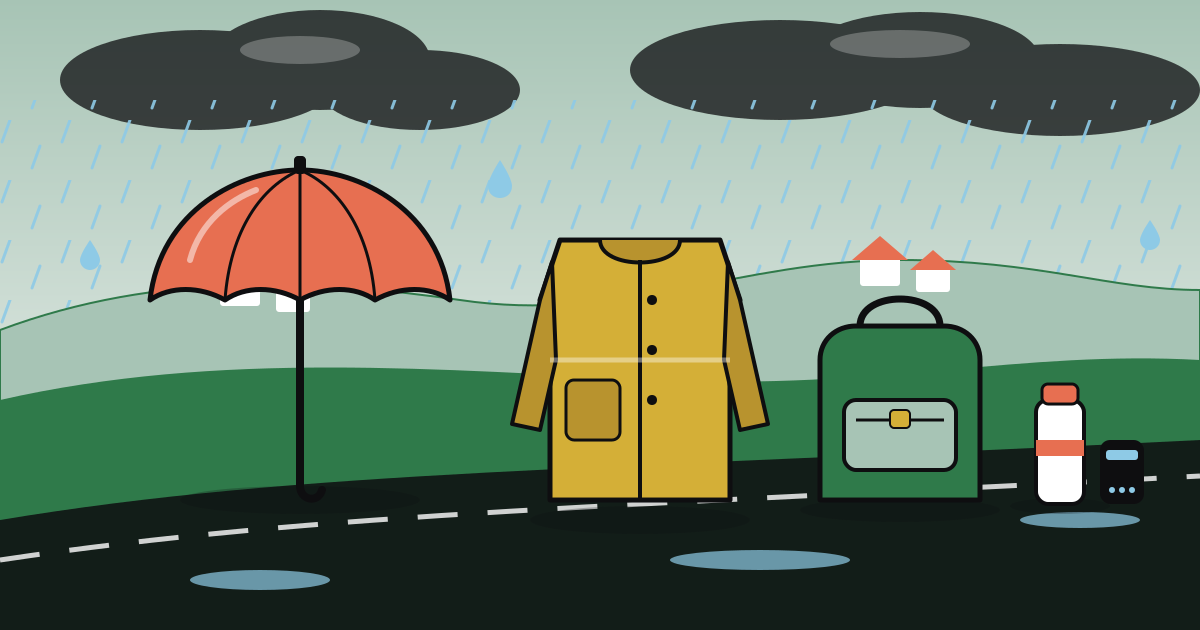
Kigali has two rainy seasons, roughly March to May and October to December. The rain often arrives as a heavy afternoon or evening downpour that stops traffic, empties the moto stages and turns hilly shortcuts into small rivers. Getting caught without a plan means arriving soaked, with a dead phone and wet shoes.
A simple commute kit fixes most of that. This checklist covers what to carry on moto, bus or foot, how to keep your phone, laptop and documents dry, small comforts for waiting out a storm, and what to keep at home or at your desk so you can change and warm up.
The best rule in Kigali rain is patience. Most storms pass in under an hour, so being ready to wait comfortably is often smarter than rushing out into it.
Who it's for
Anyone commuting in Kigali by moto, bus, car or on foot during the rainy seasons, from students to office workers
Time needed
One shop to build the kit, a minute each morning to check it
When to shop
Late February and late September, before the long and short rains begin
On the list
22 items, 7 must haves
0 of 22 ready
Rain gear to carry
Choose gear for how you travel. Moto riders and passengers need hands-free protection, walkers can use an umbrella.
Raincoat
1 Must haveOn a moto you cannot hold an umbrella, so a raincoat is the only real protection for passengers.
How to use it: Pick a light one that folds into your bag. Put it on before the rain starts, not after you are already wet.
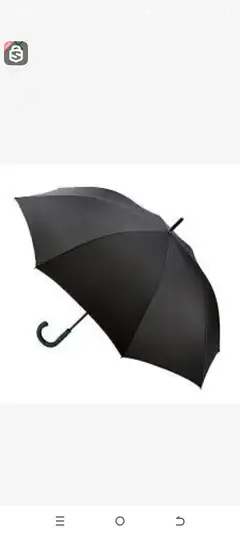
Umbrella
1 to 2 Must haveFor walking, waiting at bus stops and the short dash from car to office, an umbrella keeps your top half dry.
How to use it: Keep one in your bag and a spare at work. Shake it out and open it to dry when you arrive, then fold it.
Light jacket
1Nice to haveRainy afternoons can turn cool fast, especially on a moto with wind and wet clothes.
How to use it: A thin jacket or windbreaker over your work clothes adds warmth and keeps off light drizzle.
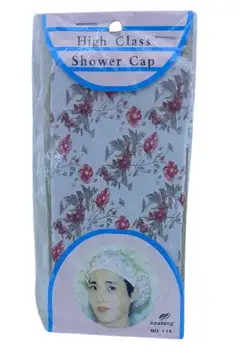
Shower cap
2Nice to haveMany moto passengers wear a cap under the shared helmet for hygiene, and it also protects hair from rain.
How to use it: Keep a couple in your bag. A waterproof one doubles as a quick cover for a bag or shoes.





Keep your phone, laptop and papers dry
Water damage to a phone or laptop is the most expensive rainy season mistake.
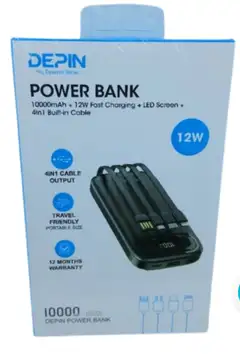
Power bank
1 Must haveWhen rain stops traffic you may wait much longer than planned, and your phone is how you call a moto or tell people you are late.
How to use it: Charge it every night in the rainy season and keep it in an inside pocket.
Phone case or sealed pouch
1 to 2 Must haveA sealed pouch keeps your phone, ID and bank card safe even if your bag gets soaked.
How to use it: A snug phone case plus a small sealable bag works well. Keep documents flat inside a folder in the same pocket of your bag.
Laptop bag
1Nice to haveA padded laptop bag protects your work computer from splashes and knocks on a moto.
How to use it: Put the laptop in a plastic bag inside the laptop bag on very wet days, and never leave it on the floor of a wet bus.
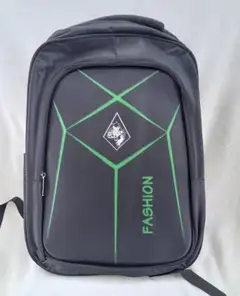
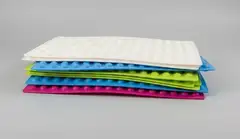
Microfiber cloth
1Nice to haveWipes rain off your phone screen, glasses and laptop before water gets inside.
How to use it: Keep one in your bag pocket and dry devices as soon as you are under cover.
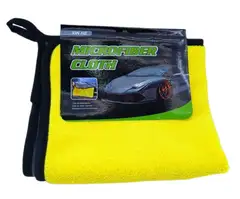 MICROFIBER CLOTH TowelRWF2,900
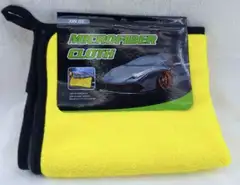 MICROFIBER CLOTH TowelRWF3,000




Feet and spare clothes
Wet feet are the worst part of a rainy commute. A few spares make the day much better.
Sandals or slippers
1 pairNice to haveWearing sandals for the commute and changing at work saves your good shoes from mud and puddles.
How to use it: Commute in sandals on very wet days and keep your office shoes in a bag or under your desk.
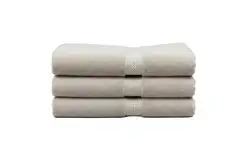
Small towel
1 Must haveA towel lets you dry your face, hair and arms when you arrive.
How to use it: Pack a small quick-dry towel and hang it to dry at your desk.
 Plush Bath Mat/ Towel 100*100cmRWF15,000
 Small TowelRWF1,500
Shoe polish and brush
1 eachNice to haveRed mud stains leather quickly, and regular polish helps shoes resist water.
How to use it: Brush off dried mud, then polish. Never dry leather shoes next to a heater or in strong sun.
Spare top at work
1Nice to haveIf you arrive soaked, a dry shirt or top at your desk saves the day.
How to use it: Keep one clean top and a pair of socks in a drawer through the rainy months.








Waiting out the storm
Most Kigali downpours pass within an hour. Being comfortable while you wait makes it easy to be patient.
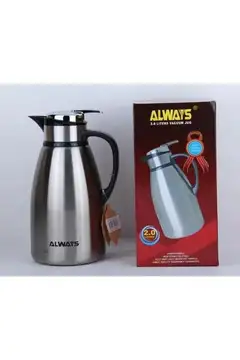
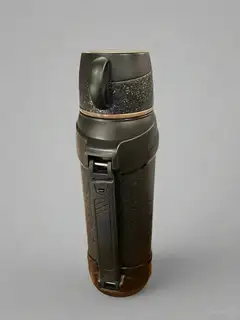
Flask
1Nice to haveA hot drink while you wait under a shelter or in the office makes a long rainy evening bearable.
How to use it: Fill a small flask with tea in the morning. It stays warm until the afternoon.
Snacks
1 to 2 packsNice to haveIf you are stuck at work or on the road longer than planned, a snack keeps your energy up.
How to use it: Keep a pack of biscuits or nuts in your bag and your desk drawer.
Rechargeable torch
1Nice to haveRain brings darker evenings and sometimes power cuts, and many paths have no streetlights.
How to use it: A small torch or your phone light helps you see puddles, potholes and open drains on the walk home.
 LED Rechargeable Power Torch 1WRWF5,000
 LED Rechargeable Power Torch 1WRWF7,500
 LED Rechargeable Power Torch 1WRWF10,000
Hand sanitizer
1 small bottle Must haveWet handrails, shared helmets and crowded shelters mean more germs on your hands.
How to use it: Use it after the commute and before eating.
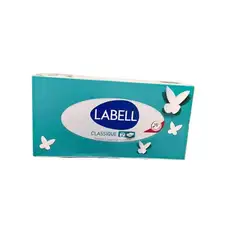
Tissues
1 packNice to haveHandy for a runny nose, wiping wet seats and drying hands.
How to use it: Keep a small pack in your bag.









At home: warm up and dry out
What you keep at home matters as much as what you carry.
Fresh ginger, honey and tea
1 piece ginger, 1 jar honeyNice to haveA hot ginger and honey tea is a comforting way to warm up after getting caught in the rain.
How to use it: Boil sliced ginger for a few minutes, add tea and a spoon of honey. See a doctor if a cold turns into fever or lasts more than a few days.
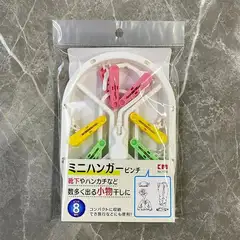
Clothes hangers and pegs
1 packNice to haveClothes dry slowly in rainy weather and need space and air indoors.
How to use it: Hang wet clothes and rain gear apart from each other near an open window so they do not smell damp.
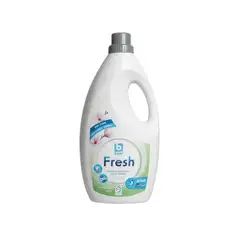
Laundry detergent and stain remover
1 packNice to haveRed mud splashes on trousers and skirts are part of every rainy commute and set quickly if left.
How to use it: Let the mud dry, brush it off, then soak the stain in detergent before washing. Do not use hot water on mud stains.
Floor mat at the door
1Nice to haveMuddy shoes and dripping umbrellas soak floors and make tiles slippery.
How to use it: Put a mat inside the door and leave wet shoes and umbrellas there to drain.
Mosquito repellent
1 Must haveRain leaves standing water, and mosquitoes increase during and after the rainy seasons.
How to use it: Use repellent in the evening and sleep under a net. Empty containers that collect rainwater around the house.








Step by step
- 1
Before the season starts
In late February and late September, buy or check your raincoat, umbrella, power bank and phone pouch, and polish your shoes.
- 2
Each morning
Check the sky and the forecast. If rain is likely, pack the raincoat, a towel and sandals, and put your phone and documents in a sealed pouch.
- 3
When the rain starts
If you can, wait under cover until the heaviest rain passes. Avoid riding a moto through flooded roads or downhill in heavy rain.
- 4
When you arrive
Dry your phone and laptop, hang your raincoat and towel, and change into dry shoes.
- 5
At home
Hang wet clothes to dry, warm up with a hot drink and charge your phone and power bank for tomorrow.
Tips that help
- Most heavy downpours pass within an hour. Waiting is often safer and faster than rushing.
- Ask your moto driver to go slowly on wet, steep roads. It is your safety.
- Keep a second umbrella at work so you are never stuck without one.
- Plan to leave a little earlier in the afternoon in the rainy months, before the evening storms.
- Walk around puddles, not through them. Open drains can be hidden under muddy water.
- Charge everything at night. Rain and power cuts often come together.
Mistakes to avoid
- Riding a moto in heavy rain without a raincoat, then sitting in wet clothes all day.
- Carrying your phone in an open pocket or loose in a bag in the rain.
- Wearing your best leather shoes on a wet commute.
- Walking through flooded paths or near swollen drainage channels.
Questions people ask
When is the rainy season in Kigali?+
Kigali usually has a long rainy season from about March to May and a short rainy season from about October to December. Rain often comes as heavy afternoon or evening storms, and patterns vary from year to year.
Is it safe to take a moto in the rain in Kigali?+
Wet roads, steep hills and poor visibility make motos riskier in heavy rain. If you can, wait for the heaviest rain to pass, wear a raincoat, and ask the driver to ride slowly. In a storm, a bus or car is a safer choice.
How do I keep my phone dry in the rain?+
Keep it in a sealed pouch or bag inside your bag or an inside pocket, and wipe it dry as soon as you are under cover. A power bank helps when you have to wait longer than planned.
What should I keep at work for rainy days?+
A spare umbrella, a small towel, a dry top, socks, office shoes and a snack make rainy days much easier. Some people also keep a small flask for tea.
Can I buy rain gear in Kigali online?+
Yes. You can order umbrellas, raincoats, power banks, towels and other items on this list on Isokko and have them delivered before the rains start.
Rain in Kigali is part of life twice a year, and with the right kit it is just a pause, not a disaster. Build your commute bag once, check it each morning, and wait out the worst storms with a warm drink. Shop this checklist on Isokko before the next rainy season begins.
Shop this list
Get everything delivered in Kigali
Order from local stores on Isokko and pay with MoMo, card or cash. Same-day delivery.