
Checklist · Emergencies & power cuts
Solar Lighting Backup for a Rural Family Home in Rwanda: Checklist
Set up solar lamps, power banks and bulbs for a rural home with weak grid power. A practical Rwanda checklist of what to buy and how to use it.
Updated November 25, 2026 · By Isokko
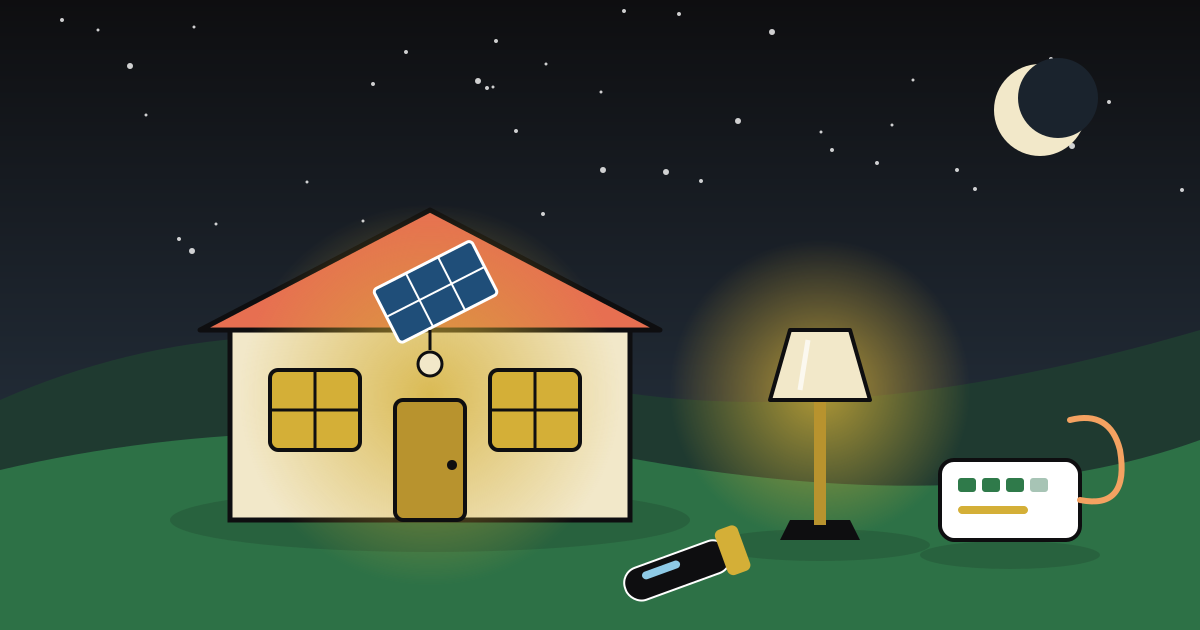
In a home where the grid power is weak or goes off for days, evenings can be hard. Children cannot study, cooking is done by dim light and a phone that runs flat means no news and no calls.
This checklist helps you build a simple light backup: solar lamps that charge in the day, power banks for phones, efficient bulbs and a few safety items. It is not a full solar system. It is a first step that fits a small budget.
Because the sun is weaker in the rainy seasons, plan for backup charging. We list small things that make a difference, such as spare batteries and cables. For a bigger system, ask a qualified solar technician.
Who it's for
Families in rural or hill homes where the grid is weak, slow or often off
Time needed
One weekend to set up, five minutes a day to maintain
When to shop
Before the long evenings of the rainy seasons, when the sun is weaker
On the list
22 items, 8 must haves
0 of 22 ready
Solar and rechargeable lights
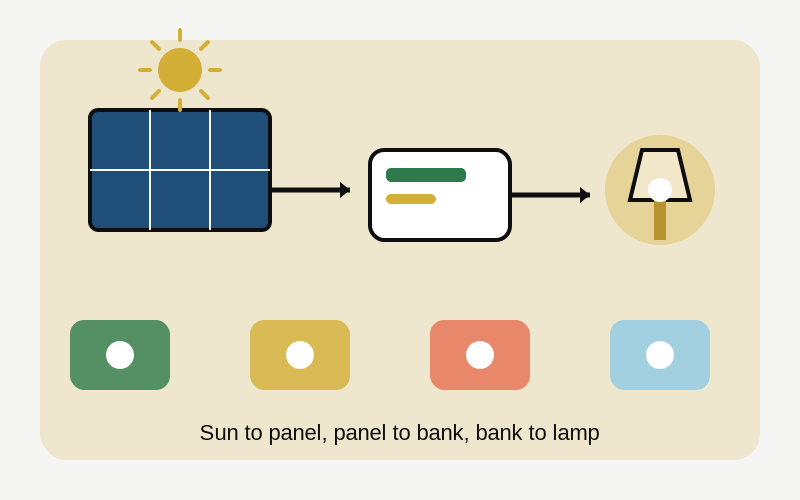
The core of your backup. Solar lamps charge in the sun and shine at night with no fuel.
Solar lamp
2 to 4 Must haveA solar lamp charges outside during the day and gives clean light at night. It is a safer replacement for kerosene or candles.
How to use it: Put it in direct sun for most of the day, not behind glass. Check how many hours it lasts on a full charge.
Rechargeable emergency light
1 or 2 Must haveIt charges from the grid when power comes and keeps shining when it goes off.
How to use it: Plug it in whenever power is on. Keep it near the family room so it is easy to grab.
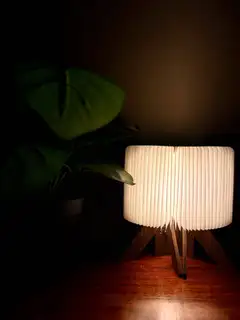 R Book Rechargeable LampRWF36,800
Rechargeable torch
2 Must haveA torch is the first light you reach for in a power cut. Rechargeable ones save on batteries.
How to use it: Charge it fully each week. Keep it in the same spot so everyone can find it in the dark.
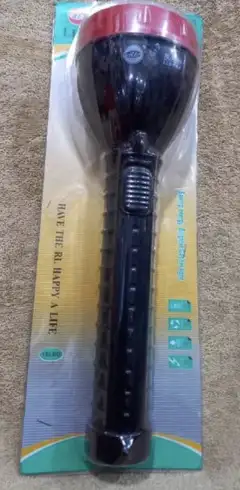 Rechargeable TorchRWF9,500
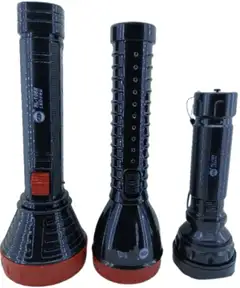 LED Rechargeable Power Torch 1WRWF5,000
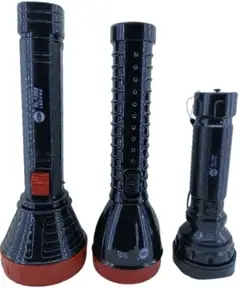 LED Rechargeable Power Torch 1WRWF7,500
Study lamp
1 or 2 Must haveChildren can read and do homework in the evenings with a small, steady lamp.
How to use it: Place it so light falls on the book, not in the eyes. Charge it in the daytime.
Solar sensor light
1Nice to haveA light outside the door or toilet makes night trips safer.
How to use it: Fix it high with a view of the sun. Sensors turn on only when needed so the charge lasts.
Lantern
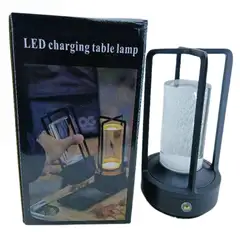
1Nice to haveA solar or battery lantern lights a whole room and can be hung from a hook.
How to use it: Hang it in the center of the room, high up.
 JuicerRWF17,000
 Table Item in AcrylicRWF8,500
Efficient bulbs
If you have some grid power, efficient bulbs give more light from the same weak current.
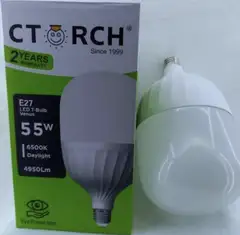
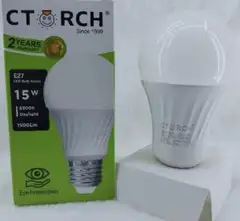
LED bulbs
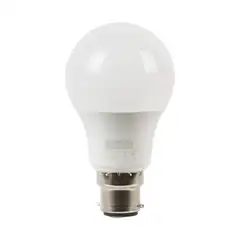
4 to 6 Must haveLED bulbs give bright light using little power, so a weak supply goes further.
How to use it: Replace your most-used bulbs first, in the living room and kitchen. Check that the bulb cap fits your fittings.
Daylight bulbs for work areas
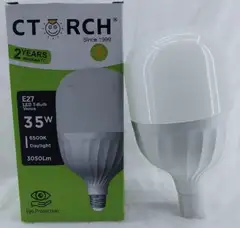
2 to 4Nice to haveDaylight bulbs help in the kitchen and study corner, while warmer light is easier on the eyes in bedrooms.
How to use it: Pick by room. Read the pack for watts and cap type.
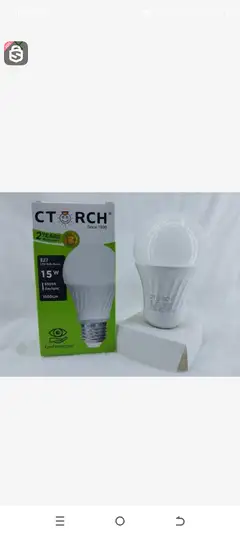 LED Bulb 15W 6500K DaylightRWF4,000
Spare bulbs
2 to 4Nice to haveA bulb that fails on a dark evening is a nuisance, especially if the shop is far away.
How to use it: Keep two spare bulbs of each type in a dry box.
Power for phones and small devices
A charged phone keeps you connected and works as a torch too.
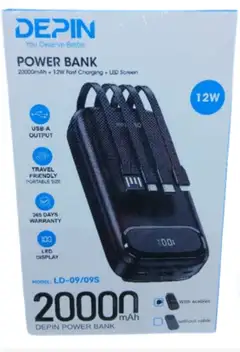
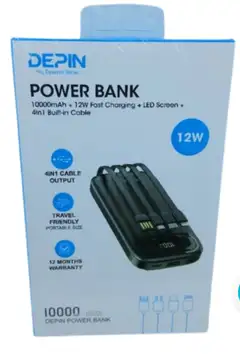
Power bank
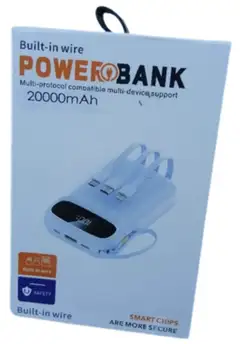
1 or 2 Must haveA power bank stores charge from the grid or from a solar charger and keeps phones alive during long cuts.
How to use it: Charge it fully whenever the grid is on. Check the capacity in mAh. A bigger number lasts longer.
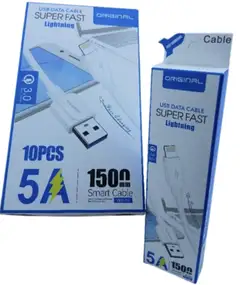
Phone charging cable
2 Must haveCables break often. A spare means the phone is never stuck without a charge.
How to use it: Buy a good cable and keep a spare in the same bag as the power bank.
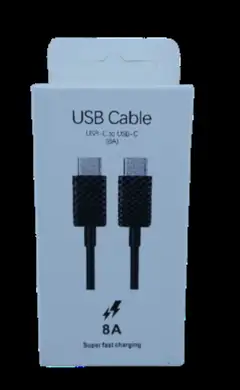 USB Cable 8A Super Fast ChargingRWF4,000
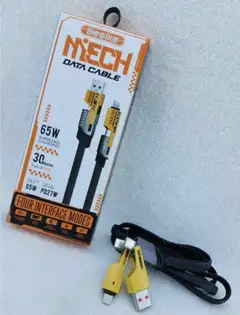 Data Fast CableRWF3,000
Phone charger adapter
1 or 2Nice to haveA charger adapter lets you charge from the wall when power is on.
How to use it: Use the right one for your phone. Cheap adapters can overheat, so check quality.
 JBLE Cup 1000mlRWF30,000
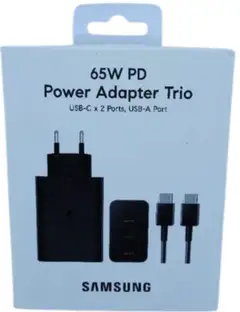 Samsung Power Adapter ChargerRWF10,000
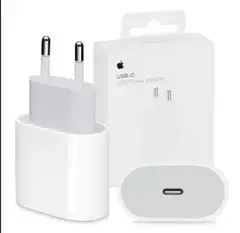 Apple 20W Phone Power Adapter 2 PinRWF60,000
Multi socket
1Nice to haveA multi socket lets the family charge lamps, torches and phones at the same time when power returns.
How to use it: Keep it away from water and out of reach of small children.
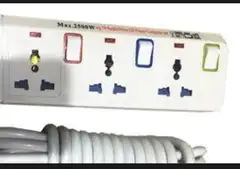 Kidris Multi Socket (3 Ways)RWF9,600
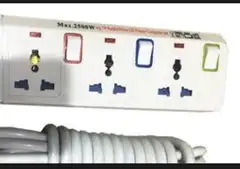 Kadris Multi Socket (6 Ways)RWF14,100
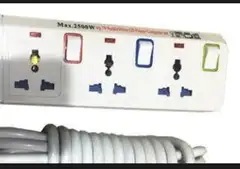 Kadris Multi Socket 4 WaysRWF10,800
Batteries
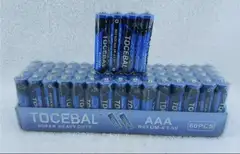
8 to 12Nice to haveAA and AAA batteries run radios and torches. Spare ones help during long cuts.
How to use it: Store them cool and dry. Do not mix old and new together.
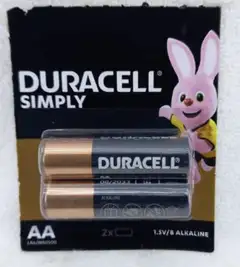
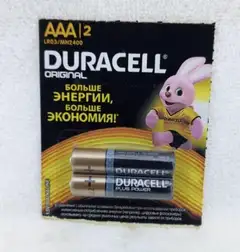 Duracell Original AAA2 BatteriesRWF3,000
Small solar panel charger
1Nice to haveA small panel can charge a phone or lamp when the grid is gone for days.
How to use it: Place it in full sun and tilt it toward the sun. Ask a technician before connecting anything bigger.

Fire safety and last resort light
Open flames are the riskiest source of light. Keep them as a last resort.
Candles
1 packNice to haveThey are only for emergencies, as flames are a fire risk.
How to use it: Always use a holder on a flat surface. Never leave a candle alone or near curtains.
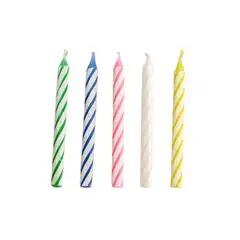 Birthday Candles 12 PiecesRWF3,000

Matches
2 boxesNice to haveNeeded for charcoal or candles. Keep them away from children.
How to use it: Store in a dry, high place.
Candle holders
2Nice to haveThey hold candles upright and stop wax from falling on tables.
How to use it: Place them on stable surfaces away from curtains.
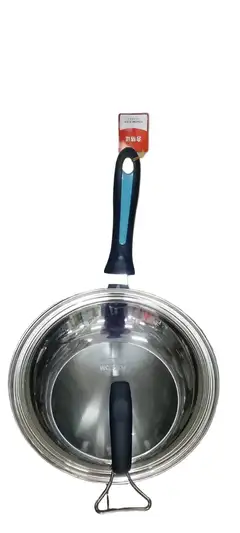
Fire blanket or sand bucket
1Nice to haveIf a flame spills, you need a quick way to put it out.
How to use it: Keep it by the kitchen and teach the family how to use it.







Planning and care
A backup only works if it is charged and looked after.
A daily charging routine
Daily Must havePut lamps and power banks in the sun every morning and on the grid whenever it is on. A routine makes the backup dependable.
How to use it: Ask one family member to check the lamps each day.
A storage box for the kit
1Nice to haveOne box that holds torch, spare batteries, cables and a power bank means everyone knows where to look in the dark.
How to use it: Keep it in the same spot and check it monthly.
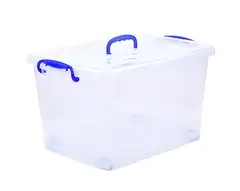 Storage Box 16LRWF23,000
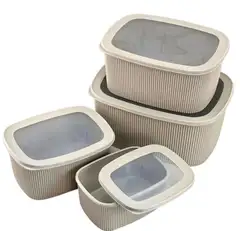 Kitchen Storage Boxes 4 PiecesRWF28,800
Advice from a solar technician
1 visitNice to haveFor a larger system with panels, a battery and wiring, a qualified technician keeps the home safe.
How to use it: Ask for a clear price and what is included before you agree.



Step by step
- 1
List your needs
Count the rooms you use in the evening and which devices must stay on.
- 2
Buy the core
Get two solar lamps, a rechargeable torch, LED bulbs and a power bank.
- 3
Set up the routine
Put lamps in the sun every morning and charge the power bank on the grid.
- 4
Add safety
Keep candles and matches as backup only, with holders and a way to put out a fire.
- 5
Check monthly
Test all lamps, batteries and cables and replace what is weak.
Tips that help
- Put solar lamps in direct sun, not behind a window or under a roof.
- Charge power banks fully whenever the grid is on.
- Check the lamp's burn time in the box before you buy.
- Keep one lamp for children's studying and one for the kitchen.
- Label each lamp with the room it belongs to.
- Wipe dust from the lamp panel often. Red dust blocks the sun.
- Keep spare batteries in a dry box, not in the torch.
Mistakes to avoid
- Leaving solar lamps indoors during the day, so they never charge.
- Using candles as the main light. Flames are a fire risk, especially near children.
- Buying the cheapest cable and having it fail within a week.
- Relying on one light source so everything fails together.
- Connecting large panels without a qualified technician.
Questions people ask
Do solar lamps work in the rainy season in Rwanda?+
They charge more slowly under cloud, so give them a full day and keep a rechargeable torch or power bank as backup. Charge from the grid when it is on.
How long does a solar lamp last at night?+
It depends on the lamp and the charge. Check the hours on the box and charge it in full sun for the best result.
What size power bank should I buy?+
A bigger mAh number holds more charge. A 10000 mAh power bank can charge a phone several times. Pick one you can recharge often.
Are LED bulbs worth it where the grid is weak?+
Yes. They give good light using less power, so weak current goes further and bills usually fall.
Is a candle safe to use at night?+
Only as a last resort. Always use a holder, keep it away from curtains and never leave it alone. A solar lamp or a torch is safer.
A few solar lamps, a power bank and good bulbs can turn dark evenings into time for homework, cooking and family. Shop the list on Isokko and have it delivered.
Shop this list
Get everything delivered in Kigali
Order from local stores on Isokko and pay with MoMo, card or cash. Same-day delivery.