
Checklist · Sports & fitness
Starting to Run in Kigali's Hills: What to Buy Checklist
Starting to run in Kigali's hills? A checklist of shoes, water, sun and safety gear, plus recovery items and tips to start slowly and stay safe.
Updated November 24, 2026 · By Isokko
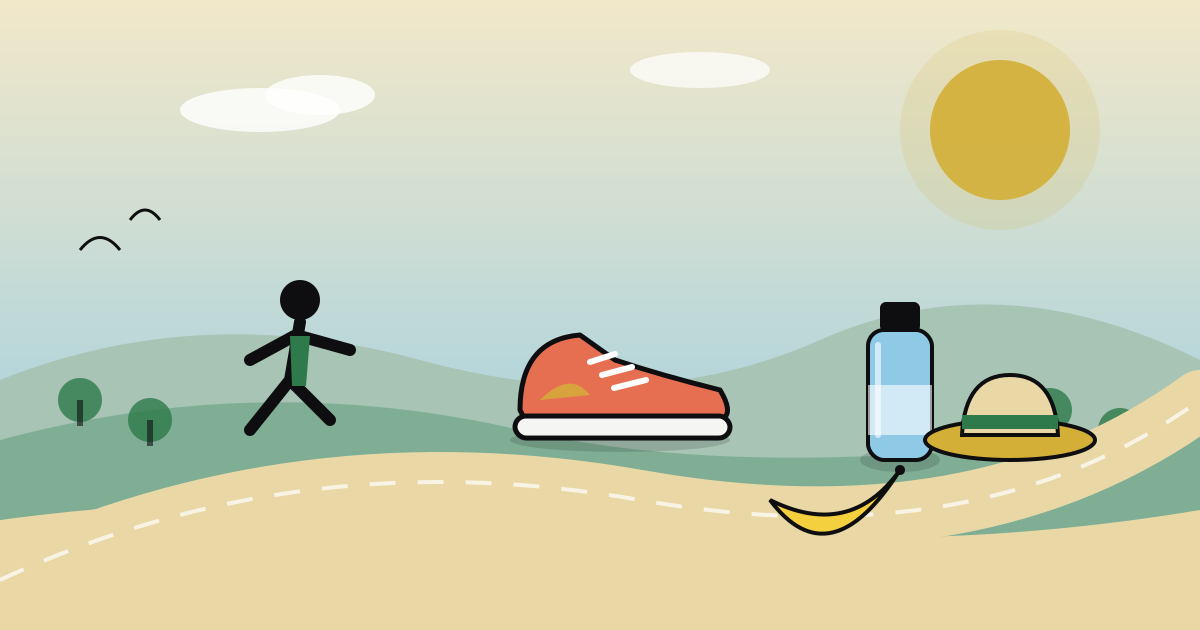
Kigali is a city of hills, which makes running here a great workout and also a challenge. Climbs are steep, the air is thinner at this height, and the sun is strong in the dry season.
You do not need a lot of gear to start. You need good shoes, water, sun protection, a few safety items and a plan to start slow. This checklist helps you buy what matters and skip what does not.
If you have a health condition, feel dizzy or have chest pain, see a doctor before you start running.
Who it's for
Beginners who want to start running on Kigali's hills and roads
Time needed
Shop in 1 day, then start with 3 short runs a week
When to shop
Before your first run. Shoes first, the rest as you go
On the list
22 items, 9 must haves
0 of 22 ready
Shoes and clothes
Good shoes protect your knees and feet on steep climbs and downhill sections.
Running shoes
1 pair Must haveRunning shoes cushion each step and give grip on slopes. Fashion shoes can hurt your feet and knees.
How to use it: Try shoes in the afternoon when feet are a bit bigger. Leave a thumb of space at the toes.
 Nike Vomero 18 Plus Running ShoesRWF63,250
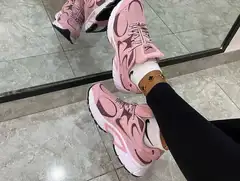 Nike V5 RNR Running ShoesRWF49,450
Light T-shirt
2 Must haveA light shirt keeps you comfortable and dries fast.
How to use it: Choose a light color for the sun. Avoid thick cotton in hot weather.
Sports bra
1 to 2Nice to haveGood support makes running more comfortable for women.
How to use it: Check the fit by jumping in front of a mirror. Replace it when it loses shape.





Water and fuel
At altitude and in the sun, you lose water quickly. Plan for it before and after a run.
Water bottle
1 Must haveCarry water so you can drink during longer runs and after you finish.
How to use it: Take small sips on longer runs. Rinse the bottle each day.

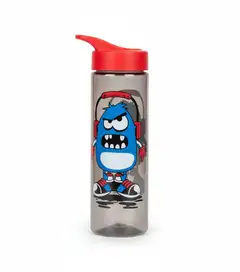

Mineral water
1 packNice to haveA cold bottle waiting at home is a good reward after you finish.
How to use it: Drink slowly after the run. Keep a few bottles in the fridge.
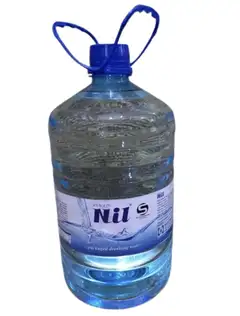 Nil Mineral Water 5LRWF4,500
 Inyange Mineral Water 500mlRWF1,100
Bananas
3 to 5 Must haveA banana is an easy snack before a run and gives quick energy.
How to use it: Eat one about thirty minutes before. Do not try new foods on a big run day.
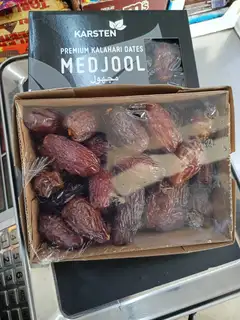
Dates
1 packNice to haveA quick sweet snack that fits in a pocket for longer runs.
How to use it: Take two or three dates on a long run. Chew slowly and drink water.
Oats
1 packNice to haveOats make a filling breakfast before a morning run.
How to use it: Cook with water or milk. Eat at least an hour before you run.
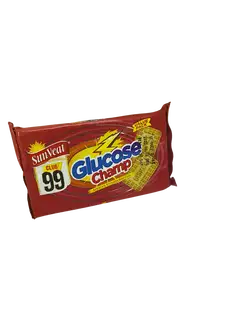
Glucose biscuits
1 packNice to haveA small treat for energy if you feel weak after a run.
How to use it: Eat a few with water. Do not replace meals with biscuits.











Sun and weather
Kigali's sun can be strong even when it feels cool. Protect your skin and eyes.
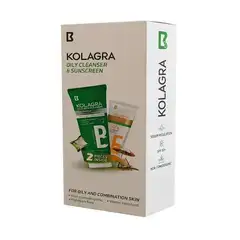
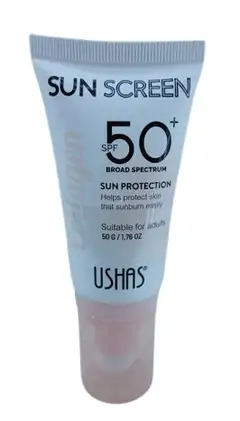
Sunscreen
1 Must haveProtects your face, neck and arms on sunny days.
How to use it: Put it on 15 minutes before you go out. Reapply for long runs.
Sun hat or cap
1Nice to haveShades your face and keeps sun out of your eyes.
How to use it: Choose a light hat that stays on your head. Wash it often.
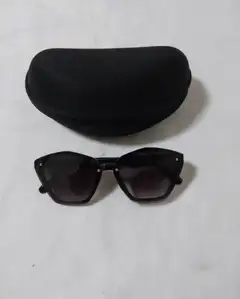
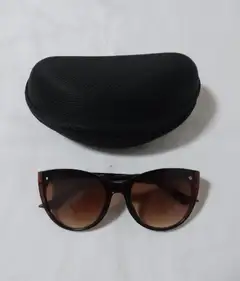
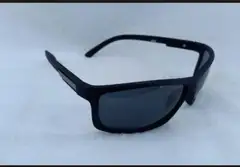
Sunglasses
1Nice to haveProtect your eyes from sun and dust on open roads.
How to use it: Choose a pair that sits firmly on your nose. Check that they have UV protection.
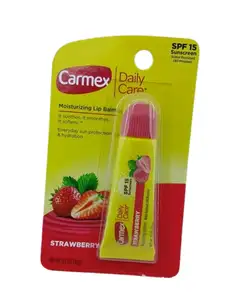
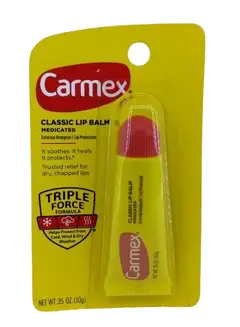
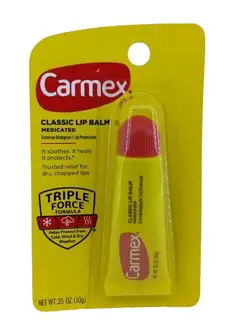
Lip balm
1Nice to haveDry season air and wind dry the lips fast.
How to use it: Apply before you go. Keep it in a small pocket.




Safety on the road
Many roads in Kigali are narrow and busy. Make sure people can see you and you know where you are.
Small torch
1 Must haveUseful for early morning or evening runs when it is dark.
How to use it: Hold it in your hand and point it at the ground. Check the battery before you leave.
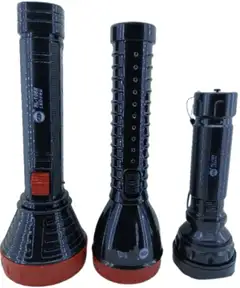 LED Rechargeable Power Torch 1WRWF5,000
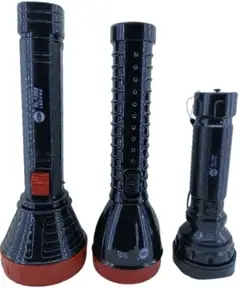 LED Rechargeable Power Torch 1WRWF7,500
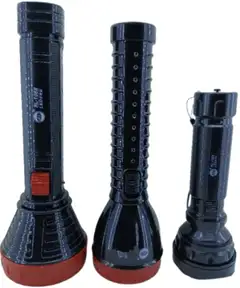 LED Rechargeable Power Torch 1W BigRWF10,000
Reflective vest
1 Must haveHelps drivers and moto riders see you in low light.
How to use it: Wear it over your shirt. Choose a bright color.
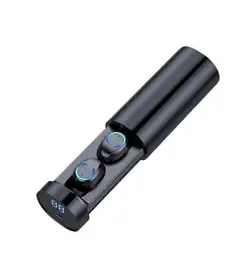
Earbuds
1Nice to haveMusic helps some runners, but keep the volume low or use one ear.
How to use it: Choose sports earbuds that stay in place. Never run with both ears covered on busy roads.


Comfort and recovery
The first weeks can be sore. Take care of your body so you can keep going.
Petroleum jelly
1Nice to haveReduces rubbing between thighs, under arms and on feet.
How to use it: Apply a thin layer before running on areas that rub.
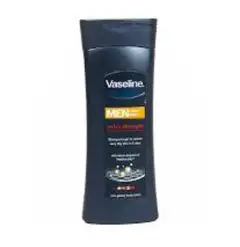 Vaseline Men Body Lotion 400mlRWF8,000
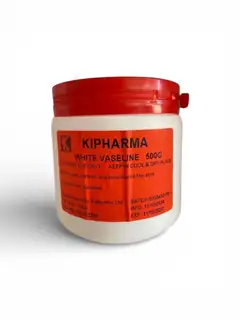 Kipharma White Vaseline 500gRWF10,700
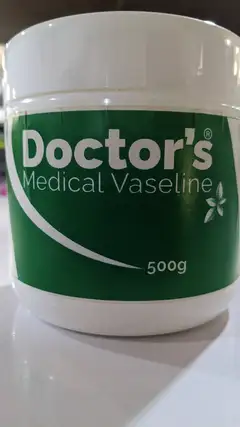 Doctor's Medical Vaseline 500mlRWF9,200
Plasters
1 box Must haveBlisters can stop a new runner. Cover them early.
How to use it: Clean the skin and dry it. Place the plaster over the sore spot.
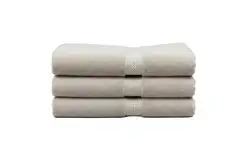
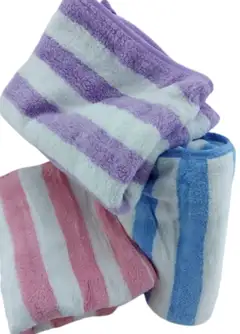
Towel
1 Must haveA small towel for your face and neck after the run.
How to use it: Use a clean one each day. Hang it to dry.
Massage oil
1Nice to haveA gentle rub helps tired legs relax after a hard day.
How to use it: Use light pressure and avoid sore joints. See a doctor for lasting pain.
 Lavender Massage Oil 1000mlRWF15,000
 Lavender Massage Oil 1000mlRWF16,000
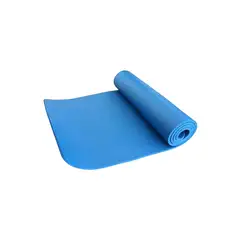
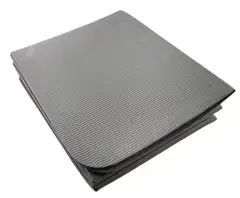
Yoga mat
1Nice to haveA mat for stretching after a run helps loosen tight muscles.
How to use it: Stretch gently for five to ten minutes. Do not bounce.
Skipping rope
1Nice to haveA rope for rainy days when you cannot run outside.
How to use it: Start with a minute at a time. Jump on a flat surface.
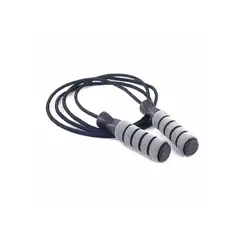 Skipping RopeRWF5,500
 Jump RopeRWF3,000



Step by step
- 1
Week one
Walk and run for 20 minutes, three days a week. Run for one minute, walk for two, and repeat.
- 2
Week two
Run a bit more each time, such as two minutes of running and one minute of walking.
- 3
Weeks three and four
Keep adding running time. Choose flat roads first before you try big hills.
- 4
Add hills slowly
Walk up steep hills at first. Use short steps and keep your head up.
- 5
Rest and recover
Rest one or two days a week. Eat well, sleep well and stretch.
Tips that help
- Start with walk and run intervals, not a full run.
- Walk up steep hills. This is normal, even for experienced runners.
- Run in the early morning or late afternoon to avoid the midday sun.
- Go slow enough to talk. If you cannot talk, slow down.
- On roads without a sidewalk, face the traffic and stay aware of motos.
- Tell a friend where you are going, or run with a group.
- Replace shoes when they are worn flat.
- Avoid new shoes on a long run. Break them in first.
Mistakes to avoid
- Starting too fast and too far in the first week.
- Running in old, worn or fashion shoes.
- Forgetting water on hot days.
- Ignoring pain that keeps getting worse. See a doctor.
- Running at night without lights or reflective gear.
Questions people ask
Is running in Kigali hard because of the hills?+
Yes, at first. The hills are steep and Kigali sits high above sea level. Start with walk and run intervals and add hills slowly.
What shoes should a beginner buy for running?+
Buy shoes made for running, with cushioning and grip. Try them on in the afternoon and leave space at the toes.
How often should I run as a beginner?+
Three days a week is a good start. Leave a rest day between runs while your body gets used to it.
What should I eat before a morning run?+
A banana or a small bowl of oats about 30 to 60 minutes before is enough for many people. Drink water too.
Is it safe to run alone in Kigali?+
Many people run alone, but take sensible care. Choose well lit roads, wear reflective gear and tell someone your route.
Running in Kigali's hills gets easier every week. Start with good shoes, water and safety gear, go slowly, and shop the list on Isokko.
Shop this list
Get everything delivered in Kigali
Order from local stores on Isokko and pay with MoMo, card or cash. Same-day delivery.