
Checklist · Cooking & meals
Cooking for One in Kigali: Small Kitchen Shopping Checklist
A cooking for one shopping list for small Kigali kitchens: small packs, freezer friendly proteins, quick meals and the few tools you need to eat well without waste.
Updated November 15, 2026 · By Isokko
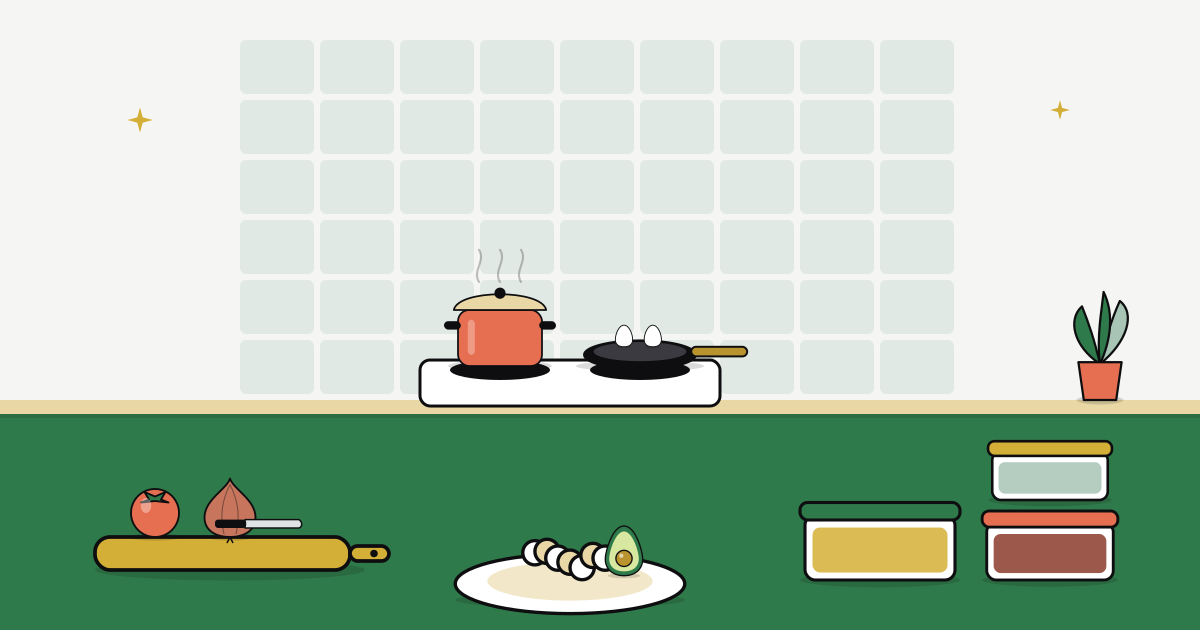
Cooking for one in Kigali has its own problems. Packs are sized for families, the fridge is small or shared, and after a long day it is easier to order brochettes than to cook. But a few smart buys make home cooking cheaper and faster than delivery.
This checklist focuses on small packs, foods that keep, proteins you can freeze in single portions, and a short list of tools that fit on one counter and a two plate stove. Everything here works in a studio, a hostel room with a hot plate, or a shared house.
Cook once, eat twice is the rule. Make enough for dinner and tomorrow's lunch, and you halve your cooking time.
Who it's for
Singles, students and young professionals in studios or shared apartments in Kigali
Time needed
15 to 25 minutes per meal, one hour of prep at the weekend
When to shop
Dry goods every month, fresh food once a week in small amounts
On the list
24 items, 15 must haves
0 of 24 ready
Small pantry basics
Buy the smallest sensible size so nothing goes stale before you finish it.
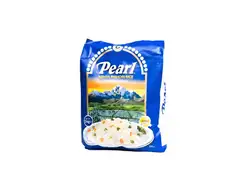
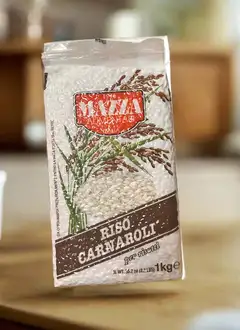
Rice
1 to 2 kg Must haveRice keeps for months and goes with everything you will cook.
How to use it: A 1 or 2 kg bag lasts one person a few weeks. Cook two portions at a time and keep one for tomorrow.
Spaghetti or pasta
2 packs Must haveThe fastest real meal: ten minutes of boiling and a quick sauce.
How to use it: Toss with fried onion, tomato and a tin of tuna for a full meal.
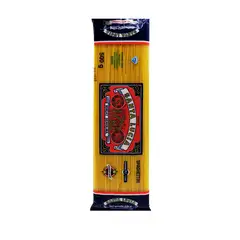 Santa Lucia Spaghetti 500grRWF7,500
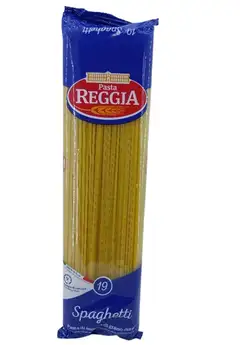 REGGIA 19 Spaghetti 500grRWF4,100
 Garofalo 9 Spaghetti 500grRWF6,900
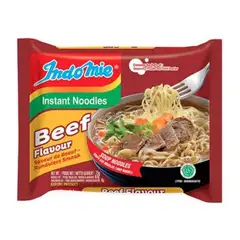
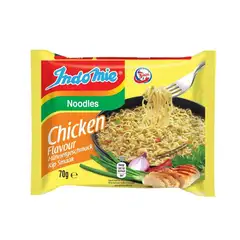
Instant noodles
5 packsNice to haveA backup for very late nights.
How to use it: Add an egg and some chopped greens to make it a proper meal.
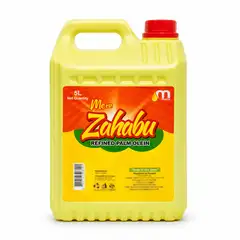
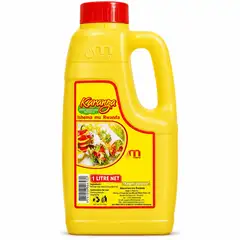
Small bottle of cooking oil
1 litre Must haveYou need oil for almost everything, but a huge bottle takes space.
How to use it: A 1 litre bottle lasts one person about a month.
Salt, cubes and one spice
1 each Must haveThese three turn plain food into something tasty.
How to use it: Start with salt, seasoning cubes and curry powder. Add more spices as you learn.
 Maggi CubesRWF2,750
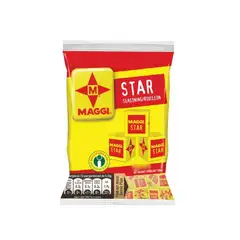 Maggi Cubes 39 pcs 156gRWF2,750
Peanut butter
1 jarNice to haveBreakfast, a snack and an instant sauce base.
How to use it: Spread on bread, or stir a spoon into a vegetable stew for richness.
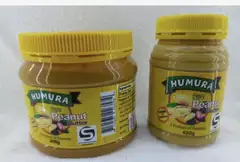 Humura peanut butter 800grRWF12,000
 Nuty&more (peanut butter)800gRWF12,000





Proteins that keep
Freeze proteins in single portions so you only thaw what you need.
Eggs
10 to 30 Must haveThe most useful food for one person. Breakfast, dinner, and they keep well.
How to use it: Buy 10 or a small tray depending on how often you cook. Eat within two to three weeks if kept cool.
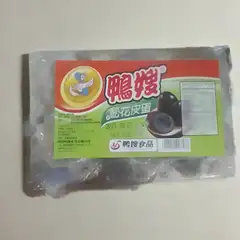
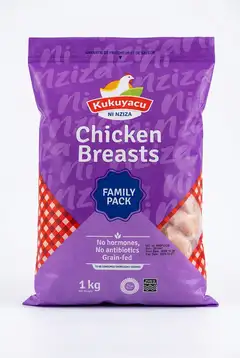
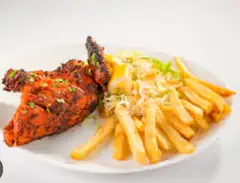
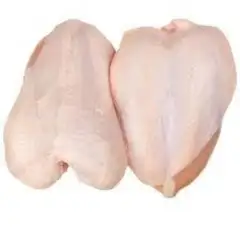
Chicken breast
1 kg Must haveLean, quick cooking and easy to portion.
How to use it: Cut into single portions as soon as you get home, bag them and freeze. Thaw in the fridge overnight.
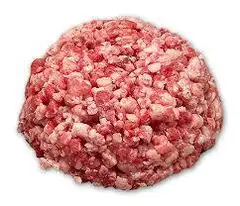
Minced meat
500 gNice to haveCooks in ten minutes and works in pasta, rice and chapati wraps.
How to use it: Split a 500 g pack into two or three bags before freezing.
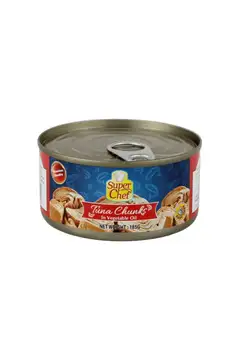
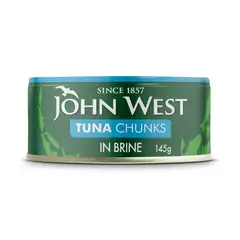
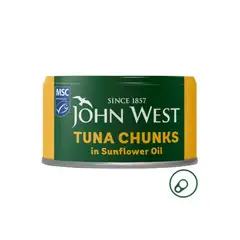
Canned tuna or sardines
3 to 4 tins Must haveProtein that needs no fridge and no cooking.
How to use it: Mix with onion, tomato and lemon on rice, bread or pasta.
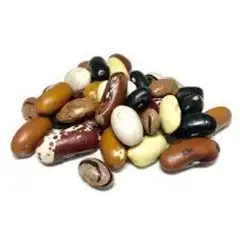
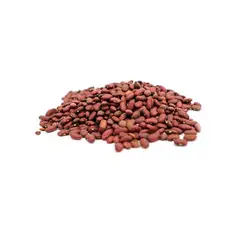
Dry beans or baked beans
1 kg or 3 tins Must haveBeans are cheap protein. Tins save time if you cook alone.
How to use it: Cook a full pot of dry beans once and freeze in single portions, or keep tins for quick meals.





Fresh food in small amounts
Buy fresh food weekly and only what you will finish. Hardy vegetables first.
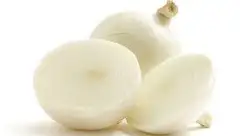
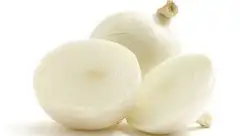
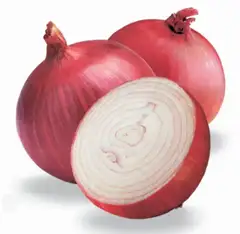
Onions
500 g to 1 kg Must haveThe base of almost every sauce.
How to use it: Buy about half a kilo a week. Keep them dry and out of the fridge.
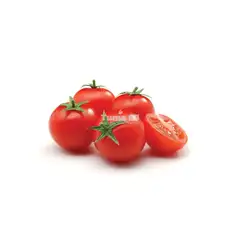
Tomatoes
500 g to 1 kg Must haveFor sauces and quick salads.
How to use it: Buy a few at a time. Keep the extras in the fridge once ripe.
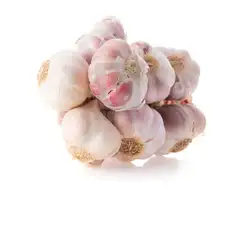
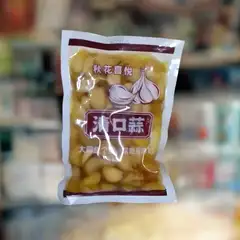
Garlic
1 bunchNice to haveSmall, keeps for weeks and adds big flavor.
How to use it: Peel a few cloves and keep them in a little jar of oil in the fridge.
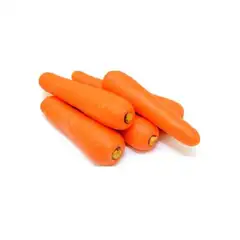
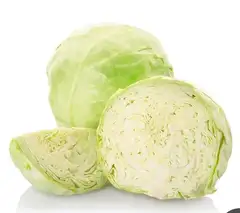
Carrots and cabbage
1 kg carrots, 1 small cabbage Must haveThey last a week or more and stretch any meal.
How to use it: Grate carrot into rice or eggs. Shred cabbage for a two minute stir fry.
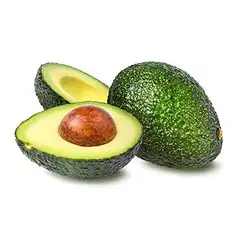
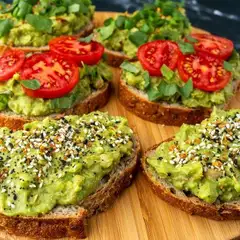
Avocados
3 a weekNice to haveInstant flavor on rice, bread or eggs.
How to use it: Buy one ripe and two hard so they ripen over the week.
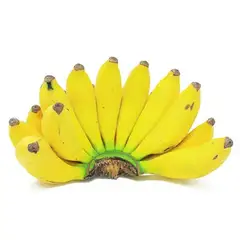
Bananas or seasonal fruit
Small bunchNice to haveAn easy snack and breakfast.
How to use it: Buy a small bunch, not a big one, so they do not overripen.
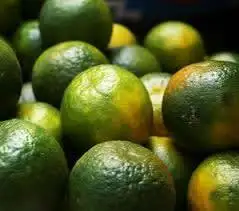 Local tangerine(Mandeline) 1kgRWF3,500
Bread
1 loafNice to haveBreakfast and quick dinners with eggs.
How to use it: Freeze half the loaf and toast slices straight from frozen.
 Simba Sweet Sliced BreadRWF2,000
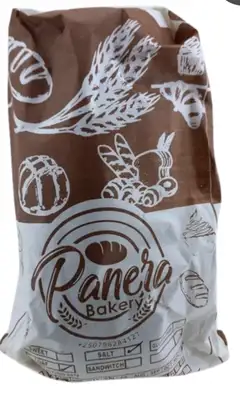 Panera Sweet Sliced BreadRWF2,000
 Rwanda Women Bakery Sliced BreadRWF2,000




Tools for a small kitchen
Fewer, better tools. Everything here fits on one shelf.
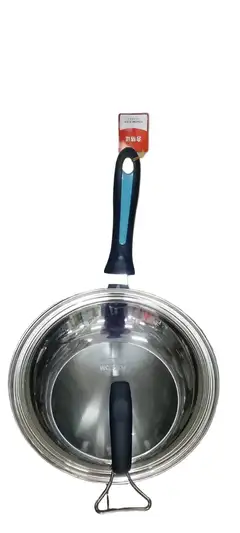
Medium saucepan with lid
1 Must haveBoils rice, pasta, eggs and stews. You can cook almost anything in one good pot.
How to use it: Choose a heavy base about 2 to 3 litres, enough for two portions.
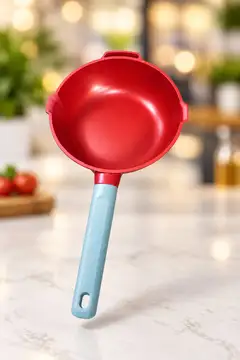 Red Non-Stick SaucepanRWF15,000
 Granite Milk Pan / SaucepanRWF12,000
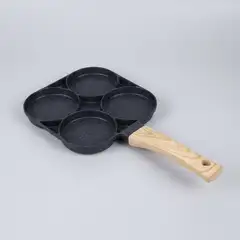
Non stick frying pan
1 Must haveEggs, stir fries and reheating leftovers.
How to use it: A 24 to 26 cm pan is the right size for one or two people.
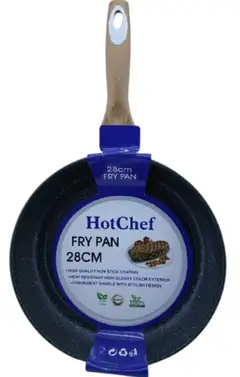 HotChef 26cm Fry PanRWF25,000
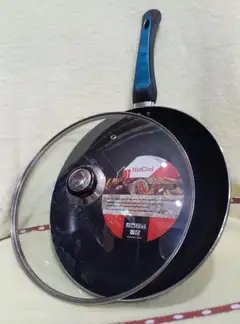 Hot chef PANRWF20,000
Chopping board and knife
1 each Must haveYou cannot cook well with a blunt knife on a plate.
How to use it: A medium plastic board is easy to wash in a small sink.
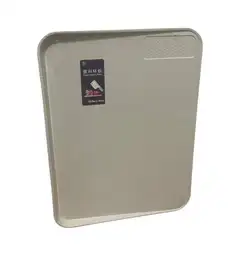 Plastic Chopping BoardRWF13,800
 Cake knife and Server SetRWF6,000
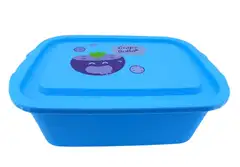
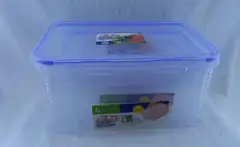
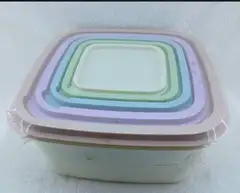
Food containers
4 to 6 Must haveFor leftovers, lunches and freezer portions.
How to use it: Get a few single portion boxes that stack in a small fridge.
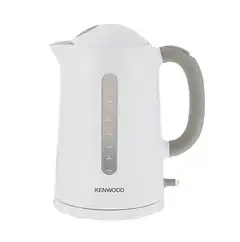
Electric kettle
1Nice to haveTea, coffee, noodles and quick boiling water to speed up pasta.
How to use it: Descale it with vinegar every month or two if your water leaves deposits.

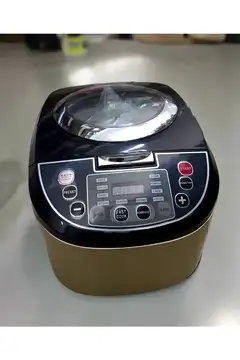
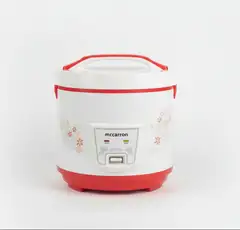
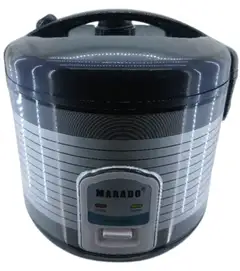
Rice cooker
1Nice to haveSet it and forget it. Useful if you only have one stove plate.
How to use it: A small cooker also steams vegetables and keeps food warm.


Step by step
- 1
Stock the basics once
Buy rice, pasta, oil, salt, cubes, one spice and a few tins. This is your safety net.
- 2
Weekly fresh shop
Every weekend order eggs, onions, tomatoes, one or two vegetables, fruit and bread in small amounts.
- 3
Portion and freeze proteins
When chicken or minced meat arrives, split it into single portions and freeze right away.
- 4
Cook once, eat twice
Each time you cook, make two portions. Eat one, box the other for lunch or the next night.
- 5
Clear the fridge weekly
Before the next shop, cook whatever is left into a fried rice or omelet so nothing is wasted.
Tips that help
- Freeze in flat bags so portions thaw quickly in the evening.
- Keep a few no cook meals for power cuts: tuna, bread, avocado and fruit.
- Share a big pack of rice or oil with a housemate to get better value.
- Fried rice with an egg and leftover vegetables is the best use of last night's rice.
- Label shelves in a shared fridge so your food does not disappear.
- Cook beans in a big batch once a month and freeze portions.
Mistakes to avoid
- Buying family sized fresh produce that rots before you finish it.
- Freezing a whole kilo of chicken in one block.
- Owning ten gadgets but no good knife.
- Ordering out every time you are tired instead of keeping easy backups at home.
Questions people ask
What should a single person buy for groceries in Kigali?+
Start with rice, pasta, eggs, onions, tomatoes, oil, salt, cubes, a few tins of tuna or beans, and some fruit. Add chicken or minced meat you can freeze in portions.
How can I cook for one without wasting food?+
Buy fresh food weekly in small amounts, freeze proteins in single portions and cook two servings at a time so tomorrow's lunch is ready.
What can I cook with only one hot plate?+
Pasta with sauce, fried rice, omelets, stews in one pot and noodle bowls all work on one plate. A rice cooker frees up the hot plate for the rest.
Is it cheaper to cook than to order food in Kigali?+
Usually yes, especially if you cook basics like rice, beans and eggs and avoid waste. Delivery is great for treats, but home cooking costs less per meal.
Cooking for one is not about fancy recipes. It is about a few good tools, a small stocked shelf and smart portions. Order this list on Isokko, keep it simple, and enjoy proper home food even on your busiest weeks.
Shop this list
Get everything delivered in Kigali
Order from local stores on Isokko and pay with MoMo, card or cash. Same-day delivery.