
Checklist · Cooking & meals
Cooking Traditional Rwandan Isombe at Home: What to Buy
Cook traditional Rwandan isombe at home with this checklist: cassava leaves, eggplant, peanut flour, palm oil and the right tools.
Updated November 17, 2026 · By Isokko
Isombe is one of the best loved dishes in Rwanda: cassava leaves cooked slowly until soft, with onion, eggplant, ground peanuts and a little oil. It is often served with rice, potatoes, cassava or green bananas at family meals and celebrations.
It takes time more than skill. This checklist gives you the ingredients, the tools and the sides, and shows where you can save time with ready prepared cassava leaves from the shop.
Every family has its own way. Use this as a base and adjust the amounts to your taste and your pot size.
Who it's for
Anyone in Kigali who wants to cook isombe at home, from first timers to homesick cooks
Time needed
About 2 to 3 hours with fresh leaves, much less with ready leaves
When to shop
The day before or the same morning, so the leaves are fresh
On the list
31 items, 11 must haves
0 of 31 ready
The leaves
Cassava leaves are the heart of isombe. You can start from fresh, frozen, ground or ready cooked leaves.
Fresh or frozen cassava leaves
1 kg for 4 people Must haveThe leaves are the main ingredient. Frozen leaves save you pounding and washing time.
How to use it: Thaw frozen leaves in a bowl. Squeeze out extra water before cooking.
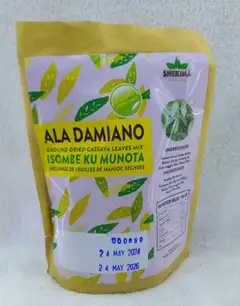
Ground dried cassava leaves
200 g packNice to haveA convenient choice when you do not have time to pound fresh leaves.
How to use it: Follow the pack instructions. Soak or rinse as it says and cook until soft.
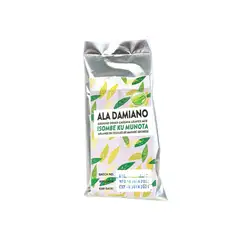 ALA Damiano Isombe 200grRWF6,000
 IsombeRWF16,000
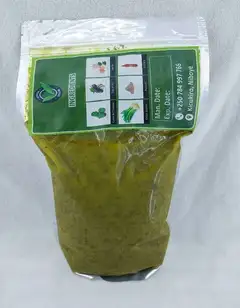
Ready cooked cassava leaves
1 packNice to haveA fast option for a busy day, you only need to warm it and add flavor.
How to use it: Heat gently with onion and a little oil. Taste before adding salt.
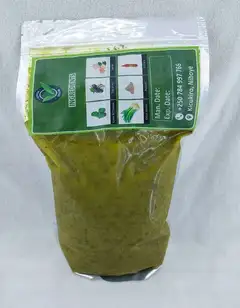 Cooked cassava leaves 1.220kgRWF4,000


Vegetables and flavor
These give isombe its taste. Fry or soften them before the leaves go in.
Eggplant
2 to 3 Must haveEggplant gives a soft body to the dish and soaks up flavor.
How to use it: Cut into small cubes and add with the onions so it softens well.
 Eggplant 1 PieceRWF1,000

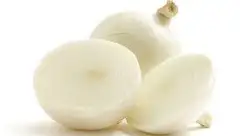
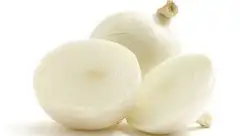
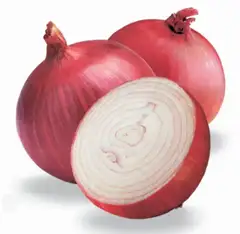
Onions
3 to 4 Must haveOnions are the base of the flavor in nearly every Rwandan sauce.
How to use it: Chop fine and cook until soft and light gold before other ingredients.
Green pepper
2Nice to haveGreen pepper adds freshness and a mild, sweet taste.
How to use it: Slice or dice small and add with the onion.
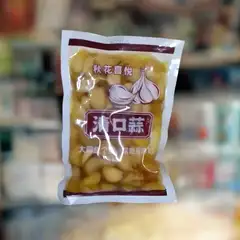
Garlic
1 bulbNice to haveA little garlic adds depth to the sauce.
How to use it: Crush it and add near the start so it does not burn.
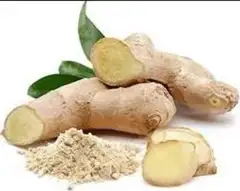
Fresh ginger
1 small pieceNice to haveGinger gives a warm note, and many cooks add a small piece.
How to use it: Grate a small amount into the pot. Too much will take over the dish.
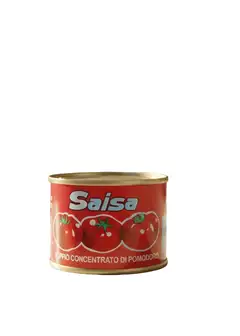
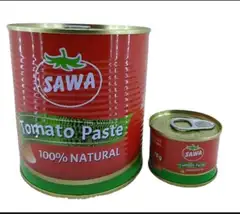
Tomato paste
1 small tinNice to haveA spoon of paste gives color and a slightly sweet, rich taste.
How to use it: Cook it for a minute with the onions before adding water.









Oil, peanuts and seasoning
Fat and ground peanuts make isombe creamy. Palm oil gives the traditional color and taste.
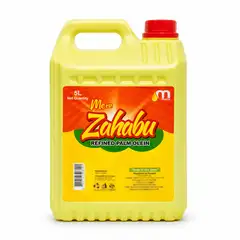
Palm oil
1 small bottleNice to havePalm oil gives isombe its classic taste and orange tint. If you cannot find it, use cooking oil.
How to use it: Add a small amount near the end. It is rich, so go easy.
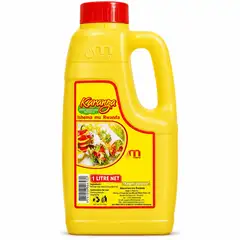
Cooking oil
500 ml Must haveYou need oil to soften the onions and vegetables.
How to use it: Heat gently. Do not let the onions turn dark brown.
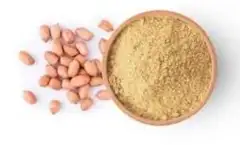
Peanut flour
500 g Must haveGround peanuts make the sauce thick and creamy, and add protein.
How to use it: Mix with a little cold water first to avoid lumps, then stir into the pot.
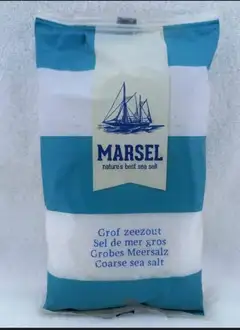
Salt
1 pack Must haveIsombe needs salt, but add it at the end because the sauce reduces.
How to use it: Taste after the leaves are soft. Add a pinch at a time.
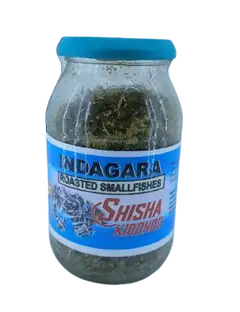
Small dried fish (indagara)
250 gNice to haveSome families add small fish for flavor and protein. This is optional.
How to use it: Clean well and cook in the sauce. Skip it if you want a vegetarian dish.
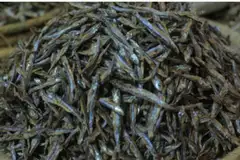 Indagara (indundi) 1kgRWF33,800
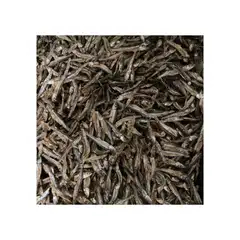 Indagara freshRWF13,500
Mixed spices
1 small packNice to haveA light touch of spice can bring out the flavor for those who like it.
How to use it: Use a small pinch only. Traditional isombe is not heavily spiced.
 Tropical heat Mixed Spices 50grRWF2,300
 Tropical heat Mixed Spices 50grRWF4,000
 Mixed spices tropical heat 50gRWF2,500





Cooking tools
Isombe cooks slowly and sticks if you are not careful. Good tools make it easier.
Large cooking pot
1 Must haveA big pot with a lid lets the leaves cook slowly without drying out.
How to use it: Use a heavy pot if you can and keep the heat low. Stir now and then.
 Aluminum Cooking Pot 1pcRWF15,000
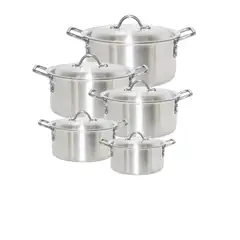 Cooking Pot set/5pcsRWF55,000
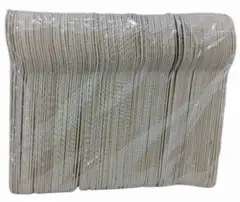
Wooden spoon
1 Must haveA wooden spoon is gentle on the pot and stirs thick sauces well.
How to use it: Scrape the bottom as you stir to avoid sticking.
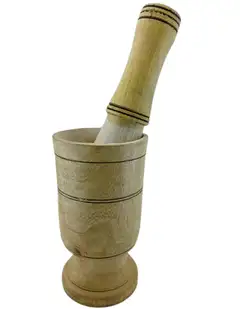
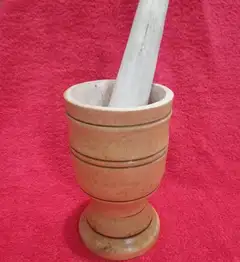
Mortar and pestle
1Nice to haveTraditional for pounding fresh leaves and crushing garlic and peanuts.
How to use it: Pound in small batches. Wash and dry fully after use.
Kitchen knife
1 Must haveYou need a sharp knife for the eggplant, onions and peppers.
How to use it: Cut the vegetables the same size so they cook evenly.
Chopping board
1 Must haveIt protects your counter and speeds up cutting.
How to use it: Wash well after cutting onions and garlic so smells do not spread.
 Plastic Chopping BoardRWF13,800
Colander
1Nice to haveWashed leaves need to drain well before cooking.
How to use it: Rinse leaves in the colander and let the water run off completely.
Measuring cup
1Nice to haveIt helps you add the right amount of water and peanut flour.
How to use it: Add water little by little. It is easy to add, harder to remove.
 Herevin Measuring Cup 1.48LRWF7,450
 Herevin Measuring Cup 1.46LRWF7,450










Sides to serve with isombe
Isombe is rarely eaten alone. Choose one or two of these starches.
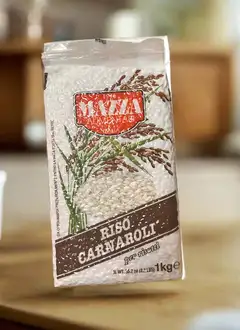
Rice
1 kg Must haveRice is the most common side in town and cooks quickly.
How to use it: Rinse and cook with the right amount of water. Keep it a little firm.
Irish potatoes
1 kgNice to haveBoiled or cooked potatoes go well with the soft, rich sauce.
How to use it: Boil in salted water until just soft.
Green bananas
1 bunchNice to haveGreen bananas (ibitoki) are a classic side with sauces in Rwanda.
How to use it: Peel and steam or boil them until soft.
Cassava
1 kgNice to haveCassava is filling and pairs well with leaf dishes.
How to use it: Peel, remove any hard center, and boil until tender.
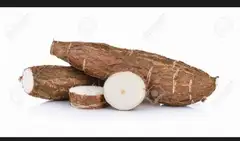 Cassava 1kgRWF1,200
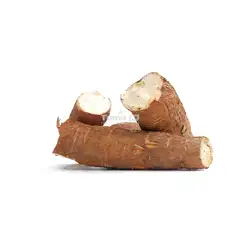 Cassava 1kgRWF1,200
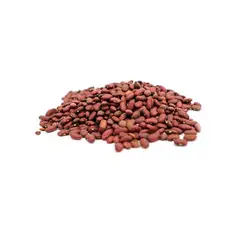
Beans
500 gNice to haveBeans on the side turn this into a complete meal with plenty of protein.
How to use it: Cook beans until soft with a little onion and salt.









Serving and storing
Isombe tastes even better the next day. Keep leftovers safe.
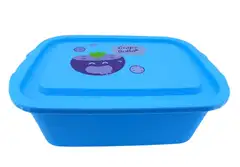
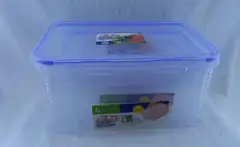
Food containers
2 to 3Nice to haveLeftover isombe keeps well for a short time when cooled and covered.
How to use it: Let it cool, cover and put in the fridge the same day. Reheat until hot.
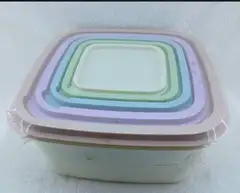
Lunch box
1 or 2Nice to haveIsombe makes a good lunch for work or school the next day.
How to use it: Pack rice and isombe in separate containers so the rice does not go soggy.
Kitchen towels
1 rollNice to haveCassava leaves and palm oil can stain, so paper towels help with spills.
How to use it: Wipe the rim of the pot and the counter right away.
Apron
1Nice to havePalm oil stains clothes badly, so wear an apron while you cook.
How to use it: Choose a washable one and hang it to dry after use.









Step by step
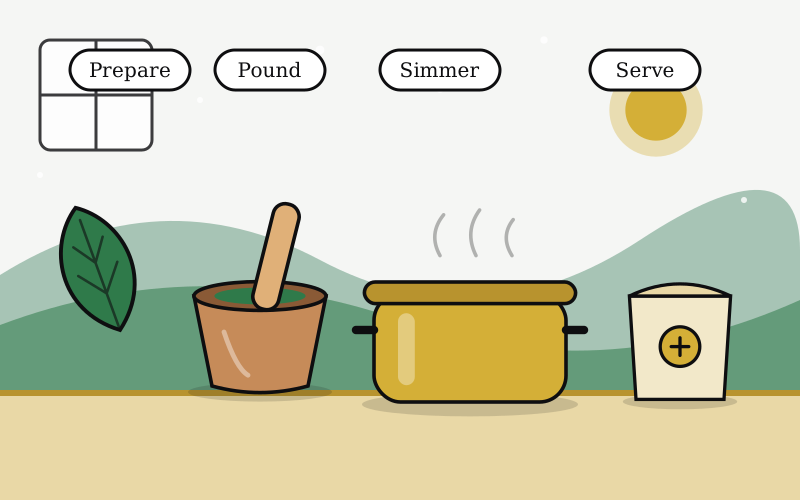
- 1
The day before
Buy the leaves and vegetables. Thaw frozen leaves in the fridge overnight.
- 2
Prepare the leaves
Wash well, drain, and pound or chop if they are fresh. Squeeze out extra water.
- 3
Cook the base
Soften the onion, eggplant, pepper and garlic in oil. Add the leaves and a little water.
- 4
Simmer slowly
Cover and cook on low heat until the leaves are very soft. This can take an hour or more.
- 5
Finish and serve
Stir in peanut flour mixed with water, add palm oil and salt, and cook a little more. Serve hot with rice or potatoes.
Tips that help
- Cook on low heat for the best, soft texture and watch the water level.
- Mix peanut flour with cold water before adding it to avoid lumps.
- Add salt at the end because the sauce reduces as it cooks.
- Taste and adjust. Every family has a different balance of oil and peanut flour.
- Fresh leaves may taste bitter if not cooked long enough, so be patient.
- Make a big pot. Isombe is often better the next day.
- If you use gas, check your cylinder before you start a long cook.
Mistakes to avoid
- Cooking too fast on high heat so that the leaves stay tough or stick.
- Adding peanut flour dry, which makes lumps.
- Salting too early and ending with a dish that is too salty.
- Not washing the leaves well before cooking.
- Using too much palm oil, which can overpower the taste.
Questions people ask
What is isombe made of?+
Isombe is made from cassava leaves, usually cooked with onion, eggplant, ground peanuts and oil. Some cooks add small fish or spices. Recipes differ from family to family.
How long does isombe take to cook?+
Fresh leaves can take an hour or more of slow cooking. Ready prepared leaves are usually much faster. Cook until the leaves are very soft.
What do you eat with isombe?+
Isombe is commonly served with rice, potatoes, cassava or green bananas. Beans are also a popular side.
Can I make isombe without palm oil?+
Yes. Use regular cooking oil. The taste will be a little different and the color lighter, but it will still be good.
Can I use frozen cassava leaves?+
Yes. Thaw them, squeeze out extra water and cook as usual. They save a lot of washing and pounding time.
Is isombe vegetarian?+
It can be. Leave out any fish and use plant oil. Peanut flour adds protein. Check ready made packs for added ingredients.
Isombe takes patience, but the result is worth it for family and friends. Take this list, order the leaves and ingredients on Isokko, and cook a pot that tastes like home.
Shop this list
Get everything delivered in Kigali
Order from local stores on Isokko and pay with MoMo, card or cash. Same-day delivery.