
Checklist · Health & wellness
Heart-Healthy Weekly Grocery List for Kigali: What to Buy
A heart-healthy weekly grocery list for Kigali: whole grains, oils, fish, beans, vegetables and fruit, with tips to plan a week of simple meals.
Updated November 17, 2026 · By Isokko
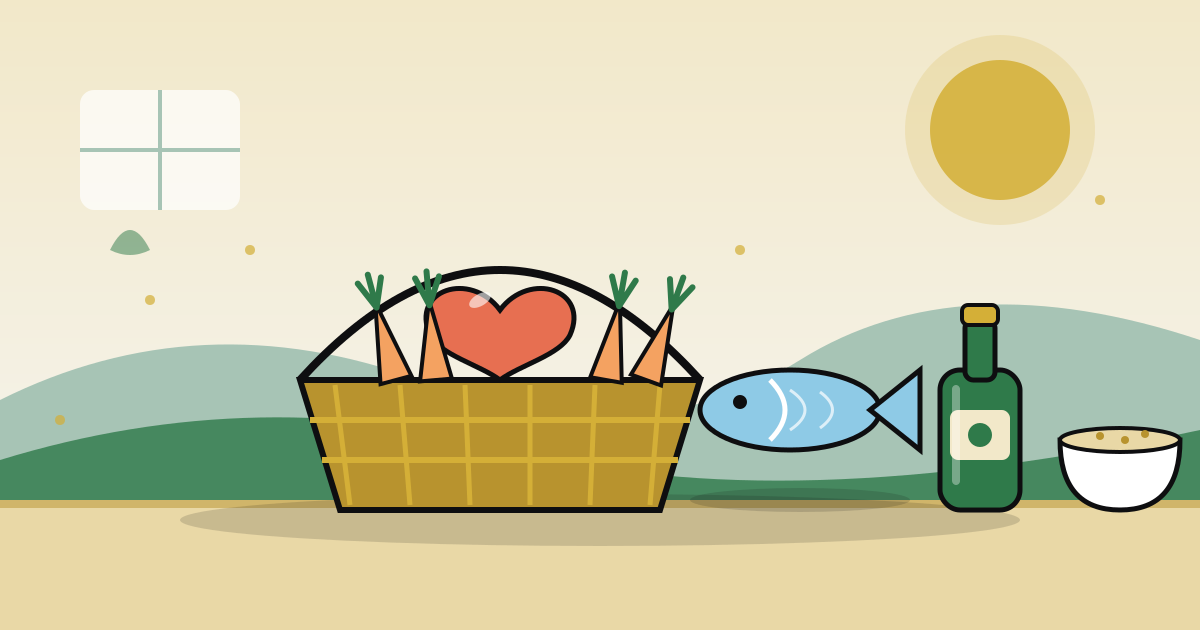
A heart-friendly diet is not about special or expensive foods. In Kigali you already have much of what you need: beans, sorghum, sweet potatoes, fish, greens and fruit. The key is to choose more of these and less of salty, fried and sugary foods.
This weekly list helps you shop with a plan. It is built around whole grains, plant oils, fish, beans, vegetables and fruit. Change the amounts to fit your family and your budget.
This is a shopping guide, not medical advice. If you have heart disease, high blood pressure, diabetes or take medicines, ask your doctor or a dietitian what is right for you.
Who it's for
Anyone in Kigali who wants to eat for a healthier heart, alone or with a family
Time needed
One weekly shop of about 30 minutes to plan and order
When to shop
Plan on the weekend and order fresh items for the week
On the list
43 items, 10 must haves
0 of 43 ready
Whole grains and staples
Whole grains keep you full and are a better base than white and refined foods.
Oats
1 pack Must haveOats make a filling, low sugar breakfast.
How to use it: Cook with water or milk. Top with banana or fruit, not sugar.
Brown bread
1 loafNice to haveBrown bread has more fiber than white bread, which helps you feel full.
How to use it: Check that the label says whole grain or wholemeal. Keep slices in the fridge or freezer to last longer.
Whole wheat flour
1 kgNice to haveUse it for chapati, pancakes and baking in place of some white flour.
How to use it: Mix half and half at first so the family gets used to it.
Red sorghum flour
1 kgNice to haveA local grain that makes filling porridge and ugali.
How to use it: Cook it into porridge or mix with other flours.
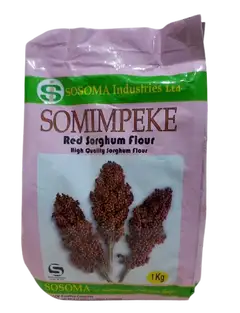 Sosoma Red sorghum Flour 1kgRWF3,200
 Red sorghum flour 1kgRWF1,800
 Sosoma Red sorghum Flour 1kgRWF2,800
Millet flour
1 kgNice to haveAnother traditional grain with a hearty taste.
How to use it: Use for porridge. Mix with milk or add a little honey.
Brown rice
1 kgNice to haveBrown rice has more fiber than white rice.
How to use it: Rinse and cook with a bit more water. Serve smaller portions with beans and vegetables.
 LAL QILLA Brown Basmati Rice 5kgRWF30,000
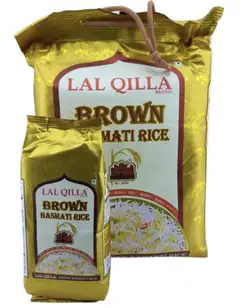 LAL QILLA Brown Basmati Rice 5kgRWF30,000
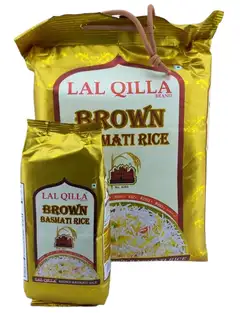 LAL QILLA Brown Basmati RiceRWF28,800
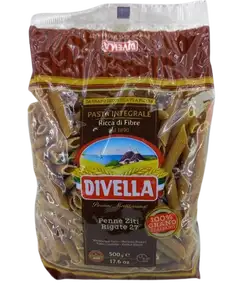
Whole wheat pasta
1 packNice to haveA quick supper that is more filling than white pasta.
How to use it: Serve with a vegetable tomato sauce and not too much cheese.






Oils and healthy fats
Choose plant oils and use them in small amounts.
Olive oil
1 bottle Must haveOlive oil is a good choice for salads and gentle cooking.
How to use it: Use a spoon or two, not a splash. Keep away from heat and light.
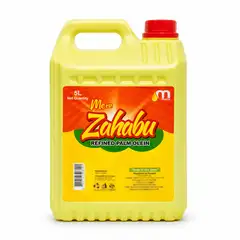
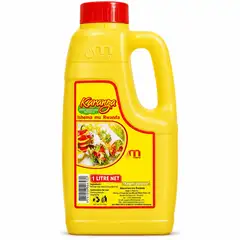
Sunflower cooking oil
1 bottle Must haveA plant oil for everyday cooking in place of animal fat.
How to use it: Measure it into the pan instead of pouring freely.
Oil dispenser bottle
1Nice to haveA pour spout helps you control how much oil you use.
How to use it: Fill a small bottle from the big one for daily use.
Peanut butter
1 jarNice to haveNatural peanut butter gives healthy fats and protein.
How to use it: Choose one with only peanuts, with no added sugar or lots of salt. Spread thin on bread.
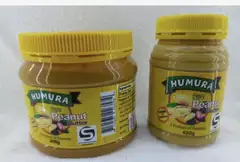 Humura peanut butter 800grRWF12,000
 Nuty&more (peanut butter)800gRWF12,000
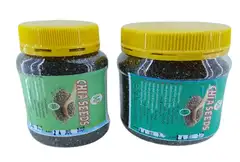
Chia seeds
1 small packNice to haveA small spoon adds fiber to porridge or yogurt.
How to use it: Stir in a teaspoon and drink with water.







Fish, beans and lean protein
Fish, beans and lean meat give protein without too much saturated fat.
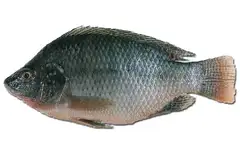
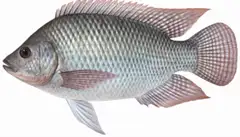
Fresh tilapia
2 fish Must haveFish is a good protein to eat a couple of times a week.
How to use it: Bake, grill or steam with lemon and herbs, rather than deep frying.
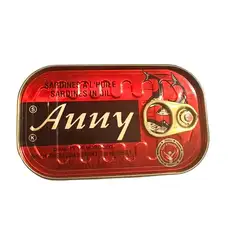
Sardines
2 cansNice to haveCanned sardines are a cheap fish that keeps on the shelf.
How to use it: Choose ones in oil or tomato sauce, drain well and serve with vegetables.
Tuna in brine
2 cansNice to haveQuick protein for sandwiches, salads and pasta.
How to use it: Drain well. Brine is salty, so rinse if you watch your salt.
 Everyday Tuna in brine 200grRWF6,400
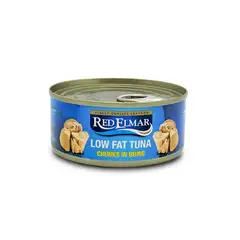 Mila Tuna in Brine 80gRWF2,400
 Everyday Tuna in brine 200grRWF6,000
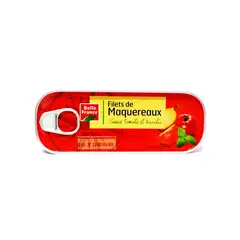
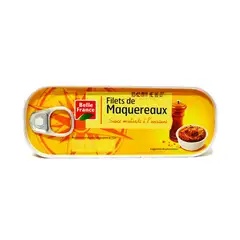
Mackerel
1 canNice to haveOily fish like mackerel is a good choice for a weekly fish meal.
How to use it: Serve with boiled potatoes and greens.
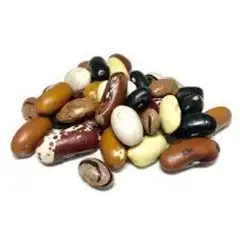
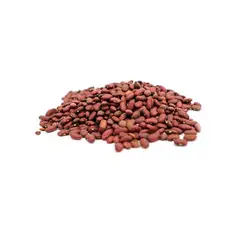
Dry beans
1 kg Must haveBeans are rich in fiber and protein and cost little.
How to use it: Soak overnight, then cook with onion and tomato. Cook a big pot to use over two or three days.
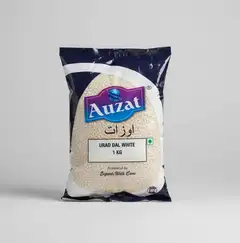
Lentils
500 gNice to haveLentils cook faster than beans and make a thick soup or stew.
How to use it: Rinse and cook until soft, with garlic and spices.
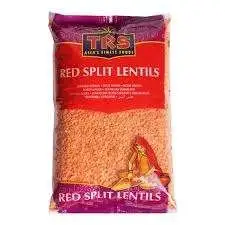 Red lentilsRWF3,600
 Diamir LentilsRWF2,550
Eggs
1 trayNice to haveEggs are an easy protein for breakfast or lunch.
How to use it: Boil, poach or scramble with vegetables and use little oil.
 Tray of Eggs ( pondeze)RWF7,000
Lean minced beef
500 gNice to haveLean mince is lower in fat and cooks into sauces and patties.
How to use it: Brown it with onions and tomato. Pour off any extra fat.






Vegetables
Aim to fill half the plate with vegetables at most meals.
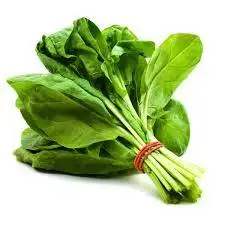
Spinach
1 bunch Must haveSpinach is quick to cook and works in stews, omelets and soups.
How to use it: Wash well and add at the end of cooking.

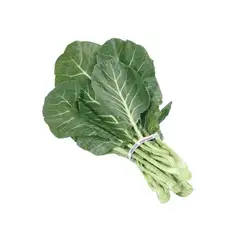
Sukuma wiki (kale)
1 bunch Must haveA staple green that is cheap and filling.
How to use it: Sauté with onion and tomato. Do not overcook.

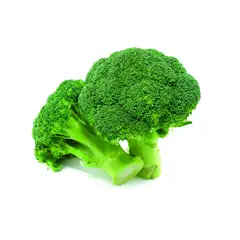
Broccoli
1 headNice to haveBroccoli adds a good crunch and color.
How to use it: Steam for a few minutes so it stays green and crisp.
Carrots
1 kg Must haveCarrots keep well all week and can be eaten raw or cooked.
How to use it: Grate into salads, slice into stews or eat as a snack.
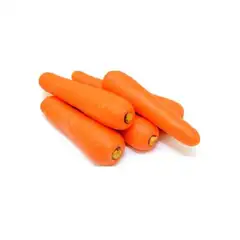 Carrots 1kgRWF2,500
Cabbage
1 headNice to haveCabbage is cheap and lasts several days in the fridge.
How to use it: Slice for salads or sauté lightly with carrots.
Fresh green beans
500 gNice to haveGreen beans are a tasty side dish that cooks fast.
How to use it: Boil or steam for a few minutes. Season with garlic and lemon.
 Fresh beans (imiteja) 1KgRWF2,500
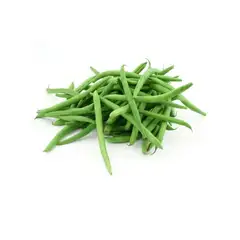 Fresh beans (imiteja) 1kgRWF1,700
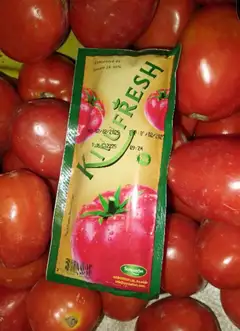
Tomatoes
1 kg Must haveRipe tomatoes are the base of many Rwandan sauces and stews.
How to use it: Cook down with onion. Avoid ready sauces with added salt and sugar.








Fruit and snacks
Whole fruit and a few nuts are better than biscuits and sweets.
Sweet bananas
1 bunch Must haveA banana is a handy snack and goes well with oats.
How to use it: Eat as a snack or slice onto porridge.
 Sweet banana (Kamara)RWF2,500
 Sweet banana UnripeRWF2,500
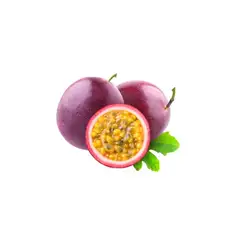
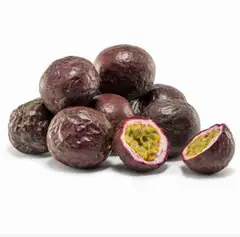
Passion fruit
1 kgNice to havePassion fruit adds fiber and flavor to yogurt or porridge.
How to use it: Scoop out the pulp and stir into yogurt or a drink.
Mango
1 kgNice to haveRipe mango is sweet and satisfying when in season.
How to use it: Eat in small portions. It is sweet, so keep portions sensible if you watch your sugar.

 Mango or Banana SmoothieRWF3,500
Pineapple
1Nice to haveA juicy snack that can replace sugary desserts.
How to use it: Cut into pieces and keep in a closed container in the fridge.
 Pineapple small 1pcsRWF2,500
 Inyange Pineapple Juice 1LRWF3,500
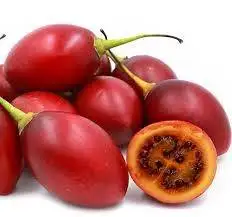
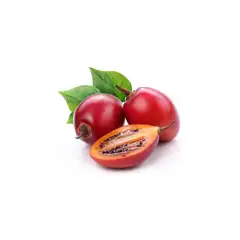
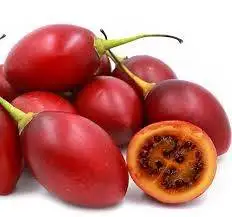
Tree tomatoes
500 gNice to haveA Rwandan fruit with a tangy taste that is nice on its own or in juice.
How to use it: Cut in half and scoop out the flesh. Skip added sugar in juice.
Papaya
1Nice to havePapaya is soft, sweet and easy to eat as a breakfast or snack.
How to use it: Eat ripe. Add a squeeze of lemon.
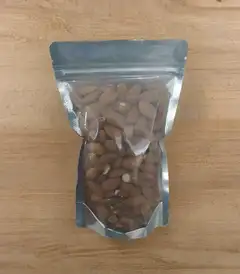
Almonds
1 small packNice to haveA small handful of plain nuts is a better snack than chips.
How to use it: Choose unsalted and keep a handful as a serving.







Drinks and dairy
Water, tea and low fat dairy are simple choices.
Low fat milk
1 or 2 boxesNice to haveLow fat milk gives calcium and protein with less fat.
How to use it: Use in porridge and tea. Keep in the fridge and check the date.
 Inyange Low Fat MilkRWF1,800
 Inyange Low fat MilkRWF1,200
Plain yogurt
1 tubNice to havePlain yogurt with fruit is a better choice than flavored yogurt with added sugar.
How to use it: Add chopped fruit or a spoon of oats instead of sugar.
Green tea
1 packNice to haveA zero sugar drink to replace soda in the afternoon.
How to use it: Brew for a few minutes and drink without sugar.
Water bottle
1Nice to haveCarrying water makes it easier to skip sugary drinks.
How to use it: Fill it each morning and take it with you.




Cooking and planning tools
A little planning helps you stick to the list all week.
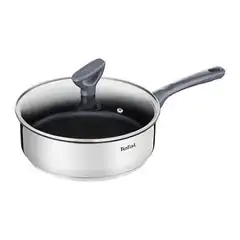
Non-stick pan
1Nice to haveUse less oil to cook fish, eggs and vegetables.
How to use it: Use soft spoons so the coating lasts.
Steam pot
1Nice to haveSteaming keeps vegetables and fish tender without added fat.
How to use it: Do not steam too long. Check after a few minutes.
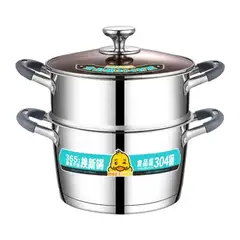 STEAM POTRWF35,000
 ELECTIC STEAM POTRWF35,000
Kitchen scale
1Nice to haveWeighing portions helps with grains, oil and nuts.
How to use it: Weigh a few meals to learn what a sensible portion looks like.
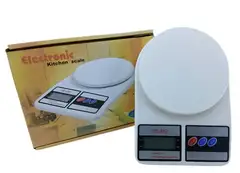 Electronic kitchen scale SF-400RWF17,300
 Nova Dry IronRWF55,450
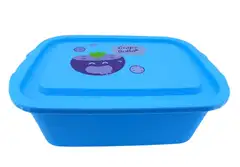
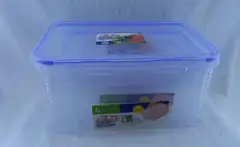
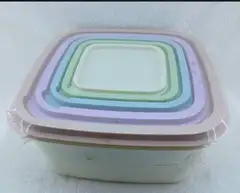
Food containers
1 setNice to haveCook once, pack lunches, and avoid fast food on busy days.
How to use it: Use containers with tight lids and wash well after use.
Shopping notebook
1Nice to haveA written list helps you buy what you need and avoid impulse snacks.
How to use it: Plan a week of dinners on Sunday, write the list and stick to it.



Step by step
- 1
Plan the week
Choose five or six dinners. Include fish twice, beans two or three times and lots of vegetables.
- 2
Check your cupboard
See what you already have so you do not buy twice. Note the oil, grains and spices.
- 3
Order the week's shop
Order staples and fresh items on Isokko. Choose a time when someone is home.
- 4
Cook ahead
Cook a pot of beans and a pot of grain at the start of the week.
- 5
Review
At the end of the week, note what went well and what you did not eat. Change next week's list.
Tips that help
- Fill half the plate with vegetables, a quarter with whole grains and a quarter with protein.
- Cook with less oil, and use fresh herbs, garlic and lemon for taste.
- Fish twice a week is a good goal, if your budget allows.
- Choose fruit instead of biscuits or sweets for snacks.
- Buy beans and grains in larger packs to save money.
- Plan your meals before shopping to avoid buying snacks on impulse.
- Check labels for salt and added sugar.
Mistakes to avoid
- Shopping hungry and buying salty snacks and sugary drinks.
- Deep frying everything. Try steaming, boiling or baking.
- Choosing foods labeled healthy that are full of sugar or salt.
- Buying too much fresh food at once and wasting it.
- Changing everything at once. Start with two or three changes.
Questions people ask
What are the best foods for a healthy heart in Rwanda?+
Beans, whole grains like sorghum and oats, fish, vegetables, fruit and plant oils are all good choices. Eat less fried, salty and sugary food. Ask your doctor for advice that fits you.
Is cooking oil bad for the heart?+
Oil is fine in small amounts. Plant oils like sunflower or olive oil are better than animal fats, but use only a little and do not reuse oil many times.
How much fish should I eat each week?+
Many people aim for about two fish meals a week. The right amount depends on you, so ask your doctor or a dietitian.
Is brown bread better than white bread?+
Brown bread made from whole grain has more fiber than white bread. Check the label for words like whole wheat or wholemeal.
Can I follow this list on a small budget?+
Yes. Beans, sweet potatoes, cabbage, carrots, sukuma wiki, eggs and seasonal fruit are all affordable. Add fish when you can.
Heart healthy eating starts with what is in your shopping basket. Use this list to plan your week and order the groceries on Isokko, delivered to your home in Kigali.
Shop this list
Get everything delivered in Kigali
Order from local stores on Isokko and pay with MoMo, card or cash. Same-day delivery.