
Checklist · Health & wellness
Preparing for a Hospital Stay in Kigali: Hospital Bag Checklist
A hospital bag checklist for Kigali: documents, comfortable clothes, toiletries, food, chargers and caregiver items to pack for a planned or sudden hospital stay.
Updated November 15, 2026 · By Isokko
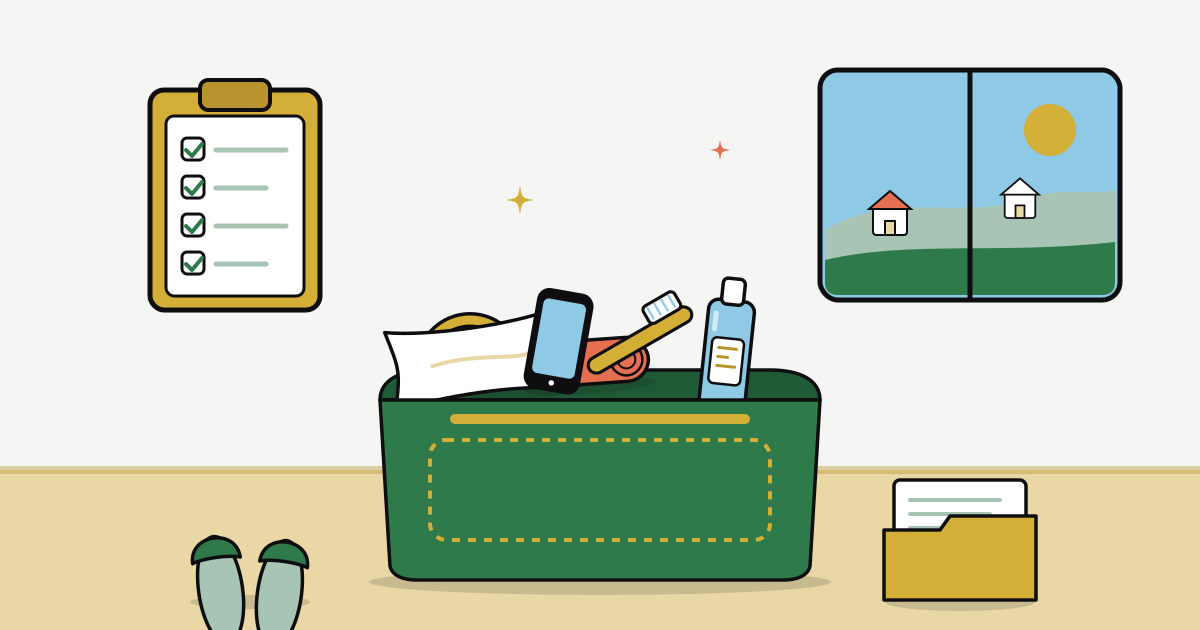
Whether it is a planned operation, a scheduled treatment or a family member who suddenly needs to be admitted, a hospital stay is stressful enough without realizing at 9 at night that nobody brought a phone charger, a cup or toilet paper.
In Rwanda, family members often stay close by, bring meals and help with daily care, so a good hospital bag covers both the patient and the caregiver. Hospitals differ in what they provide, so call ahead or ask the admitting nurse what to bring.
This checklist covers documents, comfort, toiletries, food and drink, and the small things that make long days easier. Always follow your doctor's instructions about food, medicines and preparation before a procedure.
Who it's for
Patients preparing for a planned admission or surgery in Kigali, and the family members who will stay with them
Time needed
One evening to pack, a few days ahead
When to shop
A week before a planned stay, or keep a basic bag ready if someone in the family is unwell
On the list
32 items, 18 must haves
0 of 32 ready
Documents and essentials
Pack these first and keep them in one folder that the caregiver also knows about.
Health insurance card and ID
1 set Must haveHospitals usually ask for your ID and insurance card, such as Mutuelle de Santé or your private insurer's card, at admission and for billing.
How to use it: Keep originals in a card holder or zip folder and photos on your phone. Ask the hospital in advance what your insurance covers.
 RFID Blocking Card HolderRWF11,500
 RFID Blocking Card HolderRWF11,000
Notebook and pen
1 Must haveWrite down what doctors say, medicine times, questions to ask, and phone numbers. Stress makes it hard to remember.
How to use it: Keep a running list of questions for the next ward round. Note the names of the doctors and nurses who help you.
List of current medicines and allergies
1 page Must haveDoctors need to know everything you already take, including supplements, to avoid problems.
How to use it: Write each medicine, dose and time on one page. Bring the medicines in their boxes if the hospital asks you to.
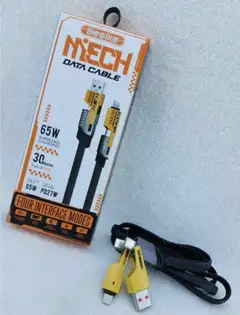
Phone and charger
1 Must haveYour link to family, updates and mobile money for any payments.
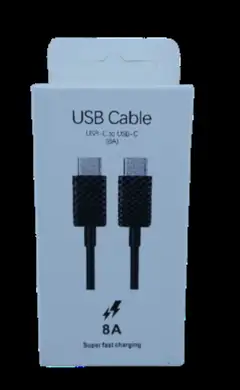
How to use it: Pack a charger with a long cable, since sockets are often far from the bed.
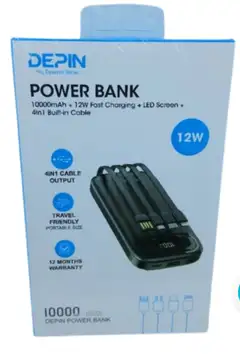
Power bank
1 Must haveSockets may be shared, occupied or affected by power cuts.
How to use it: Charge it fully before you go and recharge it whenever you can.
Small extension socket
1Nice to haveLets you charge a phone and power bank at once from a socket far from the bed.
How to use it: Ask the nurses before plugging in, and keep cables tidy so nobody trips.
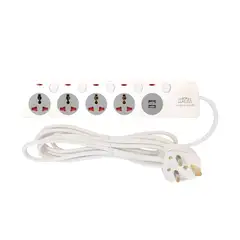 Simba Extension Socket 5 wayRWF23,050
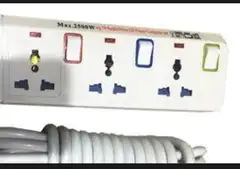 Kidris Multi socket (3 ways)RWF9,600
 Kadris Multi socket (6 ways)RWF13,200







Comfortable clothes
Loose, easy clothes make examinations, drips and getting in and out of bed easier.
Loose sleepwear or pajamas
2 to 3 sets Must haveComfortable to rest in and easy for nurses to work around. Button fronts help with drips and checks.
How to use it: Pack two or three sets so you can change after a sweaty night.
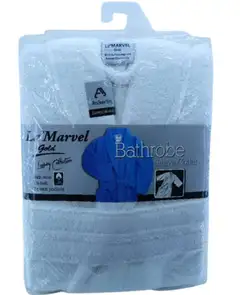
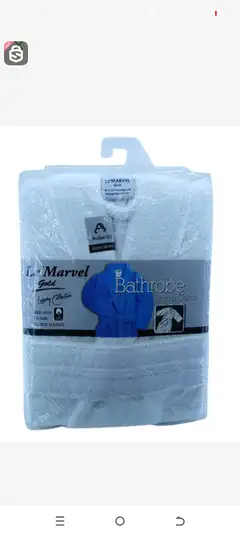
Bathrobe
1Nice to haveKeeps you covered and warm when walking to the bathroom or sitting up for visitors.
How to use it: Choose a light one that is easy to wash.
Slippers
1 pair Must haveHospital floors are cold and you need non-slip footwear for walking to the bathroom.
How to use it: Pick slip-on slippers with grip so you do not have to bend down.
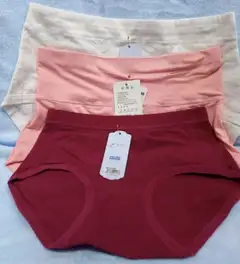
Underwear
5 to 7 Must haveMore than you think you need.
How to use it: Pack enough for every day plus extra.
 Underwear Training WaterproofRWF3,000
 Underwear for womenRWF4,000
 Victan boxers underwear 3men lRWF8,000
Warm jacket or sweater
1Nice to haveWards can be chilly at night, especially in the rainy season.
How to use it: Choose something easy to put on over a drip.






Toiletries
Bring your own; small comforts like brushing your teeth help you feel human again.
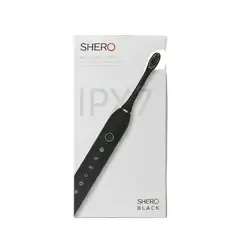
Toothbrush and toothpaste
1 each Must haveFresh breath and a clean mouth make a long stay more bearable.
How to use it: Pack them in a small zip bag to keep them clean.
Soap or body wash
1 Must haveFor quick washes, whether in the shower or a bed bath.
How to use it: A small bottle is easier to manage than a slippery bar.
Towels
2 Must haveMany hospitals do not provide towels.
How to use it: Bring one large and one small towel, and a plastic bag for damp ones.
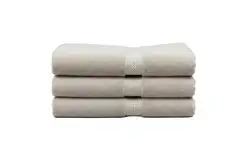 Plush Bath Mat/ Towel 100*100cmRWF15,000
 Small TowelRWF1,500
Toilet paper
2 to 4 rolls Must haveOften not supplied, or runs out in shared bathrooms.
How to use it: Pack two rolls and keep one by the bed.
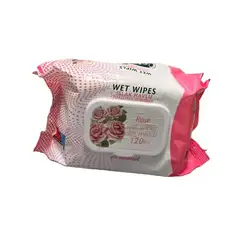
Wet wipes
1 or 2 packs Must haveFor quick freshening up when getting to the shower is hard.
How to use it: Unscented wipes are gentler on skin.
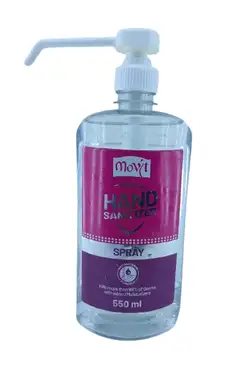
Hand sanitizer
1 Must haveProtects the patient from germs brought by visitors and caregivers.
How to use it: Keep a bottle on the bedside table and ask visitors to use it.
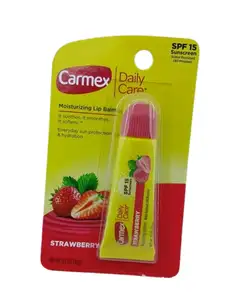
Lip balm and lotion
1 eachNice to haveHospital air and lying in bed dry out lips and skin.
How to use it: Apply a few times a day.
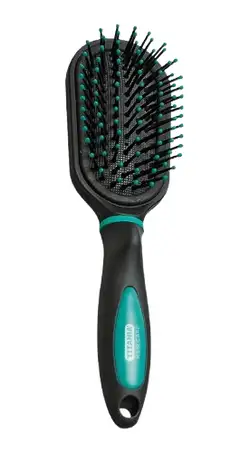
Comb and hair ties
1Nice to haveKeeping hair tidy and off the face is a small boost.
How to use it: A satin scarf or bonnet helps protect hair on hospital pillows.
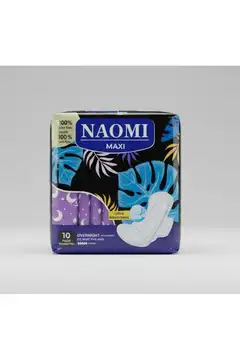
Sanitary pads or adult diapers
1 packNice to havePads for periods or after some procedures, and diapers if movement is limited. Ask your nurse what is needed.
How to use it: Pack a small supply and ask family to bring more if needed.



















Food and drink
Families often bring meals. Check with the nurses about any diet the patient must follow.
Bottled water
1 pack Must haveStaying hydrated matters and clean water is not always close by.
How to use it: Keep a few bottles by the bed, unless the doctor says no food or drink before a procedure.
 Nil mineral water 5LRWF4,500
 Inyange Mineral water 500mlRWF1,000
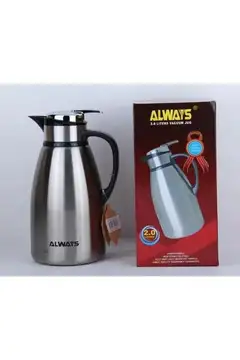
Thermal flask
1 Must haveKeeps tea or porridge warm, so family can bring food from home that is still hot.
How to use it: Wash it out every day.
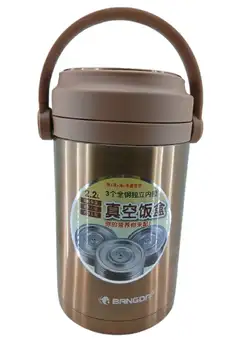
Lunch box
1 or 2 Must haveFor bringing home-cooked meals safely and hygienically.
How to use it: Pick one with a tight lid that is easy to wash.
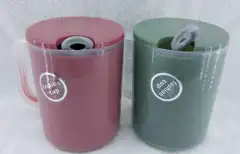
Cup, plate and spoon
1 set Must haveHospitals may not provide them, and your own are cleaner and familiar.
How to use it: Pack a plastic or enamel set and wash after every meal.
Light snacks
A few packsNice to haveFor the caregiver on long days and for the patient once the doctor allows food.
How to use it: Choose plain biscuits, fruit and juice rather than heavy or fried food.










Rest and passing time
Days can be long and nights noisy.
Your own pillow
1Nice to haveA familiar pillow helps you sleep in a strange bed.
How to use it: Use a colored pillowcase so it does not get mixed up with hospital linen.
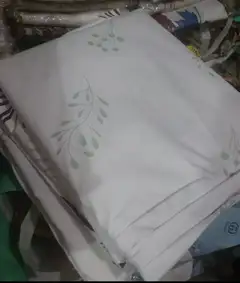
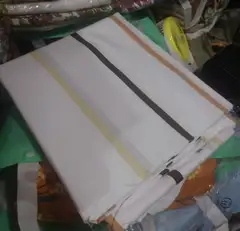
Bed sheet or light blanket
1Nice to haveFor extra warmth or for the caregiver who sleeps on a chair or mat.
How to use it: A spare sheet is also useful as a privacy screen.
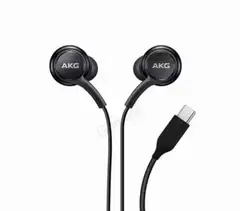
Headphones
1Nice to haveMusic, podcasts or calls without disturbing others on a shared ward.
How to use it: Download content before you go in case the signal is weak.
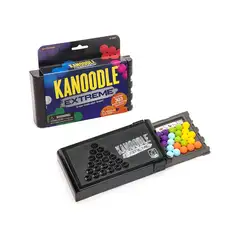
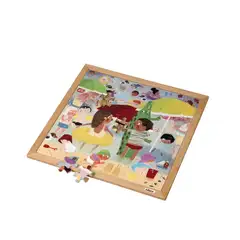
Puzzle or cards
1Nice to haveSomething to do that is not a screen, for patient and caregiver.
How to use it: Good for visitors too.






For the caregiver
The person staying with the patient needs to look after themselves too.
Basin
1Nice to haveUseful for washing, bed baths and laundry when bathrooms are shared.
How to use it: A medium basin is easiest to carry.
Face masks
1 boxNice to haveProtect a recovering patient from coughs and colds.
How to use it: Ask visitors with a cold to wear one or stay home.
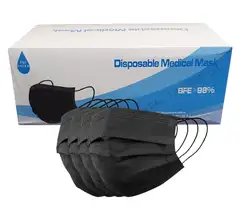 Medical Face Mask Disposable 50pcsRWF11,500
 Medical Face Mask Disposable 50pcsRWF11,500
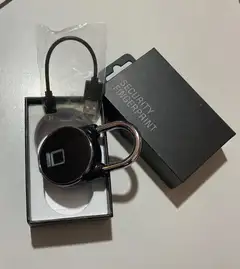
Small padlock
1Nice to haveKeeps a bag or locker secure on a busy ward.
How to use it: Keep the key with the caregiver.
 WUZI 70mm Extra Brass PadlockRWF9,000
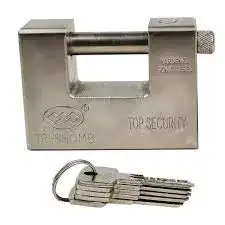 Tri-Rhomb Top Security padlockRWF9,000
 Smart Fingerprint PadlockRWF25,000



Step by step
- 1
One week before
Ask the hospital what they provide and what to bring, confirm insurance and payment, and arrange who will stay with the patient and who will bring meals.
- 2
Three days before
Order toiletries, toilet paper, snacks, water and a flask. Wash sleepwear and towels.
- 3
The night before
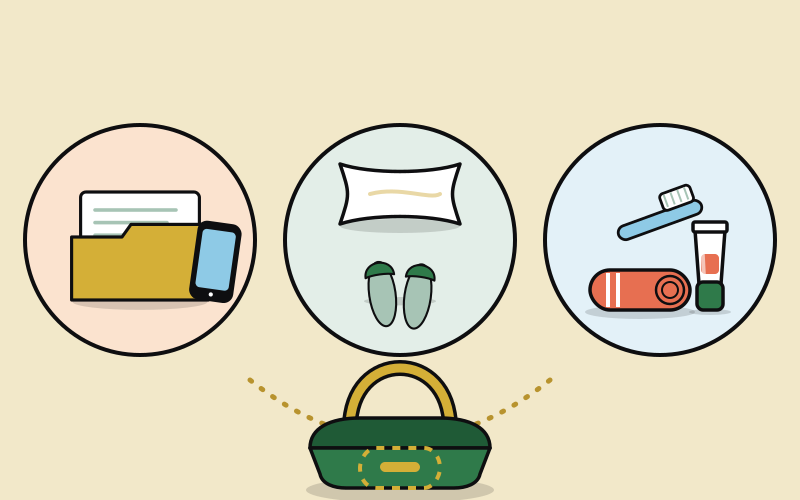
Pack the bag by group: documents, clothes, toiletries, food items and chargers. Charge the phone and power bank. Follow any fasting instructions from your doctor.
- 4
On admission
Give the nurse your medicine list and allergies, settle the bag near the bed and set up your water, phone and notebook within reach.
- 5
Going home
Ask for written discharge instructions, prescriptions and follow-up dates. Check the bedside drawer before you leave.
Tips that help
- Keep a small emergency bag packed if someone in the family has a long-term illness: documents, a change of clothes, toiletries and a charger.
- Label your bag, flask and lunch box with your name and phone number.
- Leave jewelry, large amounts of cash and valuables at home.
- Agree on one family member who gives updates to everyone else, so the patient can rest.
- Ask the doctor before bringing food, especially after surgery.
- Order refills of water, snacks and toiletries for delivery instead of sending family across town.
Mistakes to avoid
- Forgetting the insurance card and ID, which slows down admission.
- Bringing medicines without telling the nurses, which can lead to double doses.
- Packing tight clothes that are hard to put on with a drip or after surgery.
- Eating or drinking before a procedure when the doctor said to fast.
- Bringing too much. A small bag that fits by the bed is best.
Questions people ask
What should I pack in a hospital bag?+
Your ID and insurance card, a list of medicines, phone and charger, a power bank, comfortable sleepwear, slippers, toiletries, towels, toilet paper, water, a flask, a cup and spoon, and something to pass the time.
What do hospitals in Kigali provide?+
It varies between hospitals and wards. Some provide bedding and meals, others expect family to bring food, towels and toiletries. Call ahead or ask at admission.
What should a caregiver bring to the hospital?+
Their own ID, phone and charger, a change of clothes, toiletries, a light blanket or sheet, snacks, water and a flask. A basin and masks are useful too.
Can I bring my own food to the hospital?+
Often yes, and family meals are common. But always check with the doctor or nurse first, especially before or after surgery or if the patient has a special diet.
Should I bring my regular medicines?+
Bring a written list, and the medicines in their boxes if the hospital asks. Tell the nurses about everything you take so they can manage doses safely.
A well packed bag will not make a hospital stay easy, but it removes a lot of small worries so you can focus on getting better or caring for someone you love. Order the essentials on Isokko a few days before, pack calmly, and ask the hospital what else they recommend.
Shop this list
Get everything delivered in Kigali
Order from local stores on Isokko and pay with MoMo, card or cash. Same-day delivery.