
Checklist · Pets & garden
Kitten First Week at Home in Kigali: Litter, Food and Toys
Bringing a kitten home in Kigali? This checklist covers litter, food, bowls, bed and toys for the first week, with simple tips for each item.
Updated November 25, 2026 · By Isokko
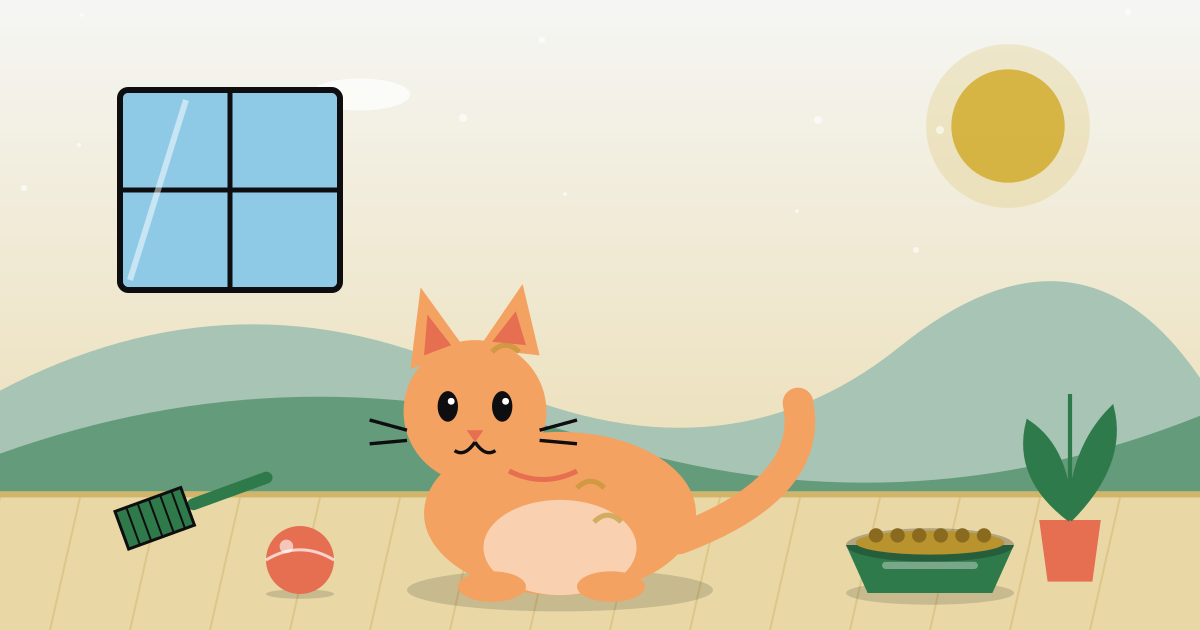
A kitten is small, curious and a little scared on the first day. The right basics ready at the door make the first week calm for the kitten and for you.
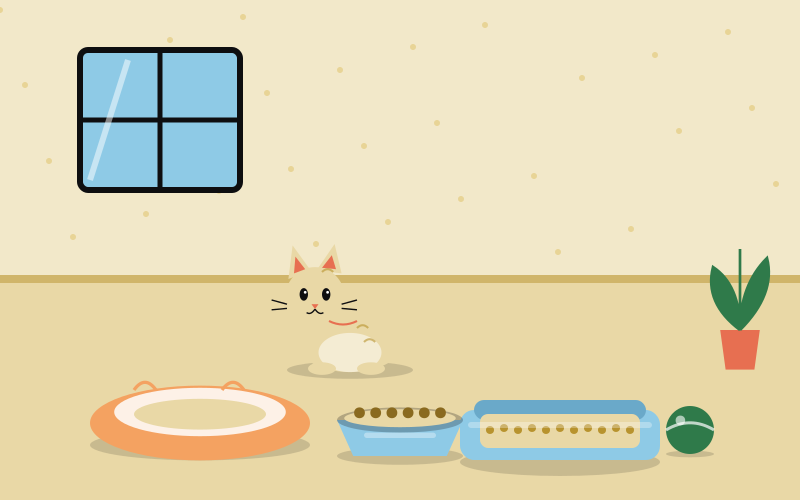
This checklist covers the things a kitten really needs: a litter spot, kitten food, bowls, a warm bed, a few safe toys and some simple care items. Most of it is easy to find in Kigali.
Start with the must items. Add the nice ones once you see what your kitten likes.
Who it's for
Anyone bringing a kitten home to a house or apartment in Kigali
Time needed
Shop 1 to 2 days before the kitten arrives
When to shop
Get litter, food and a bed first. Toys and grooming can follow in week one
On the list
27 items, 15 must haves
0 of 27 ready
Litter setup
Cats like a clean, quiet spot. Get this ready before the kitten arrives.
Litter box
1 Must haveA kitten needs one clear place to go from the first hour. A low box with a small entry is easiest for tiny legs.
How to use it: Put it in a quiet corner, away from the food bowls. Show your kitten the box after meals and after naps.
Cat litter
1 bag Must haveClumping or absorbent litter keeps the box clean and cuts smell, which matters in a small apartment.
How to use it: Fill the box with about 5 cm of litter. Scoop every day and change it fully once a week.
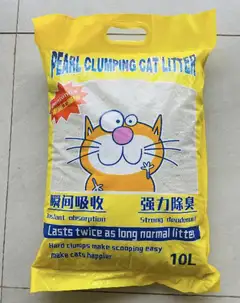 Pearl Clumping Cat Litter Lemon 10LRWF31,000
 Tofu Cup Cat Litter 6LRWF33,000
Litter scoop
1 Must haveA scoop makes daily cleaning quick, so your kitten always finds a clean box.
How to use it: Sift out clumps and waste once or twice a day. Keep the scoop beside the box.
 ScooperRWF11,000
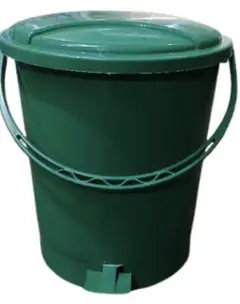
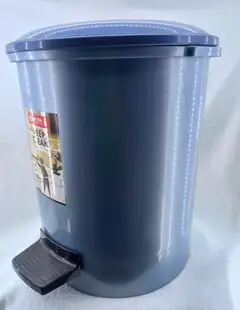
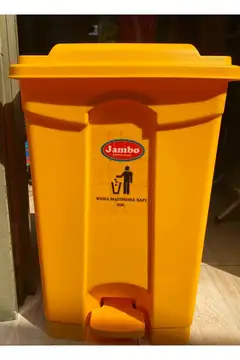
Lidded bin for waste
1Nice to haveUsed litter smells fast in warm weather. A bin with a lid keeps the smell in until you take it out.
How to use it: Tie waste in a small bag before it goes in the bin. Empty the bin every day or two.
Small garbage bags
1 roll Must haveBags make it easy to carry waste out without a mess.
How to use it: Keep a roll near the litter box. Tie the bag tight.
Kitten food and water
Kittens grow fast and need food made for kittens.
Kitten dry food
1 small bag Must haveKitten food has more of what growing bodies need than adult cat food. Dry food is easy to store and measure.
How to use it: Read the pack for the right amount by age and weight. Split the day's food into 3 or 4 small meals.
Wet cat food
a few cansNice to haveWet food adds water and is often easier for a small kitten to eat. Many kittens love it.
How to use it: Open a small can or pouch, serve a portion, and cover the rest in the fridge. Throw away wet food left out for more than a few hours.
 Everyday Cat Food Beef 415gRWF7,100
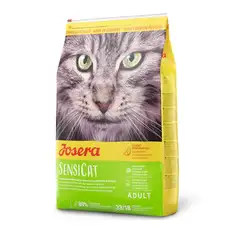 Josera Sensicat Adult Cat Food 2kgRWF30,000
 Purr Fect 2 AdultRWF23,000
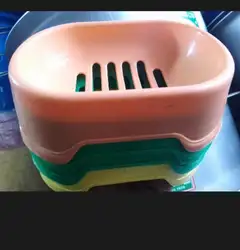
Food bowl
1 to 2 Must haveA shallow bowl lets a small kitten reach the food without pushing it around.
How to use it: Wash it after every day of use. Heavy ceramic or wide plastic bowls slide less.
 Large Pet BowlsRWF80,000
Water bowl
1 Must haveFresh water should always be available. Kittens often drink more from a bowl that is away from their food.
How to use it: Rinse and refill at least once a day. Keep it in a different spot from the food bowl.
Large Pet BowlsRWF80,000Airtight food container
1Nice to haveOpen kitten food goes stale and can attract ants or rats. A closed container keeps it fresh.
How to use it: Pour the bag into the container and keep it in a cool, dry place away from direct sun.
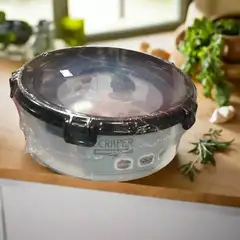 Crisper Food Storage ContainerRWF6,000
 Vimar Fine Sea Salt 500gRWF5,100
Treats for training
1 small packNice to haveA few treats help a shy kitten trust you and come when called.
How to use it: Give only a few tiny pieces a day so they do not replace meals.






Bed and safe space
A new home is big and loud. Give your kitten a small place that is just theirs.
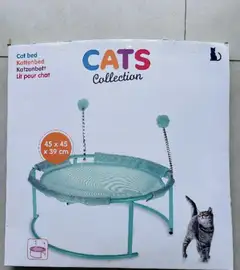
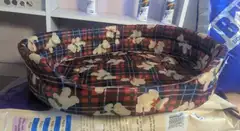
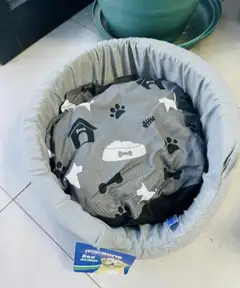
Cat bed
1 Must haveA soft bed in a quiet corner gives the kitten a place to rest and feel safe.
How to use it: Put it away from doors and loud noise. Wash the cover often.
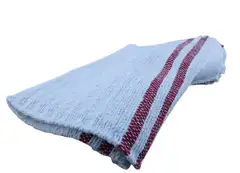
Soft blanket
1 to 2 Must haveNights can be cool in Kigali, especially in the rainy seasons. A blanket adds warmth and a comforting smell.
How to use it: Fold it into the bed or box. Wash it every week.
Pet carrier
1 Must haveYou need it for the first vet visit and for any trip. It can also be a safe hideout at home.
How to use it: Leave it open at home with a blanket inside so the kitten learns it is a good place.
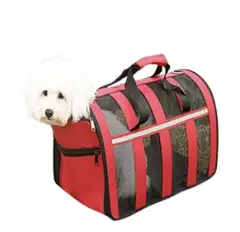 Pet Carrier Bag RoundRWF28,000
Mosquito net for windows
as neededNice to haveOpen windows let in insects and let a curious kitten out. Check that windows and balconies are safe.
How to use it: Close or screen windows and balcony gaps before the kitten explores.
 Mosquito Net 120cm to 200cmRWF31,900
 Mosquito NetRWF32,000


Toys and play
Play uses up energy, teaches hunting skills and helps your kitten bond with you.
Teaser toy
1 Must haveA toy on a string or a ball lets you play together without your hands becoming the target.
How to use it: Play for 5 to 10 minutes a few times a day. Put it away afterward so it stays exciting.
 Automatic Cat Teaser BallRWF16,000
Small soft balls
2 to 3Nice to haveLight balls roll and bounce, and kittens love to chase them.
How to use it: Choose balls too big to swallow. Check them often for damage.
 Honey Sesame Balls 400gRWF5,000
 Spalding NBA BasketballRWF45,000
Scratching post
1 Must haveKittens must scratch. A post protects your sofa and curtains.
How to use it: Put it near the bed or a favorite spot. Rub a little treat on it to attract your kitten.
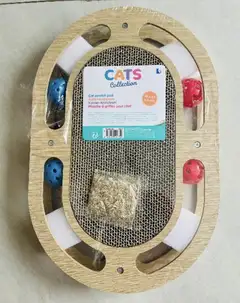 Cat Scratcher ToyRWF33,000
Cardboard box
1 to 2Nice to haveKittens love to hide and climb into boxes, and it costs almost nothing.
How to use it: Cut a door in a clean box and leave it in a quiet corner.

Care and health
Small care items help you keep your kitten healthy and used to being handled.
Soft cat brush
1Nice to haveBrushing removes loose hair and builds trust. It is also a chance to check the skin.
How to use it: Brush gently for a minute or two. Stop if the kitten gets upset.
 Pet Brush Spray MassageRWF15,000
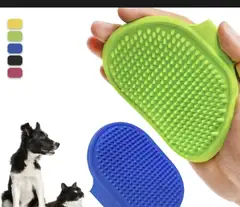 Silicone Pet BrushRWF7,000
Collar with name tag
1Nice to haveA tag helps a lost kitten come home. Choose a light, adjustable collar that is easy to open.
How to use it: You should fit two fingers under the collar. Check it often as the kitten grows.
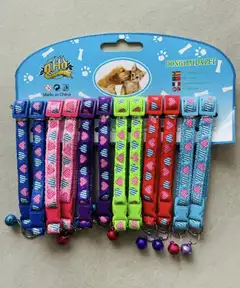 Dong Hai Da Cat CollarRWF5,000
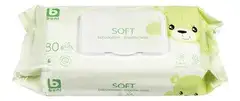
Baby wipes
1 packNice to haveUnscented wipes help clean small messes on fur and paws.
How to use it: Wipe gently and avoid the eyes and nose.
Vet visit
1 Must haveA vet can check your kitten, advise on vaccines and deworming and answer your questions.
How to use it: Book a visit in the first week. Ask about vaccines and neutering when the time is right. Never give human medicine.


Cleaning up
Accidents happen in the first week. Be ready.
Cleaning cloths
3 to 5 Must haveQuick cleanup stops stains and smells and helps your kitten avoid the same spot.
How to use it: Wipe up, then wash the area with soap and water. Keep a few cloths in one place.
 Fangcao Cleaning Cloth 5 PiecesRWF5,200
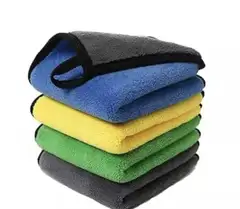 Microfiber Cleaning ClothRWF4,200
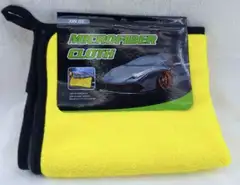 Microfiber Cleaning ClothRWF3,000
Kitchen paper towels
1 rollNice to havePaper towels are good for quick messes, wet food spills and fur.
How to use it: Keep a roll near the feeding area.
 Hanan Kitchen Towel 2 RollsRWF5,400
 Hanan Kitchen Towel Mega RollRWF8,400
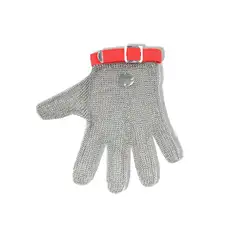
Rubber gloves
1 pairNice to haveGloves keep your hands clean when you scoop and wash the litter box.
How to use it: Wash gloves with soap after each use and let them dry.
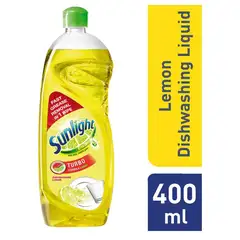
Mild dish soap
1 Must haveSoap and water clean bowls and the litter box well. Strong chemicals can harm cats.
How to use it: Rinse well so no soap is left. Do not use strong cleaners where your kitten plays.


Step by step
- 1
Before the kitten arrives
Set up the litter box, bed, food and water in a quiet room. Close windows and hide cables and small objects.
- 2
Day one
Let the kitten explore one room at a time. Show the litter box, food and bed. Keep the house calm.
- 3
Days two and three
Feed 3 or 4 small meals at the same times. Start short play sessions and gentle handling.
- 4
Days four to six
Brush gently, check paws and ears, and offer a few treats. Open more rooms slowly.
- 5
Day seven
Take your kitten to a vet for a check and plan vaccines. Review what you still need.
Tips that help
- Keep the kitten in one quiet room for the first day or two, then add rooms slowly.
- Put food and water far from the litter box. Cats avoid eating near their toilet.
- Keep the same kitten food at first. Change foods slowly over a week.
- Kittens need many small meals, so set a simple schedule on your phone.
- Check that windows, balcony gaps and gates are safe before the kitten explores.
- Wash your hands after cleaning the litter box, and keep litter away from young children.
- Keep string, rubber bands and small objects out of reach. Kittens may swallow them.
Mistakes to avoid
- Feeding adult cat food or human food as the main meal for a kitten.
- Giving cow's milk. Many cats cannot digest it. Offer clean water instead.
- Using strong cleaners near the kitten's bed, bowls or litter box.
- Moving the litter box often. Change its place only if you must, and do it slowly.
- Letting a tiny kitten out alone too early, before vaccines and a vet check.
Questions people ask
What does a kitten need in the first week?+
A litter box and litter, kitten food, food and water bowls, a warm bed and a few toys. Add a carrier for the vet visit and cloths for cleaning.
How often should I feed a kitten?+
Young kittens usually eat 3 or 4 small meals a day. Follow the amounts on the food pack and ask a vet if you are unsure.
Where should I put the litter box?+
Choose a quiet, easy to reach corner away from food and water. Keep it in the same place so the kitten learns where it is.
Can I give my kitten milk?+
Many cats cannot digest cow's milk well and it can upset the stomach. Give fresh water and kitten food. Ask a vet about kitten milk if needed.
When should I take my kitten to the vet?+
Book a check in the first week. A vet can plan vaccines and deworming and tell you when to neuter.
A calm corner, clean litter, good food and a few toys are enough to start well. Shop the whole kitten list on Isokko and have it delivered before your new friend arrives.
Shop this list
Get everything delivered in Kigali
Order from local stores on Isokko and pay with MoMo, card or cash. Same-day delivery.