
Checklist · Cooking & meals
Monthly Groceries for a Family on a Budget in Kigali: Checklist
A monthly grocery checklist for Kigali families on a budget: bulk staples, cheap proteins, long lasting vegetables and smart storage to feed everyone well for less.
Updated November 15, 2026 · By Isokko

When money is tight, the way you shop matters as much as what you buy. Buying staples in bulk once a month, right after payday, protects the family from price surprises and stops the small daily trips to the kiosk that quietly eat the budget.
This checklist splits shopping into two parts: a big monthly order of dry staples that keep, and a small weekly top up of fresh vegetables and protein. It leans on the most affordable, filling foods in Rwanda: beans, maize and cassava flour, rice, sweet potatoes, matoke, cabbage, sambaza and eggs.
Quantities below are a starting guide for a family of four to six. Adjust after your first month based on what ran out and what was left over.
Who it's for
Families in Kigali who want to plan food for the month and stretch every franc
Time needed
One hour to plan, one big monthly order, a short weekly top up
When to shop
Bulk staples right after payday, fresh food weekly
On the list
27 items, 20 must haves
0 of 27 ready
Bulk staples for the month
Buy the biggest size you can store safely. Bigger packs usually cost less per kilo.
Rice
10 to 25 kg Must haveA large bag of rice is usually cheaper per kilo and covers many meals.
How to use it: If a 25 kg bag is too much at once, split it with a neighbor or relative. Store in a sealed bucket off the floor.
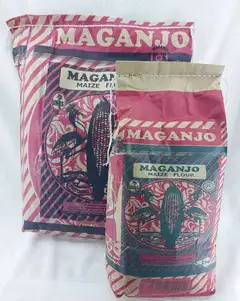
Maize flour
5 to 10 kg Must haveUgali is one of the cheapest ways to fill a family.
How to use it: Buy 5 kg or 10 kg bags and keep them sealed against damp.
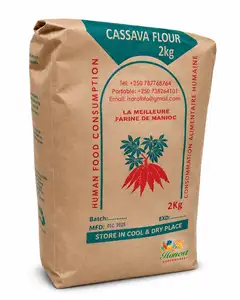
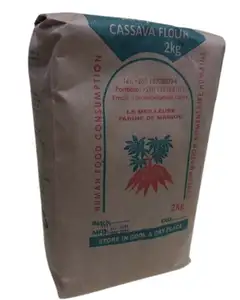
Cassava flour
4 kgNice to haveAnother filling, low cost ugali flour that families enjoy with isombe and beans.
How to use it: Alternate maize and cassava ugali through the week for variety.
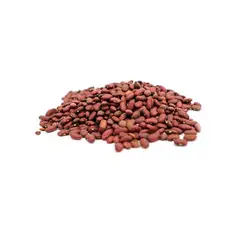
Dry beans
8 to 10 kg Must haveBeans are the cheapest good protein you can buy. Plan them for most days.
How to use it: Soak overnight to save cooking fuel. Cook big pots and reheat.
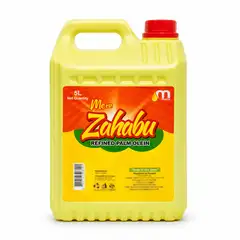
Cooking oil
5 litres Must haveA big container usually costs less per litre than small bottles.
How to use it: Decant into a small bottle for daily use so the big one stays clean and sealed.
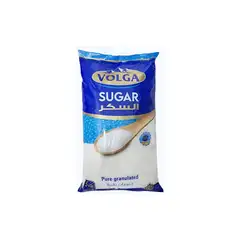
Sugar
5 kg Must haveFor tea and porridge every day.
How to use it: A 5 kg bag is usually better value than several small ones. Use a little less each week.
Salt
1 kg Must haveCheap and essential.
How to use it: One kilo lasts a family a long time.
Tea leaves
500 g to 1 kg Must haveLoose tea is far cheaper per cup than tea bags.
How to use it: Brew in a pot or flask in the morning and keep it hot for the day.
Sorghum or porridge flour
2 to 3 kg Must haveA cheap, warm breakfast for the whole family, especially kids.
How to use it: Add a spoon of soya flour or peanut flour for extra protein.
 Sosoma Red sorghum Flour 1kgRWF3,200
 Red sorghum flour 1kgRWF1,800
 Sosoma Red sorghum Flour 1kgRWF2,800
















Affordable proteins
Protein is where budgets break. Lean on beans, eggs and small fish, with meat as a weekly treat.
Eggs
1 to 2 trays Must haveA tray of eggs gives many affordable meals and breakfasts.
How to use it: Scramble two eggs with tomato and onion to stretch them across the family.
 Tray of Eggs ( pondeze)RWF7,000
Dried sambaza
500 g to 1 kg Must haveSmall dried fish add protein and big flavor for very little money.
How to use it: A handful in a tomato and onion sauce flavors a whole pot.
 Dried Sambaza- ISAMBAZA ZUMYERWF6,000

Peanut flour
1 kg Must haveAdds protein and richness to greens and sauces.
How to use it: A few spoons in dodo or isombe make it more filling.
Soya flour
1 kgNice to haveA cheap protein boost for porridge and chapati.
How to use it: Mix one part soya flour into four parts sorghum flour for porridge.
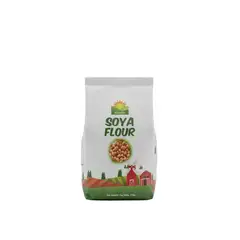 Anavita Soya Flour 1kgRWF2,000
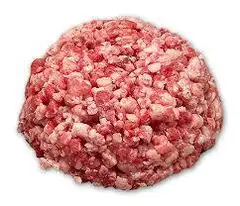
Minced meat or beef
1 to 2 kgNice to haveA small amount stretched into a big sauce gives the family meat flavor.
How to use it: Cook 500 g of mince with beans, carrots and tomato to serve six.
Milk powder
500 g to 1 kgNice to haveLasts the whole month, no fridge needed.
How to use it: Mix only what you need for tea or porridge each day.










Long lasting fresh food
Buy hardy vegetables that survive a week or more. Top up leafy greens weekly.
Sweet potatoes
5 kg Must haveFilling, cheap and great for breakfast or dinner.
How to use it: Store in a cool dry place. Boil a batch for breakfast with tea.
Irish potatoes
5 to 10 kg Must haveStretch any stew and keep for weeks in the dark.
How to use it: Keep them away from light so they do not turn green.
Green banana (matoke)
1 to 2 bunchesNice to haveA filling meal that is often good value.
How to use it: Cook with beans or a little meat for a full dinner.
Onions
3 to 4 kg Must haveEvery sauce needs them, and they keep for weeks.
How to use it: Store in a basket with air flow, not in a plastic bag.
Cabbage and carrots
3 cabbages, 2 kg carrots Must haveAmong the cheapest vegetables and they last well.
How to use it: Shred cabbage and carrot into beans or stir fry with a little oil.
Tomatoes
1 to 2 kg a week Must haveFor daily sauces.
How to use it: Buy weekly. When they are cheap, blend and freeze a batch.
Dodo or sukuma greens
3 bunches a week Must haveCheap leafy greens add iron and vitamins.
How to use it: Buy weekly and cook within two or three days.





















Flavor that costs little
A small spend here makes cheap food taste good, which means less waste.
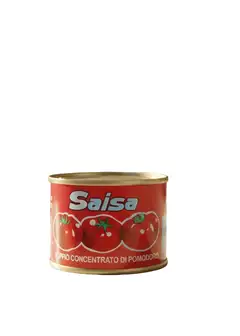
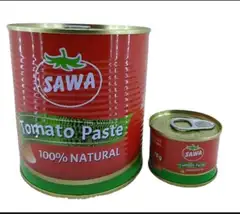
Tomato paste
1 large tin Must haveGives sauces body when fresh tomatoes are expensive.
How to use it: Buy the bigger tin and move leftovers into a jar in the fridge.
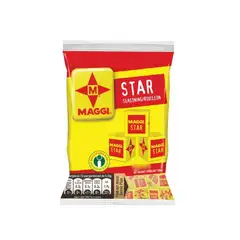
Seasoning cubes
1 pack Must haveOne cube can flavor a whole pot of beans.
How to use it: Use one per pot, not more, to save money and salt.
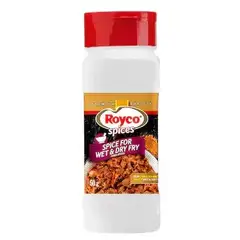
Curry powder
1 jarNice to haveTurns plain beans and potatoes into something the family looks forward to.
How to use it: Fry a teaspoon with onions at the start of cooking.





Storage that protects your money
Food lost to damp, rats or weevils is money lost.
Large basin or bucket with lid
2 Must haveKeeps bulk rice, beans and flour safe from damp and pests.
How to use it: Raise it off the floor on a crate or shelf.
Airtight containers
4 to 6Nice to haveFor sugar, tea and smaller dry goods.
How to use it: Label and date them, and use the oldest first.






Step by step
- 1
Check what you have
Before payday, look through the cupboard and write what is left. Do not rebuy what you already have.
- 2
Plan a simple menu
Write a two week menu that repeats: beans and rice, ugali and greens, sweet potatoes and tea, matoke, a weekly meat stew. Repeat it for the month.
- 3
Buy bulk staples after payday
Order rice, flours, beans, oil, sugar, salt and tea in one big delivery.
- 4
Store everything well
Decant into sealed basins and containers straight away.
- 5
Weekly fresh top up
Each weekend buy tomatoes, greens and eggs only, sticking to a fixed weekly amount.
Tips that help
- Share a big bag of rice or a tin of oil with a neighbor to unlock bulk prices.
- Cook beans in large batches to save gas or charcoal.
- Set a fixed weekly amount for fresh food and stick to it.
- Leftover rice becomes fried rice with an egg and cabbage the next day.
- Buy fruit in season when it is cheapest, like mangoes and avocados at their peak.
- Keep a list on the wall and add items as they run low, so the monthly order is complete.
Mistakes to avoid
- Daily trips to the kiosk for small packs that cost more per kilo.
- Buying in bulk without good storage, then losing food to damp or pests.
- Shopping without a list and buying snacks that break the budget.
- Buying a month of fresh vegetables at once.
- Leaving protein out of the plan, then buying expensive meat midweek.
Questions people ask
How much does a family of four spend on food per month in Kigali?+
It varies a lot with household size, diet and where you shop, so we will not guess a number. Track one month of spending with this list, then use that as your baseline and cut from there.
What are the cheapest filling foods in Rwanda?+
Beans, maize flour, cassava flour, sweet potatoes, Irish potatoes, cabbage and dried sambaza are among the most affordable and filling foods. Eggs are a good value protein too.
Is buying in bulk really cheaper?+
Usually yes per kilo, as long as you store it well and use it before it spoils. Compare the price per kilo, not the pack price.
How do I stop rice and flour from spoiling?+
Use sealed basins or containers, keep them off the floor and away from damp walls, and use the oldest stock first.
Can I get groceries delivered in bulk in Kigali?+
Yes. On Isokko you can order large bags of rice, flour, oil and sugar for delivery, which saves carrying heavy loads up Kigali's hills.
Feeding a family well on a budget is about planning, not starving. Buy staples in bulk once a month, top up fresh food weekly, store carefully and waste nothing. Build your monthly order on Isokko and have the heavy bags brought to your door.
Shop this list
Get everything delivered in Kigali
Order from local stores on Isokko and pay with MoMo, card or cash. Same-day delivery.