
Checklist · Holidays & seasons
Umuganda Morning Checklist: Tools and Supplies to Bring in Kigali
A practical Umuganda checklist for Kigali residents: the right tools, protective gear, water and snacks, sun and rain cover, and how to clean up after community work.
Updated November 16, 2026 · By Isokko
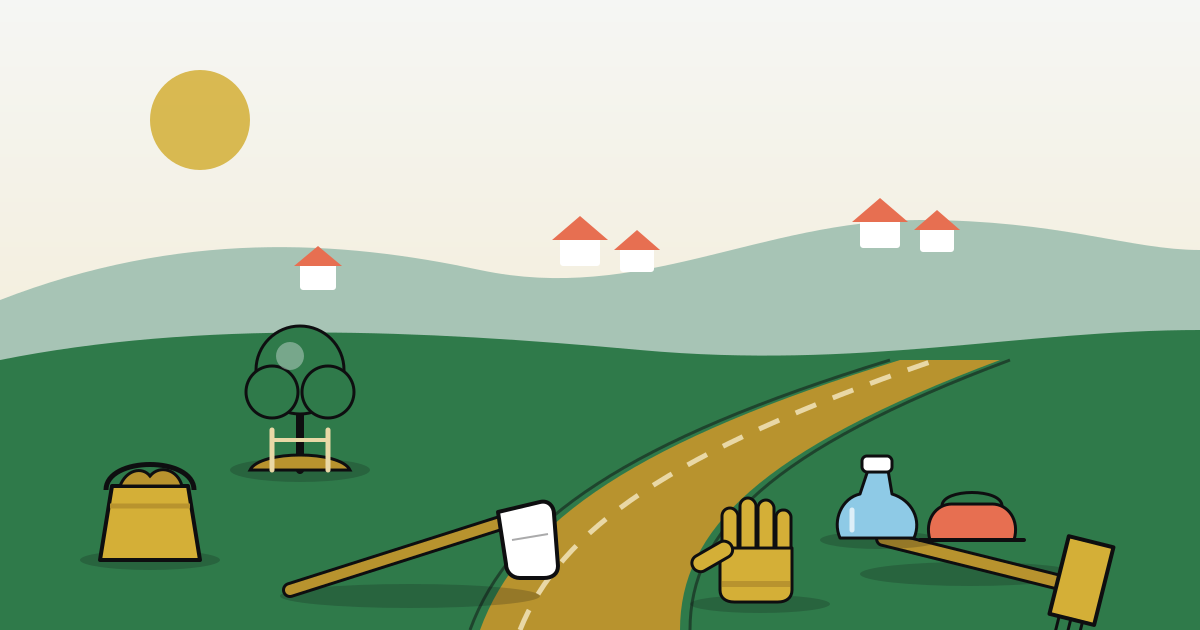
Umuganda is Rwanda's monthly community work, held on the last Saturday of the month. Neighbors come together to clean streets, clear drains, plant trees, fix paths or help a family in need, and it usually ends with a short community meeting. It is one of the things that keeps Kigali clean and connects people who live side by side.
Showing up prepared makes the morning easier for you and more useful for your neighbors. You do not need much: a tool if you have one, gloves, water, a hat and closed shoes go a long way. This checklist explains what to bring and why.
The exact task and start time are decided locally, so check with your umudugudu leaders or neighbors the week before. If you are new to Kigali, just come, introduce yourself and ask where you can help. People are welcoming.
Who it's for
Kigali residents, newcomers and expats joining monthly Umuganda community work in their neighborhood
Time needed
A few minutes to prepare the night before; the work itself usually takes the morning
When to shop
Any time before the last Saturday of the month; tools last for years
On the list
25 items, 9 must haves
0 of 25 ready
Tools for the work
Your local leaders will say what the task is. These are the tools most often used. If you do not own one, bring gloves and help with carrying or sweeping.
Hoe (isuka)
1Nice to haveThe hoe is the most common Umuganda tool, used for clearing weeds, digging drains and leveling paths.
How to use it: Keep the blade clean and dry between uses so it does not rust. Carry it blade down and away from others.
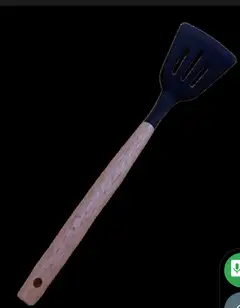 Spatula DDRWF3,000
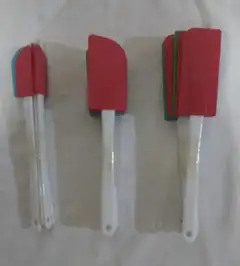 Spatula Set (3 Pcs Sizes)RWF5,000
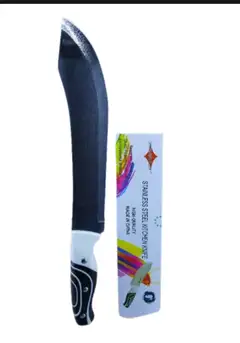
Machete (umuhoro)
1Nice to haveUsed for cutting tall grass and bushes along roads and drains.
How to use it: Only use it if you are comfortable with it, and keep a safe distance from others. Store it out of reach of children.
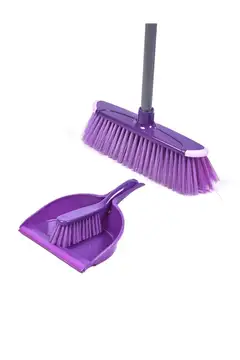
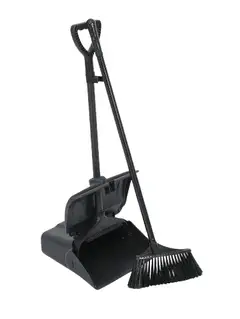
Broom
1 Must haveSweeping roads, paths and public spaces is a big part of many Umuganda mornings.
How to use it: A stiff outdoor broom works better on rough ground than a soft indoor one.
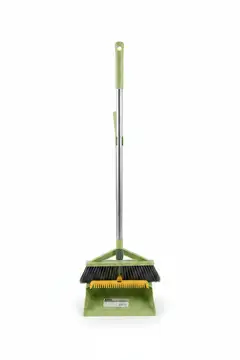
Dustpan
1Nice to haveCollecting what you sweep keeps rubbish from blowing straight back.
How to use it: A long-handled dustpan saves your back when you are collecting a lot.
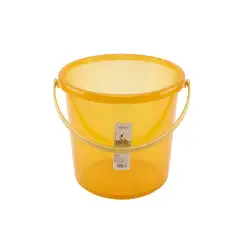
Plastic bucket
1Nice to haveBuckets carry soil, collected rubbish or water for planting.
How to use it: Choose a sturdy one with a strong handle. Do not overfill it with soil, it gets heavy fast.
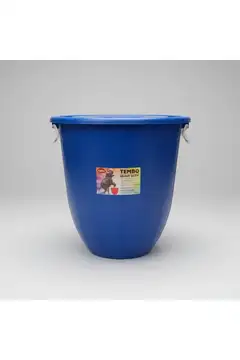
 Graduated plastic bucketRWF4,600
Shovel
1Nice to haveUseful for moving soil, digging holes for tree planting and clearing drains.
How to use it: Lift with your legs, not your back, and take breaks.

Protect yourself
Most Umuganda injuries are small cuts, blisters and sunburn. They are easy to avoid.
Gloves
1 pair Must haveGloves prevent blisters from tools and protect your hands when picking up rubbish.
How to use it: Use sturdy work gloves for tools. Disposable gloves are fine for picking up litter.
Closed shoes
1 pair Must haveDrains and roadsides can hide broken glass, nails and thorns.
How to use it: Wear old closed shoes or boots you do not mind getting muddy. Avoid sandals.
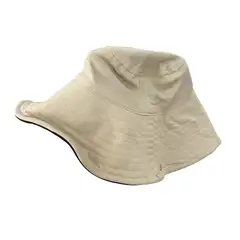
Sun hat
1 Must haveBy mid-morning the sun is strong, and you may be outside for hours.
How to use it: A wide brim or bucket hat protects your face and neck.
Sunscreen
1 bottleNice to haveLong hours outdoors at Kigali's altitude can burn skin of any tone.
How to use it: Apply before leaving home and again if you sweat a lot.
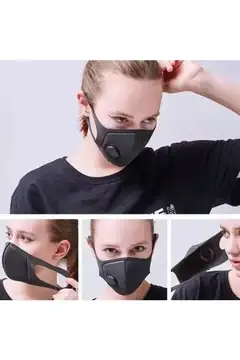
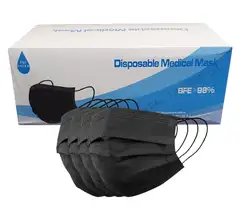
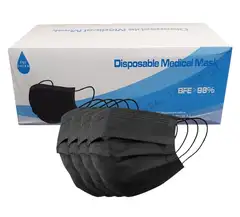
Face mask
1Nice to haveSweeping dry roads raises a lot of dust, especially in the dry season.
How to use it: Wear it while sweeping or clearing dusty areas, and use a fresh one next time.








Water and snacks
Physical work in the sun dehydrates you faster than you notice.
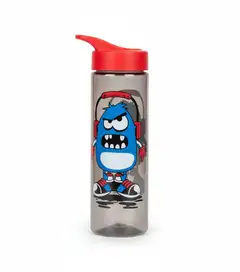
Water bottle
1 per person Must haveDrinking regularly keeps you working safely and avoids headaches and dizziness.
How to use it: Bring at least one litre per person and sip every 20 to 30 minutes.

Drinking water
1 to 2 bottles Must haveExtra water is welcome for you and for neighbors who forgot theirs.
How to use it: A 1.5 litre bottle or two in a bag is easy to share.
Bananas
1 to 2 per personNice to haveBananas are a quick, natural energy boost when you start to tire.
How to use it: Eat a light breakfast before you go and bring a banana for later.
Roasted peanuts
1 small packNice to haveA small handful keeps hunger away until lunch.
How to use it: Pack a small bag in your pocket.
Biscuits
1 packNice to haveEasy to share with neighbors and children during the break.
How to use it: Bring a pack to share during the community meeting.
Juice
OptionalNice to haveIf you want to give back, a few bottles of juice or water for your group is a kind gesture.
How to use it: Coordinate with neighbors so not everyone brings the same thing.
 Inyange Passion Juice 1LRWF2,800
 Inyange Pineapple Juice 1LRWF3,500
 Fruitville Cranberry Juice 1LRWF7,650













Weather and comfort
Umuganda happens in the rainy season too, so be ready for a shower.
Raincoat
1Nice to haveA light raincoat lets you keep working through a short shower.
How to use it: Fold it into your bag in the rainy months, March to May and October to December.
Small towel
1Nice to haveHandy for wiping sweat and dust off your face and hands.
How to use it: Tuck it into your pocket or around your neck.
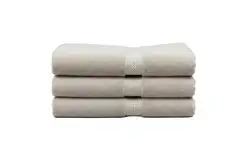 Plush Bath Mat/ Towel 100*100cmRWF15,000
 Small TowelRWF1,500
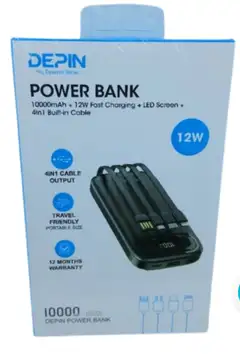
Power bank
1Nice to haveYour phone may be your way to coordinate with neighbors and leaders.
How to use it: Charge it the night before and keep your phone in a pocket away from mud and water.



Clean up and first aid
Wash up well after the work, and be ready for small cuts.
Hand sanitizer
1 small bottle Must haveThere may not be water nearby before you eat or touch your face.
How to use it: Use it after handling rubbish and before eating snacks.
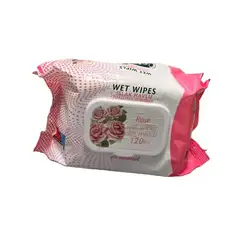
Wet wipes
1 packNice to haveClean hands and faces quickly before the community meeting.
How to use it: Keep a small pack in your bag.
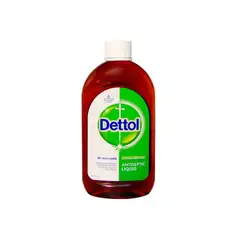
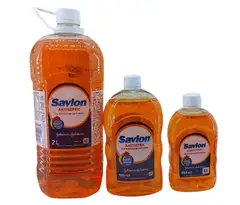
Antiseptic
1 small bottle Must haveSmall cuts and scrapes from tools or thorns should be cleaned right away.
How to use it: Clean the cut with water and antiseptic and cover it. See a health center if a wound is deep or was caused by rusty metal.
Soap
1 bar Must haveA proper wash with soap after the morning removes dirt and germs from hands and tools.
How to use it: Wash hands, arms and tools when you get home, and dry tools before storing them.
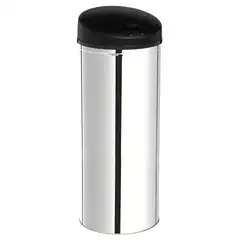
Garbage bin
1Nice to haveIf your group collects litter, you need somewhere to put it at home or in the compound until collection.
How to use it: Follow your area's waste collection rules, and keep bins covered.











Step by step
- 1
The week before
Ask your neighbors or umudugudu leaders about the task, the meeting point and the start time. Check your tools and buy gloves, water bottles or anything missing.
- 2
Friday night
Lay out old clothes, closed shoes, your hat and gloves. Fill water bottles, pack snacks, charge your phone and power bank.
- 3
Saturday morning
Eat a light breakfast, put on sunscreen and arrive on time with your tool. Introduce yourself if you are new.
- 4
During the work
Follow the leaders' instructions, drink water often, take short breaks and help carry or sweep if you do not have a tool.
- 5
Afterwards
Stay for the community meeting, then wash up, clean and dry your tools and store them for next month.
Tips that help
- Most shops and many services pause during Umuganda hours, so plan errands for the afternoon.
- Wear clothes you do not mind getting muddy or stained by red soil.
- Write your name or mark your tools with paint so they come home with you.
- If you cannot do heavy work, you can still help by sweeping, carrying water or organizing.
- Use the community meeting to meet neighbors. It is one of the best ways to feel at home in Kigali.
Mistakes to avoid
- Wearing sandals or open shoes near drains and bushes.
- Forgetting water and getting dizzy in the late morning sun.
- Using a machete or hoe carelessly near other people.
- Leaving before the community meeting, where important local news is often shared.
Questions people ask
When is Umuganda in Kigali?+
Umuganda takes place on the last Saturday of each month, usually in the morning, followed by a community meeting. Exact times and tasks are set locally, so ask your umudugudu leaders or neighbors.
What should I bring to Umuganda?+
Bring a tool if you have one, such as a hoe or broom, plus gloves, closed shoes, a hat, water and a small snack. A raincoat helps in the rainy seasons.
Do foreigners and expats take part in Umuganda?+
Many foreigners living in Rwanda join Umuganda in their neighborhood and are welcomed. Ask your neighbors or local leaders about the rules that apply to you.
What if I do not have any tools?+
Come anyway. You can help carry, sweep or collect litter, and neighbors often share tools. Gloves are the most useful thing to bring if you have nothing else.
Where can I buy Umuganda supplies in Kigali?+
Brooms, buckets, gloves, water bottles, hats, sunscreen and first aid basics can be ordered on Isokko and delivered before the weekend. Larger tools may also be found at local hardware shops.
Umuganda is a few hours each month that make a real difference to your neighborhood, and a great way to get to know the people around you. Come prepared, look after yourself and your neighbors, and enjoy the work. You can order the supplies on this checklist on Isokko before the last Saturday of the month.
Shop this list
Get everything delivered in Kigali
Order from local stores on Isokko and pay with MoMo, card or cash. Same-day delivery.