
Checklist · Emergencies & power cuts
Preparing for a Three Day Power Outage in Kigali: Checklist
A three day power outage checklist for Kigali homes. Lights, power banks, water, food and cooking gear for longer cuts.
Updated November 24, 2026 · By Isokko
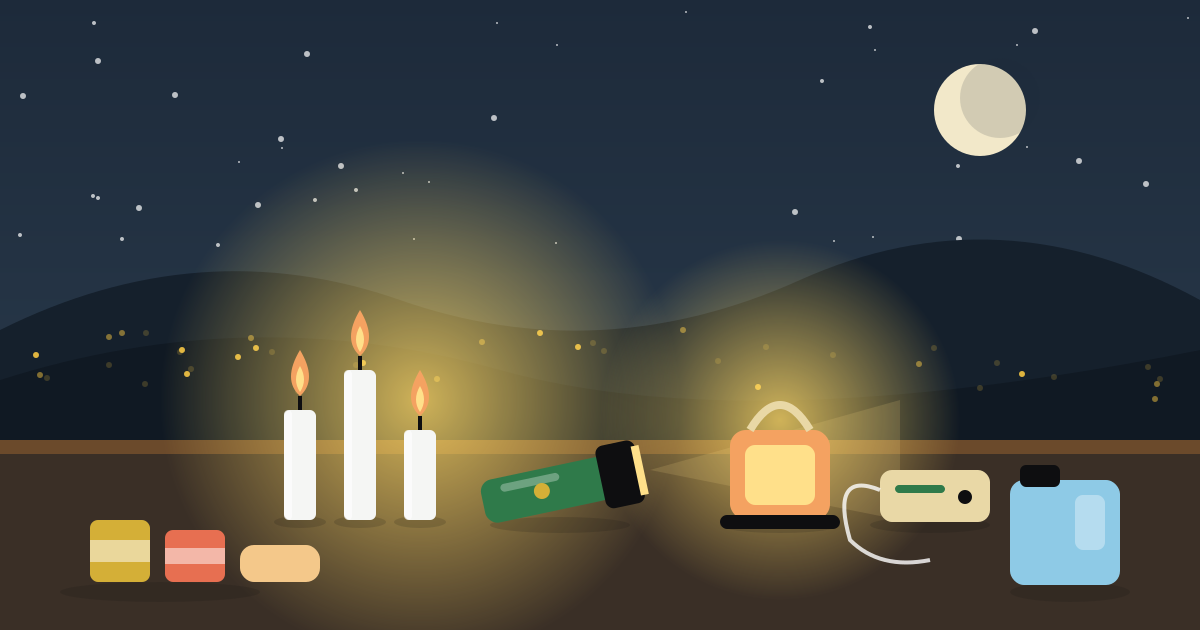
Most power cuts in Kigali are short. Sometimes they last longer, and storms can take lines down. When the power is out for a day or three, you need light, charged phones, safe water, food that does not need a fridge and a way to cook.
This checklist covers the main things for three days. It is not about panic buying. It is about having a small, tidy kit on a shelf so you can stay calm.
Check what you already have first. Test torches and power banks, and replace what is flat or missing.
Who it's for
Households in Kigali who want to be ready for a longer power cut
Time needed
Shop once, check your kit every few months
When to shop
Buy before the rainy seasons, March to May and October to December
On the list
39 items, 20 must haves
0 of 39 ready
Light
Safe light so no one trips or uses a flame near children.
Rechargeable LED torch
2 Must haveOne bright torch per adult makes moving around the house safe.
How to use it: Charge it fully when the power is on. Keep it by your bed or the door.
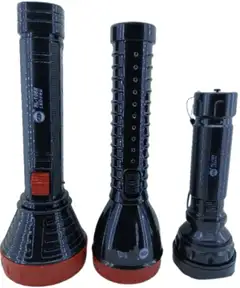 LED Rechargeable Power Torch 1WRWF5,000
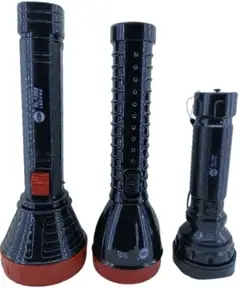 LED Rechargeable Power Torch 1WRWF7,500
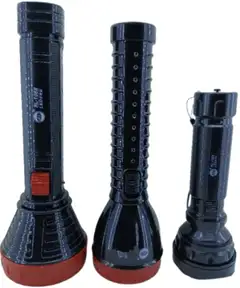 LED Rechargeable Power Torch 1W BigRWF10,000
Rechargeable lamp
1 to 2 Must haveA lamp lights a whole room, which a torch cannot.
How to use it: Charge it every few weeks even when you do not use it. Keep it somewhere easy to find.
Spare batteries
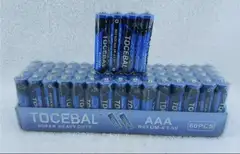
2 to 4 packs Must haveTorches and radios stop when batteries die. Keep a few spare sets.
How to use it: Check the sizes your devices use. Store batteries in a dry place away from heat.
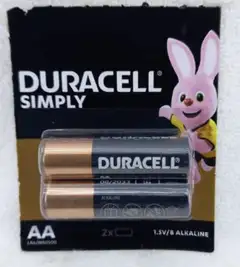
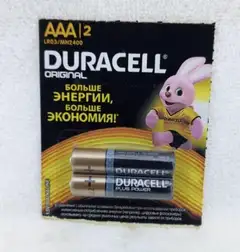 Duracell Original AAA2 BatteriesRWF3,000
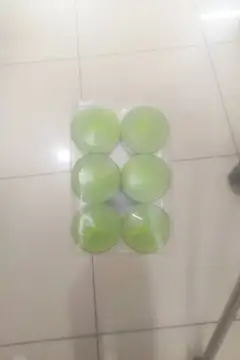
Candles
6 to 10Nice to haveA backup for light. Use them with care.
How to use it: Put each candle in a stable holder on a flat surface. Never leave them burning when you leave the room.
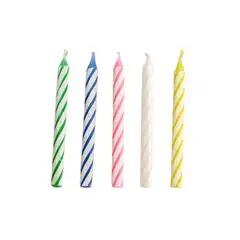 Birthday Candles 12 PiecesRWF3,000

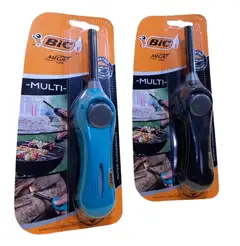
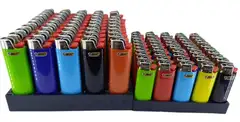
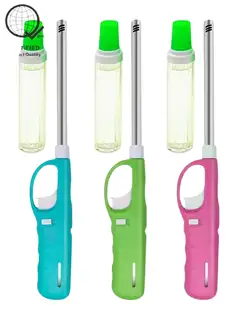
Matches or a lighter
1 to 2 Must haveNeeded for candles and gas stoves.
How to use it: Keep them dry and out of children's reach.
Headlamp
1Nice to haveHands free light helps when you cook or carry things.
How to use it: Keep it in the kit and charge it or replace its batteries when needed.
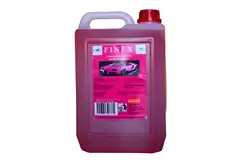
 BHI Glamorous Car Shampoo 5LRWF14,000
 BHI Car Shampoo 5LRWF20,000
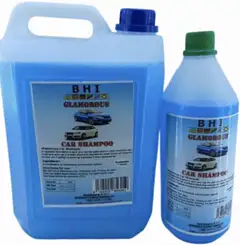 BHI Glamorous Car Shampoo 1LRWF3,000

Power and phones
Stay in touch and keep important devices running.
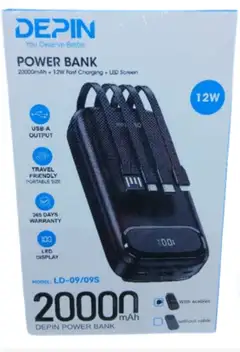
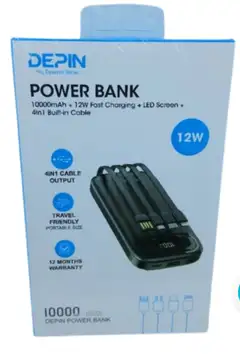
Power bank
1 to 2 Must havePhones are your light, radio, MoMo and way to call for help. A power bank keeps them alive.
How to use it: Charge it fully every month. A 10000mAh bank can charge a typical phone about 2 to 3 times.
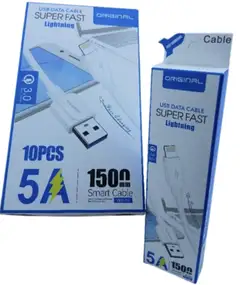
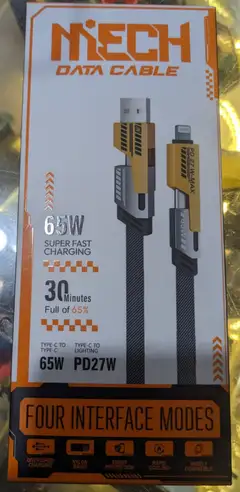
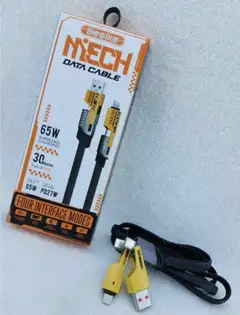
Phone charging cables
2 Must haveA broken cable makes a full power bank useless.
How to use it: Keep one spare in your kit and one in your bag.
Battery radio
1Nice to haveNews and alerts can still reach you when mobile data is weak.
How to use it: Check it works. Keep spare batteries.
 AY ToyRWF2,500
 Fast Race Remote Control Toy Ages 3+RWF16,000
Extension socket
1Nice to haveWhen power comes back you can charge many devices at once.
How to use it: Do not overload it. Check the label for the safe limit.
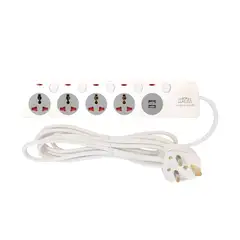 Simba Extension Socket 5 WayRWF23,050
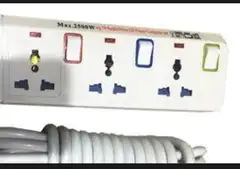 Kidris Multi Socket (3 Ways)RWF9,600
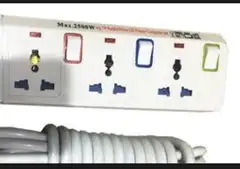 Kadris Multi Socket (6 Ways)RWF14,100
Wall charger
1Nice to haveQuick charging when the power returns saves time.
How to use it: Keep spare chargers together in the kit.
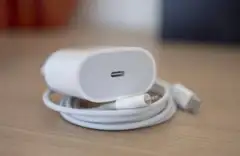 Normal iPhone ChargerRWF16,000
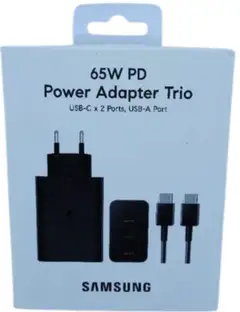 Samsung Power Adapter ChargerRWF10,000
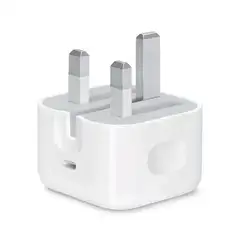 Apple iPhone Type C Charger 3-PinRWF60,000
Solar lamp or charger
1Nice to haveSunlight can charge a solar lamp for free.
How to use it: Put it in a sunny spot during the day. Check it is working before you need it.

Water
Plan for about 3 litres per person per day for drinking and basic needs.
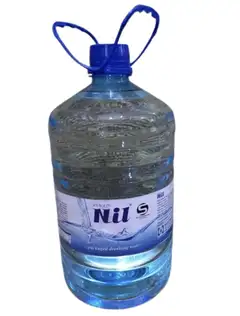
Bottled drinking water 5L
3 to 6 Must haveSafe drinking water for three days.
How to use it: Store out of the sun. Count how many people you have and buy enough for drinking and cooking.
Water jerrycan
1 to 2 Must haveStore extra water for washing and flushing, in case the water supply also stops.
How to use it: Clean it first and fill it with clean water. Keep the lid tight.
 Plastic Empty Jerrycan 20LRWF4,000
Clean buckets with lids
2 Must haveWater for washing, cleaning and flushing.
How to use it: Wash before use and keep them covered so insects stay out.
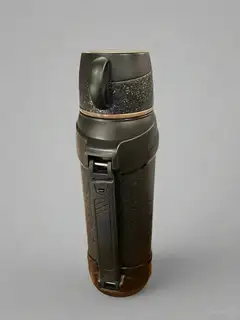
Thermos flask
1Nice to haveA hot drink helps on cold nights. Fill it before the power goes if you can.
How to use it: Use boiling water and close the lid tightly.
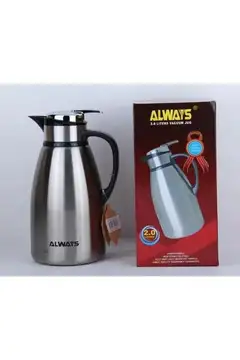 Unbreakable Silver Pressing FlaskRWF12,000
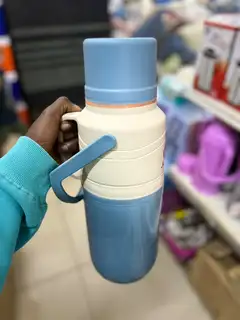 Sky Blue Large Thermal Flask 3LRWF18,000
Water dispenser
1Nice to haveA big bottle and pump makes drinking easier for a family.
How to use it: Keep it clean. Replace the bottle as it empties.

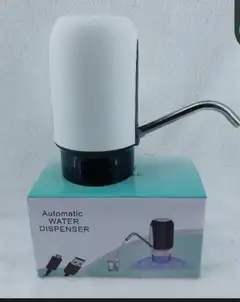 Automatic Water DispenserRWF21,000
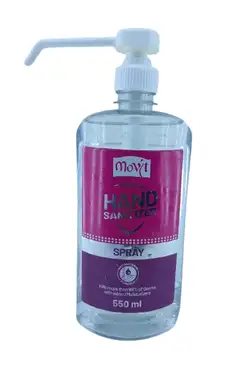
Hand sanitizer
2Nice to haveWithout much water, sanitizer keeps hands clean before eating.
How to use it: Keep a bottle near the kitchen and one in the bathroom.






Food that keeps
Foods that do not need a fridge and cook fast.
Rice
2 to 5 kg Must haveLong lasting and filling.
How to use it: Store in a closed container. Cook only what you need.
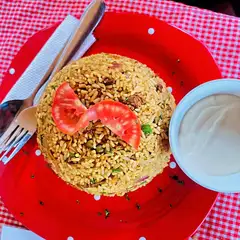 Beef Pilau Rice and ColeslawRWF9,500
 Chicken Rice BowlRWF13,000
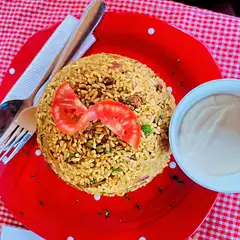 Chicken Rice Pilau and ColeslawRWF8,500
Beans
2 to 4 cans Must haveCanned beans need no cooking. Dry beans are cheaper but need fuel and time.
How to use it: Choose canned beans for the first day.
 Green Beans and Potato SaladRWF11,000
 Virginia Garden Pinto Beans 400gRWF3,700
Maize flour
2 kg Must haveThe base for ugali, which is quick and filling.
How to use it: Store in a dry place away from pests.
Canned fish
3 to 6 cans Must haveTuna or sardines are ready to eat and give protein.
How to use it: Check dates. Keep a can opener in the kit.
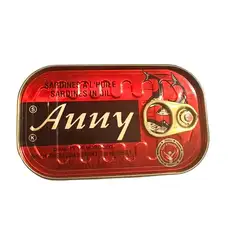 Anny Sardines in Oil 125gRWF2,000
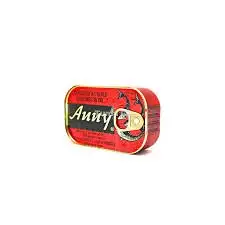 Anny Sardines 125gRWF2,500
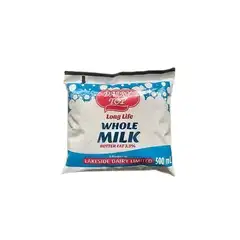
Long life milk
3 to 6Nice to haveUHT milk keeps for months before opening.
How to use it: Check the date and use opened milk quickly.
Bread and biscuits
2 loaves, 2 packsNice to haveQuick food for the first day.
How to use it: Eat bread first, then biscuits. Keep them dry.
 La Galette Sliced Bread 800gRWF2,500
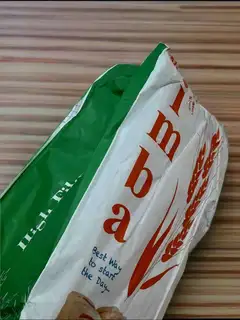 Simba High Fiber Low Carb BreadRWF2,500
Peanut butter
1 jarNice to haveTasty, filling and keeps well without a fridge.
How to use it: Pair it with bread or biscuits for a fast meal.
 Humura Peanut Butter 800gRWF12,800
 Nuty and More Peanut Butter 800gRWF12,000
Can opener
1 Must haveCans are useless without one.
How to use it: Test it before you need it.
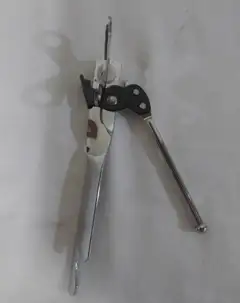 Can OpenerRWF4,400
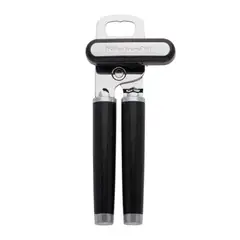 KitchenAid Can OpenerRWF42,550








Cooking and heat
Cook safely when the electric cooker is out.
Filled gas cylinder
1 to 2 Must haveGas lets you cook even when the power is out.
How to use it: Check the level before a storm. Keep a spare if you can store it safely.
Gas regulator
1Nice to haveFits your cylinder and is needed for safe cooking.
How to use it: Check the hose for cracks and that it fits tight.
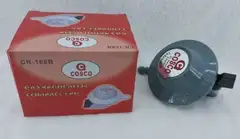 Cosco CR-168B Gas RegulatorRWF13,800
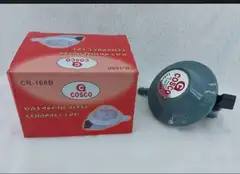 Costco CR-168B Gas RegulatorRWF10,000
Charcoal
1 sackNice to haveA backup fuel for outdoor cooking.
How to use it: Cook outside or in a very well ventilated space. Never burn charcoal in a closed room.
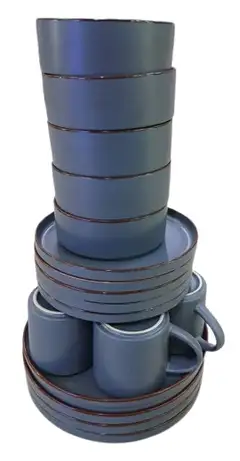
Paper plates
1 packNice to haveSaves water when washing is hard.
How to use it: Keep a pack in the kit.
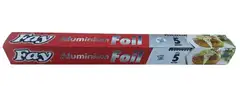
Aluminum foil
1 rollNice to haveWrap and cook food over coals or keep leftovers.
How to use it: Handle hot foil with care.
Cooler box
1Nice to haveKeeps cold foods cool for several hours.
How to use it: Pack with ice or frozen bottles. Open it only when needed.
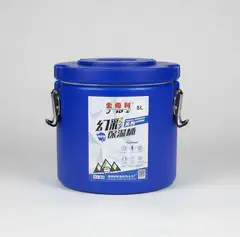 Blue Insulated Cooler Box 8LRWF15,000






Hygiene and health
Stay clean and safe for several days.
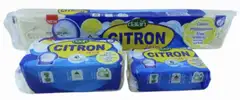
Toilet paper
6 to 10 Must haveAlways needed and always missing when you need it.
How to use it: Keep a few rolls extra.
 Toilet Paper 32 PiecesRWF30,800
 Prima Toilet Paper 10 RollsRWF16,400
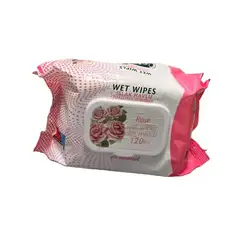
Wet wipes
2 packs Must haveQuick cleaning when water is limited.
How to use it: Do not flush wipes. Put them in a bin.
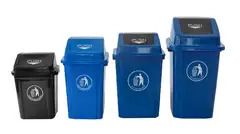
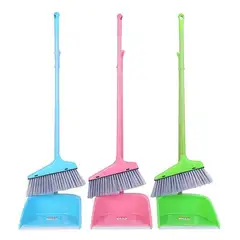
Dustbin and bin bags
1 Must haveWithout a fridge and daily trash pickup, waste smells quickly.
How to use it: Keep extra bags and tie them well.
First aid kit
1 Must haveBasic care for small cuts and burns.
How to use it: Check the kit every few months and replace what is used. Ask a pharmacist about family medicines.
 Gullon Pastries BiscuitsRWF4,250
Soap
2 Must haveHand washing is the most important health habit.
How to use it: Use a small amount of water and wash for 20 seconds.
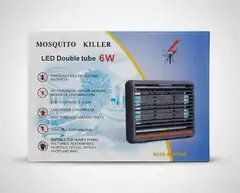
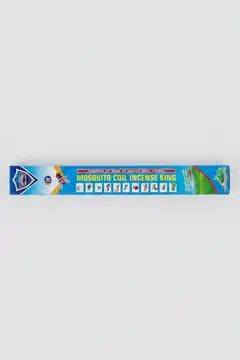
Mosquito coil
1 packNice to haveFans stop with the power, so mosquitoes can be worse at night.
How to use it: Use as directed and keep ventilated.
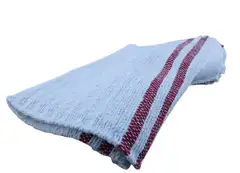
Blanket
1 eachNice to haveNights in Kigali can be cool when the heater or fan is out.
How to use it: Keep one per person where you can find it.








Step by step
- 1
Check what you have
Test torches, power banks and radios. Make a list of what is missing.
- 2
Buy lights and power
Get torches, a lamp, batteries and a power bank.
- 3
Store water and food
Buy bottled water and long lasting food for three days.
- 4
Prepare cooking
Fill or check your gas. Pack matches and a can opener.
- 5
Put it in one place
Keep the kit in a box on a shelf and tell everyone where it is.
Tips that help
- Charge everything when you hear that a cut is likely.
- Keep your kit together in one box with a list on the lid.
- Unplug devices so a power surge does not damage them.
- Open the fridge as little as possible. A closed fridge keeps cool for a few hours.
- Use the food from the fridge first, then the pantry.
- Keep phone use low to save battery. Use airplane mode at night.
- Check on elderly neighbors if it is safe to do so.
- Swap batteries and water every few months.
Mistakes to avoid
- Using candles near curtains or leaving them burning when you sleep.
- Cooking with charcoal indoors in a closed room.
- Waiting for the cut to start before charging power banks.
- Buying lots of food that needs cooking and has no fuel.
- Forgetting a can opener, lighter or spare batteries.
Questions people ask
How much water do we need for three days?+
A common guide is about 3 litres per person per day for drinking and basic needs. Add more for cooking and washing. Count the people in your home and store extra.
What is the best light for a power cut?+
A rechargeable lamp for the room and a torch for each adult are the safest. Use candles only as a backup, with care.
How long does a power bank last?+
It depends on its size and your phone. A 10000mAh power bank can charge many phones about two or three times. Charge it every month so it is ready.
Is it safe to cook with charcoal?+
Only outdoors or in a well ventilated place. Charcoal gives off gas that can be dangerous in closed rooms.
What food is best?+
Rice, beans, maize flour, canned fish, long life milk, biscuits and peanut butter keep well and are easy to cook.
Should I stock for the whole family?+
Being ready takes one shopping trip and a little care. Build your three day kit, store it in one place and rest easy when the lights go off. Shop the list on Isokko and have it delivered in Kigali.
Shop this list
Get everything delivered in Kigali
Order from local stores on Isokko and pay with MoMo, card or cash. Same-day delivery.