
Checklist · Baby & family
Back to Work After Maternity Leave: Pumping and Feeding Checklist
Going back to work in Kigali after maternity leave? This checklist covers pumping at the office, storing and transporting breast milk, bottles and a plan for your baby's caregiver.
Updated November 16, 2026 · By Isokko

The end of maternity leave comes fast. Suddenly you are planning commutes, a caregiver's routine and how your baby will eat while you are at work. If you want to keep giving breast milk, a little preparation makes it much more manageable.
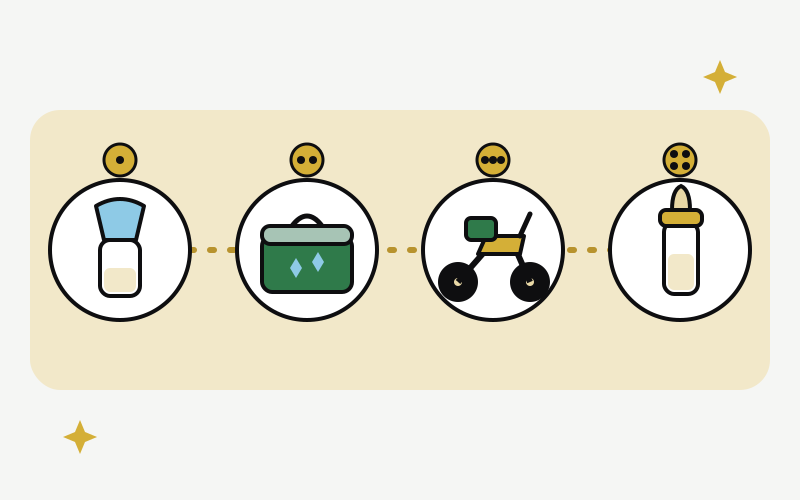
This checklist covers four things: pumping at work, storing and carrying milk home safely, what your baby's caregiver needs for bottle feeds, and the small things that help you get through long days. It works whether you will express milk, use formula during the day, or combine both.
Before your first day back, talk to your manager or HR about breastfeeding breaks and a private, clean place to express milk. Ask what your workplace offers and what your rights are. Many employers in Kigali are supportive once you ask clearly.
Who it's for
Mothers in Kigali returning to an office, shop or other job while still feeding their baby breast milk, formula or both
Time needed
Start preparing 2 to 4 weeks before your first day back
When to shop
Buy the pump and bottles 3 to 4 weeks before; restock pads and bottles as needed
On the list
25 items, 11 must haves
0 of 25 ready
Pumping kit
Your pump is the center of everything. Choose one you will actually use several times a day.
Breast pump
1 Must haveExpressing milk at work keeps your supply going and gives your baby breast milk while you are away.
How to use it: Start practicing two to three weeks before going back so you learn how it works. A manual pump is quiet and needs no power; an electric pump is faster if you have a socket.
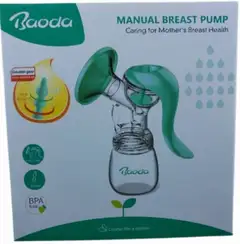 Baoda Manual Breast PumpRWF42,000
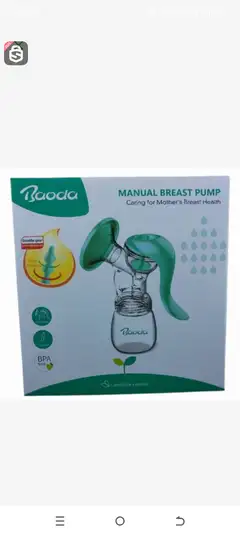 Baoda manual breast pumpRWF40,000
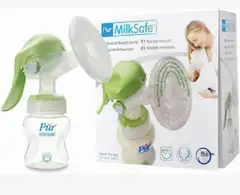 Breast pump manual with wide neckRWF98,000
Spare pump parts and teats
1 setNice to haveSmall parts get lost or worn, and a missing valve can end a pumping session.
How to use it: Keep a spare set in your work bag. Replace teats on bottles when they look stretched or cracked.
Breast pads
2 boxes Must haveLeaking during meetings is common, especially when you are away from your baby.
How to use it: Keep extras in your desk drawer and change them after each pumping session.
 Disposable breast pads 40pcs MediumRWF27,800
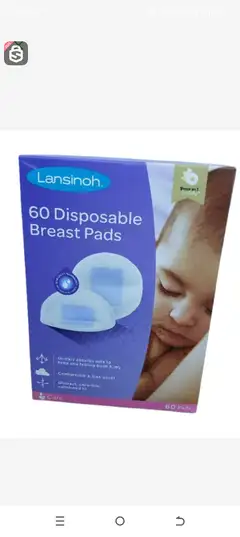 Lansinoh 60 disposable breast padsRWF30,000
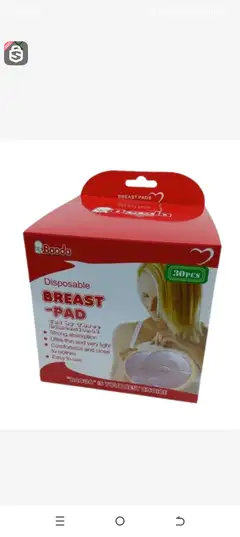 Baoda disposable breast pads 30grRWF16,000
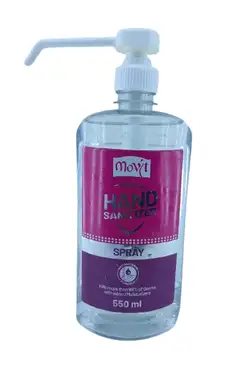
Hand sanitizer
1 bottle Must haveClean hands before pumping keep your milk safe, especially when the office sink is far.
How to use it: Wash with soap and water when you can, and use sanitizer when you cannot.
Light scarf or cover
1Nice to haveHelps you feel more comfortable if you pump in a shared space or have to step out quickly.
How to use it: A large scarf or kitenge works fine. Ask for a private space whenever possible.
Extension socket
1Nice to haveIf you use an electric pump, the only socket may be far from a comfortable chair.
How to use it: Keep a small extension in your work bag. Charge a rechargeable pump in case of power cuts.
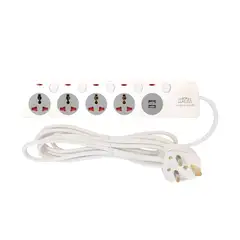 Simba Extension Socket 5 wayRWF23,050
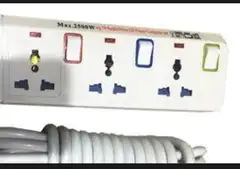 Kidris Multi socket (3 ways)RWF9,600
 Kadris Multi socket (6 ways)RWF13,200

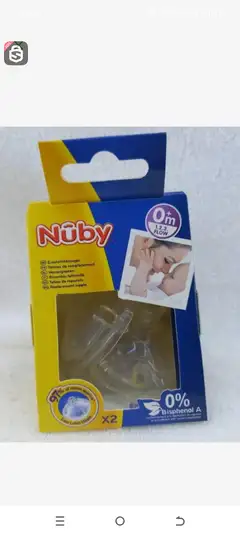






Storing and carrying milk
Expressed milk needs to stay cold from your workplace to your home. Kigali traffic and warm afternoons make this important.
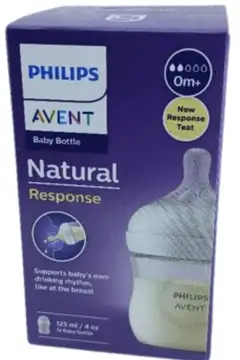
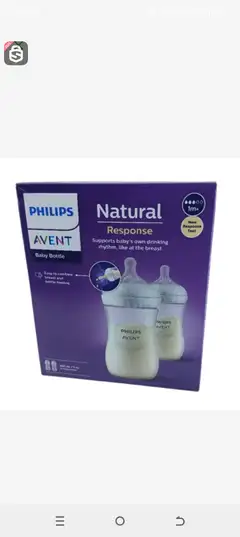
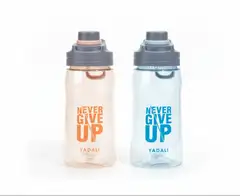
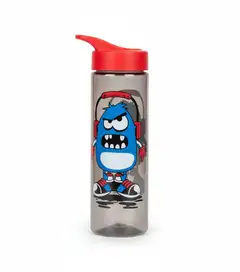
Feeding bottles for storing milk
4 to 6 Must haveClean bottles with lids are an easy way to store and carry expressed milk.
How to use it: Fill only to the line, close tightly and label with the date and time. Use the oldest milk first.
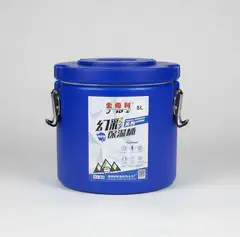
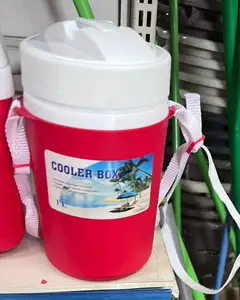
Small insulated cooler box
1 Must haveKeeps milk cold on the moto, bus or car ride home.
How to use it: Pack milk with frozen ice packs or frozen water bottles. Put milk in the fridge as soon as you get home.
Ice cube trays or frozen bottles
2 to 3 Must haveIce packs keep milk cool when there is no fridge at work or the power goes off.
How to use it: Freeze small water bottles overnight and use them as ice packs in your cooler.
Tape and marker for labels
1 rollNice to haveLabeling each bottle with the date and time helps the caregiver use milk in the right order.
How to use it: Write on a piece of tape and stick it on the bottle. Ask the caregiver to always use the oldest first.
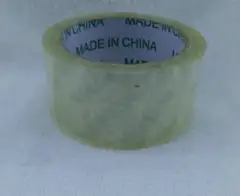 Plastic tapeRWF2,000
 Plastic TapeRWF3,000
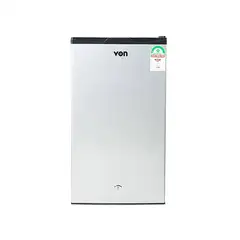
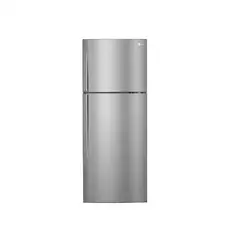
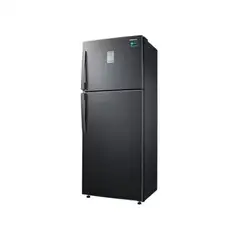
Fridge space or a small fridge
1Nice to haveMilk stays fresh much longer in a fridge, and a home fridge is where most of your stock will live.
How to use it: Keep milk at the back of the fridge, not in the door. Ask a nurse or pediatrician how long to store milk at room temperature, in the fridge and in the freezer.


Cleaning
Pump parts and bottles need washing after every use. Make it easy at home and at work.
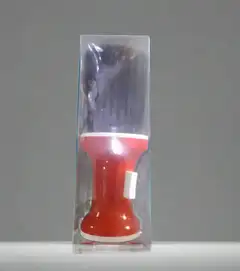
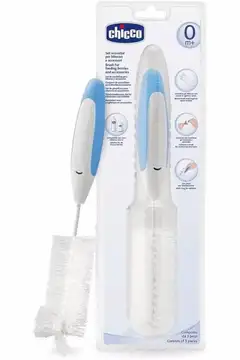
Bottle brush
2 Must haveMilk residue hides in pump parts and bottle necks.
How to use it: Keep one at home and one at work. Replace when the bristles flatten.
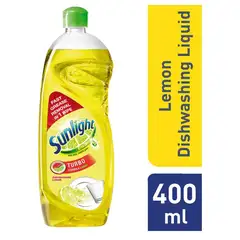
Dishwashing liquid
1 bottle Must haveHot soapy water is the basic way to clean pump parts and bottles.
How to use it: Rinse parts in cold water first to remove milk, then wash in hot soapy water and rinse well.
Dish drying rack
1Nice to haveParts need to air dry fully on a clean surface, not on a used towel.
How to use it: Use a rack only for baby things, in a clean corner of the kitchen.
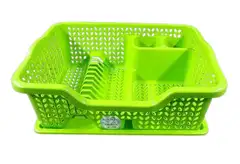 Kenstar elegant Kitchen Dish RackRWF20,700
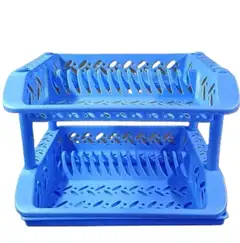 2in1 Kitchen Dish RackRWF15,000
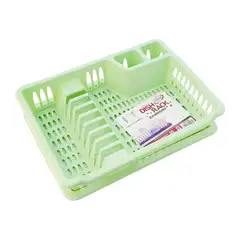 Housewares Series Kitchen Dish RackRWF11,500
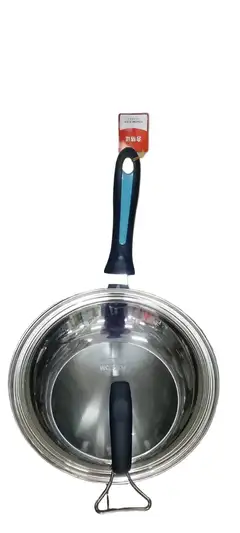
Saucepan or electric kettle for sterilizing
1Nice to haveBoiling bottles and parts is a simple way to sterilize them if your pediatrician recommends it.
How to use it: Boil in clean water as your pump instructions say, then let them dry on a clean rack.
 Red Non-Stick SaucepanRWF15,000
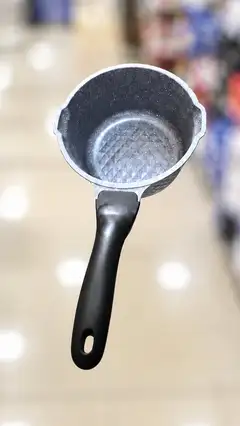 Granite Milk Pan / SaucepanRWF12,000
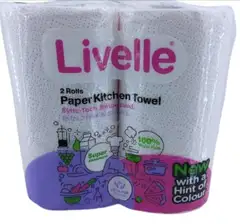
Kitchen towels
2 rollsNice to haveFor drying hands and wiping the pumping area at work.
How to use it: Use paper towels at work so you are not using a shared cloth.




For your baby's caregiver
Whether it is a grandmother, a nanny or a daycare, the caregiver needs the right tools and clear instructions.
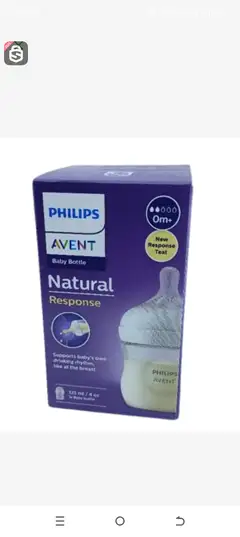
Extra feeding bottles
3 to 4 Must haveThe caregiver needs enough clean bottles for each feed of the day.
How to use it: Start your baby on a bottle a few weeks before you go back, ideally given by someone else.
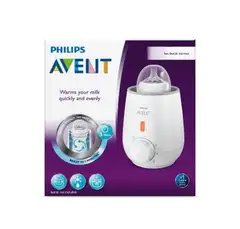
Bottle warmer or flask of warm water
1Nice to haveMany babies prefer milk warmed to body temperature.
How to use it: Warm milk by standing the bottle in warm water. Never boil breast milk or warm it in a microwave. Test on the wrist.
Backup formula, if advised
1 tinNice to haveSome families use formula for some feeds, or as a backup on days when milk runs short.
How to use it: Talk to your pediatrician about which formula to use, and show the caregiver how to prepare it exactly as the tin says.
Notebook for a feeding log
1Nice to haveA simple log shows you how much your baby drank, slept and how many diapers were changed.
How to use it: Ask the caregiver to write times and amounts. It helps you plan how much milk to pump.
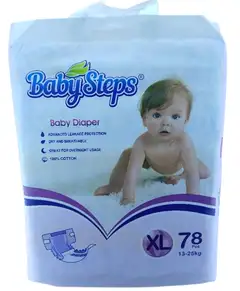
Diapers and wipes stock
1 pack each Must haveSo the caregiver never runs out while you are stuck at work.
How to use it: Keep a full pack at home or daycare and restock weekly.
 Evy Baby Diapers N5 (11-25kg) 46pcsRWF27,800










Taking care of you
Making milk, working and waking at night takes real energy. Plan for it.
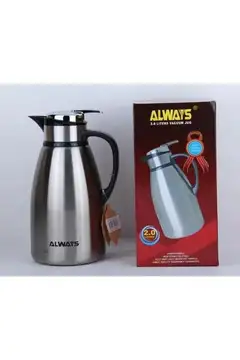
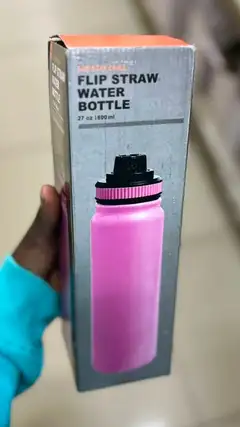
Large water bottle
1 Must havePumping and breastfeeding make you thirsty, and it is easy to forget to drink at work.
How to use it: Fill it each morning and refill after every pumping session.

Healthy desk snacks
A weekly stockNice to haveYou will be hungrier than before your baby. Snacks stop the 4 pm crash.
How to use it: Keep nuts, dates, fruit and biscuits in your drawer.
 KIBEMBE Roasted Cashew Nuts 270grRWF10,500
 KIBEMBE Roasted cashew nuts 500grRWF11,000
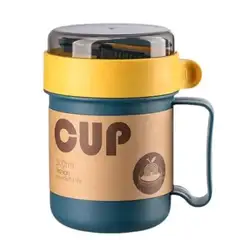
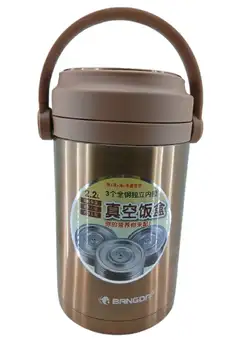
Lunch box
1Nice to haveBringing lunch saves time you can use for pumping, and ensures you eat well.
How to use it: Pack leftovers from dinner the night before.
Roomy work bag
1Nice to haveYou will carry a pump, bottles, a cooler and your normal work things.
How to use it: A large tote with an inside pocket keeps the pump separate from your laptop.





Step by step
- 1
Four weeks before
Talk to HR about breastfeeding breaks and a private room. Choose a caregiver or daycare and buy your pump and bottles.
- 2
Three weeks before
Start pumping once a day after a morning feed to learn the pump and build a small store of milk in the freezer.
- 3
Two weeks before
Have someone else offer a bottle once a day so your baby gets used to it. Do a practice morning with the caregiver.
- 4
Your first week back
Pump around the times your baby would usually feed. Bring milk home in a cooler and label everything.
- 5
Ongoing
Check the feeding log, adjust how much you pump, and restock bottles, pads and diapers every week.
Tips that help
- Try to go back on a Wednesday or Thursday so your first week is short.
- Look at a photo or video of your baby while pumping. It can help your milk flow.
- Keep a spare top in your office in case of leaks.
- Breastfeed right before you leave in the morning and as soon as you get home.
- Plan for traffic. A long commute means your cooler needs to stay cold longer.
- If your milk supply drops, talk to a midwife, lactation counselor or doctor before you give up.
Mistakes to avoid
- Buying a pump the night before going back and never having tried it.
- Storing milk in the fridge door, where the temperature changes every time it is opened.
- Not telling your manager what you need, then struggling to find time and space.
- Introducing the bottle for the first time on your first day back.
- Skipping pumping sessions on busy days, which can lower supply.
Questions people ask
How often should I pump at work?+
Many mothers pump about as often as their baby would feed, often every three to four hours. Your midwife or a lactation counselor can help you plan a schedule that fits your workday.
How long can breast milk be stored?+
Guidance varies with temperature and storage method. Ask your pediatrician or nurse for clear storage times for room temperature, fridge and freezer, and write them on a note on your fridge for the caregiver.
Do I have a right to breastfeeding breaks at work in Rwanda?+
Rwandan labor rules include provisions for nursing mothers, but details can change and differ by employer. Ask your HR department or check the current labor law so you know exactly what applies to you.
What if my baby refuses the bottle?+
It is common. Try a different teat, let someone else offer the bottle when you are out of the room, and try when the baby is calm but a little hungry. A small cup or spoon can also work. Ask your pediatrician if feeding becomes a worry.
Can I get breast pumps and baby bottles delivered in Kigali?+
Yes. Breast pumps, bottles, breast pads, cooler boxes and baby care products are available on Isokko for delivery to your home or office.
Going back to work while feeding your baby is a juggling act, and every drop of milk counts, whether you pump all day or combine with formula. Prepare a few weeks ahead, talk to your employer, and keep your kit simple. You can order the pump, bottles and everything else on this list on Isokko for delivery in Kigali.
Shop this list
Get everything delivered in Kigali
Order from local stores on Isokko and pay with MoMo, card or cash. Same-day delivery.