
Checklist · Baby & family
New Mom Postpartum Recovery Kit: What to Buy in Kigali
A practical postpartum recovery kit checklist for new mothers in Kigali: bleeding and healing care, breastfeeding comfort, nourishing food, rest and when to see a doctor.
Updated November 15, 2026 · By Isokko

Everyone prepares for the baby. Far fewer people prepare for the mother. Yet the weeks after birth bring bleeding, sore breasts, stitches or a cesarean scar, broken sleep and a huge appetite, all while caring for a newborn.
In many Rwandan families, the new mother is expected to rest at home while relatives and neighbors visit, cook and bring porridge. That support is precious. This checklist makes sure the practical things are ready too: supplies for healing, breastfeeding comfort, nourishing food and a few things that simply make you feel better.
This is common sense care, not medical advice. Your midwife, doctor or pharmacist knows your situation best, and the section on warning signs at the end matters more than anything you buy.
Who it's for
New mothers in Kigali and the partners, sisters and friends caring for them in the first six weeks
Time needed
Shop in the last month of pregnancy, then restock weekly
When to shop
Have the basics home before the birth; order food and pads weekly after
On the list
25 items, 14 must haves
0 of 25 ready
Bleeding and healing
Bleeding after birth is normal and can last several weeks. It starts heavy and slowly gets lighter.
Maxi and overnight sanitary pads
4 to 6 packs Must havePostpartum bleeding needs long, thick, very absorbent pads, especially in the first week.
How to use it: Change every few hours, even if not full, to stay clean and comfortable. Avoid tampons until your doctor says it is fine.
Disposable adult diapers
1 packNice to haveFor the heaviest first nights, many mothers find them more secure than pads.
How to use it: Use them for the first few nights, then switch to pads as bleeding eases.
Roomy cotton underwear
6 to 8 Must haveSoft, high waisted underwear holds pads well and does not rub on stitches or a cesarean scar.
How to use it: Buy a size up and choose cotton. Have enough to change daily, plus spares.
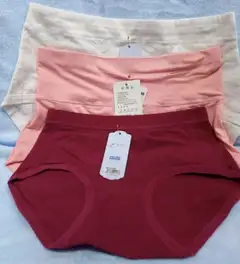 Underwear for womenRWF4,000
 Underwear Training WaterproofRWF3,000
 Victan boxers underwear 3men lRWF8,000
Small spray or squeeze bottle
1 Must haveRinsing with warm water while you use the toilet is gentle on stitches and soreness.
How to use it: Fill with warm, clean water each time. Pat dry gently with soft tissue.



Basin for a warm sitz bath
1Nice to haveSitting in a shallow basin of warm water can soothe soreness, a comfort many Rwandan mothers know well.
How to use it: Use clean warm water, not hot. Ask your midwife before adding salt or herbs, and keep the basin only for this.
Mild intimate wash
1Nice to haveA gentle wash keeps you feeling clean without the sting of strong soap.
How to use it: Use outside only, with plenty of water. Plain water is fine too.
Soft toilet paper and tissues
1 large pack Must haveYou will use far more than usual, and soft tissue is kinder on sore skin.
How to use it: Keep a roll in the bathroom and a box beside the bed.















Breastfeeding comfort
The first weeks of breastfeeding can be tender while you and your baby learn. A few things make it easier.
Breast pads
2 to 3 boxes Must haveLeaking is common, especially in the first weeks and at night.
How to use it: Change them whenever they are damp to protect your skin from soreness.
 Disposable breast pads 40pcs MediumRWF27,800
 Lansinoh 60 disposable breast padsRWF30,000
 Baoda disposable breast pads 30grRWF16,000
Nipple care cream
1Nice to haveSore, dry nipples are common at first. A soothing balm can help.
How to use it: Ask your pharmacist for a cream that is safe for breastfeeding. If pain is severe or you see cracks, ask your midwife to check the latch.
Supportive pillow
1 to 2 Must haveLifting the baby to breast height saves your back, shoulders and cesarean scar.
How to use it: Place a firm pillow on your lap and bring the baby to you.
Large water bottle
1 Must haveBreastfeeding makes you very thirsty. Keeping water close helps you drink enough.
How to use it: Fill a big bottle every morning and keep it at your feeding spot.


Manual breast pump
1Nice to haveUseful for relieving full breasts and storing a little milk so someone else can feed the baby.
How to use it: Wash every part after each use. Ask your midwife before pumping a lot in the first weeks.
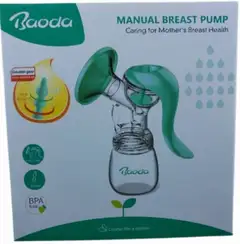 Baoda Manual Breast PumpRWF42,000
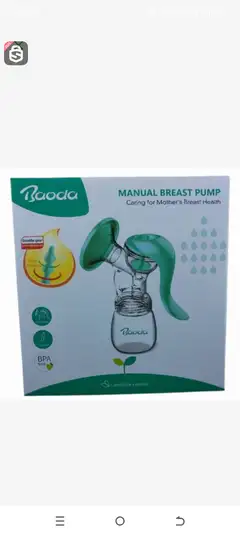 Baoda manual breast pumpRWF40,000
 Breast pump manual with wide neckRWF98,000




Nourishing food and drink
Your body is healing and, if you breastfeed, making milk. Eat often, and let people cook for you.
Porridge flour
2 kg Must haveWarm sorghum or mixed grain porridge is a traditional food for new mothers in Rwanda: filling, gentle and easy to make in a big flask.
How to use it: Make a large flask in the morning so you can drink it through the day and night.
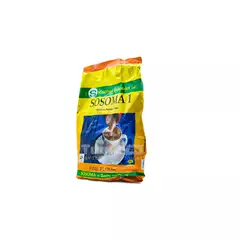
 Sosoma Red sorghum Flour 1kgRWF3,200
Milk
1 kg powder Must haveA simple source of protein and calcium, and it goes into porridge and tea.
How to use it: Keep powdered milk for days when fresh milk runs out or the power goes off.
Iron rich foods
Weekly Must haveBleeding after birth can leave you low in iron. Beans, greens, liver and meat help.
How to use it: Add beans, dodo or spinach and some meat or liver to meals a few times a week. Your doctor may also advise supplements.
High fiber foods
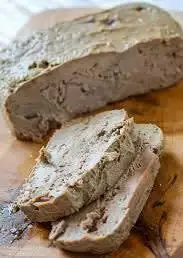
1 pack oats Must haveConstipation is common after birth and painful with stitches.
How to use it: Eat oats, fruit like papaya, and vegetables, and drink plenty of water. Ask your pharmacist about a stool softener if needed.
Easy one hand snacks
A small stockNice to haveYou will often be hungry with a baby in your arms.
How to use it: Keep dates, roasted peanuts, bananas and biscuits by your bed and feeding chair.
Calming herbal tea
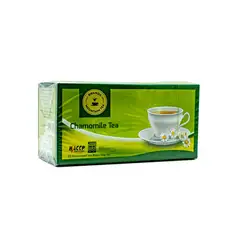
1 boxNice to haveA warm caffeine free drink in the evening helps you wind down between night feeds.
How to use it: Choose a mild tea like chamomile, and check with your doctor or pharmacist about any herbal tea while breastfeeding.
Large thermal flask
1 to 2 Must haveKeeps porridge, tea and hot water ready day and night, even in a power cut.
How to use it: Ask a family member to refill it every morning and evening.

















Rest and comfort
Small comforts matter when you are tired, sore and spending most days in bed or on the sofa.
Loose sleepwear or a robe
3 sets Must haveFront opening, loose clothes make breastfeeding easy and do not press on a sore belly.
How to use it: Choose soft cotton and dark colors. Have at least three sets so there is always one clean.
Supportive waist band
1Nice to haveSome mothers find gentle belly support comfortable when moving around, especially after a cesarean.
How to use it: Ask your doctor or midwife first, wear it loosely, and take it off if it is uncomfortable.
 WAIST SUPPORTRWF27,500
Warm slippers
1 pairNice to haveKeeps your feet warm on cold floors during night feeds.
How to use it: Choose non-slip soles. You may be a little unsteady in the first days.
Body lotion and lip balm
1 eachNice to haveHormone changes and broken sleep can leave skin and lips very dry.
How to use it: Pick mild, light scents that will not bother your baby.
Rechargeable torch or soft light
1 Must haveA soft light for night feeds and diaper changes, and backup in a power cut.
How to use it: Keep it charged beside the bed so you never fumble in the dark.
 LED Rechargeable Power Torch 1WRWF5,000
 LED Rechargeable Power Torch 1WRWF7,500
 LED Rechargeable Power Torch 1WRWF10,000
Power bank
1Nice to haveYour phone keeps you connected to family, your midwife and the outside world during long feeds.
How to use it: Keep it charged and within reach of your feeding spot.












Step by step
- 1
In the last month of pregnancy
Buy pads, underwear, breast pads, a flask and a big water bottle. Stock porridge flour, milk powder and snacks.
- 2
Set up a recovery corner
Next to your bed or favorite chair, put water, snacks, pads, tissues, a torch, a phone charger and a pillow.
- 3
The first week home
Rest as much as you can. Let family cook, clean and do laundry. Note what you are running low on.
- 4
Weeks two to six
Restock pads and food weekly. Start short gentle walks if your doctor agrees, and keep eating well.
- 5
Your postnatal checkup
Go to every postnatal visit. Bring questions about bleeding, pain, feeding, mood and contraception.
Tips that help
- Make a list of jobs for visitors who ask how they can help: cooking, laundry, shopping, holding the baby while you shower.
- Sleep when the baby sleeps, at least once a day. The dishes can wait.
- Keep your recovery supplies in one basket you can carry from room to room.
- If you had a cesarean, avoid lifting anything heavier than your baby until your doctor says it is fine.
- Say no to long visits when you are tired. People will understand.
- Baby blues in the first two weeks are common. Talk to someone you trust about how you feel.
Mistakes to avoid
- Buying only regular pads. You need the thickest, longest ones.
- Skipping meals because you are busy with the baby.
- Doing heavy housework too soon after birth.
- Ignoring a fever, foul smelling bleeding or a red, painful wound.
- Waiting too long to ask for help with breastfeeding pain.
Questions people ask
How long does bleeding last after birth?+
Bleeding usually lasts several weeks, starting heavy and becoming lighter and paler. If bleeding suddenly gets heavy again, you pass large clots or it smells bad, contact your doctor or midwife.
What should a new mother eat after giving birth?+
Eat regular, balanced meals with grains, protein like beans, eggs, meat or fish, vegetables, fruit and plenty of fluids. Porridge and milk are traditional and nourishing. Your doctor may recommend iron or other supplements.
When should I see a doctor after birth?+
Go to a hospital or call your doctor straight away for heavy bleeding that soaks a pad in an hour, a fever, severe headache or vision changes, chest pain, trouble breathing, a painful swollen leg, or a wound that is red, hot or leaking. Do not wait.
Is it normal to feel sad or anxious after having a baby?+
Many mothers feel weepy or overwhelmed in the first two weeks. If low mood, anxiety or hopeless feelings last longer or feel very strong, talk to your doctor or midwife. Postpartum depression is common and treatable.
Can someone order my postpartum supplies for me?+
Yes. A partner, sister or friend can order pads, toiletries, porridge flour, milk and snacks on Isokko and have them delivered to your door in Kigali, so you can stay home and rest.
Caring for yourself is part of caring for your baby. Get the basics ready before the birth, set up a cozy recovery corner, accept help and listen to your body. You can order everything on this list on Isokko and have it delivered to your home in Kigali, so the only place you need to be is resting with your baby.
Shop this list
Get everything delivered in Kigali
Order from local stores on Isokko and pay with MoMo, card or cash. Same-day delivery.