
Checklist · Baby & family
Newborn Essentials Checklist: Your Baby's First Month at Home in Kigali
A calm, practical newborn essentials checklist for Kigali parents: diapering, bathing, sleep, feeding and health basics for your baby's first month at home.
Updated November 16, 2026 · By Isokko
The first month with a newborn is a blur of feeds, diaper changes and short naps. The last thing you want is a late night search for wipes during a power cut, or a moto run in the rain because you ran out of diapers.
This checklist covers what a baby really uses in the first four weeks at home in Kigali, and skips the gadgets that end up in a cupboard. It is grouped by daily routine: diapering, bath time, sleep, feeding, health and the house itself. Everything marked must is worth having before the birth. The nice items can wait until you know your baby.
Baby clothes, a cot and a carrier are often gifts from family, so check what is already coming before you buy them yourself.
Who it's for
Parents and families in Kigali getting ready to bring a newborn home
Time needed
Shop over 2 to 4 weeks in the last trimester
When to shop
Have everything home by week 36, then reorder diapers and wipes weekly
On the list
33 items, 17 must haves
0 of 33 ready
Diapering station
A newborn can need 8 to 12 changes a day. Set up one spot with everything within reach so night changes take two minutes, not ten.
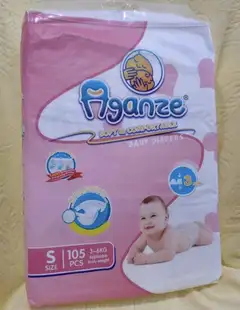
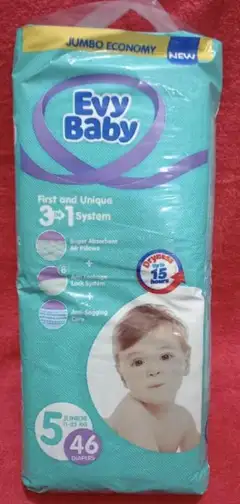
Newborn and size 1 diapers
2 packs to start, then weekly Must haveYou will use far more than you expect in the first weeks, and babies outgrow the newborn size fast.
How to use it: Buy one pack of newborn size and one of size 1 rather than a big stock of one size. Fasten below the belly button until the cord stump falls off.
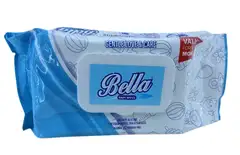
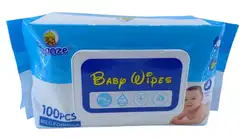
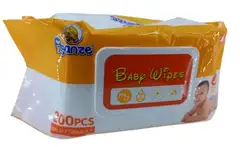
Baby wipes
3 to 4 packs Must haveFor quick clean ups at every change, and for hands when water is far away.
How to use it: Choose unscented, alcohol free wipes for newborn skin. For the first days, many midwives suggest cotton wool and warm water instead.
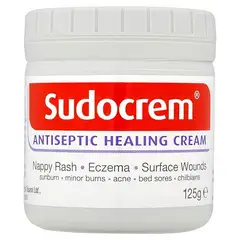
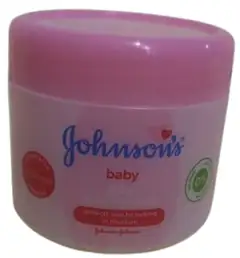
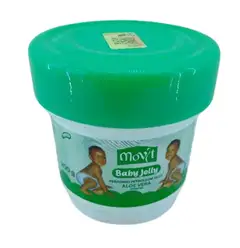
Barrier cream for diaper rash
1 tube Must haveA thin layer at each change protects skin from wetness and helps stop redness before it starts.
How to use it: Apply a thin layer on clean, dry skin. If a rash blisters, bleeds or does not improve in a few days, see your doctor or pharmacist.
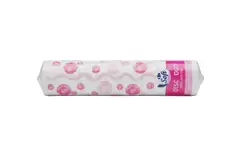
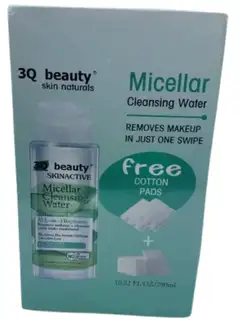
Cotton pads or cotton wool
2 packs Must haveGentle for cleaning eyes, the cord area and the diaper area with warm boiled water in the first weeks.
How to use it: Use a fresh piece for each wipe and each eye. Let boiled water cool to lukewarm in a flask cup before using.
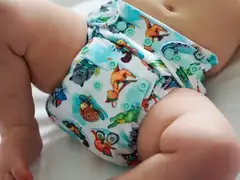
Washable cloth diapers
6 to 10Nice to haveHandy as a backup when disposables run out, and useful as burp cloths and changing covers.
How to use it: Wash in mild soap and dry fully in the sun. They take longer to dry in the rainy season, so keep a few disposables on hand too.
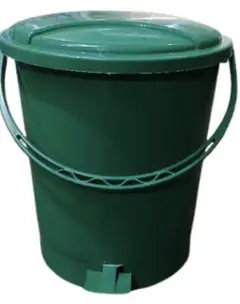
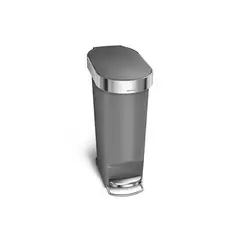
Small pedal bin with lid
1Nice to haveKeeps used diapers sealed away from flies and smells until bin day.
How to use it: Line it with a bag, empty it daily, and keep it near the changing spot but away from where you prepare food.


Bath and skin care
Newborns do not need a full bath every day. Gentle, simple products are better than a shelf of scented ones.
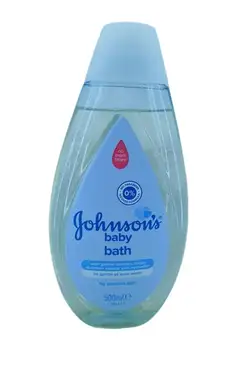
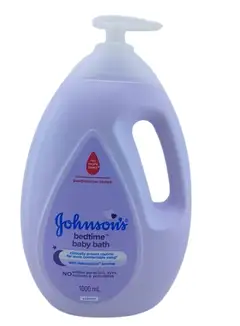
Mild baby wash
1 bottle Must haveRegular soap can dry out new skin. A mild baby wash cleans without stripping.
How to use it: Use a small amount, rinse well, and pat dry, paying attention to neck folds and under the arms.
Baby shampoo
1 bottleNice to haveTear free shampoo makes washing the scalp less stressful for both of you.
How to use it: A drop is enough. Many parents simply use the baby wash for hair in the first weeks.
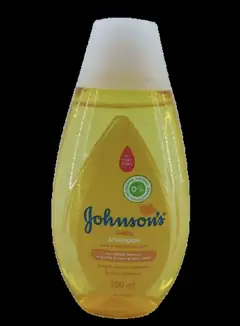 Johnson's baby shampoo 500 mlRWF17,000
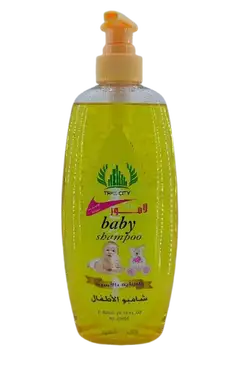 TREE CITY baby shampoo 800mlRWF13,800
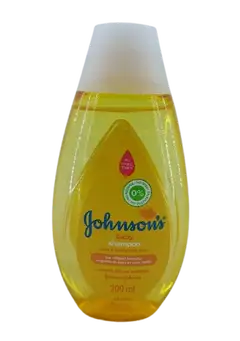 Johnson's baby shampooRWF23,000
Plastic basin for bathing
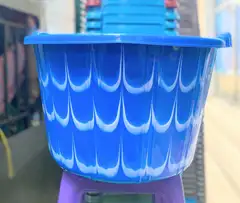
1 Must haveA clean basin used only for the baby is safer and easier than the family shower.
How to use it: Test water with your elbow; it should feel warm, not hot. Never leave the baby alone in water, not even for a second.
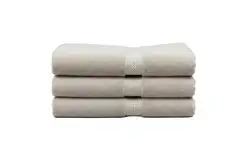
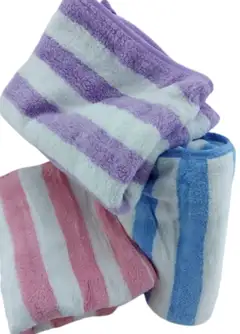
Soft towels
2 to 3 Must haveBabies lose heat quickly when wet, especially on cool Kigali evenings.
How to use it: Have the towel open and ready before the bath. Wash baby towels separately from the family laundry.
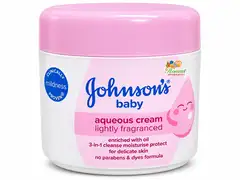
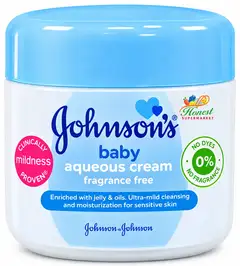
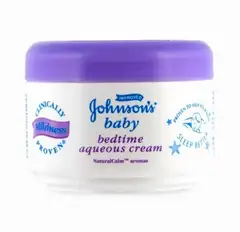
Baby lotion or aqueous cream
1Nice to haveHelps with the dry, peeling skin many newborns have in the first weeks.
How to use it: Use fragrance free if you can, and patch test a small area first. Ask your midwife if skin looks very cracked.
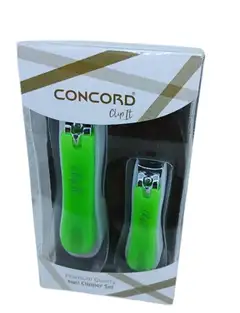
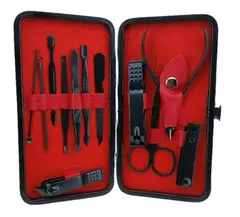
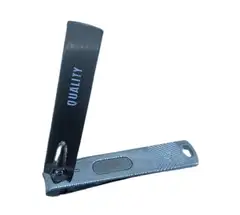
Baby nail clipper
1 set Must haveNewborn nails are sharp and grow fast, and babies scratch their own faces.
How to use it: Trim while the baby sleeps, in good light. A small nail file is gentler for the first weeks.



Safe sleep
Your baby will sleep most of the day. Keep the sleep space simple, firm and protected from mosquitoes.
Mosquito net
1 to 2 Must haveMalaria is a real risk in Rwanda, and a baby cannot use repellent. A net is the simplest protection.
How to use it: Hang it over the baby's bed or your own bed if baby sleeps beside you. Tuck it in at the edges and check for holes.
 Mosquito Net 120cm to 200 cmmRWF30,000
 Mosquito NetRWF32,000
Fitted cotton sheets
2 to 3 Must haveCotton breathes well, and you will change sheets often after leaks and spit ups.
How to use it: Keep at least two so one is always clean. The sheet should fit tight with no loose fabric near the face.
Light blanket or wrap
2 Must haveNights in Kigali can be cool, especially in the rainy season.
How to use it: Tuck a light blanket in at chest height, never over the face. Dress baby in one more layer than you are wearing instead of piling on blankets.
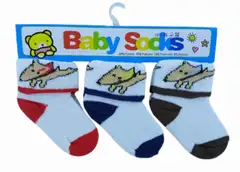
Baby socks
4 to 6 pairsNice to haveSmall feet get cold at night and socks are easier than full sleepsuits for quick changes.
How to use it: Check they are not tight at the ankle. Keep a spare pair in your diaper bag.
 Baby socks yaya joyRWF2,500
Baby mittens
2 to 3 pairsNice to haveSoft mittens stop a newborn scratching their face with sharp little nails in the first weeks.
How to use it: Use them for sleep and take them off when awake so baby can explore with their hands. Check inside for loose threads.
 Baby glovesRWF2,000
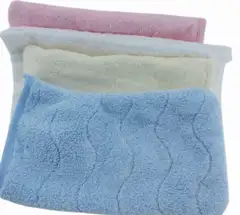 Baby glovesRWF1,500
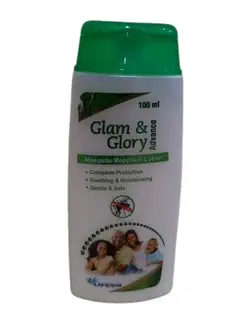
Mosquito repellent device for the room
1Nice to haveAdds protection for adults in the room at dusk, when mosquitoes are most active.
How to use it: Read the label and use only products marked safe for rooms with babies. Keep the device out of reach and air the room well.




Feeding
Whether you breastfeed, use formula or both, a few simple tools make the many daily feeds easier.
Breast pads
1 to 2 boxes Must haveLeaks are common in the early weeks and pads protect clothes, especially when visitors come by.
How to use it: Change them often to keep skin dry. Washable pads save money over the months.
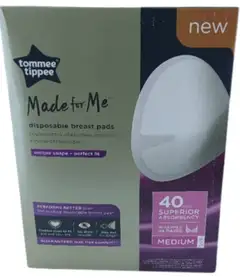 Disposable breast pads 40pcs MediumRWF27,800
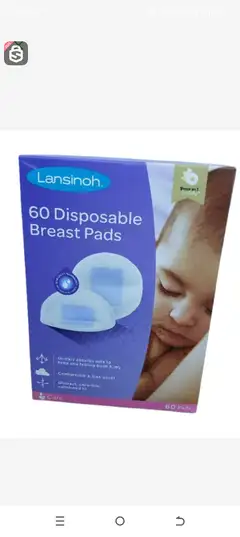 Lansinoh 60 disposable breast padsRWF30,000
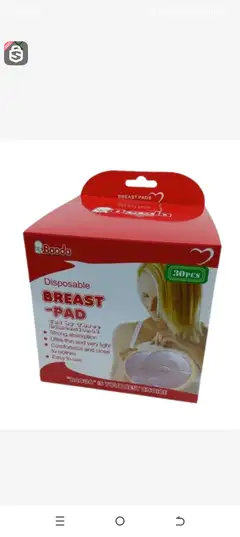 Baoda disposable breast pads 30grRWF16,000
Feeding pillow or firm cushion
1Nice to haveSupports the baby at breast height so your back and arms do not ache after long feeds.
How to use it: Any firm pillow works. Sit with your back supported and bring the baby to you, not you to the baby.
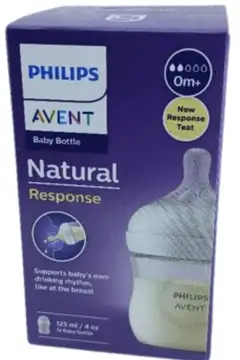
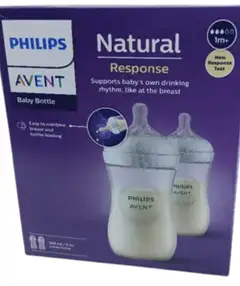
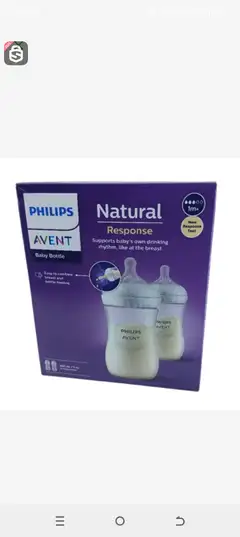
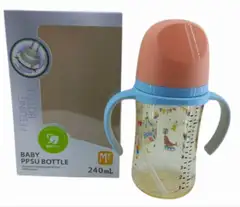
Feeding bottles
2 to 4Nice to haveUseful for expressed milk or formula, and for letting a partner or grandmother help with a night feed.
How to use it: Start with two small bottles with slow flow teats. Wash with hot soapy water and rinse well after every feed.
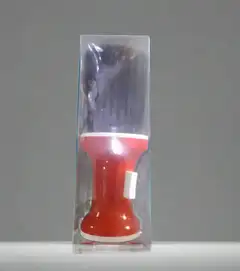
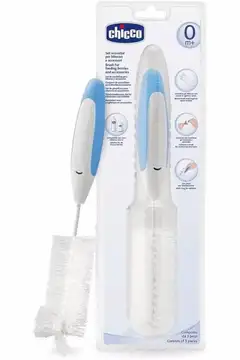
Bottle brush
1Nice to haveMilk residue hides in teats and bottle necks, and a brush is the only way to really clean them.
How to use it: Keep it only for baby bottles and replace it when the bristles flatten.
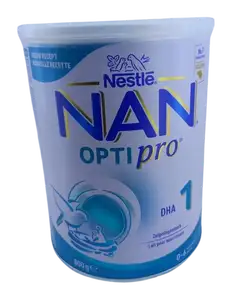
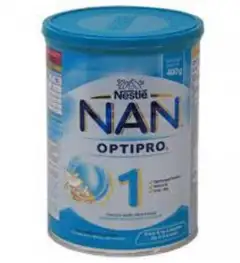
Infant formula, only if advised
1 tinNice to haveSome families need formula from day one. Having one tin ready avoids a panic if your doctor or midwife recommends it.
How to use it: Use a stage 1 formula for 0 to 6 months, follow the tin's measures exactly, and use boiled water cooled as directed.
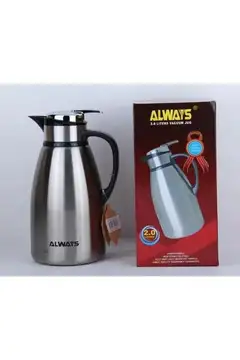
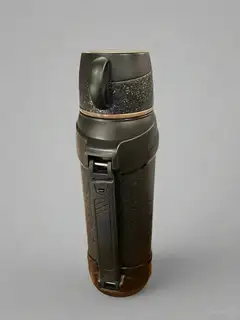
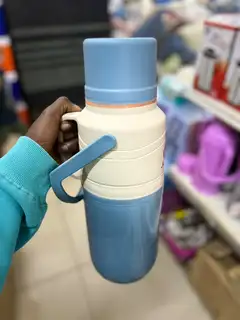
Thermal flask
1 Must haveKeeps boiled water warm through the night, so you are not boiling a kettle at 3 am or during a power cut.
How to use it: Fill it with freshly boiled water before bed. Use it for cleaning and, if you use formula, to mix as the tin directs.




Health and hygiene
Visitors love to hold a new baby. A few basics keep germs and small worries under control.
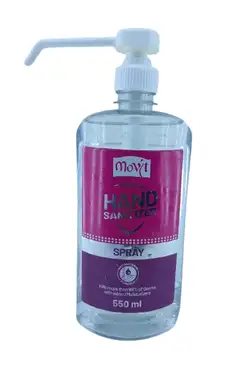
Hand sanitizer
2 bottles Must haveNewborn immune systems are still developing, and everyone who holds the baby should have clean hands.
How to use it: Put a bottle by the door and one by the changing spot. Ask visitors who are sick to come back another week.
Digital thermometer
1 Must haveFever in a young baby needs a quick call to a doctor, and you need a reliable reading first.
How to use it: Ask your pharmacist for an underarm digital thermometer. In a baby under 3 months, any fever is a reason to see a doctor the same day.
Pacifier
1 to 2Nice to haveSome babies find sucking very calming. Others refuse a pacifier completely.
How to use it: Many midwives suggest waiting until breastfeeding is going well. Wash it often and never dip it in sugar or honey.
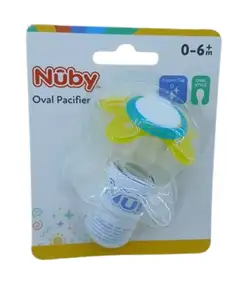 Nûby Oval Pacifier 0-6m+RWF5,800
 Preventing and soothing pacifierRWF6,000
Antiseptic liquid for cleaning
1 bottleNice to haveFor wiping the changing surface and cleaning floors once the house fills with visitors.
How to use it: Dilute as the label says and keep it high up. Do not use it on the baby's skin.




Around the house
Small household items that make the first month calmer, especially at night and on rainy days.
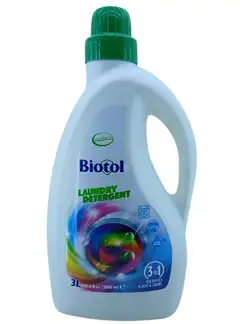
Gentle laundry detergent
1 large pack Must haveBaby clothes and cloths need washing daily, and harsh detergent can irritate skin.
How to use it: Pick a mild detergent, rinse twice, and dry in the sun when you can.
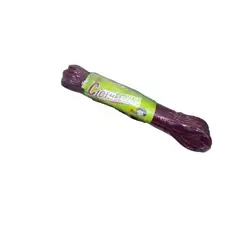
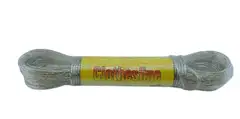
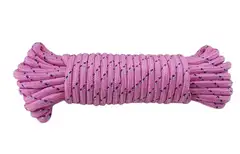
Clothesline and pegs
1 line, 20 pegsNice to haveTiny clothes dry fastest in the sun, and a line inside or on the veranda helps in rainy months.
How to use it: Hang baby clothes in a spot away from red dust and smoke. Bring them in before the afternoon rain.
Rechargeable torch
1 Must haveNight feeds and changes happen in the dark, and power cuts do not wait for a good moment.
How to use it: Keep it charged by the bed. A soft light is gentler than the main bulb and helps baby settle back to sleep.
 LED Rechargeable Power Torch 1WRWF5,000
 LED Rechargeable Power Torch 1WRWF7,500
 LED Rechargeable Power Torch 1WRWF10,000
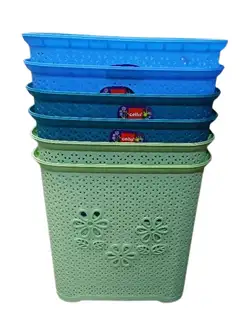
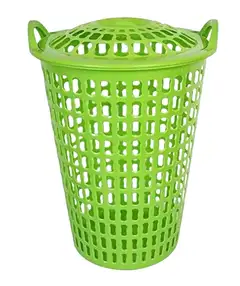
Laundry basket
1Nice to haveKeeps dirty baby clothes separate and stops piles forming on the bedroom floor.
How to use it: Pick one with a lid and empty it daily. Soak stained items in cool water before washing.
Snacks and water for the parent
A small stockNice to haveNight feeds make you hungry and thirsty, and you will not always have a free hand to cook.
How to use it: Keep a water bottle, biscuits, peanut butter and fruit by your feeding chair.
 Humura peanut butter 800grRWF12,000
 Nuty&more (peanut butter)800gRWF12,000



Step by step
- 1
Four weeks before your due date
Check with family what gifts are coming, then order the big items you still need: mosquito net, sheets, basin, towels and a flask.
- 2
Three weeks before
Buy diapers in two sizes, wipes, cotton pads and barrier cream. Wash all baby clothes and sheets in mild detergent and dry them in the sun.
- 3
Two weeks before
Set up the changing spot and the sleep space. Hang the net, test the torch, and put sanitizer by the door.
- 4
The first week home
Rest. Let someone else reorder diapers and wipes. Note what you are running out of and what you do not use.
- 5
Weeks two to four
Move up a diaper size when you see leaks or red marks at the waist. Add the nice items you now know you need.
Tips that help
- Buy diapers in small packs at first. Every baby fits brands differently.
- Keep a small basket of diapers, wipes and cream in the living room too, so you are not climbing stairs for every change.
- In the rainy season, plan for clothes taking two days to dry and buy a few extra bodysuits or cloths.
- Write the number of your clinic and a nearby pharmacy on paper by the door in case your phone dies in a power cut.
- Set a weekly reminder to reorder diapers and wipes so they arrive before you run out.
- Accept help with laundry and shopping. That is the most useful gift in the first month.
Mistakes to avoid
- Buying a huge stock of newborn diapers. Many babies move to size 1 within weeks.
- Using scented soaps, powders and perfumes on newborn skin.
- Putting pillows, toys and heavy blankets in the baby's sleep space.
- Skipping the mosquito net because the room seems to have no mosquitoes.
- Waiting until the baby arrives to wash clothes and sheets.
Questions people ask
How many diapers does a newborn use in the first month?+
Most newborns use 8 to 12 diapers a day, which can add up to around 300 in the first month. Start with two packs in different sizes and reorder weekly once you know which fits best.
What baby items can I skip?+
Wipe warmers, baby perfume, special laundry gadgets and lots of newborn sized clothes are easy to skip. Babies grow quickly and family often gifts clothes.
Do I need to sterilize baby bottles?+
Many health workers advise sterilizing bottles for young babies, for example by boiling them in a clean pot. Ask your midwife or pediatrician what they recommend for your baby.
When should I call a doctor about my newborn?+
Call a doctor or go to a clinic the same day for any fever in a baby under 3 months, poor feeding, very few wet diapers, yellow skin that is spreading, breathing that looks hard, or anything that worries you. Trust your instinct.
Can I get baby essentials delivered in Kigali?+
Yes. You can order diapers, wipes, baby care products and household basics on Isokko and have them delivered to your door, which helps a lot when you are recovering at home.
You do not need everything on day one, just the basics that keep your baby clean, fed, warm and protected from mosquitoes. Tick off the must items before your due date, then let the rest come as you learn your baby. Shop this list on Isokko and get it delivered to your door, so you can spend the first month at home where you belong.
Shop this list
Get everything delivered in Kigali
Order from local stores on Isokko and pay with MoMo, card or cash. Same-day delivery.