
Checklist · Baby & family
Starting Solid Foods: Baby Weaning Checklist for Kigali Parents
Everything you need to start your baby on solid foods in Kigali: feeding gear, a simple puree kit, first local foods like avocado and sweet potato, and safe habits.
Updated November 15, 2026 · By Isokko
Around 6 months, most babies are ready to try food beyond milk. They can sit up with support, hold their head steady, show interest in what you eat and no longer push every spoon out with their tongue. Your pediatrician or health center can confirm when your baby is ready.
The good news for Kigali parents is that some of the best first foods grow right here: avocado, sweet potato, banana, pumpkin, papaya, beans and dodo. You do not need expensive jars. A few simple tools and fresh food from the market or delivered to your door are enough.
This checklist covers the feeding gear, a basic kitchen kit for making purees and porridge, first foods to buy, and the cleaning supplies that keep it all safe. Breast milk or formula stays your baby's main food until around 12 months, so think of solids as practice and exploration.
Who it's for
Parents and caregivers of babies around 6 months who are ready to start solid foods
Time needed
Shop once for the gear, then weekly for fresh food
When to shop
Buy feeding gear a week or two before you start; buy fresh produce in small amounts every few days
On the list
30 items, 15 must haves
0 of 30 ready
Feeding gear
Your baby needs to sit upright and safely for every meal. Keep the gear simple and easy to wash.
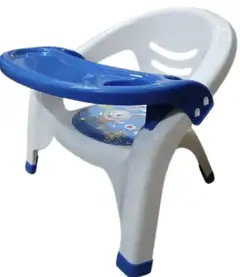
Baby chair for meals
1 Must haveSitting upright at meals is important for safe swallowing and helps your baby join family mealtimes.
How to use it: Use a sturdy baby chair with a strap and never leave your baby alone while eating.
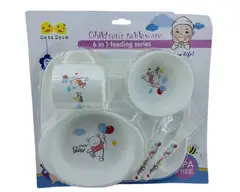
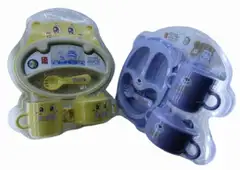
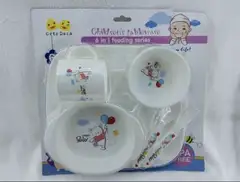
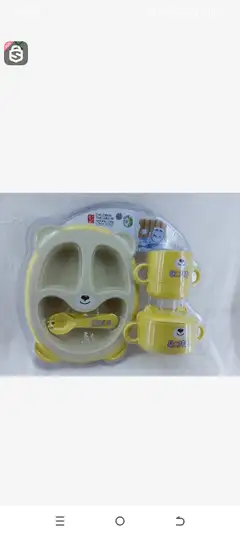
Baby feeding set with soft spoons
1 set Must haveSmall, soft tipped spoons fit a baby's mouth and are gentle on gums.
How to use it: Offer a little food on the tip of the spoon and let your baby lean in. Wash after each meal.
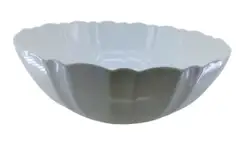
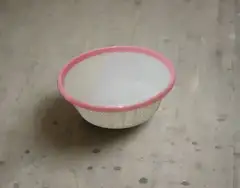
Small bowls
3 to 4 Must haveServing small amounts reduces waste, since a baby may eat only a few spoons at first.
How to use it: Spoon a portion into a bowl and keep the rest clean in the fridge, so leftover saliva does not spoil the whole batch.
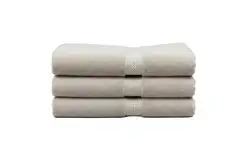
Bibs or a washable cloth
3 to 5 Must haveWeaning is messy. Bibs save you changing clothes after every meal.
How to use it: A small towel tucked in works well. Wash daily and dry in the sun.
 Small TowelRWF1,500
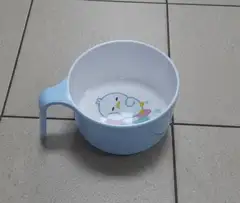
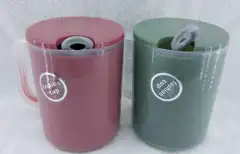
Small open cup
1 to 2Nice to haveBabies can start practicing sips of water from a cup with meals from around 6 months.
How to use it: Offer a few sips of boiled and cooled water with meals. Expect spills at first.
Floor mat or splat mat
1Nice to haveCatches dropped food so cleaning up takes a minute, not twenty.
How to use it: Put a wipeable mat under the chair and wash it after meals.





Kitchen kit for purees and porridge
You probably own most of this already. A few small additions make homemade baby food quick.
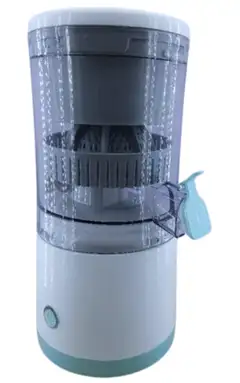
Mini food chopper or hand blender
1 Must haveTurns cooked vegetables and fruit into smooth purees in seconds.
How to use it: Blend with a little breast milk, formula or the cooking water. Make textures thicker and lumpier over the weeks.
 Mini Baby Food Chopper XDXRWF10,850
 Wn great Hand blenderRWF30,000
Small saucepan
1 Must haveFor cooking small batches of vegetables and baby porridge without wasting food.
How to use it: Steam or boil until very soft. Use a pan only for baby food if you cook with lots of salt and spices.
 Granite Milk Pan / SaucepanRWF12,000
 Red Non-Stick SaucepanRWF15,000
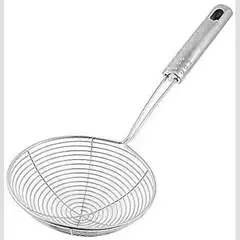
Strainer
1Nice to haveHelps get a smooth texture for first purees and removes skins and fibers.
How to use it: Press soft cooked food through with the back of a spoon.
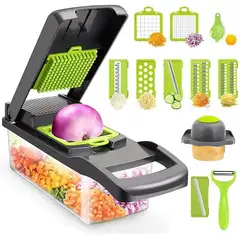
Grater
1Nice to haveRaw apple, cooked carrot and later cheese grate into soft pieces a baby can manage.
How to use it: Use the fine side for early foods and the coarse side once your baby handles lumps.
Ice cube tray
2Nice to haveFreeze purees in small portions so you can cook once and feed all week.
How to use it: Freeze, then pop the cubes into a clean container. Use within a month and thaw in the fridge, not on the counter.
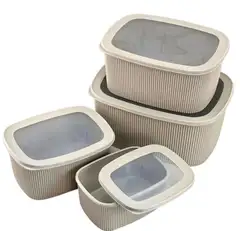
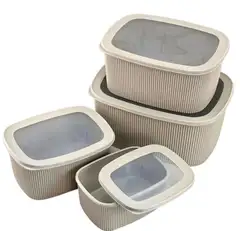
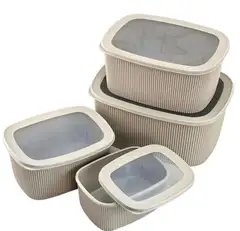
Small food containers
4 to 6 Must haveKeep fresh purees clean in the fridge and pack meals for daycare or a visit to grandma.
How to use it: Label with the date. Fridge purees are best used within two days.
Thermal flask
1Nice to haveKeeps baby porridge warm for an outing or when power cuts stop you reheating.
How to use it: Rinse with hot water first, then fill with warm porridge and use within a few hours.








First foods from the market
Start with one smooth food at a time, a few spoons a day, and slowly build variety. Buy small amounts often so everything is fresh.
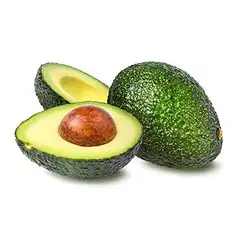
Avocado
2 to 3 a week Must haveSoft, creamy and full of healthy fats, avocado is a perfect first food and needs no cooking.
How to use it: Mash a ripe avocado with a fork and a little milk. Serve right away before it browns.
 HASS AVOCADO ORGANIC PER PCRWF1,000
 F&W Savon avocat/ Avocado soapRWF11,000
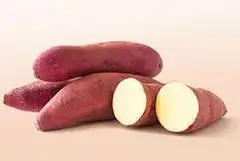
Sweet potatoes
1 kg Must haveNaturally sweet, filling and easy to mash, and babies usually love them.
How to use it: Boil or steam until very soft, peel and mash with a little of the cooking water.
Sweet bananas
1 bunch Must haveEasy to mash, gentle on the tummy and ready in seconds when your baby is hungry.
How to use it: Pick ripe bananas with brown spots and mash finely. Later, offer soft finger sized pieces.
 Sweet banana (Kamara)RWF2,500
 Sweet banana UnripeRWF2,500
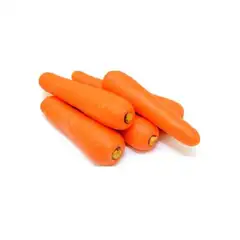
Carrots
1 kgNice to haveSweet when cooked and a good source of vitamin A.
How to use it: Steam until soft enough to squash between your fingers, then blend or mash.
Papaya
1Nice to haveSoft, sweet and easy to digest, papaya is a great fruit to introduce early.
How to use it: Scoop out the seeds and mash the ripe flesh.
Irish potatoes
1 kgNice to haveA familiar, filling base you can mix with greens or beans.
How to use it: Boil and mash with breast milk or formula. Do not add salt.
Dodo or spinach
1 bunchNice to haveLeafy greens bring iron and vitamins, and mix well into potato or porridge.
How to use it: Wash well, cook until very soft and blend into another food.









Porridge, protein and iron
From around 6 months, babies need iron rich foods. Mix porridge with protein foods as your baby gets used to eating.
Baby porridge flour
1 kg Must haveSorghum, millet and mixed grain porridges are traditional first foods in Rwanda and easy to make thin and smooth.
How to use it: Cook well and make it thin at first. Mix with breast milk or formula. Do not add sugar.
 TOHA Baby Porridge Flour 1kgRWF5,200
 TOHA Baby Porridge Flour 1kgRWF4,600
 Toha baby porridge flour 1kgRWF4,000
Eggs
1 tray Must haveEggs are an affordable source of protein and iron.
How to use it: Cook eggs fully, never runny, and mash with a little milk. Watch for any reaction the first few times.
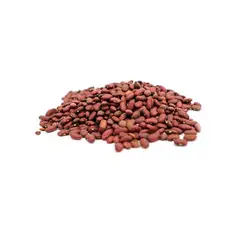
Beans or lentils
1 kg Must haveA staple in every Rwandan home and a good source of protein and iron.
How to use it: Cook until very soft, remove skins if you can, and blend into a smooth puree.
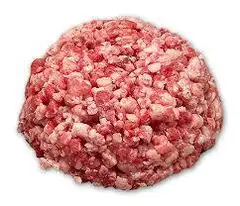
Minced meat
500 gNice to haveMeat gives easily absorbed iron, important from 6 months.
How to use it: Cook lean mince well in a little water, then blend with vegetables.
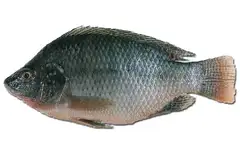
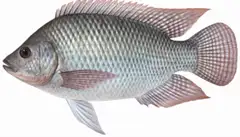
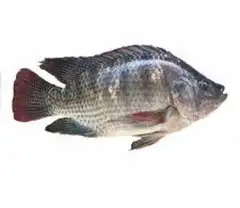
Fish
1 fishNice to haveFish brings protein and healthy fats for growing brains.
How to use it: Steam or boil, remove every bone carefully, and flake finely into potato or porridge.
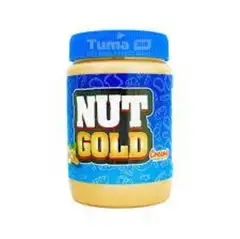
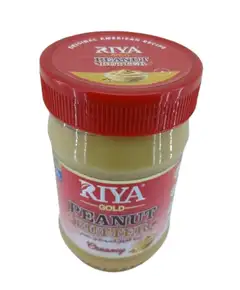
Peanut butter
1 jarNice to haveMany doctors now advise introducing common allergens like peanut early, but always ask your pediatrician first, especially if there is family allergy.
How to use it: Never give whole nuts or thick spoonfuls. Stir a little smooth peanut butter into porridge.






Clean up and hygiene
Babies are more sensitive to germs in food. Clean tools and hands matter.
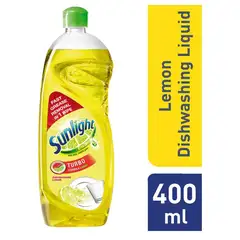
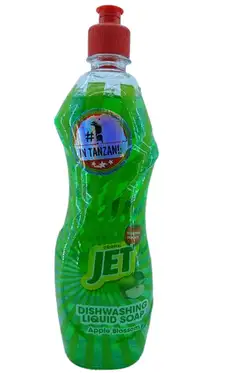
Dishwashing liquid
1 bottle Must haveBowls, spoons and blender parts need washing after every meal.
How to use it: Wash in hot soapy water and rinse well. Dry on a clean rack in the sun when you can.
Bottle brush
1Nice to haveReaches inside cups and blender corners where food hides.
How to use it: Keep one brush only for baby items.

Baby wipes
2 packsNice to haveFor sticky hands and faces after meals.
How to use it: A warm damp cloth works too, and is gentler for daily use.
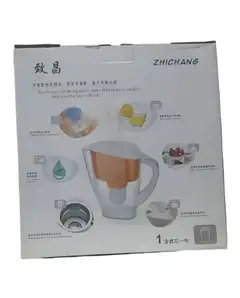
Water filter or safe drinking water
1 Must haveBabies should drink safe water, and you need it for mixing food too.
How to use it: Boil tap water and let it cool, or use a filter as well as boiling. Ask your health center what they advise.






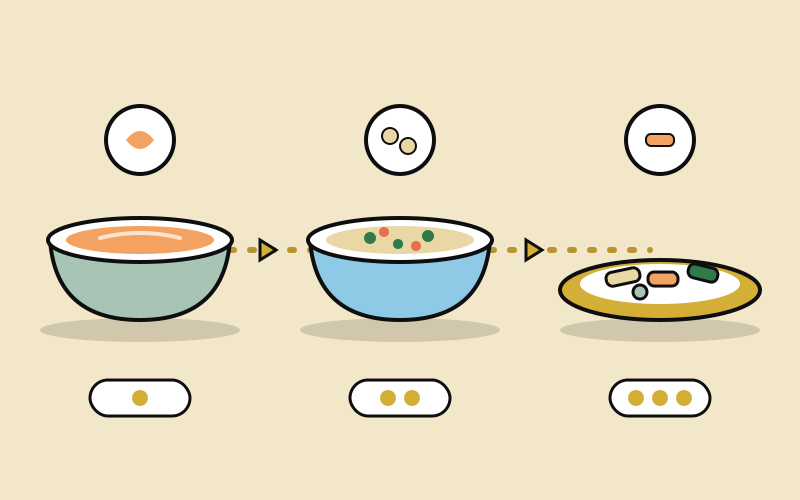
Step by step
- 1
Check readiness at around 6 months
Talk to your pediatrician or health center. Look for good head control, sitting with support, and interest in food.
- 2
Set up the gear
Buy a chair, spoons, bowls, a chopper and containers. Wash everything before first use.
- 3
Week one: single smooth foods
Offer one food at a time, like avocado or sweet potato, once a day after a milk feed. A few spoons is plenty.
- 4
Weeks two to four: more variety
Add iron rich porridge, eggs, beans and meat. Move to two meals a day and slightly thicker textures.
- 5
From 8 to 9 months: lumps and finger foods
Offer mashed and soft finger foods, and three meals a day. Let your baby practice feeding themselves.
Tips that help
- Start on a calm morning, not when your baby is very hungry or tired.
- Introduce new foods one at a time and wait a couple of days, so you can spot any reaction.
- Cook one batch for the family and set aside your baby's portion before you add salt, stock cubes or chili.
- Expect funny faces. Babies may need to taste a food many times before they accept it.
- Freeze purees on days with power and stable fridges, and keep a few at the front for quick meals.
- Sit and eat together. Babies learn by watching you.
Mistakes to avoid
- Adding salt, sugar, honey or stock cubes. Honey is not safe for babies under 12 months.
- Giving whole nuts, whole grapes, hard raw vegetables or popcorn, which are choking risks.
- Replacing milk feeds with solids too fast in the first months.
- Leaving a baby alone while eating, even for a moment.
- Keeping leftover food from a bowl the baby ate from.
Questions people ask
When should my baby start solid foods?+
Most health organizations advise starting at around 6 months, when your baby can sit with support and shows interest in food. Ask your pediatrician or health center if you are unsure, especially if your baby was born early.
What are good first foods for babies in Rwanda?+
Avocado, sweet potato, banana, pumpkin, papaya, carrot, and a thin sorghum or mixed grain porridge are all great starters. Add eggs, beans, meat and fish early for iron.
How much should my baby eat at first?+
Just a few spoons once a day is enough at the start. Follow your baby's cues, and slowly build to two and then three small meals a day over the next months.
Can I give my baby cow's milk?+
Small amounts of cow's milk cooked into porridge or food are usually fine from 6 months, but it should not replace breast milk or formula as a main drink before 12 months. Ask your pediatrician for advice.
What should I do if my baby has a reaction to a food?+
Stop that food and talk to your doctor. If your baby has swelling of the face or lips, trouble breathing, or repeated vomiting, go to a hospital or clinic straight away.
Starting solids is one of the most fun stages of the first year, with plenty of mess and funny faces along the way. Keep it simple, use fresh local foods, and follow your baby's pace. You can order the feeding gear, kitchen tools and fresh food on this list on Isokko for delivery to your door in Kigali.
Shop this list
Get everything delivered in Kigali
Order from local stores on Isokko and pay with MoMo, card or cash. Same-day delivery.