
Checklist · Baby & family
Caring for an Elderly Parent at Home in Kigali: What to Buy
A practical checklist for caring for an elderly parent at home in Kigali: bathroom and fall safety, comfort and continence care, easy nutrition, medicines routine and support.
Updated November 16, 2026 · By Isokko
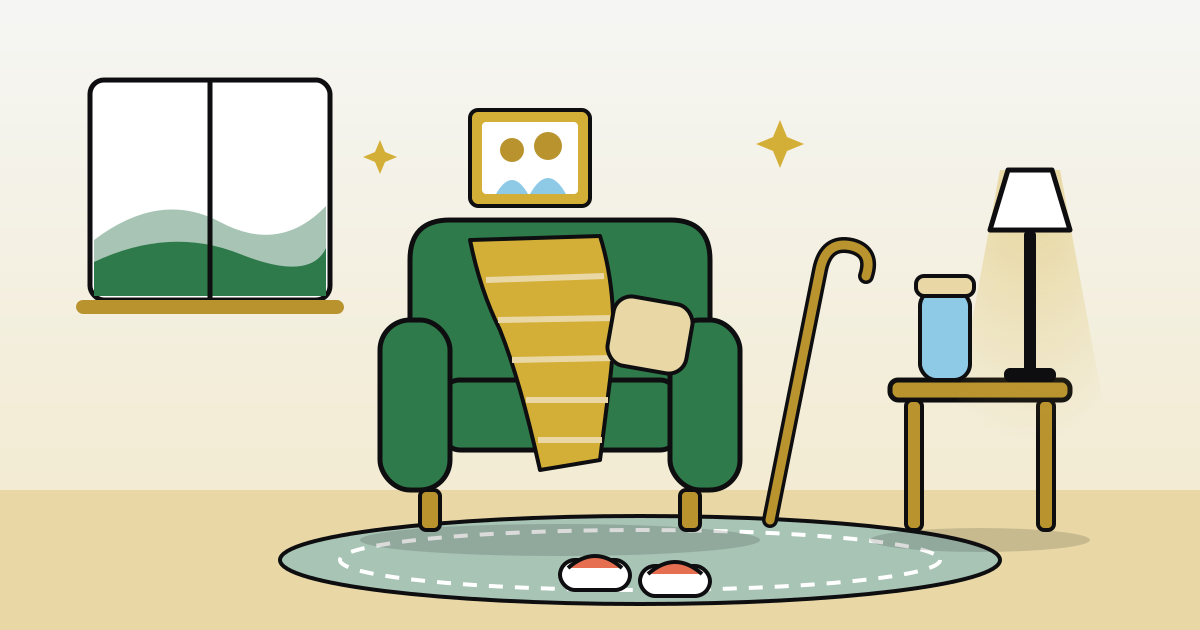
In Rwanda, caring for our parents as they age is something many families do with love and without question. But it is also hard work. Whether your mother has moved in with you, or you are setting up her own home in Kigali so she can stay independent, the right supplies make daily life safer and more dignified for her and easier for you.
This checklist covers the main areas of home care: preventing falls, bathroom safety, comfort and continence, nutrition and hydration, medicines and health checks, and a few things that keep an older person connected and cheerful. Not every item will apply. Start with what your parent needs today.
Every older person is different. Work with their doctor, and ask a nurse or physiotherapist to visit the house if you can. They will often spot risks and needs you would miss.
Who it's for
Families in Kigali caring for an aging parent or grandparent at home, alone or with a caregiver
Time needed
A weekend to set up the house, then a weekly restock
When to shop
Buy safety and comfort items first; set a weekly reminder for continence supplies and food
On the list
33 items, 21 must haves
0 of 33 ready
Preventing falls
Falls are one of the biggest risks for older people, and many happen at night on the way to the toilet.
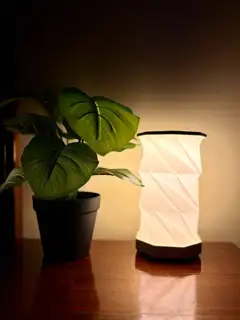
Rechargeable lights for the night
2 to 3 Must haveA lit path from bed to toilet prevents many night falls, and Kigali power cuts make backup light essential.
How to use it: Place a rechargeable light by the bed and one in the bathroom. Keep them charged daily.
 LED Rechargeable Power Torch 1WRWF5,000
 LED Rechargeable Power Torch 1WRWF7,500
Non-slip slippers
1 to 2 pairs Must haveSocks and worn sandals slip on tiles. Shoes with a good grip are safer indoors.
How to use it: Choose closed, well fitting slippers with rubber soles. Replace them when the soles wear smooth.
Walking stick
1Nice to haveGives extra balance on uneven floors, outdoor steps and sloping Kigali compounds.
How to use it: Ask a doctor or physiotherapist to check the right height and type for your parent.
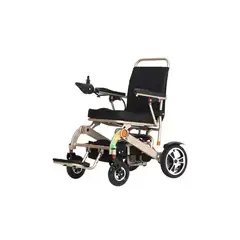
Wheelchair for longer outings
1Nice to haveLets a parent who tires quickly still go to church, family events or the hospital.
How to use it: Check the width of your doors and the route to the car before buying. Use the brakes every time you stop.
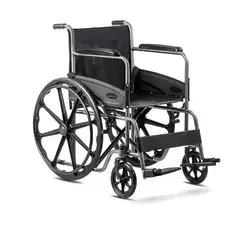 wheel ChairRWF546K
Plastic tape for loose edges and cords
1 roll Must haveLoose carpet edges and cables are easy to trip on.
How to use it: Tape down rug edges and run cords along walls. Remove small loose rugs completely.
 Plastic tapeRWF2,000
 Plastic TapeRWF3,000



Bathroom safety
Wet tiles, low toilets and high shower steps make the bathroom the most dangerous room in the house.
Non-slip bath mats
2 Must haveA mat with suction cups inside the shower and one outside stops slips on wet tiles.
How to use it: Lift and dry them after each use so they stay clean and grippy.
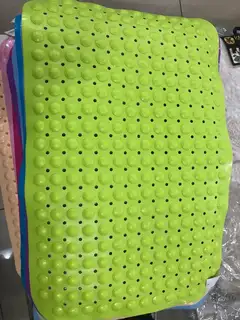 Plastic Shower MatRWF5,000
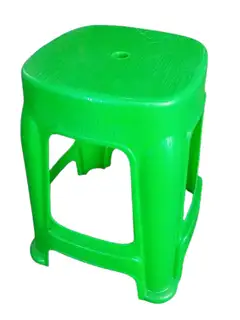
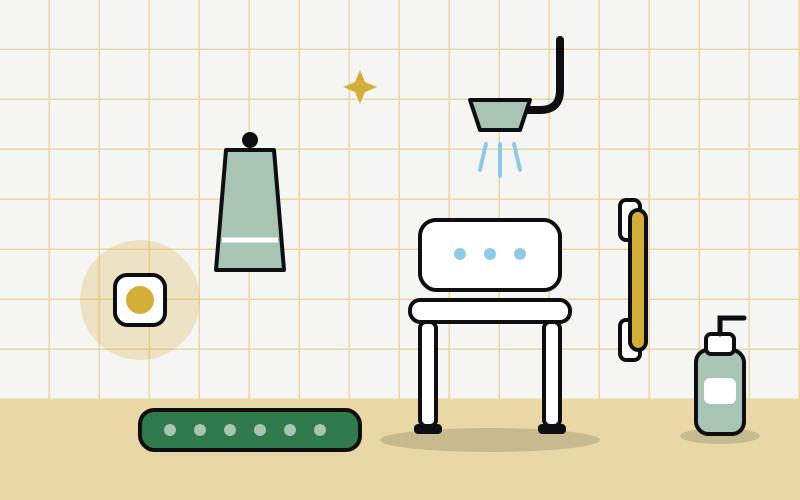
Sturdy plastic chair for the shower
1 Must haveSitting to wash is much safer for someone who tires or gets dizzy standing.
How to use it: Use a strong chair with rubber feet and check it is stable on wet tiles before each use.
Grab bars by the toilet and shower
1 to 2 Must haveSomething solid to hold when sitting down and getting up prevents many falls.
How to use it: Ask a fundi to fix them firmly into the wall. Never rely on towel rails, which are not built to take weight.
Long handled bath sponge
1Nice to haveHelps your parent wash their back and feet on their own, which keeps independence and dignity.
How to use it: Rinse and hang it to dry after each use. Replace it every few months.
Mild soap and moisturizing cream
1 each Must haveOlder skin is thin and dries out easily, and dry skin can crack and itch.
How to use it: Use a mild soap and apply a fragrance free cream after bathing, especially on legs and feet.










Comfort and continence care
Bladder problems are common with age. Handle them with practical supplies and a lot of respect.
Adult diapers or pull ups
1 to 2 packs a week Must haveProtects against leaks day and night, so your parent can sleep, visit and go out with confidence.
How to use it: Measure the waist for the right size. Change promptly and clean the skin each time.
Wet wipes
2 to 3 packs a week Must haveMakes cleaning quick and gentle during changes.
How to use it: Choose unscented wipes. Pat skin dry afterwards.
Barrier cream
1 tube Must haveProtects skin from wetness and helps prevent rashes and sores.
How to use it: Apply a thin layer on clean, dry skin at each change. Ask a nurse if skin looks red, broken or painful.
Disposable gloves
1 box Must haveKeeps changes hygienic for whoever is caring.
How to use it: Use a fresh pair for each change and wash hands afterwards.
Waterproof mattress protector
1 to 2 Must haveKeeps the mattress clean and dry if there are night accidents.
How to use it: Put it under the sheet and wash it weekly or as needed.
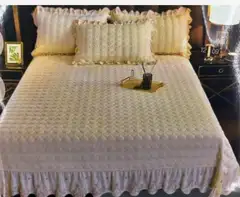
Extra cotton bed sheets
3 sets Must haveYou may change sheets often, and cotton is cool and gentle on skin.
How to use it: Keep at least three sets so one is always clean and dry, even in the rainy season.
Extra pillows
2 to 4Nice to havePillows help with positioning in bed, which prevents pressure sores for someone who spends a lot of time lying down.
How to use it: Ask a nurse to show you how to change position every couple of hours if your parent is mostly in bed.
Mosquito net
1 Must haveOlder people with health conditions can get very sick from malaria.
How to use it: Tuck it in well and check it for holes regularly.
 Mosquito Net 120cm to 200 cmmRWF30,000
 Mosquito NetRWF32,000
















Food and hydration
Appetite and thirst often fade with age. Small, soft, nourishing meals and easy access to water help a lot.
Porridge flour
1 to 2 kg Must haveWarm porridge is easy to eat, familiar and filling, especially for someone with chewing problems.
How to use it: Make it with milk for extra protein. A flask keeps it warm through the day.

 Sosoma Red sorghum Flour 1kgRWF3,200
Milk powder
1 kg Must haveAn easy way to add protein and calcium to tea, porridge and food.
How to use it: Keep powder on hand for days when fresh milk runs out.
Soft fruits
Weekly Must haveBananas, papaya and avocado are soft, nutritious and need little chewing.
How to use it: Cut into small pieces and leave a plate within reach for snacking.
Eggs and soft proteins
1 tray Must haveOlder people need protein to keep their muscles strong.
How to use it: Scrambled eggs, soft beans and minced meat are easy to chew. Ask the doctor about any special diet.
Cup with a straw or lid
1 to 2Nice to haveMakes drinking easier for shaky hands or someone drinking in bed.
How to use it: Keep it filled and within reach. Offer drinks often, as older people may not feel thirsty.
Thermal flask
1Nice to haveKeeps tea and porridge warm so your parent can help themselves when the caregiver is busy or the power is off.
How to use it: Fill it in the morning and place it where it cannot be knocked over.
Blender
1Nice to haveFor parents with chewing or swallowing difficulties, soft blended meals are safer.
How to use it: Blend family food with a little broth. Ask the doctor if swallowing seems difficult or causes coughing.
 Kenwood blenderRWF70,000
 Wn great Hand blenderRWF30,000

















Medicines and health checks
Many older people take several medicines. A simple system prevents missed or doubled doses.
Lidded box for medicines
1 Must haveKeeps all medicines in one place, away from children and heat.
How to use it: Store in a cool, dry place. Ask your pharmacist about a weekly pill organizer and check expiry dates monthly.
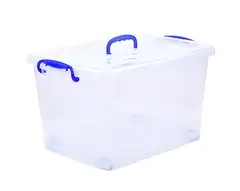 Storage Box 16LRWF23,000
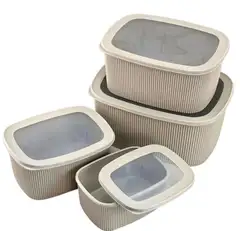 Kitchen storage boxes 4pcsRWF28,800
Notebook for a health log
1 Must haveWriting doses, blood pressure readings and symptoms helps the doctor see what is happening.
How to use it: Bring it to every appointment along with the medicine boxes.
Blood pressure monitor
1Nice to haveHigh blood pressure is common with age, and home readings help the doctor adjust treatment.
How to use it: Ask the doctor or pharmacist whether home checks are useful for your parent and how often to measure.
Hand sanitizer and face masks
1 bottle, 1 boxNice to haveOlder people catch infections more easily, and visitors bring germs.
How to use it: Ask visitors with a cold to wear a mask or visit another day.
Soft toothbrush
2Nice to haveGentle brushing protects sensitive gums and remaining teeth.
How to use it: Help with brushing twice a day if needed, and clean dentures daily as the dentist advises.









Staying connected and cheerful
Loneliness hurts health too. A few small things keep your parent part of family life.
Simple mobile phone
1Nice to haveA phone with big buttons and long battery life is easier than a smartphone for many older people.
How to use it: Save family and doctor numbers on speed dial and write them on paper too.
 Nokia 105 double simRWF22,500
 Tablet NOKIA T20RWF420K
Wireless speaker or radio
1Nice to haveRadio, church music and news are company through long days.
How to use it: Set up their favorite stations and keep it charged.
Warm blanket
1 to 2 Must haveOlder people feel the cold more, especially on rainy evenings and early mornings.
How to use it: Keep a light blanket on their chair as well as on the bed.




Step by step
- 1
Talk with your parent and their doctor
Ask what they find hard day to day, and what the doctor recommends. Respect their wishes about how much help they want.
- 2
Walk through the house
Follow their daily route from bed to toilet to kitchen to chair. Note slippery floors, steps, dark corners and things out of reach.
- 3
Fix the bathroom and night path first
Add mats, a shower chair, grab bars and night lights. These prevent the most serious falls.
- 4
Set up comfort and medicine routines
Organize medicines, continence supplies and a health notebook. Agree who does what among family and caregivers.
- 5
Review every month
Needs change. Check supplies, ask how your parent is feeling, and update the plan with the doctor.
Tips that help
- Move everyday items to waist height so your parent does not need to climb or bend low.
- Set up a weekly delivery of adult diapers, wipes and food so you never run short.
- Keep a list of medicines, allergies and emergency contacts on the fridge for caregivers and visitors.
- Include your parent in family meals and decisions. Being involved matters as much as being cared for.
- If a caregiver helps, show them how to use each item and what to do in an emergency.
- Look after yourself too. Share the care with siblings and ask for help before you burn out.
Mistakes to avoid
- Leaving small loose rugs on tiled floors.
- Using towel rails or sinks as grab bars.
- Giving medicines from memory instead of following a written schedule.
- Assuming an older person will say when they are thirsty or in pain.
- Making changes without asking your parent what they want.
Questions people ask
What do I need to care for an elderly parent at home?+
Start with fall prevention (lights, non-slip mats and slippers), bathroom safety (a shower chair and grab bars), continence supplies if needed, soft nutritious food, and a clear medicine routine. Add more as their needs change.
How do I prevent falls at home?+
Light the path from bed to toilet, remove loose rugs, add grab bars and non-slip mats in the bathroom, and make sure your parent wears shoes with a good grip. Ask the doctor to review medicines that cause dizziness.
When should I take my elderly parent to the doctor?+
Go quickly for a fall, especially with a head injury, sudden confusion, chest pain, trouble breathing, weakness on one side, fever, or if they stop eating or drinking. For ongoing conditions, keep regular check ups.
How do I prevent bed sores?+
Change position every couple of hours if your parent is mostly in bed, keep skin clean and dry, use pillows for support, and check the back, hips and heels daily. Ask a nurse for guidance if you see red patches that do not fade.
Can I order elderly care supplies for delivery in Kigali?+
Yes. Adult diapers, wipes, creams, bath mats, bed sheets, food and household supplies are available on Isokko, which helps when you are busy caring or when your parent lives in another part of the city.
Caring for a parent at home is a gift to them and to your family, and it does not have to be done alone or all at once. Make the home safe first, keep the daily essentials stocked, and lean on doctors, nurses and siblings. You can order the supplies on this list on Isokko and have them delivered anywhere in Kigali.
Shop this list
Get everything delivered in Kigali
Order from local stores on Isokko and pay with MoMo, card or cash. Same-day delivery.