
Checklist · Baby & family
Childproofing Your Home for a Crawling Baby: Kigali Checklist
A room by room childproofing checklist for Kigali homes: sockets and cords, gas and charcoal, stored water, stairs, chemicals and a safe play corner for a crawling baby.
Updated November 16, 2026 · By Isokko
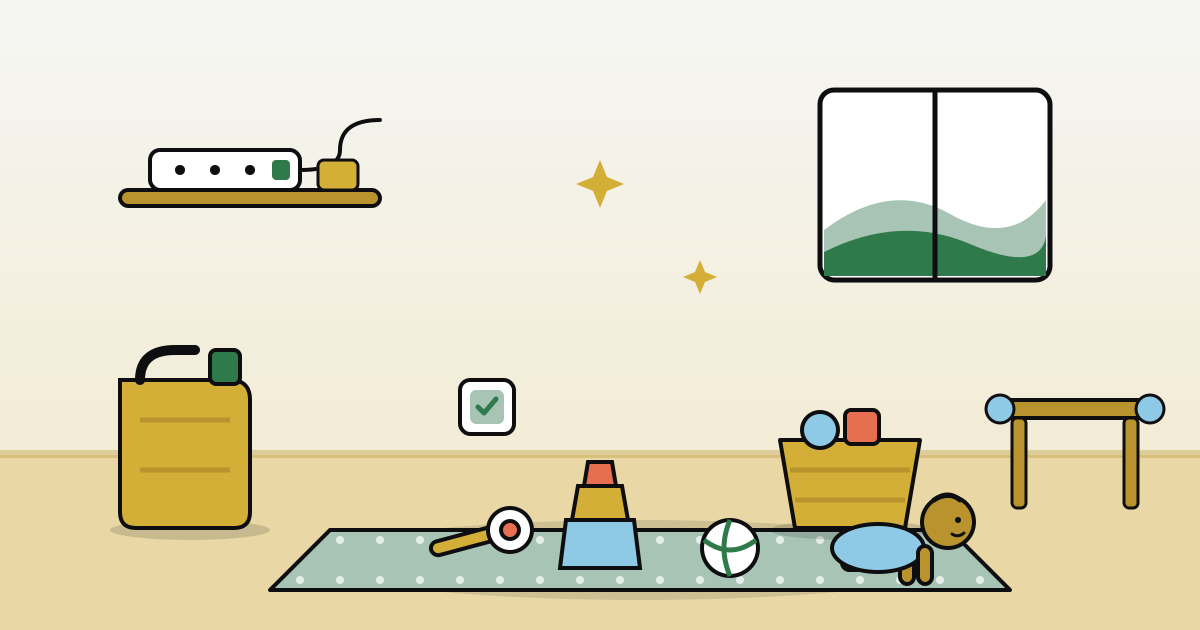
One day your baby lies where you put them. The next they are halfway across the room, pulling on a phone charger. Crawling usually starts somewhere between 6 and 10 months, and it is much easier to childproof before it happens than after.
The best way to start is to get down on your hands and knees and crawl through your home. You will see what your baby sees: the loose cable behind the TV, the bucket of stored water in the bathroom, the bottle of bleach under the sink and the gas cylinder hose in the kitchen.
This checklist goes room by room through a typical Kigali house or apartment. Nothing replaces watching your baby, but these changes buy you precious seconds and make everyday accidents much less likely.
Who it's for
Parents and caregivers in Kigali whose baby is starting to roll, crawl or pull up
Time needed
One weekend to walk through the house and fix the main risks
When to shop
Around 5 to 6 months, before your baby starts crawling
On the list
25 items, 14 must haves
0 of 25 ready
Electricity and cords
Babies love cables and holes in the wall. Power surges after a cut can also make loose sockets more dangerous.
Extension socket with switches
1 to 2 Must haveLets you switch off everything at once and keep the plug board up on a shelf instead of on the floor.
How to use it: Fix the extension to the wall or table leg, out of reach. Switch off and unplug what you are not using.
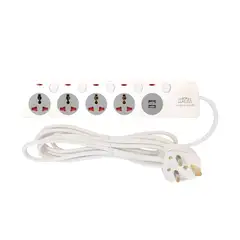 Simba Extension Socket 5 wayRWF23,050
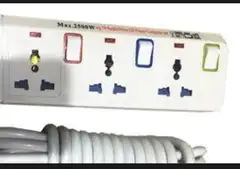 Kidris Multi socket (3 ways)RWF9,600
 Kadris Multi socket (6 ways)RWF13,200
Plastic tape for cords
2 rolls Must haveLoose cords get chewed and pulled, bringing heavy things down with them.
How to use it: Run cords along walls and behind furniture and tape them down. Ask an electrician to fit covers or shuttered sockets for low wall sockets.
 Plastic tapeRWF2,000
 Plastic TapeRWF3,000
Rubber bands and cord ties
1 packNice to haveCoil up long cables from the TV, router and phone chargers so there is nothing to grab.
How to use it: Bundle extra length and tuck it behind furniture. Never leave a charger plugged in and dangling at floor height.
 Rubber Band 300pcs AssortedRWF1,200
 Big big rubber BRWF2,200
Rechargeable torch
1 to 2 Must haveDuring a power cut, you need light fast to find a baby who is on the move.
How to use it: Keep it charged in the same place every day, high up but easy for adults to grab.
 LED Rechargeable Power Torch 1WRWF5,000
 LED Rechargeable Power Torch 1WRWF7,500
 LED Rechargeable Power Torch 1WRWF10,000

Kitchen: gas, charcoal and hot things
The kitchen is where most serious burns happen. Make it a no crawling zone when you are cooking.
Gas regulator check
1 Must haveA worn hose or loose regulator is a fire risk, and babies love to pull on a hose.
How to use it: Check the hose for cracks and replace the regulator if it is old. Turn the gas off at the cylinder after cooking.
 CR - 168B COSCO Gas RegulatorRWF12,500
 CR-168B Costco gas RegulatorRWF10,000
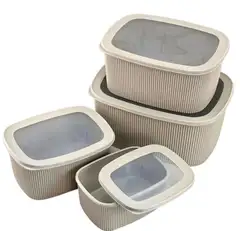
Lidded storage boxes for high shelves
3 to 4 Must haveMatches, lighters, knives, small batteries and medicines need a home your baby cannot reach.
How to use it: Put them in boxes with lids on a high shelf. Batteries and magnets are very dangerous if swallowed.
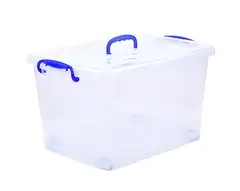 Storage Box 16LRWF23,000
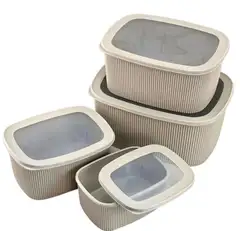 Kitchen storage boxes 4pcsRWF28,800
Padlock for a chemicals cupboard
1 to 2 Must haveBleach, kerosene, insecticide and drain cleaner often live under the sink, exactly at crawling height.
How to use it: Move them to a high cupboard and lock it, or padlock a low cupboard through the handles.
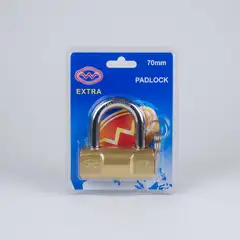 WUZI 70mm Extra Brass PadlockRWF9,000
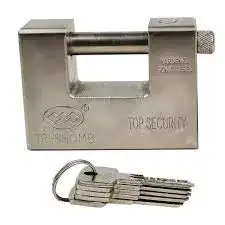 Tri-Rhomb Top Security padlockRWF9,000
 Smart Fingerprint PadlockRWF25,000
Electric kettle with a short cord
1Nice to haveA kettle cord hanging off the counter is one of the most common ways babies get scalded.
How to use it: Push the kettle to the back of the counter with the cord out of sight.
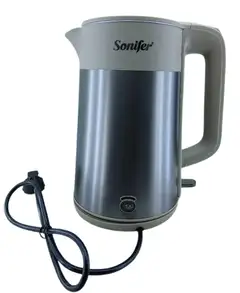 Sonifer Electric Kettle 1.8LRWF40,300
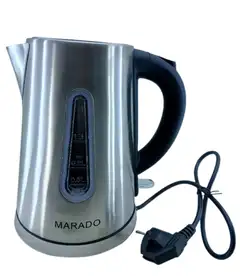 MARADO Electric Kettle 1.7LRWF46,000
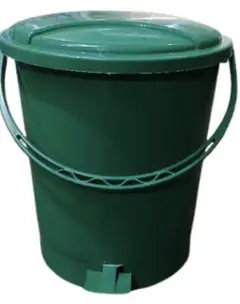
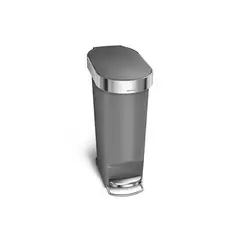
Bin with a lid
1 Must haveBabies explore bins, and kitchen waste holds sharp tins, plastic bags and bones.
How to use it: Choose a pedal bin with a firm lid and keep it in a corner or inside a cupboard.

Water: buckets, jerrycans and the bathroom
Many Kigali homes store water for days when the tap runs dry. A baby can drown in a few centimeters of water, quietly, in seconds.
Jerrycans with screw caps
2 to 4 Must haveStoring water in closed jerrycans instead of open buckets removes one of the biggest hidden risks in the house.
How to use it: Keep caps on tight and store jerrycans upright in a corner. Empty and dry any basin as soon as you finish with it.
 Plastic Empty Jerrycan/20LRWF4,000
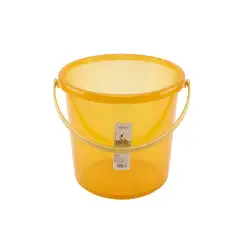
Bucket with a tight lid
1 to 2 Must haveIf you must keep a bucket of water, a lid makes it far safer.
How to use it: Never leave an open bucket or basin of water anywhere a baby can reach, even for a minute.

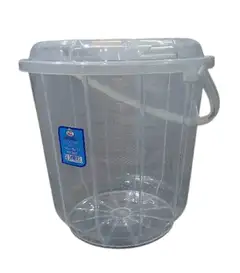 Graduated plastic bucketRWF4,600
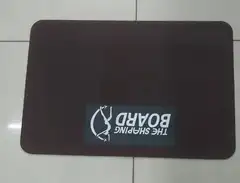
Non-slip bath mat
1 to 2Nice to haveWet tiles are slippery for babies pulling up, and for parents carrying them.
How to use it: Put one inside the shower and one outside. Wash and dry them weekly so they do not get moldy.
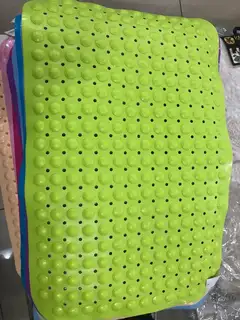 Plastic Shower MatRWF5,000
Door lock or hook for the bathroom
1Nice to haveKeeping the bathroom door closed keeps out toilets, buckets and cleaning products.
How to use it: Fit a simple hook high up on the outside of the door.
 Door lockRWF23,800
Floors and living room
Your baby will spend hours on the floor. Make it clean, soft in one spot, and free of small objects.
Soft carpet or play mat
1 Must haveGives your baby a soft, warm place to crawl and fall, instead of hard cold tiles.
How to use it: Lay it in one corner you can see from the kitchen or sofa. Shake it out daily and wash it often.
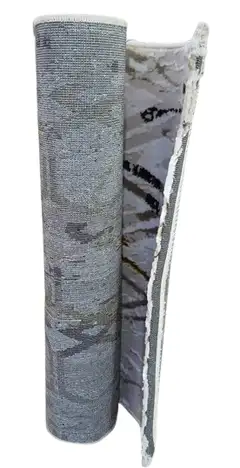 Cleopatra Home Carpet 80*150RWF40,300
 Home CarpetRWF31,100
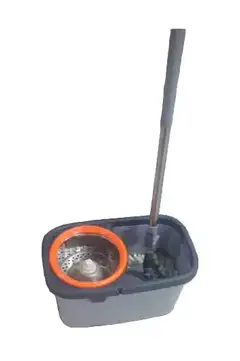
Mop and floor cleaner
1 each Must haveRed dust, shoes and crumbs end up on floors, and babies put their hands in their mouth constantly.
How to use it: Mop the play area daily with a mild cleaner, rinse and let it dry before the baby goes down.
 Water Spray MopRWF15,000
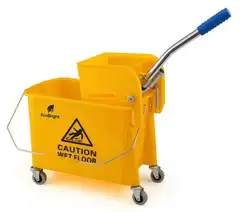 Single bucket MopRWF12,000
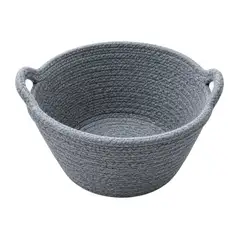
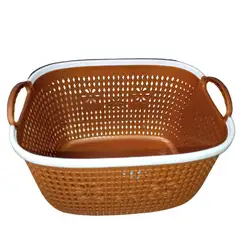
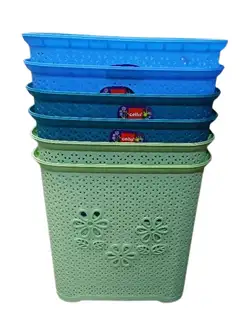
Toy storage baskets
2Nice to haveTidy floors mean fewer trips and fewer small things to swallow.
How to use it: Keep baby toys in a low basket and older children's small toys in a closed box up high.
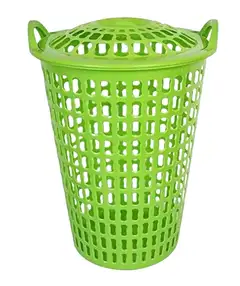
Laundry basket with a lid
1Nice to haveBabies pull clothes, belts and plastic bags out of open baskets.
How to use it: Choose one with a lid and keep it in the bedroom or bathroom.
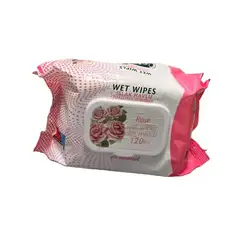
Wet wipes for quick clean ups
2 packsNice to haveSpills and messes happen constantly once a baby is mobile.
How to use it: Keep a pack in the living room and the kitchen.





Furniture, stairs and windows
Many Kigali homes are built on slopes with outdoor steps, balconies and low windows. These are the big falls risks.
Corner guards or soft padding
1 setNice to haveCoffee tables and TV stands have sharp corners right at the height of a baby's head.
How to use it: Fit soft corner guards, or move low sharp tables out of the room for a few months.
Safety gate or a barrier for steps
1 per staircase Must haveStairs, veranda steps and balconies are the most dangerous falls in many Kigali homes.
How to use it: Ask a carpenter or fundi to fit a sturdy gate at the top and bottom of stairs and on balcony doors.
Wall fixing for heavy furniture
As needed Must haveBabies pull up on shelves, wardrobes and TV stands, which can tip over.
How to use it: Ask a fundi to fix tall furniture to the wall with brackets. Put heavy items on low shelves.
Mosquito net for the baby's bed
1 Must haveA crawling baby is on the floor at dusk too, and needs protection when sleeping.
How to use it: Tuck the net in well and check it has no loose loops or ties a baby could get caught in.
 Mosquito Net 120cm to 200 cmmRWF30,000
 Mosquito NetRWF32,000
Safe toys for exploring
Give busy hands something safe to grab, chew and shake, and they are less interested in cables.
Teether
1 to 2Nice to haveCrawling often comes at the same time as teething, and babies chew everything.
How to use it: Pick a solid silicone teether. Wash it daily and check for cracks.
 Nûby 100% Silicone Teether Om+RWF8,200
Baby rattle
1 to 2Nice to haveRattles reward reaching and crawling, and keep a baby busy on the play mat.
How to use it: Choose toys too big to fit in the mouth, with no small parts that can come loose.
 Baby rattlers 3M+RWF2,500
Large plastic toys
A fewNice to haveStacking cups, balls and push toys encourage crawling and pulling up.
How to use it: Check age labels and remove anything with small parts or sharp edges.


Step by step
- 1
Crawl through your home
At around 5 months, get down on the floor in every room and note what you can reach, pull or put in your mouth.
- 2
Fix the big dangers first
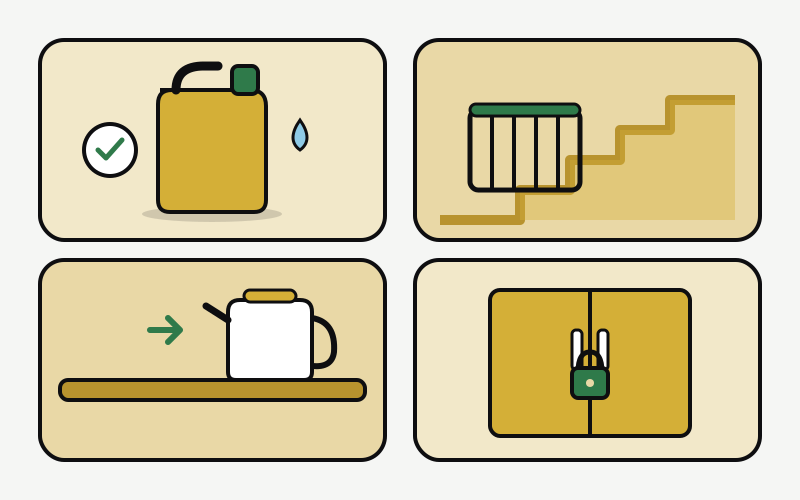
Water, falls, burns, poisons and electricity. Close stored water, block stairs, lock chemicals away and lift cords.
- 3
Make one safe zone
Set up a soft, clean play corner you can see while you cook or work, with a few safe toys.
- 4
Brief everyone at home
Show the house help, older children and visiting relatives the new rules: doors closed, buckets covered, kettle at the back.
- 5
Check again every month
As your baby starts pulling up and walking, new things come into reach. Walk through the house again.
Tips that help
- Ask visitors to keep handbags off the floor. They often hold medicines, coins and sweets.
- Keep a list of emergency numbers and your nearest clinic on the fridge for whoever looks after the baby.
- Never leave a charcoal stove burning indoors or near the baby. The fumes are dangerous even when you cannot smell them.
- Plastic shopping bags and moto delivery bags go straight into a high drawer.
- Keep the front door and gate closed. Compounds often have open drains, steps and moving cars.
- Small items like coins, earrings and button batteries should never be left on low tables.
Mistakes to avoid
- Leaving a bucket or basin of water on the bathroom floor just for a minute.
- Keeping bleach, kerosene or insecticide in drink bottles or under the sink.
- Relying on a baby walker. Many pediatricians advise against them because of falls down steps.
- Waiting until the baby is already crawling to childproof.
- Thinking childproofing replaces supervision. It only gives you extra seconds.
Questions people ask
When should I start childproofing my home?+
Start at around 5 to 6 months, before your baby crawls. Babies can roll and scoot further than you think, so the earlier the better.
What is the biggest danger for crawling babies in Kigali homes?+
Stored water in open buckets and basins, falls from stairs and balconies, burns from cooking, and household chemicals are the main risks. Fix those first.
What should I do if my baby swallows something or drinks a chemical?+
Do not make the baby vomit. Take the product or packaging and go to the nearest hospital or clinic straight away. If your baby is choking and cannot breathe, call for emergency help immediately. A baby first aid course is worth taking.
Do I need special baby safety products?+
Some help, like gates and corner guards, but much of childproofing is moving things: chemicals up high, cords behind furniture, water covered. Start there, then add products for the risks you cannot move.
How do I childproof if I rent?+
Use freestanding or removable solutions where you can, and check with your landlord before drilling into walls for gates or brackets. Most landlords agree to small safety changes.
Childproofing is not about turning your home into a padded room. It is about removing the few things that cause serious harm, so your baby can explore safely while you keep an eye on them. Work through this list one room at a time, and order what you need on Isokko for delivery to your door in Kigali.
Shop this list
Get everything delivered in Kigali
Order from local stores on Isokko and pay with MoMo, card or cash. Same-day delivery.