
Checklist · Baby & family
Hospital Bag Checklist for Giving Birth in Kigali: What to Pack
What to pack in your hospital bag for giving birth in Kigali: documents, labor comforts, postpartum supplies, baby's first outfit and what your partner needs.
Updated November 16, 2026 · By Isokko
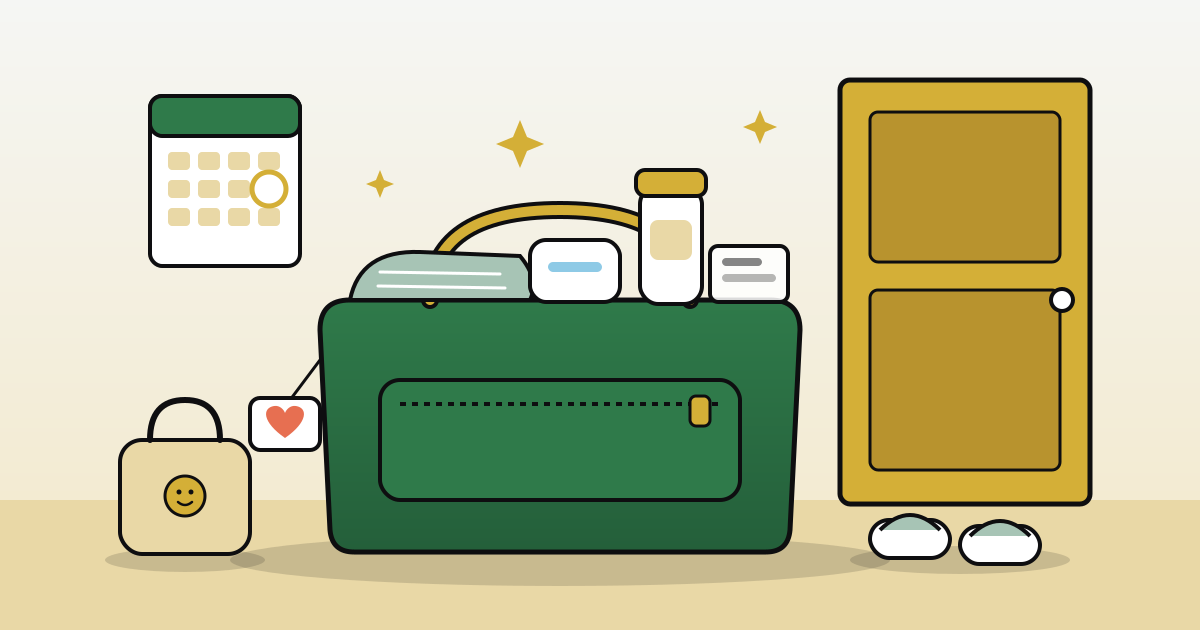
Babies rarely wait for a convenient moment. Labor can start at 2 am, in the middle of a rainstorm, or during a power cut. A bag packed ahead of time means you walk out the door calm, with everything you and your baby need for the first days.
This checklist is built for giving birth in Kigali, whether at a public hospital, a private clinic or a health center. Facilities differ in what they provide, so call your maternity ward or ask at your last antenatal visit what you should bring. Many ask families to bring their own sanitary pads, baby clothes, a wrap cloth and basic toiletries.
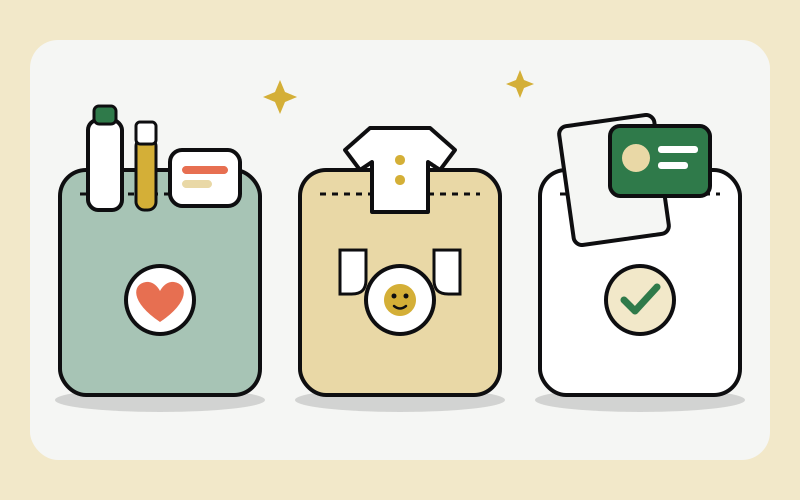
Pack three groups: one for you during labor, one for after the birth, and one small bag for the baby. Keep documents in a zipped pocket on top.
Who it's for
Expecting mothers and partners planning a birth at a hospital or health center in Kigali
Time needed
About an hour to pack once you have the items
When to shop
Have the bag packed and by the door from week 36
On the list
32 items, 22 must haves
0 of 32 ready
Documents and money
These are the things you cannot buy on the way. Put them in a clear zip pouch at the top of your bag.
ID and health insurance card
Originals plus copies Must haveYou will need your national ID and your Mutuelle de santé or private insurance card to be admitted.
How to use it: Make photocopies too. Keep originals with your partner so you are not searching while in labor.
 RFID Blocking Card HolderRWF11,500
 RFID Blocking Card HolderRWF11,000
Antenatal card and test results
1 folder Must haveYour antenatal card tells the midwife about your pregnancy history, blood group and tests at a glance.
How to use it: Bring every result and scan you have. Add a note of allergies and any medicines you take.
Notebook and pen
1Nice to haveHandy for writing feeding times, nurse instructions and questions for the doctor.
How to use it: Write the baby's first feeds and wet diapers. It helps when the midwife asks.
MoMo balance and some cash
Enough for a few days Must haveFor pharmacy items, transport home, food for your partner and small unexpected costs.
How to use it: Top up MoMo the week before and keep a little cash in case the network or a payment terminal is down.






For labor
Labor can last many hours. Small comforts make a real difference.
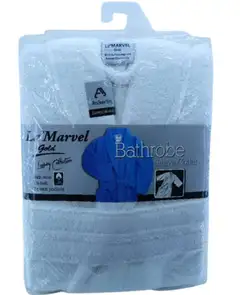
Loose dress or robe
2 Must haveHospital gowns are not always available in every ward, and you want something you do not mind getting messy.
How to use it: Choose something dark, loose and front opening, so you can breastfeed right after the birth. A light robe is great for walking the corridor.
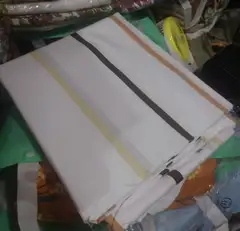
Wrap cloth or kitenge
2 Must haveMany Kigali maternity wards ask mothers to bring a wrap cloth. It doubles as a cover, a sheet and later a baby carrier.
How to use it: Pack two. Use one for labor and keep a clean one for going home.
Slippers or sandals
1 pair Must haveWalking helps labor along, and hospital floors are cold and not always clean.
How to use it: Pick washable slip-on sandals so you do not need to bend down to fasten them.
Water bottle
1 Must haveStaying hydrated during labor helps your energy. Ask your midwife what you may drink.
How to use it: A bottle with a straw or flip lid is easiest to sip from while lying down.


Light snacks and glucose
A small bag Must haveEarly labor can be long. Light snacks keep you and your partner going.
How to use it: Pack dates, glucose biscuits and juice. Follow the midwife's advice on eating once labor is active.
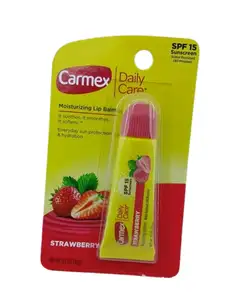
Lip balm
1Nice to haveBreathing through contractions dries out lips quickly.
How to use it: Keep it in a pocket so your partner can hand it to you.
Hair ties
3 to 4Nice to haveKeeps hair off your face and neck when you are hot and moving around.
How to use it: Pack a few soft ones. They disappear easily.














For you after the birth
Bleeding after birth is heavy for the first days, and you will want to feel clean and comfortable.
Maxi or overnight sanitary pads
2 to 3 packs Must havePostpartum bleeding needs thick, long pads, and many facilities ask you to bring your own.
How to use it: Pack at least two packs of the longest, most absorbent pads. Change them often.
Disposable adult diapers
1 small packNice to haveMany mothers find them easier than pads for the first night, with less worry about leaks.
How to use it: Use them for the first one or two nights, then switch to pads.
Comfortable cotton underwear
4 to 6 Must haveYou will need high waisted, roomy underwear that holds a pad well, especially after a cesarean.
How to use it: Pack old or cheap pairs you can throw away, and size up for comfort.
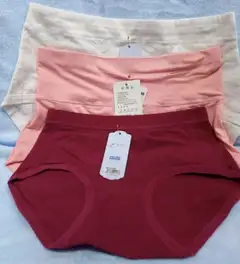 Underwear for womenRWF4,000
 Underwear Training WaterproofRWF3,000
 Victan boxers underwear 3men lRWF8,000
Breast pads
1 box Must haveMilk can start to leak in the first days, and pads keep your clothes dry.
How to use it: Change them whenever they feel damp to protect your skin.
 Disposable breast pads 40pcs MediumRWF27,800
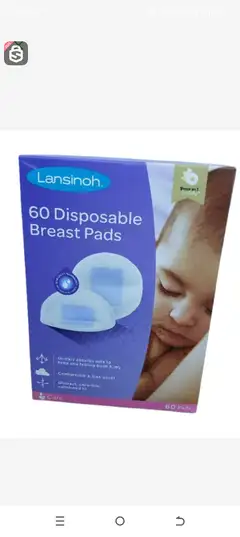 Lansinoh 60 disposable breast padsRWF30,000
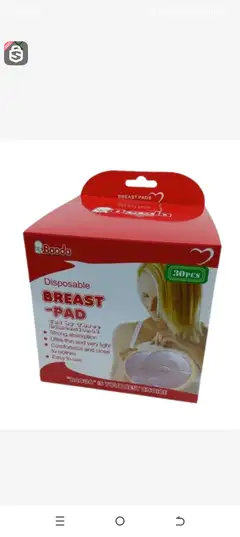 Baoda disposable breast pads 30grRWF16,000
Toothbrush and toothpaste
1 set Must haveBrushing your teeth after a long labor is one of the best feelings there is.
How to use it: Pack a travel size set so it fits in a small pouch.
Shower gel and a towel
1 each Must haveA shower helps you feel human again. Not every ward provides towels.
How to use it: Bring a dark colored towel. Ask a nurse when it is safe to shower the first time.
Body lotion and deodorant
Travel sizeNice to haveHospital rooms can be dry, and you will have visitors.
How to use it: Pick a mild, light fragrance. Strong perfumes can bother a newborn.
Toilet paper and tissues
2 to 4 rolls Must haveHospital bathrooms often run out, especially at night.
How to use it: Pack a few rolls in a plastic bag and a box of tissues for your bedside.
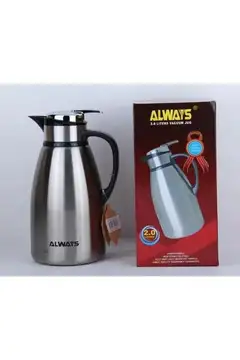
Thermal flask, cup and spoon
1 set Must haveFamily often brings hot porridge or tea after the birth. A flask keeps it warm through the night.
How to use it: Bring your own cup and spoon so you are not waiting for the canteen.
Small basin
1Nice to haveMany wards in Kigali ask mothers to bring a basin for washing up and for the baby.
How to use it: A lightweight plastic basin is enough. Pack small items inside it to save space.






















For the baby
Your baby needs very little in hospital, but most facilities expect you to bring it all.
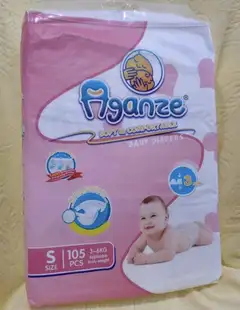
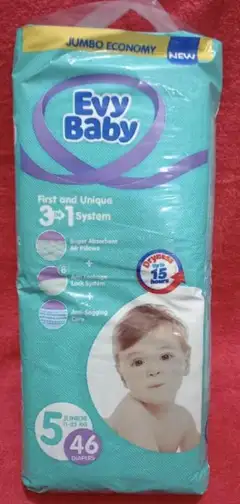
Newborn diapers
1 small pack Must haveA newborn can need a change every two to three hours.
How to use it: Pack around 10 to 15. Fasten below the cord stump.
Baby wipes or cotton pads
1 pack each Must haveFor the first sticky stools and quick clean ups.
How to use it: Many midwives prefer cotton and warm water in the first days. Ask yours.
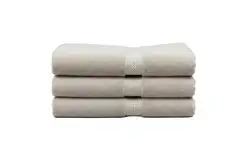
Soft towels for wrapping
2 to 3 Must haveNewborns lose heat fast. Small towels are useful for drying and wrapping right after birth.
How to use it: Pack two or three, washed before birth and kept in a clean bag.
 Small TowelRWF1,500
 Plush Bath Mat/ Towel 100*100cmRWF15,000
Baby socks and mittens
2 pairs each Must haveKeeps tiny hands and feet warm, and mittens stop scratching.
How to use it: Pack two pairs of each in case of spit up or leaks.
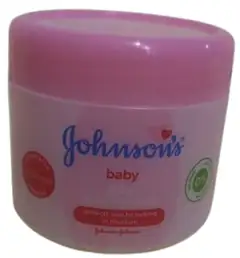
Baby jelly or mild cream
1 small tubNice to haveHelps protect skin in the diaper area during the first days.
How to use it: A thin layer at each change. Avoid strong fragrances.
Going home outfit and wrap
1 set Must haveYour baby's first trip home should be warm and comfortable, especially on a cool, rainy evening.
How to use it: Pack a soft outfit, a hat and a wrap. Washed and folded in a clean bag.










For your partner or companion
Whoever comes with you may spend a long night on a chair. Help them help you.
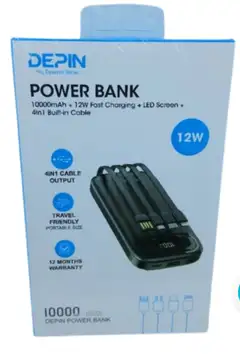
Power bank
1 Must havePhones are your camera, your flashlight and how you call family. Sockets near beds are not guaranteed.
How to use it: Charge it fully the week before and again when labor starts.
Phone charger and multi socket
1 eachNice to haveOne socket in a shared ward has to serve many phones.
How to use it: A small multi socket makes you very popular with other families.
Snacks and drinking water
A small bagNice to haveCanteens close at night and your partner cannot always leave.
How to use it: Pack biscuits, peanuts and a bottle of water. Replace them when used.
Umbrella
1Nice to haveIn the rainy season, a sudden storm can hit just as you leave for the hospital or when going home.
How to use it: Keep a compact umbrella in the car or by the door.
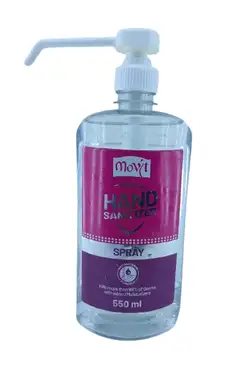
Hand sanitizer
1 Must haveMany visitors will want to hold the baby, and hospital hands are busy hands.
How to use it: Put a small bottle by the bed and ask everyone to use it first.











Step by step
- 1
Week 32 to 34
Ask your hospital or health center what they provide and what you must bring. Start buying pads, diapers and toiletries.
- 2
Week 35
Wash baby clothes, towels and the wrap cloth. Dry them in the sun and pack them in a clean bag.
- 3
Week 36
Pack the full bag and put it by the door. Put documents in a zip pouch on top and give your partner copies.
- 4
When labor starts
Add your phone, charger and fresh snacks. Fill the flask and water bottle. Call your midwife or hospital for advice on when to come in.
- 5
Going home
Dress the baby warmly, pack used clothes in a separate bag, and keep the discharge papers and vaccination card safe.
Tips that help
- Pack in clear zip bags labeled mom, baby and documents, so anyone can find things fast.
- Agree on transport ahead of time and save two drivers' numbers, in case one does not answer at night.
- If you plan a cesarean, add extra high waisted underwear and loose dresses.
- Keep a small towel and a change of clothes in the car in case your waters break on the way.
- Ask a family member to bring hot food and refill supplies on day two.
- Do not pack valuables you do not need. Wards are busy and shared.
Mistakes to avoid
- Packing for yourself and forgetting the baby needs clothes, diapers and a wrap from the first hour.
- Leaving the insurance card at home or in a different bag.
- Bringing only regular sanitary pads instead of thick overnight ones.
- Packing a huge suitcase. A medium bag and a small baby bag are easier to carry.
- Waiting until labor starts to pack.
Questions people ask
When should I pack my hospital bag?+
Aim to have it packed by week 36. Babies can come early, and it is much easier to pack calmly than during contractions.
What do hospitals in Kigali provide for mothers?+
It depends on the facility. Some private clinics provide gowns and pads, while many public hospitals and health centers ask families to bring their own. Call your maternity ward or ask at your antenatal visit.
How many diapers should I bring to the hospital?+
Around 10 to 15 newborn diapers is usually enough for a one to two day stay. Your partner can bring more if you stay longer.
What should I pack for a cesarean birth?+
Add loose dresses, high waisted cotton underwear that sits above the scar, extra pads and slip-on shoes. You may stay a few days longer, so pack extra toiletries and snacks for your companion.
When should I go to the hospital?+
Follow the advice of your midwife or doctor. Go straight away if your waters break, if you have heavy bleeding, severe pain, fever, or if the baby is moving less than usual.
A well packed bag is one less thing to think about when the big day comes. Tick off the must items by week 36, leave the bag by the door, and focus on meeting your baby. You can order everything on this list on Isokko and have it delivered to your door in Kigali.
Shop this list
Get everything delivered in Kigali
Order from local stores on Isokko and pay with MoMo, card or cash. Same-day delivery.